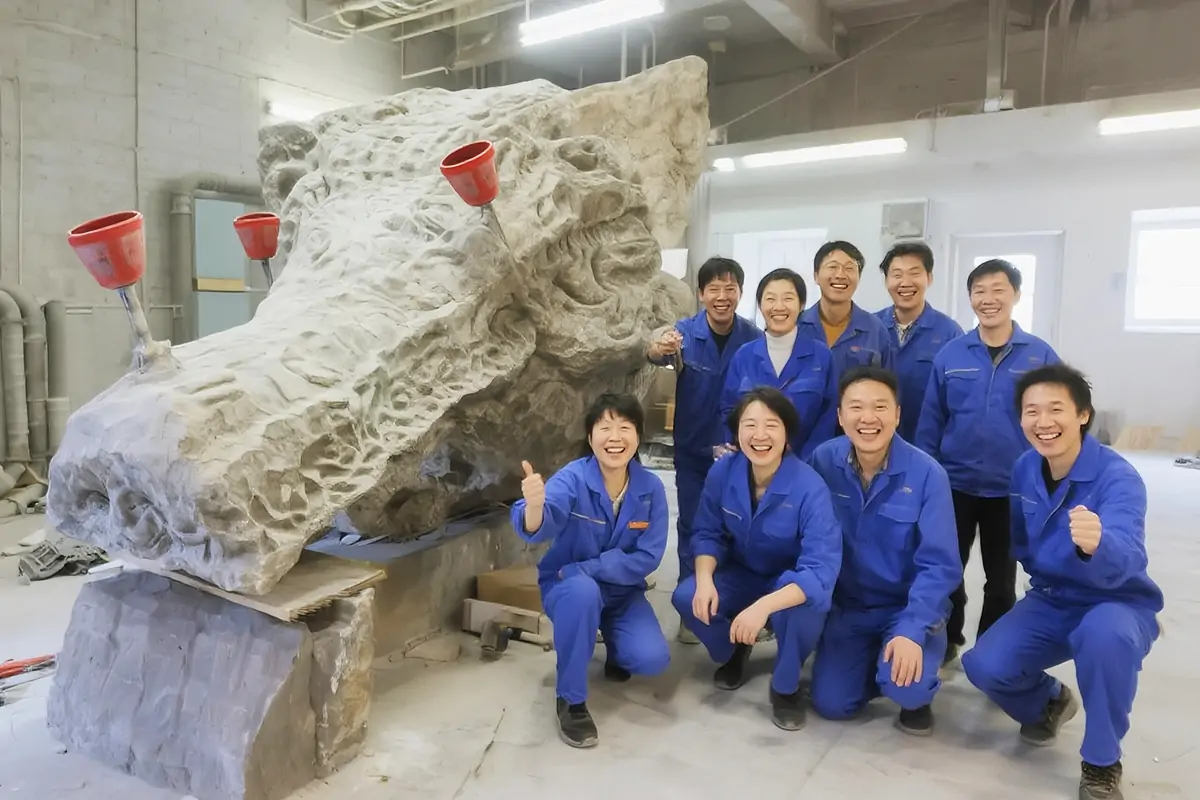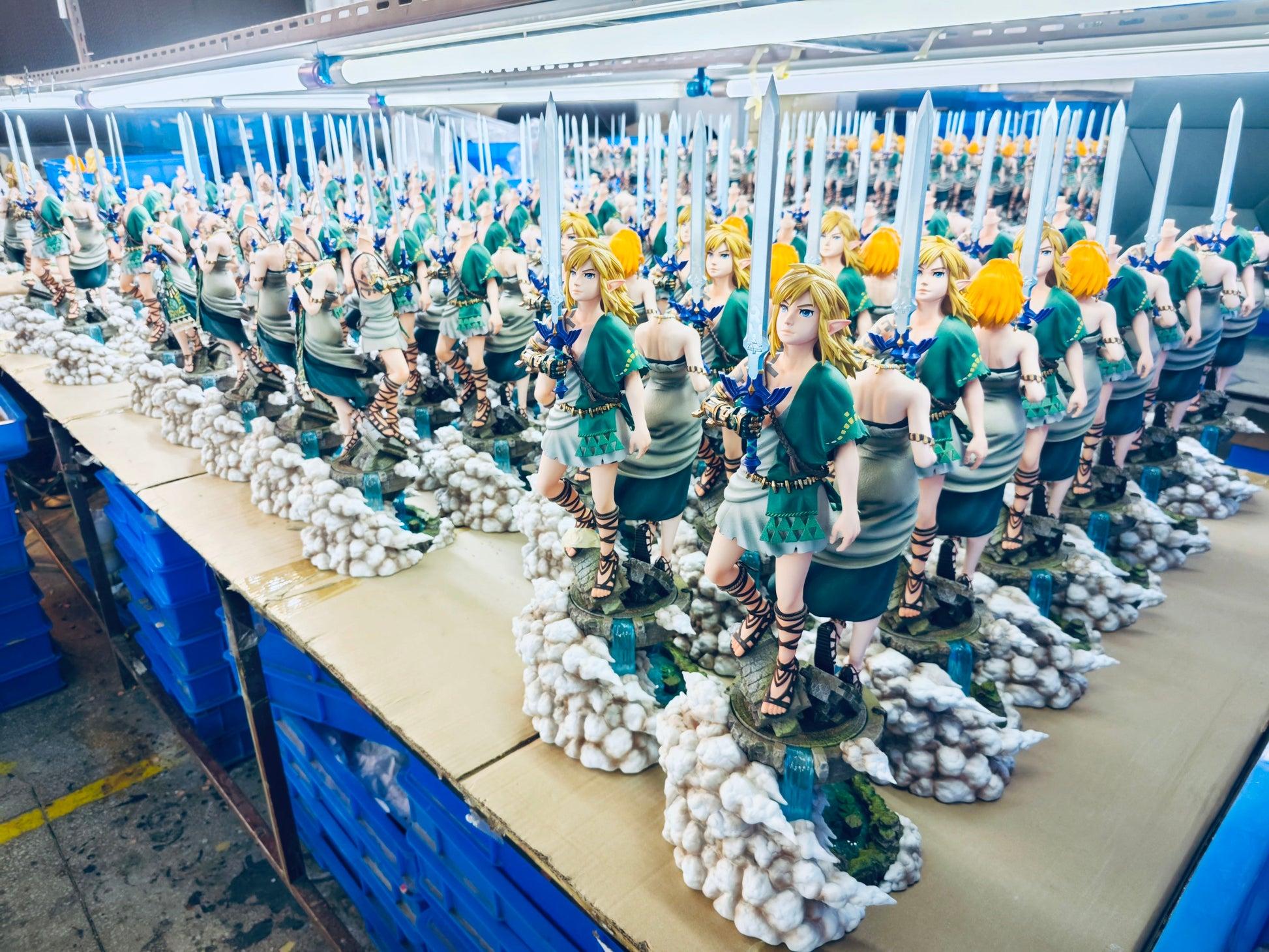
If a hospitality or retail buyer approves the first sample today, will the fortieth unit of that same order, or a reorder placed two years from now, still look exactly the same? That question sits behind almost every large resin sculpture order, and the answer comes down to whether the edition is treated as a controlled production system rather than a series of individual casts: a signed-off master pattern, a maintained mould set, and a locked colour standard, each checked at defined points from the first sample through to the last unit of the run. For a hotel group ordering the same lobby piece for twelve properties, or a retail brand rolling the same in-store figure out to two hundred locations, this system is what keeps unit forty looking identical to unit one, and what keeps a reorder from reading as a redesign. Pegasus works directly with design and procurement teams on exactly this kind of controlled, repeatable production, planning mould life, pigment standards, and inspection checkpoints as part of its resin sculpture programme before a single unit is cast.
Hospitality and retail buyers rarely commission a single sculpture. A boutique hotel chain wants the same brand mascot at reception in every property; a cosmetics retailer wants an identical display figure in every flagship store. The commercial risk isn’t the first piece – it’s the fortieth, the hundredth, and the one ordered again eighteen months later for a new location. That risk is managed long before casting begins, which is exactly why experienced resin sculpture manufacturers treat tooling and colour planning as part of the design process itself, not as a factory-floor detail worked out later.
Why Does a Repeatable Edition Start With the Master Pattern, Not the Mould?
A mould is only ever as good as the master it came from. That means the small stuff – how deep an undercut runs, how a surface texture reads, where the parting line sits – needs to be settled and signed off before anyone even thinks about tooling. Good resin sculpture manufacturers don’t treat the master as a rough working sketch. It gets measured properly, photographed from every angle, and approved by the client before a mould ever touches it. Skip that step and you’ve found the most common reason a batch of resin figurines starts drifting from what was originally approved – once changes get made mid-run with nothing official written down, there’s no fixed point left to check back against.
At Pegasus, master development sits alongside engineering review from the outset – centre of gravity, wall thickness, and modular splitting are worked out for the master itself, not left for the mould-maker to solve later, which is part of why the company’s resin sculpture customisation process is built around client sign-off at this exact stage rather than after the first cast is delivered.

How Are Production Moulds Managed to Protect Every Unit in the Run?
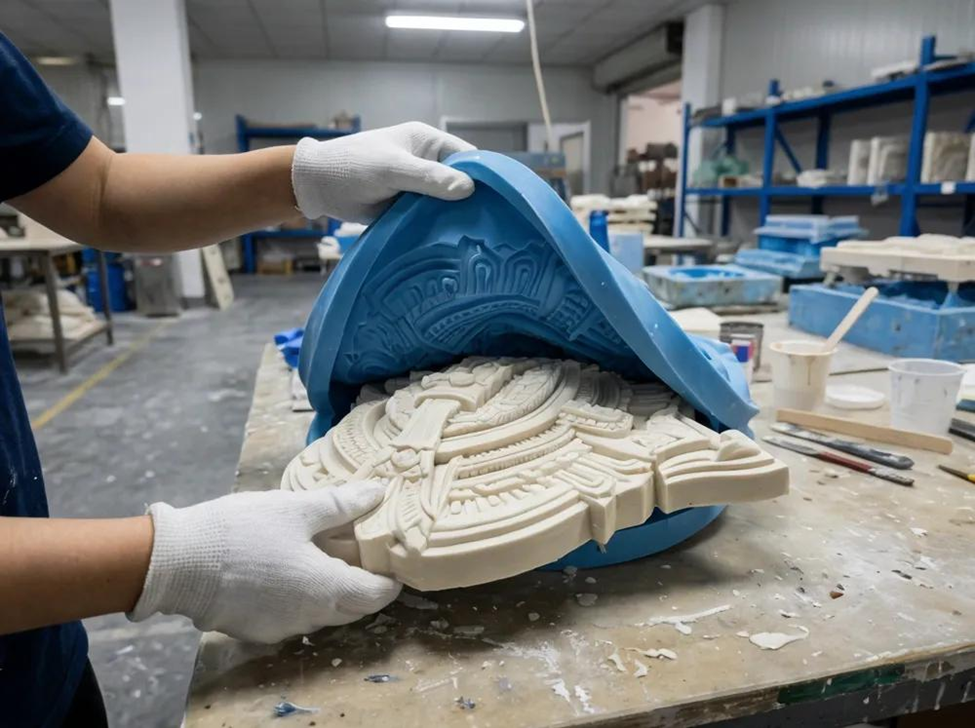
Once the master is approved, the mould becomes the tool that everything downstream depends on, and it needs to be treated that way for the length of the order – including any reorder that arrives long after the first shipment.
- Platinum-cure silicone tooling for fine detail, chosen because it holds sub-millimetre texture across hundreds of pulls without the mould itself distorting the design.
- A logged mould life, so the team knows roughly how many pulls a given tool can deliver before surface fidelity starts to soften, and can retire or duplicate it ahead of that point rather than after a customer notices.
- A trial cast reviewed against the master before full production starts, catching shrinkage or parting-line issues while they are still inexpensive to fix.
- Controlled storage conditions, since heat and humidity can warp silicone tooling between production runs – a real concern for brands who reorder the same resin statues a year or two after the original run.
A duplicate or archived mould set kept specifically for reorders, so a new hotel opening does not have to start the tooling process from zero.
How Is Colour Consistency Maintained Across Large Hospitality and Retail Orders?
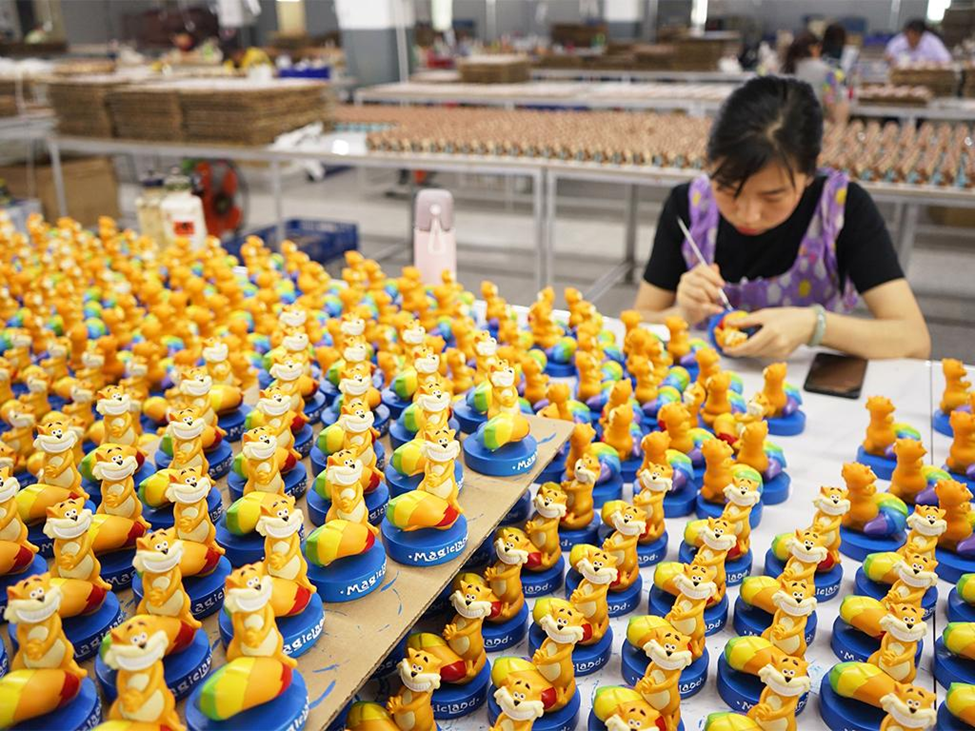
Shape consistency is only half the job. A sculpture that is dimensionally perfect but visibly off-shade next to last year’s order still reads as a mismatch on a hotel reception desk or a retail shelf, and colour is where most repeatable resin ornaments programmes actually go wrong. For painted, multi-tone pieces – common with branded resin figurines used as retail display characters – the challenge multiplies, since several pigment batches have to match across a single unit, not just across the run.
- A locked pigment formula and mixing ratio, recorded in weight rather than “by eye,” so the same brand red or matte black can be reproduced without depending on one technician’s memory.
- A physical colour reference chip kept on file alongside the approved sample, rather than relying on a digital swatch that can shift depending on the screen it is viewed on.
- Inspection under standardised, colour-accurate lighting, since the same piece can look subtly different under warm hotel lighting versus a daylight-balanced inspection booth.
- Measured tolerance checks, since colour scientists generally treat a shift beyond roughly 1.5 to 2.0 Delta-E units as visible to the naked eye – a useful working benchmark for deciding whether a batch passes or gets re-mixed.
- Exposure testing for the intended environment, because a piece destined for a sun-facing retail window needs a different UV-stability check than one placed in an interior hotel corridor.
Why Do Documentation Records Matter as Much as the Physical Mould?
It is easy to think of paperwork as separate from the sculpture itself, but for a repeatable edition the records are what actually make repeatability possible. For a buyer, these records answer one practical question: if a unit is damaged, a property reorders, or a licensor needs to audit consistency across partners, can this manufacturer reproduce the exact same result, or does the process start from scratch? A signed sample-approval sheet is not just a formality – it is the reference every future batch gets checked against, and it is what lets a procurement team confirm materials and finish before full production starts, rather than discovering a problem after two hundred units have already been cast. A colour reference log removes the guesswork from a reorder placed two years later. A mould maintenance record tells the next production run how many pulls that tool has already delivered, and whether it is due for retirement. Together, these documents matter just as much for a licensor overseeing branded resin ornaments across dozens of retail partners as they do for a single hotel group – they shift resin production from something that depends on one factory remembering correctly, to something a client can actually audit and trust across multiple orders, properties, and years.
Here’s how each checkpoint ties to an actual record, from first approval to final shipment:
| Production Checkpoint | What Gets Checked at This Stage | Document/Record Produced | Why This Checkpoint Matters for the Edition |
| Master approval | Proportions, texture, and undercuts on the approved master pattern | Signed master-approval sheet | Sets the single reference every future unit is measured against |
| Mould trial cast | Shrinkage, parting lines, and surface detail on the first cast from the new mould | Trial-cast inspection note | Confirms the mould reproduces the master before full production starts |
| First-off sample | Colour, weight, and finish of the very first production-ready unit | Signed first-off approval | Client sign-off point before the full run is committed |
| In-line colour check | Each pigment batch checked against the reference chip | Colour reference log entry | Catches colour drift mid-run, before it spreads across the batch |
| Pre-shipment inspection | Finished unit checked against the approved sample | Pre-shipment QC report | Final confirmation before the piece is packaged and shipped |

What Should Buyers Look for When Comparing Resin Sculpture Manufacturers?
For a buyer expecting more than one order – whether that is a multi-property rollout this year or a reorder two years from now – the choice of manufacturer matters more than the price on a single quote. A few questions tend to separate a supplier who can hold an edition together from one who can only deliver a good first piece:
- How masters are approved – ask whether the master pattern is measured, photographed, and formally signed off before tooling starts, or whether that step is left informal. A manufacturer with no sign-off record has no fixed point to check future units against.
- How mould life and storage are tracked – a supplier should be able to say roughly how many pulls a mould has left and how tooling is stored between runs, since a reorder eighteen months later depends on that mould still being usable, or on a duplicate having been kept.
- How colour is documented, not just matched – look for a locked pigment formula recorded in weight and a physical colour reference chip on file, rather than a promise to match an old photo or a digital swatch by eye.
- What gets shared at each checkpoint – a manufacturer confident in its process will show sample-approval sheets, trial-cast notes, and inspection reports as a matter of course, not only when asked.
- Experience with staggered or multi-location orders – ask for examples of the same design shipped across multiple properties or reordered after a gap. A supplier who has never been asked to match an old order exactly may not have the archiving in place to do it.
These map directly onto the documentation covered above – the difference is asking about them during vendor selection, before the first unit is cast, rather than after a mismatch turns up on unit two hundred.
What Happens When a Hospitality or Retail Brand Needs a Reorder Years Later?
Franchise rollouts and multi-property brands rarely order everything at once. A hotel group might open its first three properties this year and its next five over the following eighteen months; a retail brand might approve a display figure for its flagship store, then reorder the same resin statues for forty additional locations once the concept proves out. This is exactly where masters, moulds, and colour records earn their keep – archived correctly, they let a manufacturer reproduce a design without re-approving it from scratch, and without the visible drift that comes from eyeballing a match against an old product photo. This is also why the vendor-selection questions above matter: a supplier that cannot describe its archiving process for masters and colour standards is unlikely to have one. Reviewing examples across Pegasus’ completed resin sculpture projects shows how this approach plays out over multiple, staggered order cycles for the same client.

1. How many units can a single resin mould produce before quality drops?
It depends on detail level and silicone grade, but platinum-cure tooling used for fine detail work can typically deliver several hundred consistent pulls before surface fidelity needs to be checked against the master and the mould potentially retired or duplicated.
2. Can two production runs made a year apart really match in colour?
Yes, provided the pigment formula was recorded in exact mixing ratios and a physical reference chip was kept on file – matching purely from memory or an old photo is where most year-later mismatches happen.
3. What information should we send before commissioning a repeatable resin edition?
Reference images or a 3D file for the intended resin figurines or statues, the quantity expected across the full programme rather than just the first order, the installation environment for each location, and any existing colour or brand standards the piece needs to match.
4. Are resin sculptures suitable for both indoor retail displays and covered hospitality spaces?
Resin performs best indoors or under cover; UV-stabilised formulations resist yellowing for a long time, but manufacturers generally recommend alternative materials for uncovered, direct-sun outdoor placement over many years.
5. Can a manufacturer handle a reorder for a new location without the original packaging or paperwork?
A manufacturer that has archived the master, mould, and colour reference can, but it depends entirely on what was recorded at the time of the original order – which is why documentation is worth requesting upfront, not after the fact.
A repeatable resin edition is really a documentation system with a sculpture attached to it. The master defines what “correct” looks like, the mould protects that definition across every pull, and the colour record keeps the finish honest whether the order ships this month or is reordered for a new property two years from now. Hospitality groups and retail brands that ask about all three before committing to a manufacturer tend to avoid the costliest version of this problem: a rollout that looks slightly different property by property, or a reorder that reads as a redesign.
Planning a resin programme that has to hold up across multiple properties or store locations? Contact the Pegasus team and talk through your edition size, timeline, and installation environments early – before production starts, while there’s still room to plan the masters, moulds, and colour standards around them.