
- Home
- Categories
- Fiberglass
Custom Fiberglass Sculpture Manufacturer & FRP Statue Factory
Pegasus is a fiberglass sculpture manufacturer producing custom fiberglass sculptures, fiberglass statues and FRP sculptures for commercial developments, theme parks, hospitality spaces, landscapes and public art projects. Our team supports 3D development, mold making, FRP lamination, internal structural reinforcement, custom finishes, quality inspection, export packaging and installation planning.
- Advanced FRP Composites
- 5-Axis CNC Prototyping
- LCL Global Transit
Why FRP is the Premier Choice for High-End Sculptures.
Fiberglass-reinforced plastic (FRP) gives commercial sculpture projects a practical combination of lower structural weight, design flexibility and a wide range of surface finishes. As an experienced fiberglass sculpture manufacturer serving custom B2B projects, Pegasus uses FRP for oversized displays, branded installations, fiberglass statues, abstract forms and large outdoor sculptures where weight, complex geometry, transport requirements or installation conditions can influence material selection.
● MICRO-LEVEL DETAIL REPLICATION
FRP molding can reproduce fine surface detail from an approved master model, making it suitable for character sculptures, themed objects, figurative work and complex decorative forms.
● HIGH STRENGTH-TO-WEIGHT PERFORMANCE
FRP can create large visual forms at substantially lower weight than many cast or solid materials. For commercial projects, this can simplify handling, transport, elevated placement and some installation requirements, subject to project-specific structural engineering.
● OUTDOOR MATERIAL OPTIONS
For exterior FRP sculptures, resin selection, laminate design, internal reinforcement, coatings, drainage and maintenance should be specified around the installation environment. UV exposure, coastal conditions and public interaction should be considered before production.
● VERSATILE SURFACE FINISHES
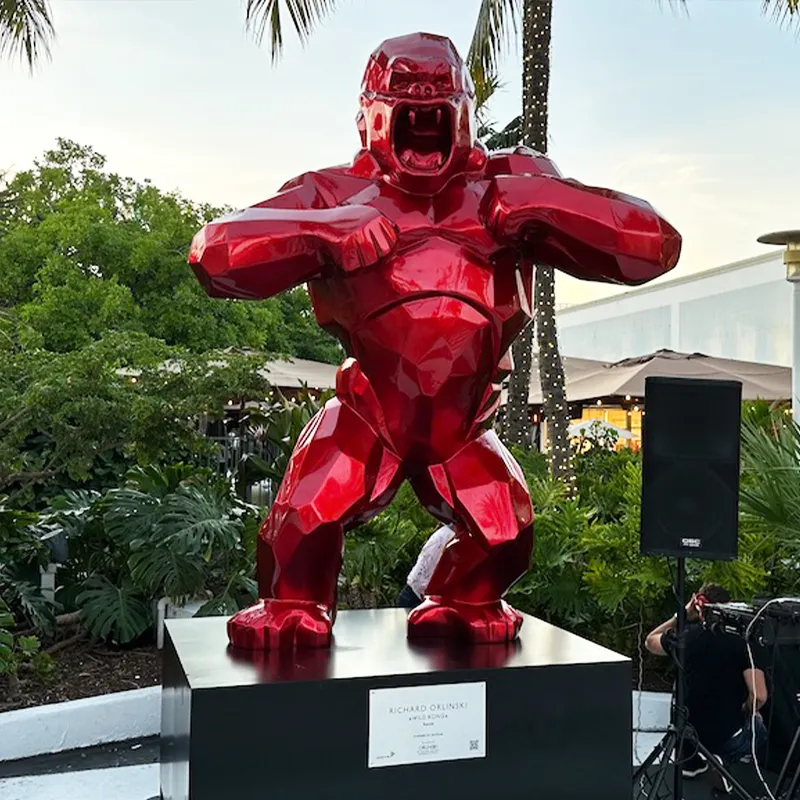
Fiberglass sculptures can be finished in high-gloss, matte, metallic-effect, stone-effect, faux-bronze and other project-specific coatings, allowing the visual language to be coordinated with architecture, branding or landscape design.
Manufacturing Capabilities by Form, Scale & Finish
By Form & Subject
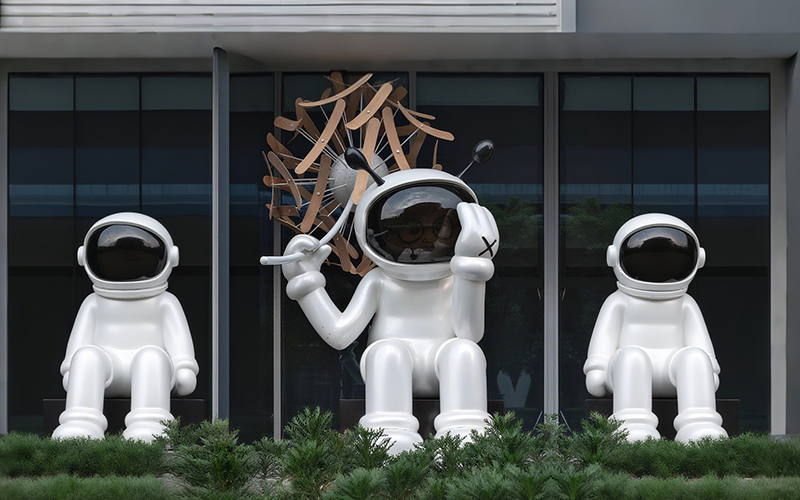
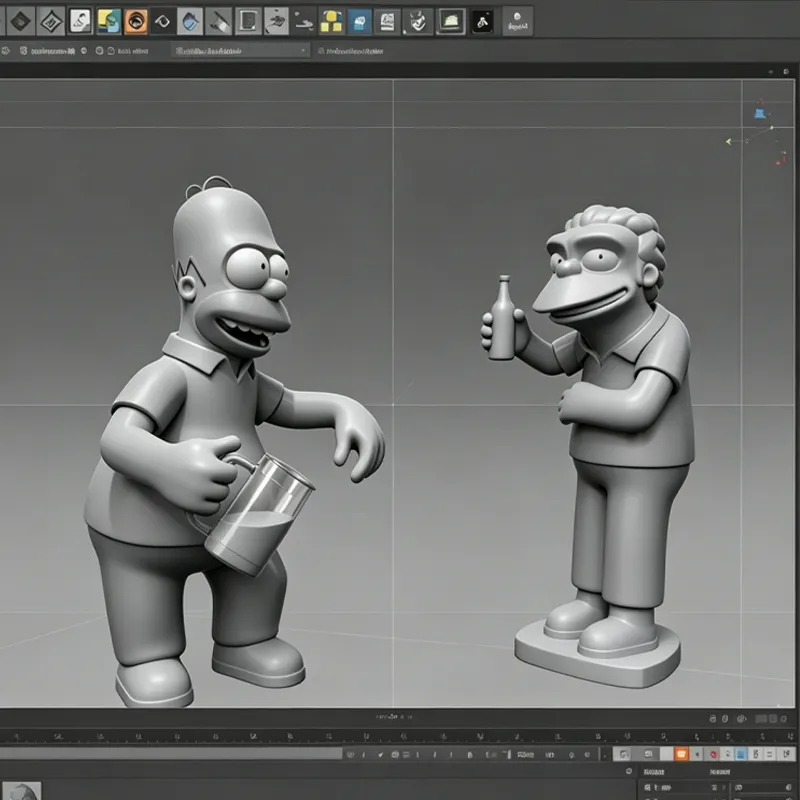
Brand IP & Mascots
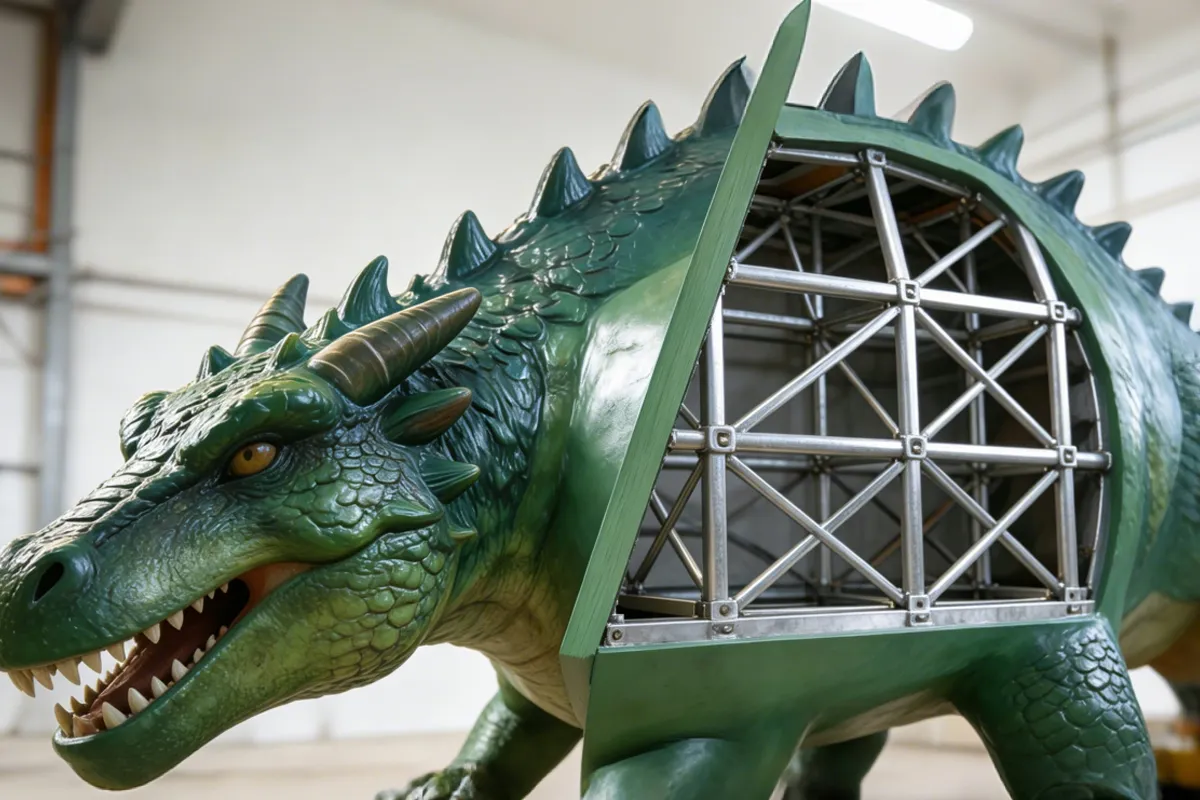
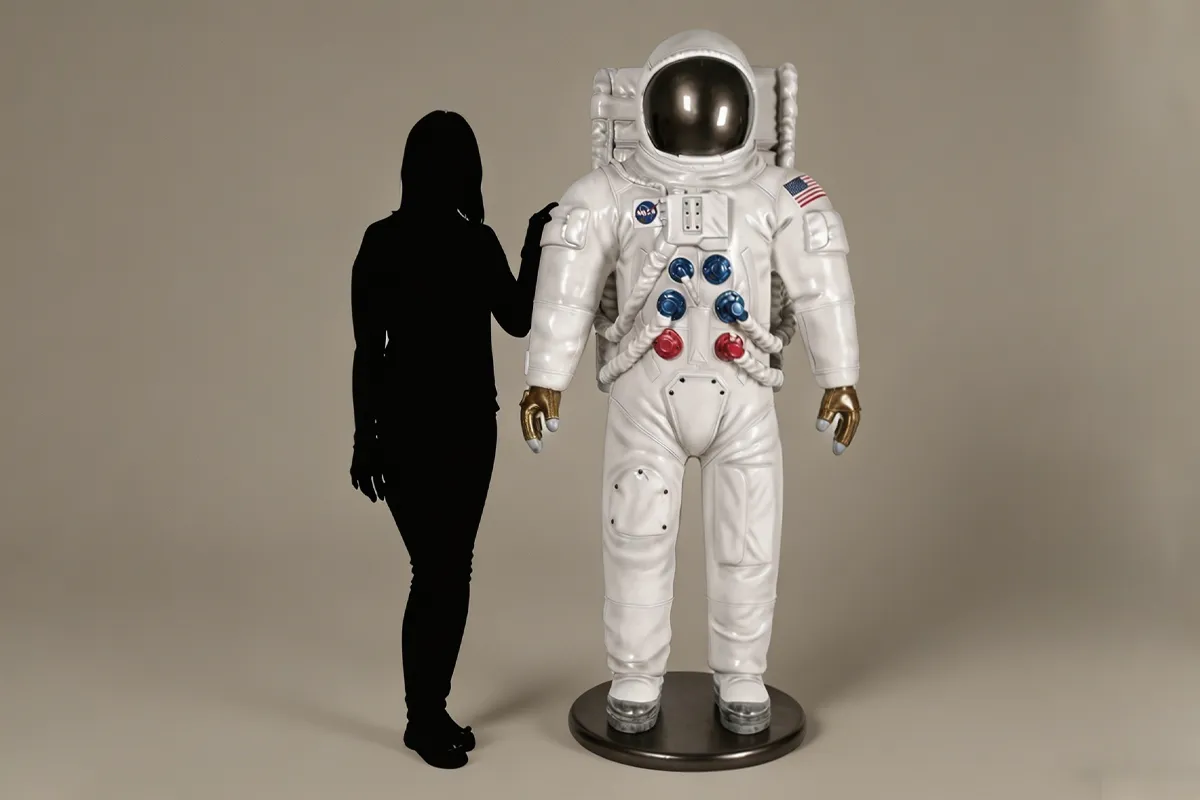
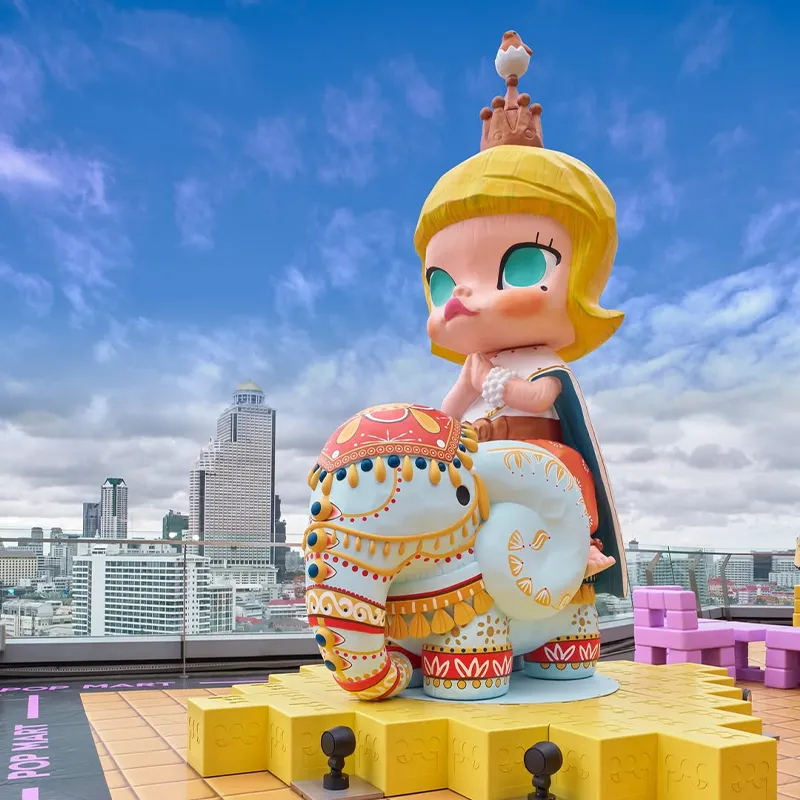
Oversized Props
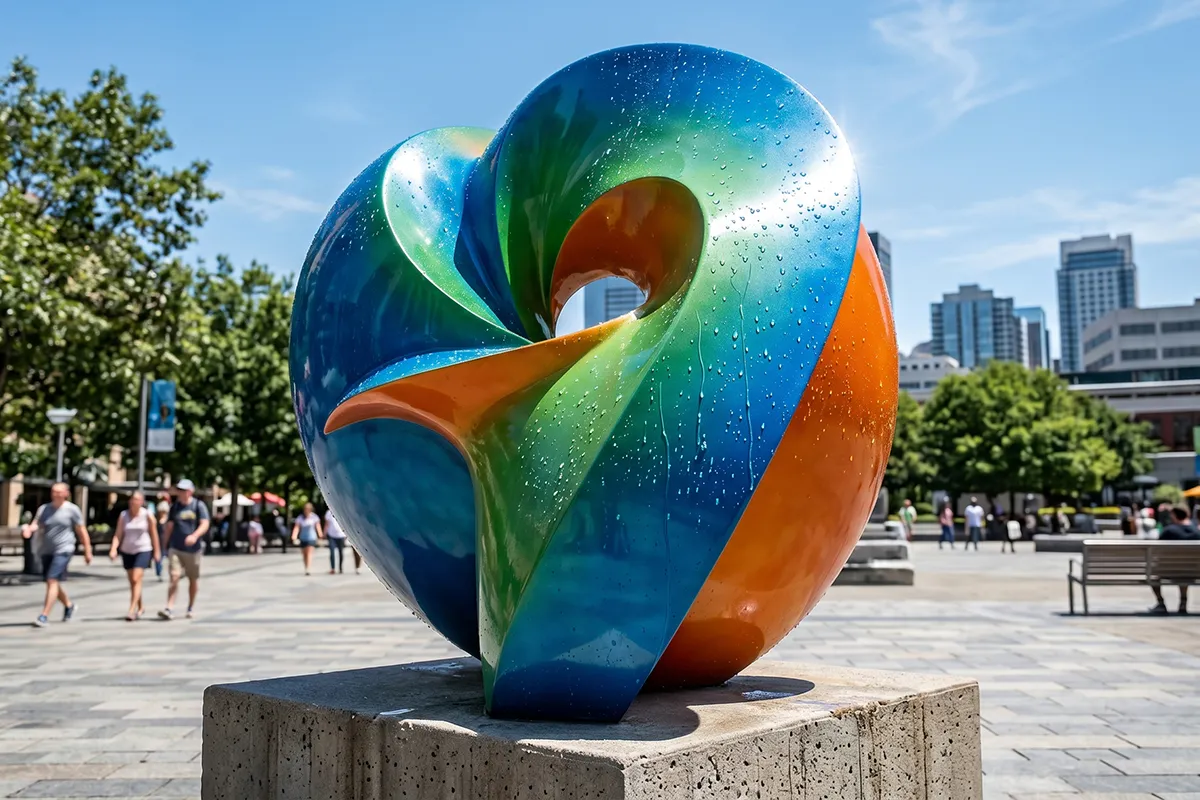
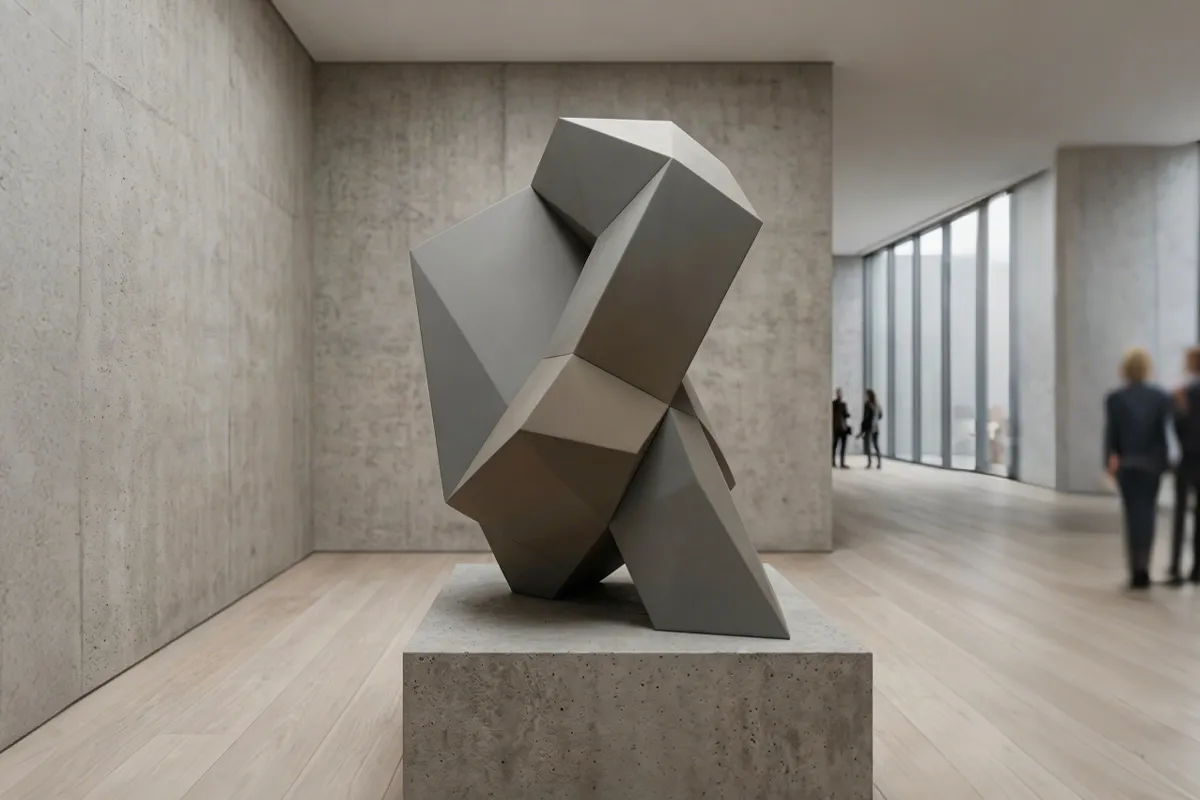
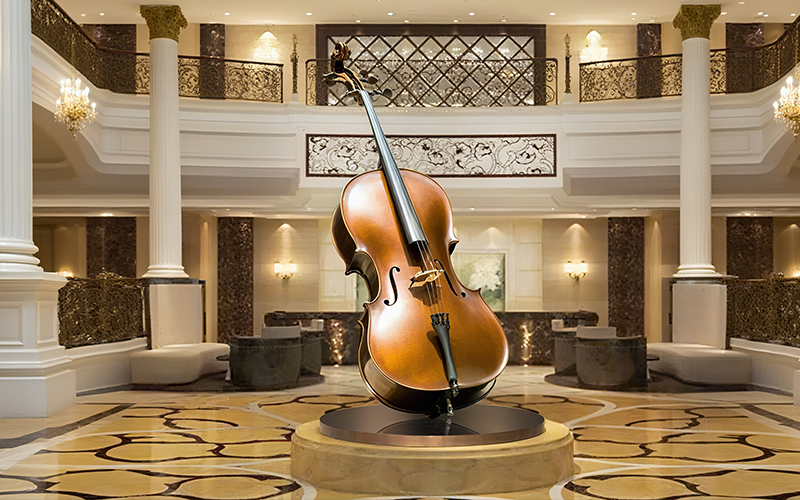
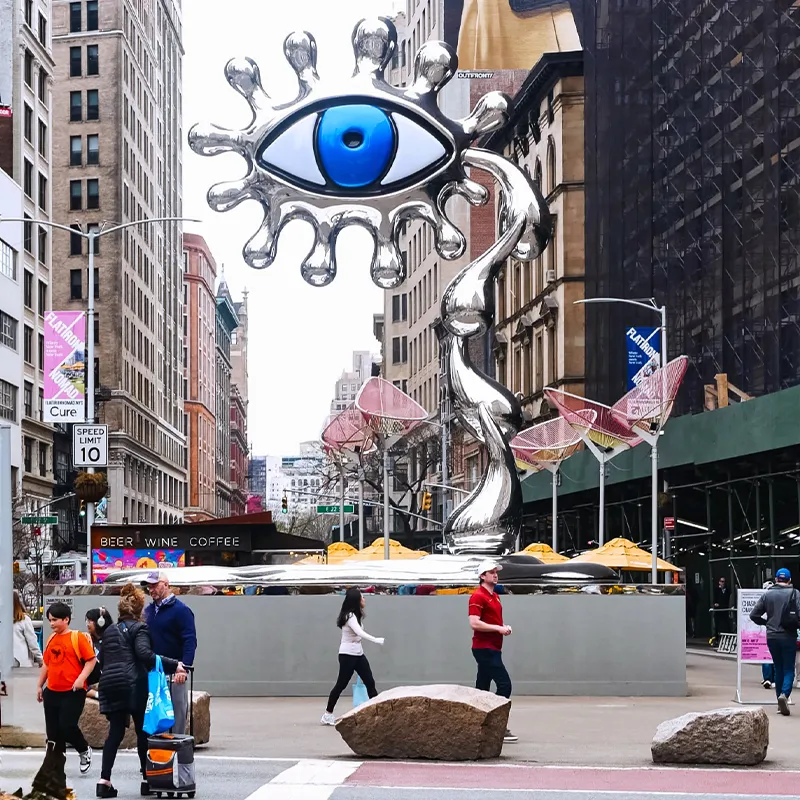
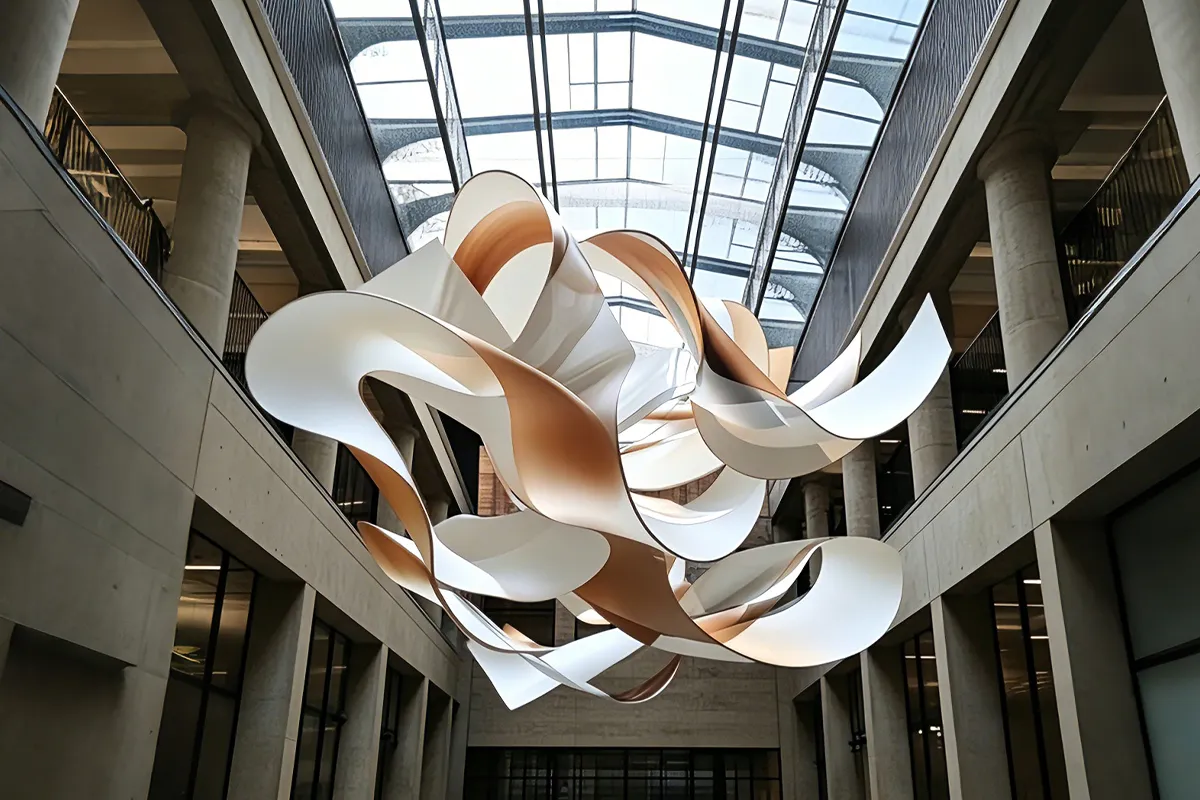
Modern Abstract
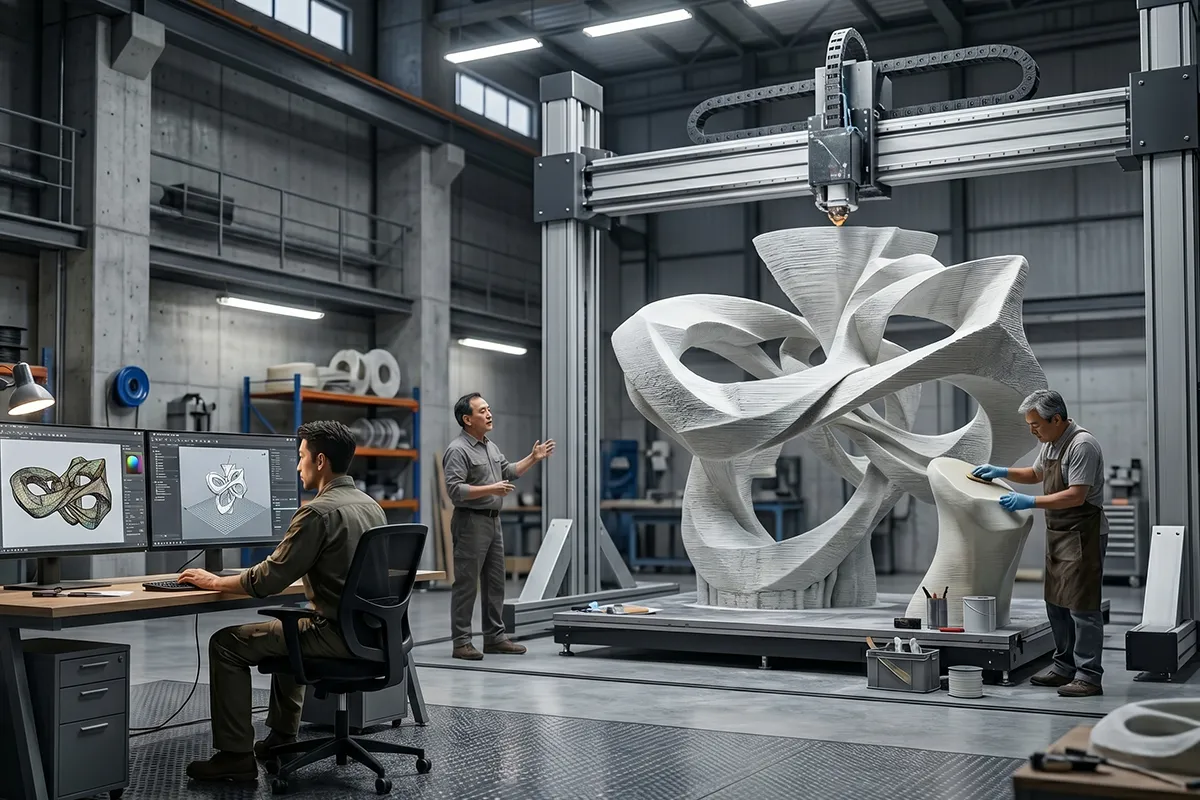
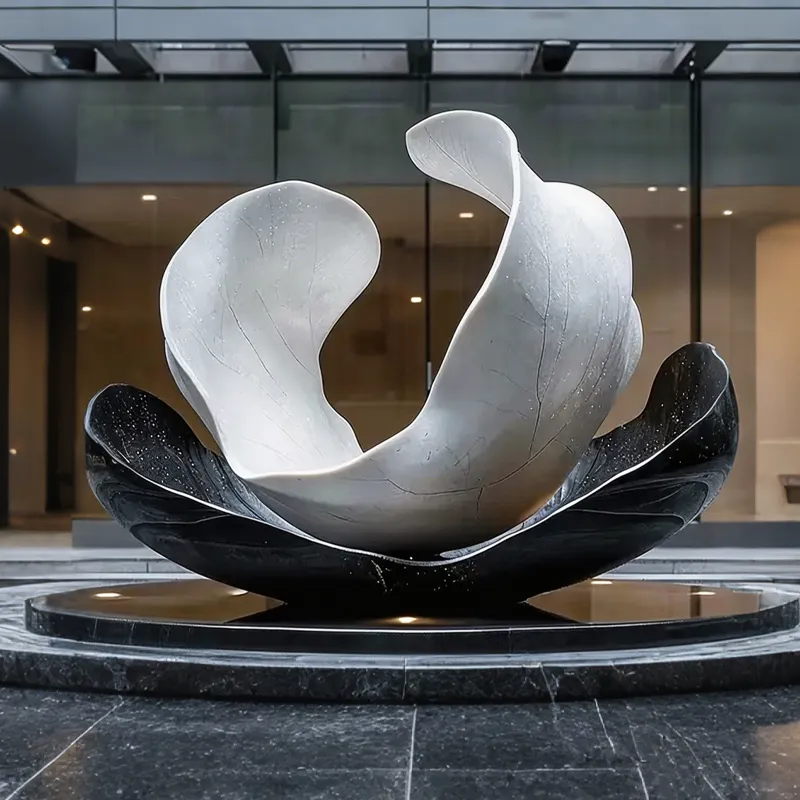
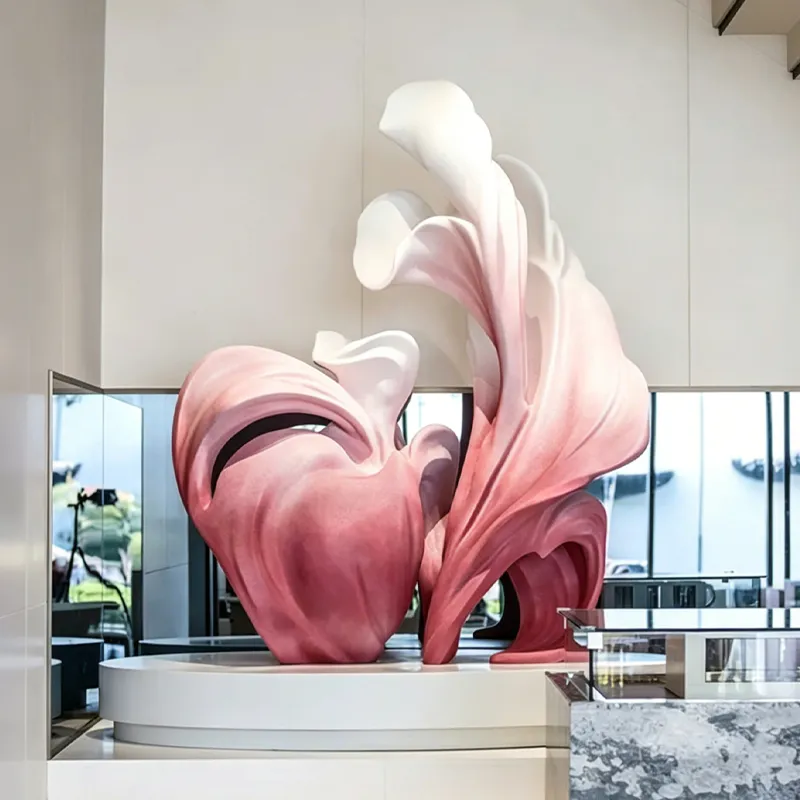
Complex Topological Structures and Fluid Spatial Curves Defying Traditional Molding Limits During Custom Sculpture Fabrication.
Hyper-Realistic Nature & Bionics
FIBERGLASS STATUES FOR COMMERCIAL & THEMED ENVIRONMENTS
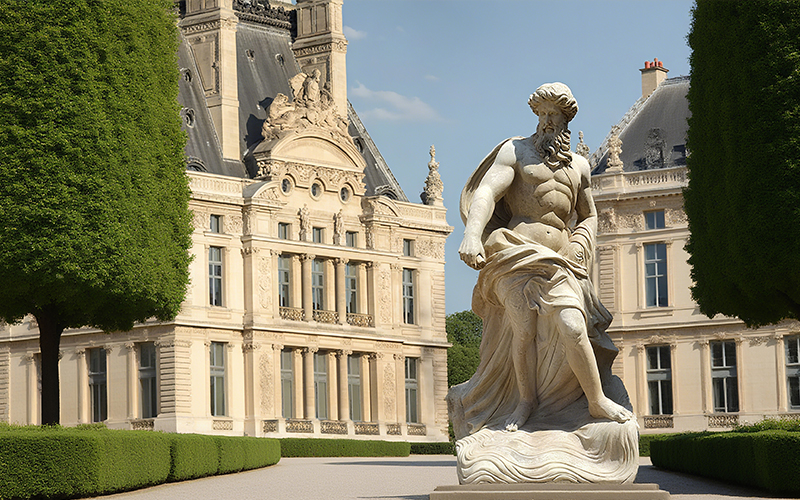
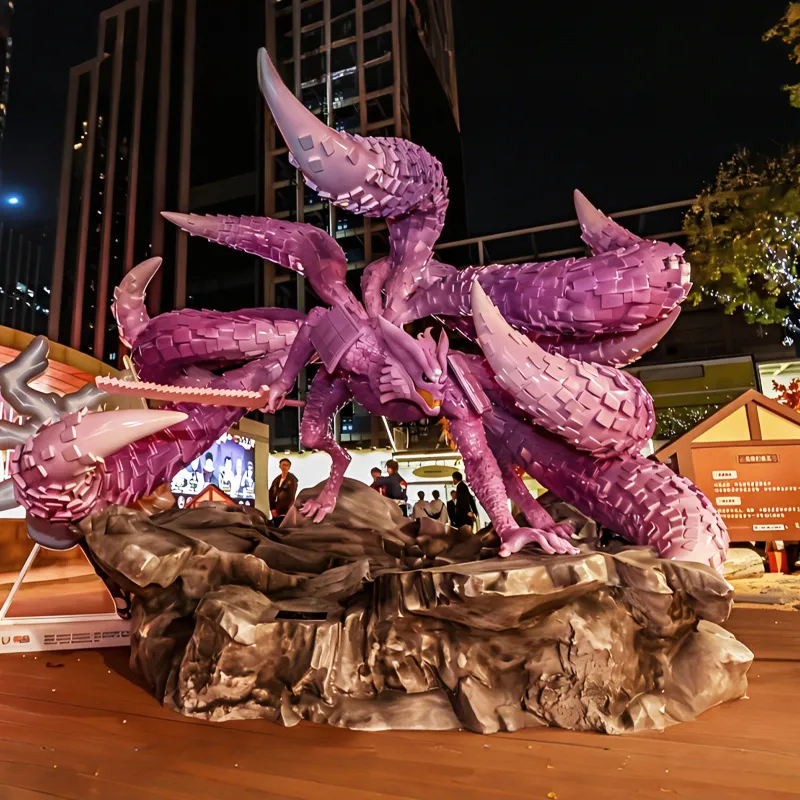
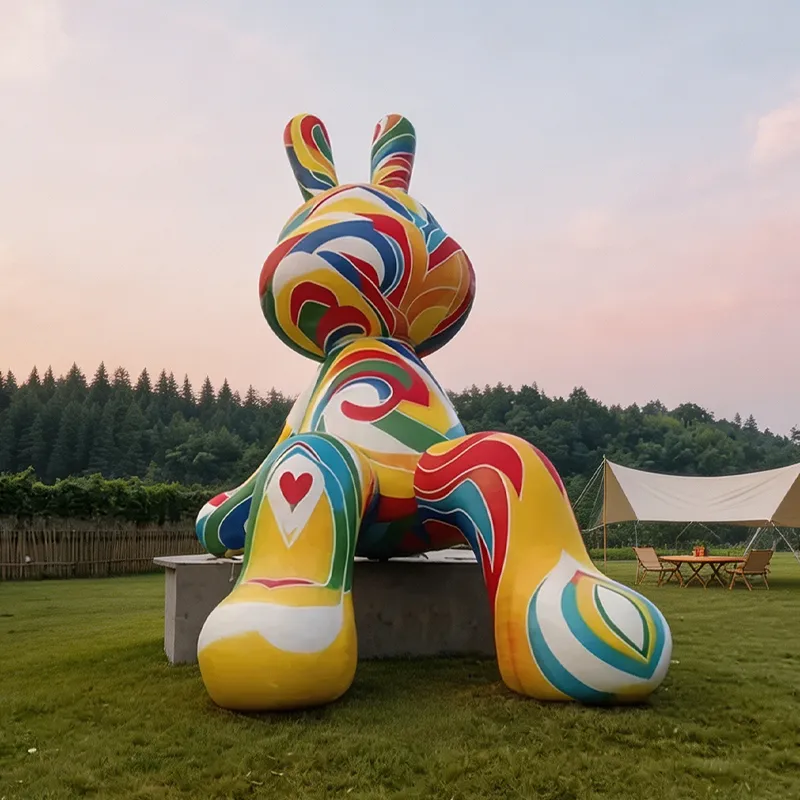
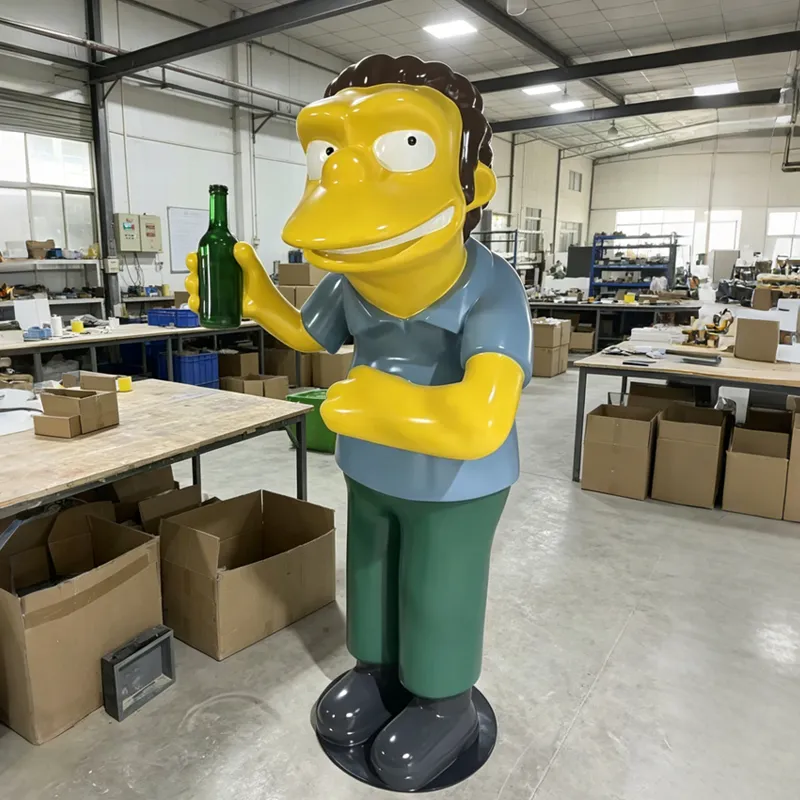
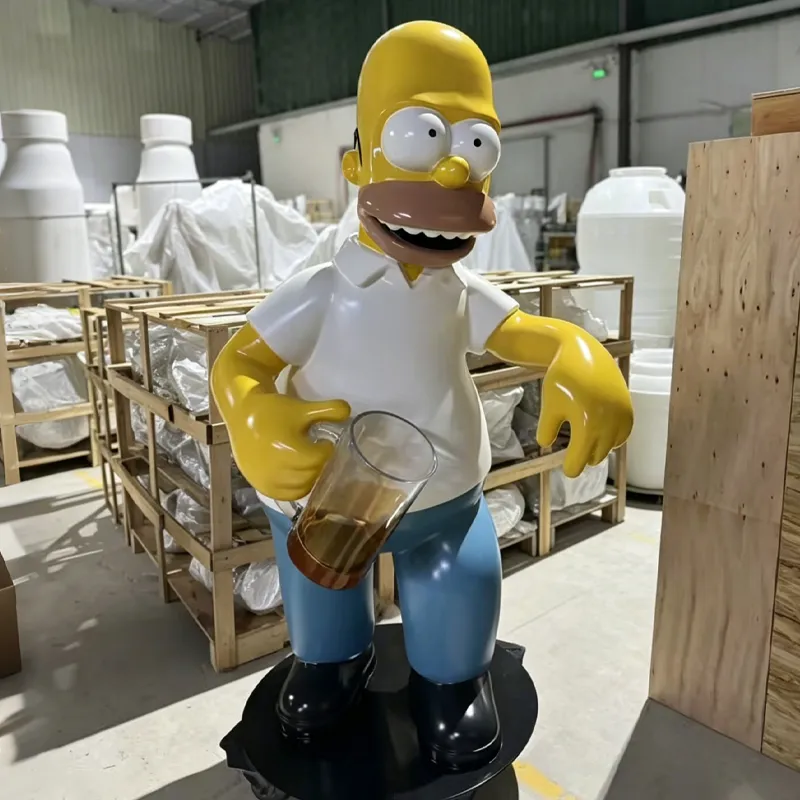
Fiberglass statues are well suited to projects that need expressive shapes, detailed surfaces and lower structural weight than many traditional solid materials. Pegasus can develop fiberglass statues for mascots, characters, animals, themed attractions, retail displays, hospitality spaces and public-facing commercial environments. Each fiberglass statue can be developed from a supplied 3D model, maquette, drawing or approved concept, with the scale, internal support, surface finish and installation method coordinated around the final site. For repeat projects, an approved master and mold system can also help maintain consistency across multiple units.
By Environment & Engineering Grade
Indoor Commercial Grade
Outdoor Landscape Grade
Theme Park Heavy-Duty Grade
By Scale & Assembly Logic
Desktop & Collectible Scale
High-precision molded fiberglass for complex miniature dimensions, serving as the perfect high-fidelity complement to our monumental FRP installations.
Life-Size Seamless Casting
Monumental Modular Knock-Down
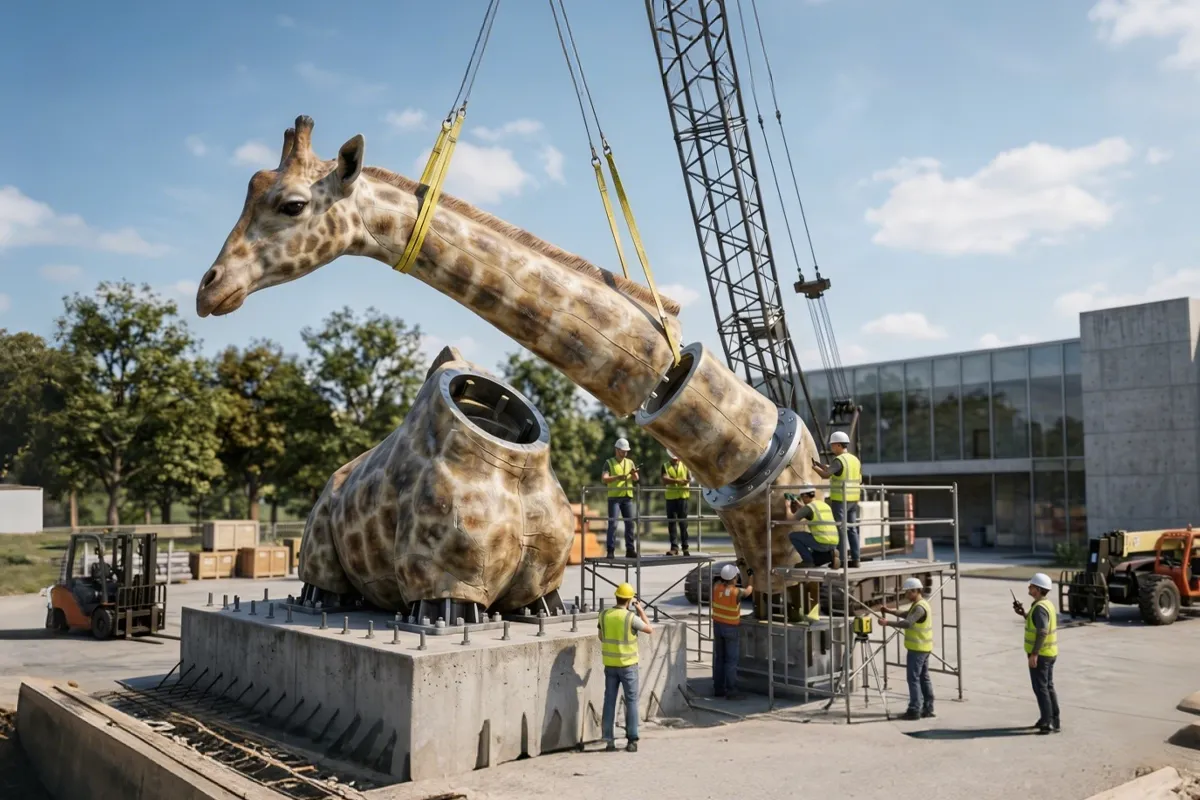
Flange-Segmented Designs for Ultra-Large Structures, Dramatically Reducing Ocean Freight Volume and On-Site Rigging Complexity.
By Surface Finish Engineering
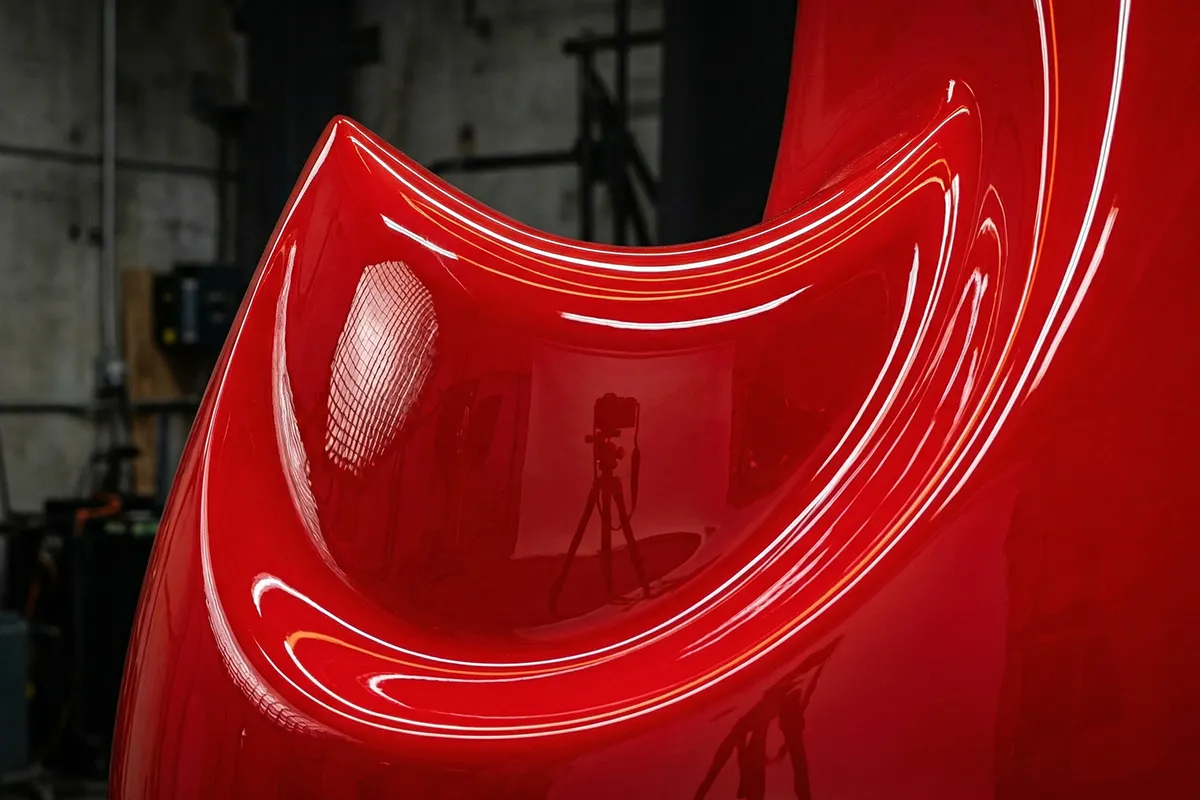
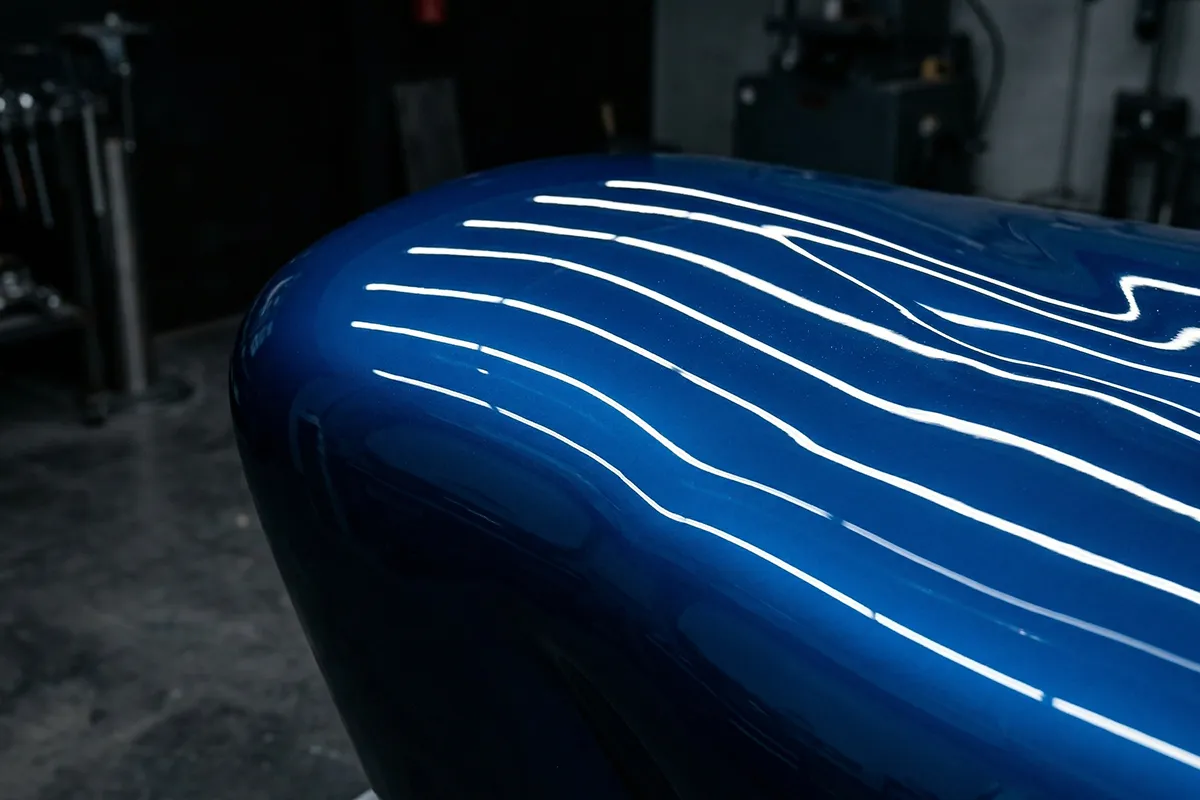
Automotive High Gloss Polyurethane
Premium Matte & Low-Reflectivity
Lightweight Faux Metallic Finish
FIBERGLASS SCULPTURE PRODUCTION OPTIONS
ONE-OFF CUSTOM PROJECTS
For landmarks, themed environments and bespoke commercial installations, Pegasus can develop a project-specific master model, mold, structural solution and finish around one approved sculpture concept.
REPEAT & MULTI-UNIT PROJECTS
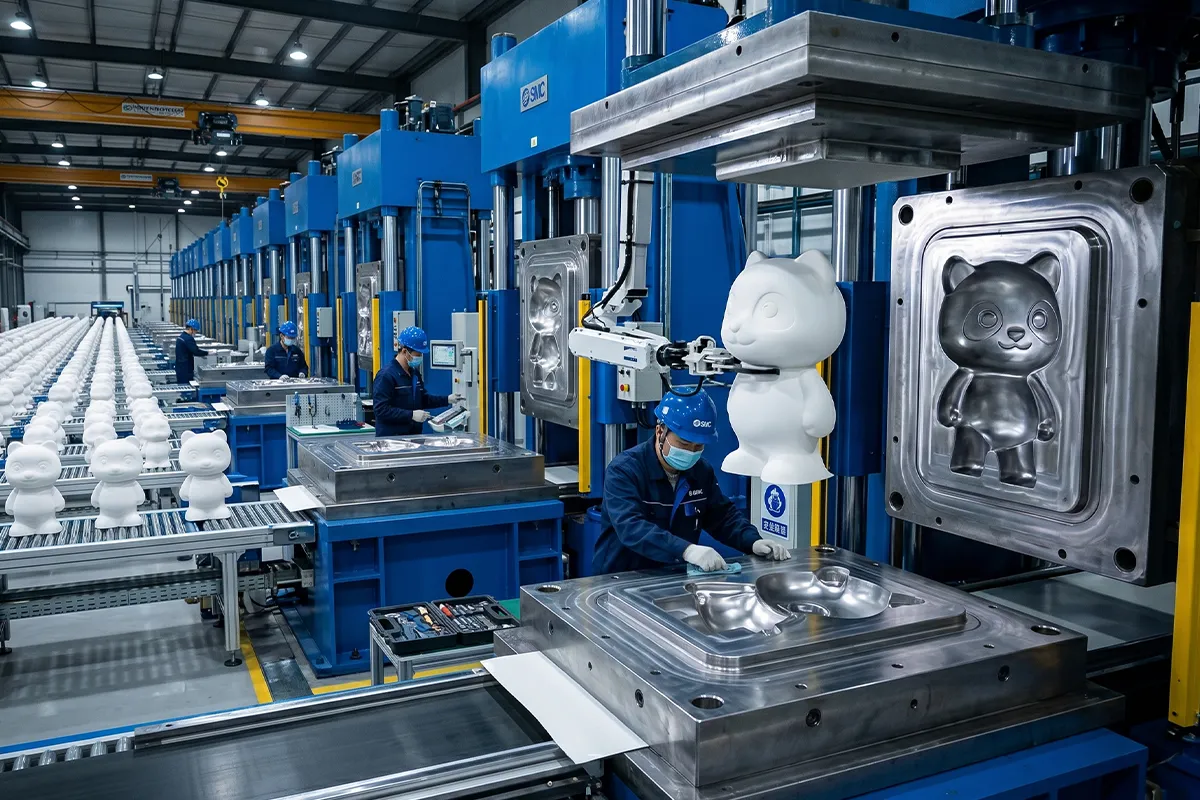
When a project requires multiple fiberglass statues or repeated branded forms, an approved master and mold system can help maintain dimensions, surface detail and finish consistency across the production run.
LARGE MODULAR FRP SCULPTURES
For oversized FRP sculptures, the form can be divided into engineered transport sections with planned connection points and internal reinforcement. This approach can reduce shipping volume and simplify handling and assembly for large commercial installations.
DIGITAL MODEL COORDINATION
3D models and CNC-produced masters help translate approved dimensions and surface geometry into the production workflow.
CUSTOM SURFACE FINISHES
High-gloss, matte, metallic-effect and realistic material finishes can be developed around the project design.
LOWER STRUCTURAL WEIGHT
FRP can reduce handling and transport demands for large sculptural forms compared with many heavier material systems.
INTERNAL REINFORCEMENT
Large fiberglass sculptures can incorporate project-specific steel reinforcement where required by scale, geometry and installation conditions.
PLANNED COMMERCIAL DELIVERY
Production, inspection, packing and installation requirements should be coordinated against the approved project schedule.
CUSTOM FIBERGLASS SCULPTURES: FROM CONCEPT TO PRODUCTION
Custom fiberglass sculptures should be engineered around the approved design, site conditions and installation requirements rather than adapted from a standard catalogue form. Pegasus can work from sketches, CAD files, 3D models or physical references and develop the project through digital modeling, master-model production, mold fabrication, FRP lamination, reinforcement, assembly and finishing. Before full production, key dimensions, surface details, colors and finish samples can be reviewed so the final sculpture follows the approved direction. For large or sectional work, connection points, lifting requirements and on-site assembly should be coordinated during engineering rather than after fabrication.Type your paragraph here
End-to-End FRP Manufacturing Process
Step 1: 3D Development & Master Model Planning
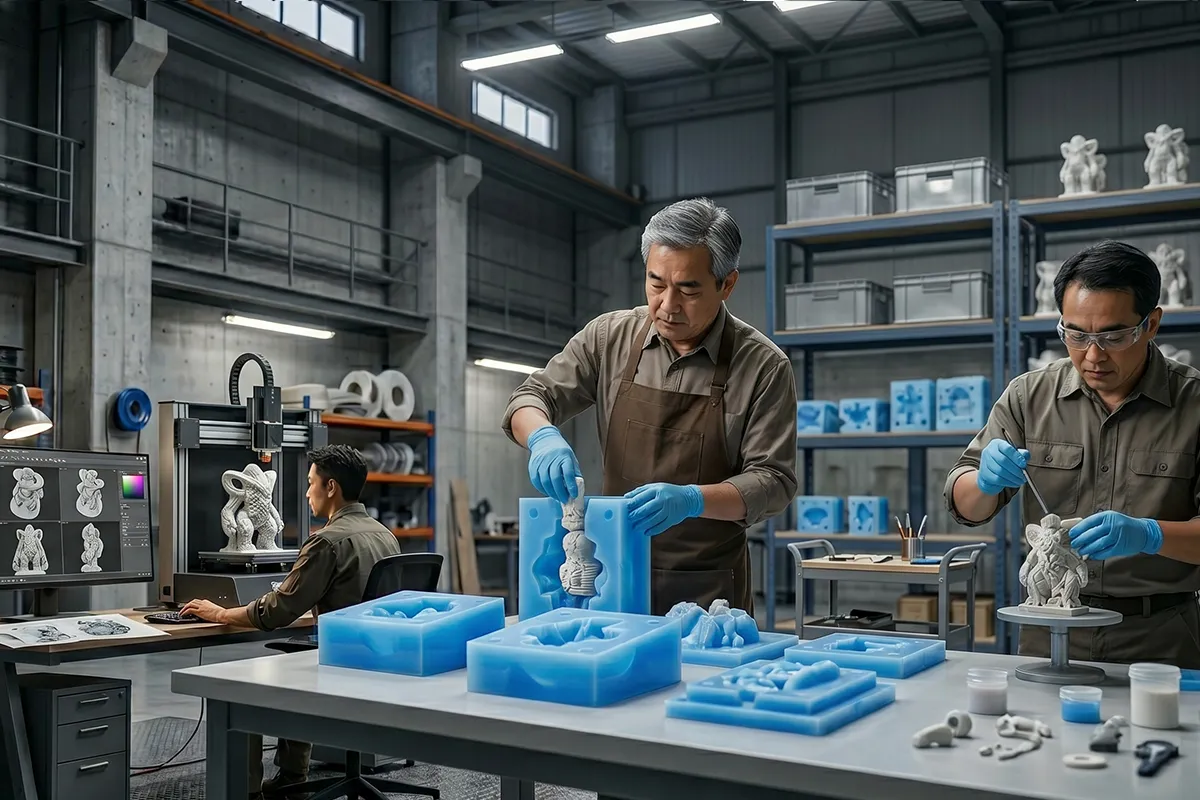
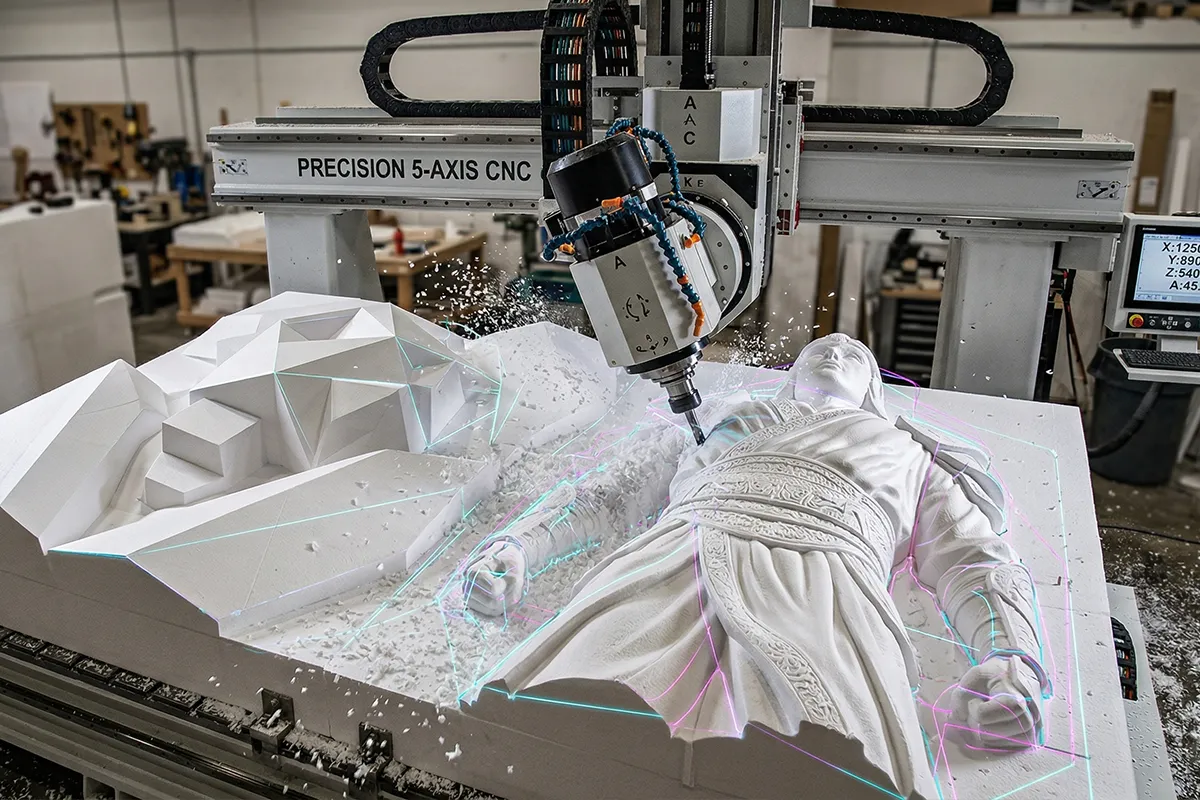
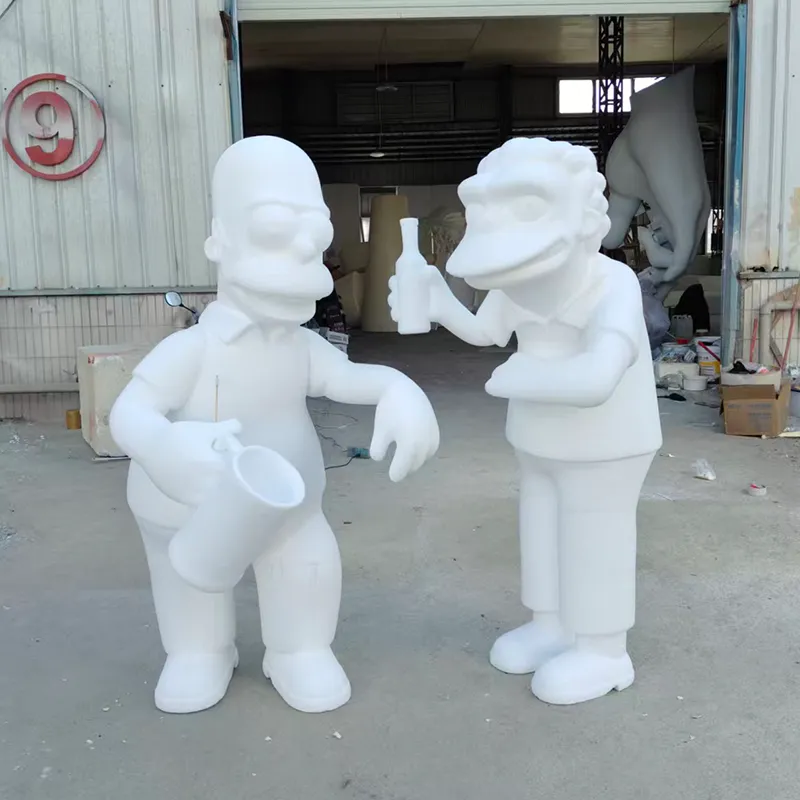
Using the client’s approved drawings, CAD files, 3D models or reference material, the design is developed into a production-ready digital model. Scale, segmentation, structural support, surface detail and site and installation requirements are reviewed before the master model or mold-making stage begins. CNC milling, 3D printing or other master-model methods can then be selected according to the project’s size, geometry and finish requirements.
Step 2: Precision Mold Fabrication
Based on the project’s complexity and scale, we develop highly detailed negative molds using premium tear-resistant silicone or rigid fiberglass. This crucial step captures the most intricate topo-logical structures and microscopic surface textures of the digital prototype.
Step 3: Internal Reinforcement & Frp Lamination
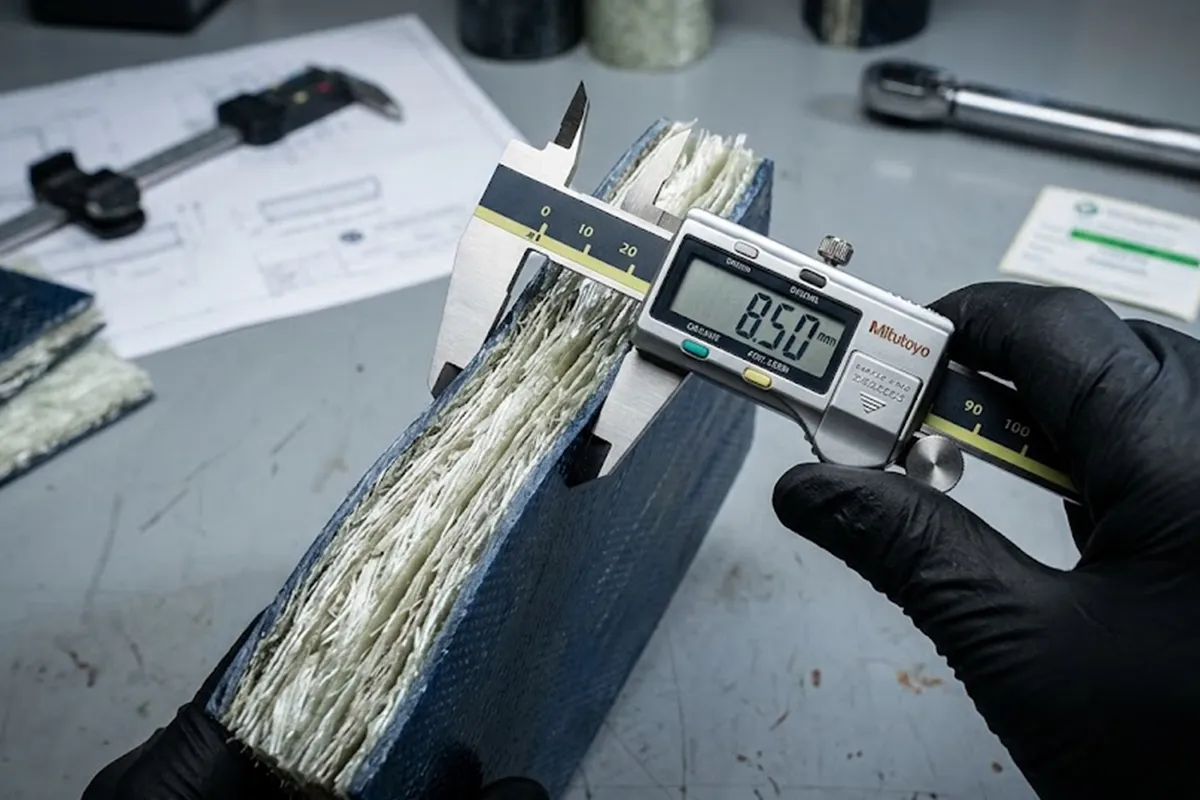
Where the sculpture’s scale, geometry or installation conditions require additional support, a project-specific internal steel armature can be incorporated. Pegasus’s standard FRP production process uses 4 layers of resin slurry and 4 layers of fiberglass mat, producing a standard finished thickness of approximately 5–8 mm. Structural reinforcement and laminate requirements are coordinated according to the sculpture’s scale, geometry and intended installation conditions.
Step 4: Seamless Splicing & Polishing
For large-scale installations, components are securely joined using internal flanges and structural adhesives. We provide weekly photo and video updates showcasing the rigorous progressive wet-sanding process, guaranteeing a flawless, pore-free canvas.
Step 5: Surface Finishing, Painting & Protective Coating
After assembly and initial surface preparation, Pegasus applies a multi-stage finishing process designed to create a smooth and even surface. The standard process includes 3 layers of primer followed by 1 topcoat, with sanding performed after each primer layer. Fine finishing uses approximately 1200–1500 grit sandpaper before the final coating stage. Depending on the approved design, the finished fiberglass sculpture can then receive the required color and surface treatment.For multi-color fiberglass sculptures, Pegasus uses a double-masking process, combining approximately 3–5 cm masking tape with 2 mm fine masking tape for detailed edges. This helps create clean color separation, minimize paint bleeding and maintain smooth transitions between adjacent colors.Pegasus uses marine-grade branded paint for its standard fiberglass finishing process, selected for resistance to oxidation, corrosion, high temperatures, yellowing and weather exposure. A final UV-protective clear coat provides an additional protective layer against environmental conditions including salt spray, humidity, dust, temperature changes and mild acidic or alkaline exposure. Final coating requirements should still be considered according to the sculpture’s intended installation environment.
Step 6: Quality Inspection, Packing & Shipping
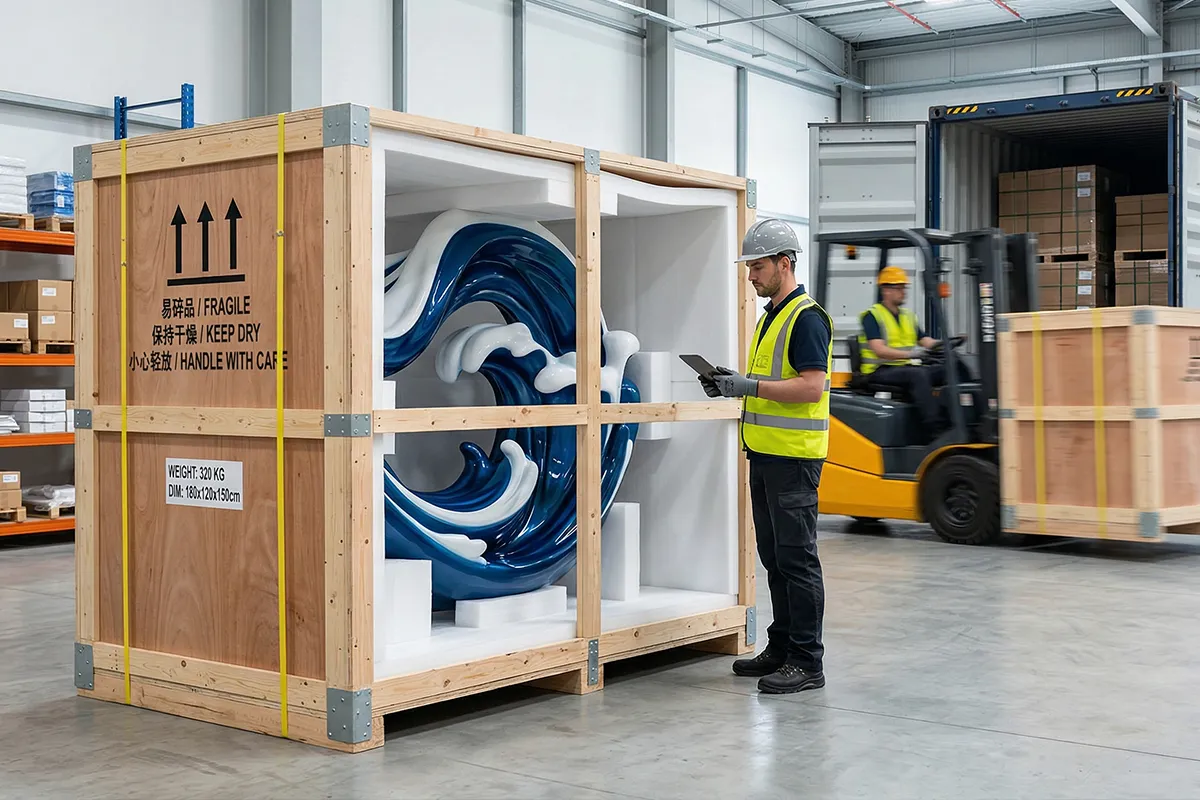
Before packing, the completed sculpture is checked against the approved dimensions, assembly requirements, surface finish and visible workmanship criteria. Client review can be supported through photos, video or agreed third-party inspection where required. Protective wrapping, padded supports and reinforced export packaging are then designed around the sculpture’s shape, finish and transport method.
Engineering Excellence System
From Structural Safety to Global Delivery — Every Detail Crafted for Precision.
Structural Engineering & Safety
Lightweight Agility, Heavyweight Stability
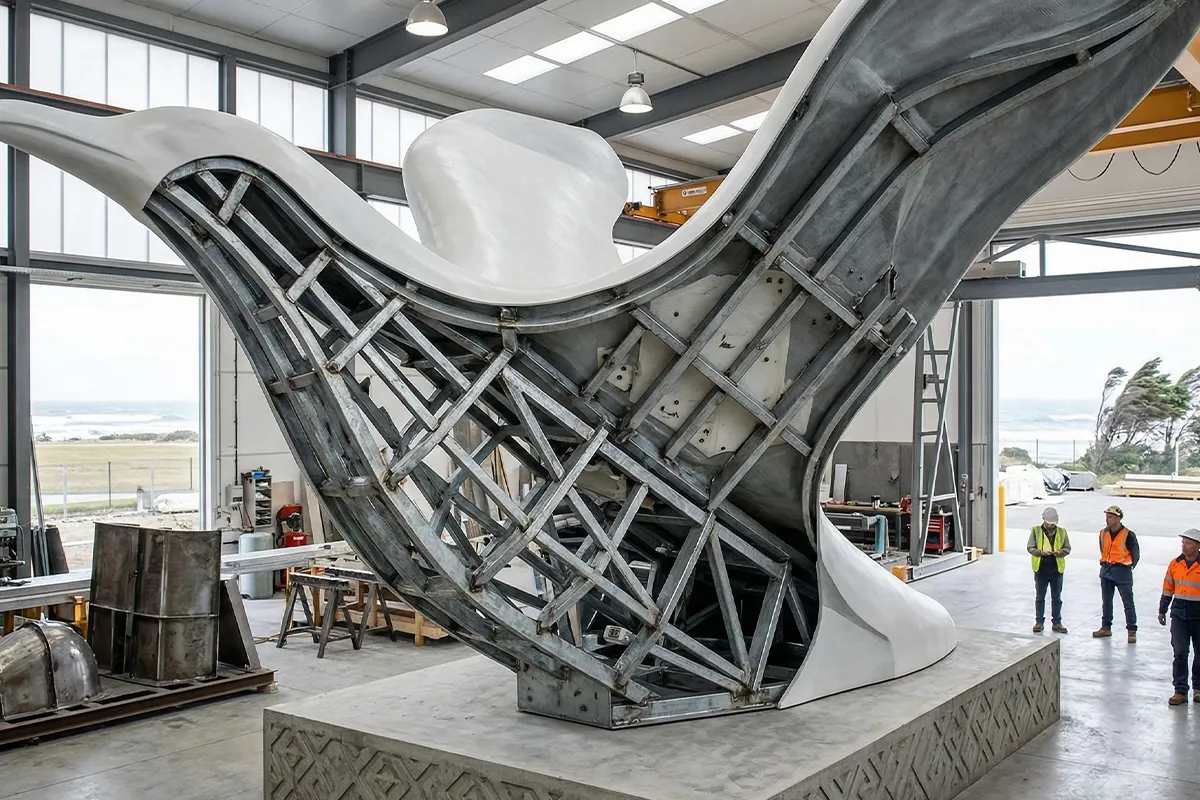
Large FRP sculptures need structural planning that reflects their geometry, overall dimensions, wind exposure, support points and installation method. Where an internal armature is required, its material, connection details and corrosion protection should be selected around the project environment. The FRP shell, reinforcement, base connection and foundation interface should be coordinated as one system before final fabrication.
Every large-scale piece features a customized Hot-dip Galvanized Steel Internal Armature. This hidden skeleton ensures maximum load-bearing capacity. even in extreme outdoor climates.
Digital Precision & Molding
Digital modeling helps coordinate the approved form before mold making begins. Depending on the source material, the production team can work from CAD files, 3D scans, digital models or physical references. CNC milling, 3D printing or hand-finished master models can then be used to create the production reference, with critical dimensions and surface geometry checked against the approved design before lamination.
Master Craftsmanship & Finishing
Surface preparation has a major influence on the appearance of a finished fiberglass sculpture. Pegasus’s standard finishing process includes 3 layers of primer followed by 1 topcoat, with sanding performed after each primer layer to progressively refine the surface. Fine finishing uses approximately 1200–1500 grit sandpaper to help achieve a smooth and even surface before the final coating process. This controlled preparation is particularly important for high-gloss fiberglass sculptures, where reflected light can make surface irregularities, waves or joint lines more visible.
Material Integrity & Traceability
Commercial-Grade FRP & High-Impact Shells
Pegasus’s standard FRP construction uses 4 layers of resin slurry and 4 layers of fiberglass mat, with a standard finished thickness of approximately 5–8 mm. The final material specification should also consider the sculpture’s scale, geometry, intended environment and installation requirements. Indoor displays, outdoor landscapes, public-contact installations and large structural forms may require different reinforcement, coating or performance considerations. Where a project requires specific fire-performance certificates or other compliance documentation, those requirements should be confirmed before production begins.
Global Logistics & Installation
Large fiberglass sculptures may be shipped as complete pieces or divided into engineered sections according to size, transport limits and site access. Packaging should protect painted surfaces, projecting details and connection areas from abrasion and movement during transit. For sectional sculptures, assembly drawings, connection details, lifting guidance and anchoring information should be prepared before shipment so the installation team understands how the work is intended to be handled and assembled.
Secure Packaging & Seamless Installation
Export Packaging & Architectural Installation. We engineer
Packaging
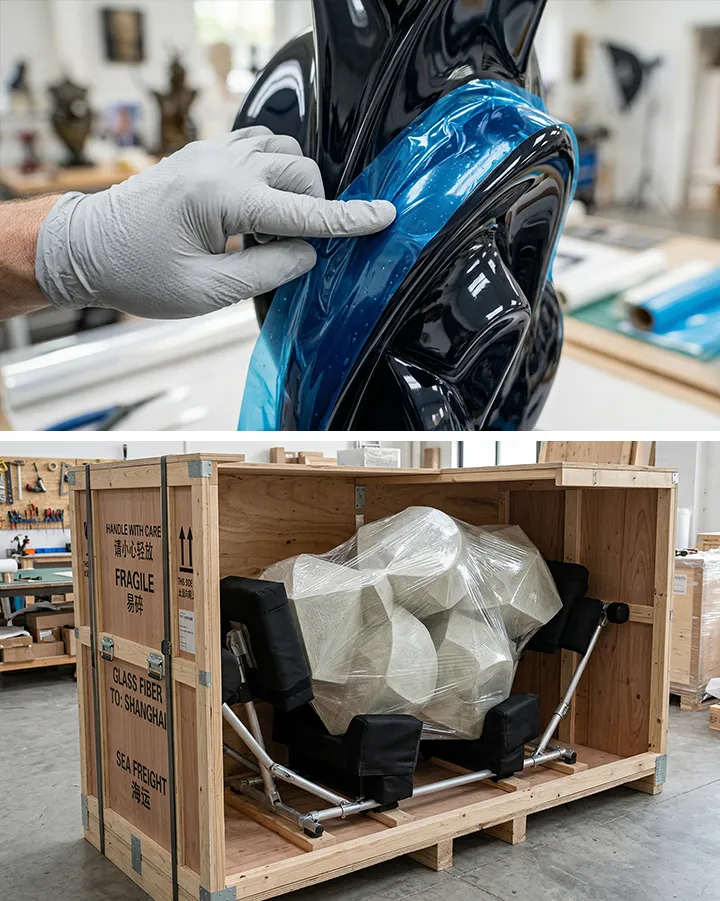
- Surface Protection (Specialized): Advanced anti-abrasion and micro-fiber protective films safeguard delicate, high-finish textures like high-gloss automotive polyurethane paint or custom faux-bronze FRP finishes, preventing scratching and tarnish.
- Articulated Cradle Support: Padded form-fitted cradles distribute weight and prevent point-loading on lightweight modular composite sections.
- Internal Stabilization (Modular): Custom foam inserts and padded blocks protect complex modular joints and internal skeletal bracing from torsion and flex during transport.
Installation
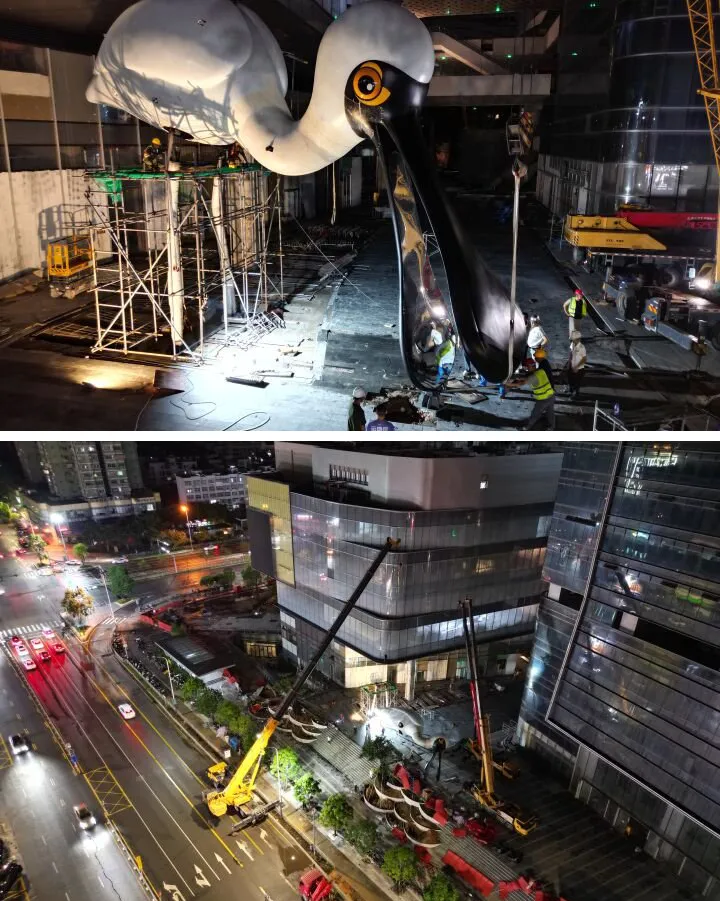
- Integrated Rigging Points: Forged, load-bearing lifting eyes and co-cured threaded inserts are designed into the modular composite structure during the engineering and casting process for secure, stress-free attachment of massive components.
- On-Site Modular Assembly Support: Specialist technicians manage the field assembly and precise jointing of large, multi-plece composite ensembles, ensuring structural integrity and precise facade alignment.
- On-Site Engineering Support: Foundation & Anchoring System: Comprehensive anchoring schematics provide detailed connection points for extreme dead-load and wind-load calculations, tailored for irregular heavy- tonnage forms.
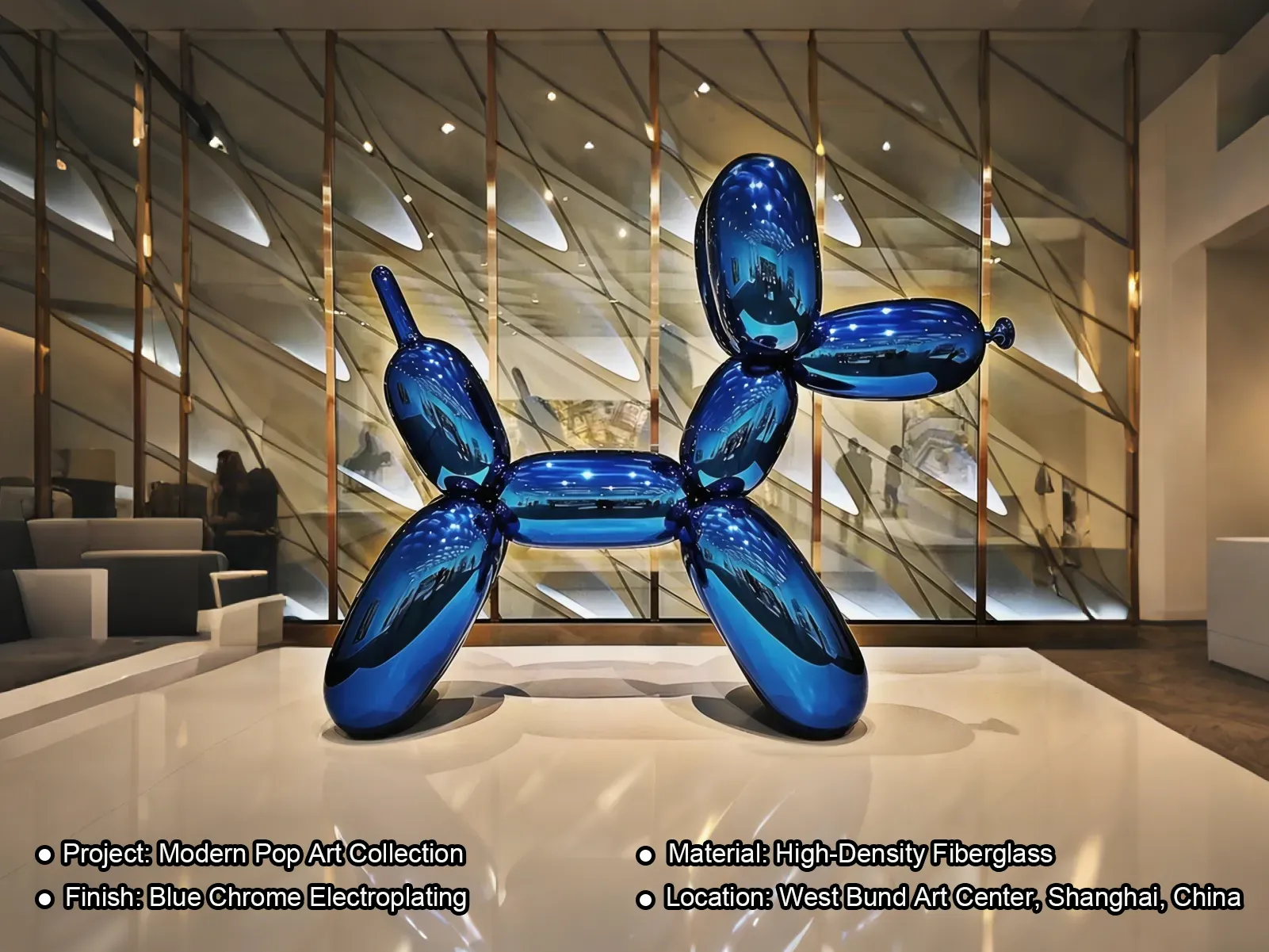
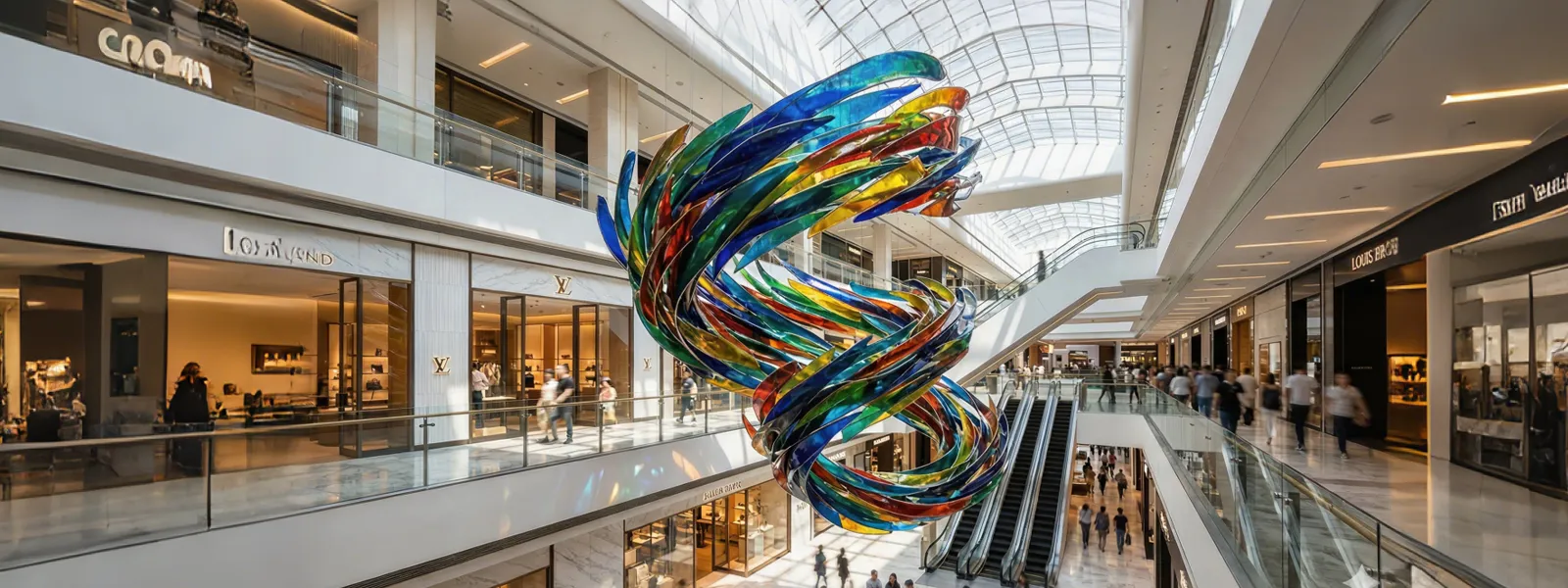
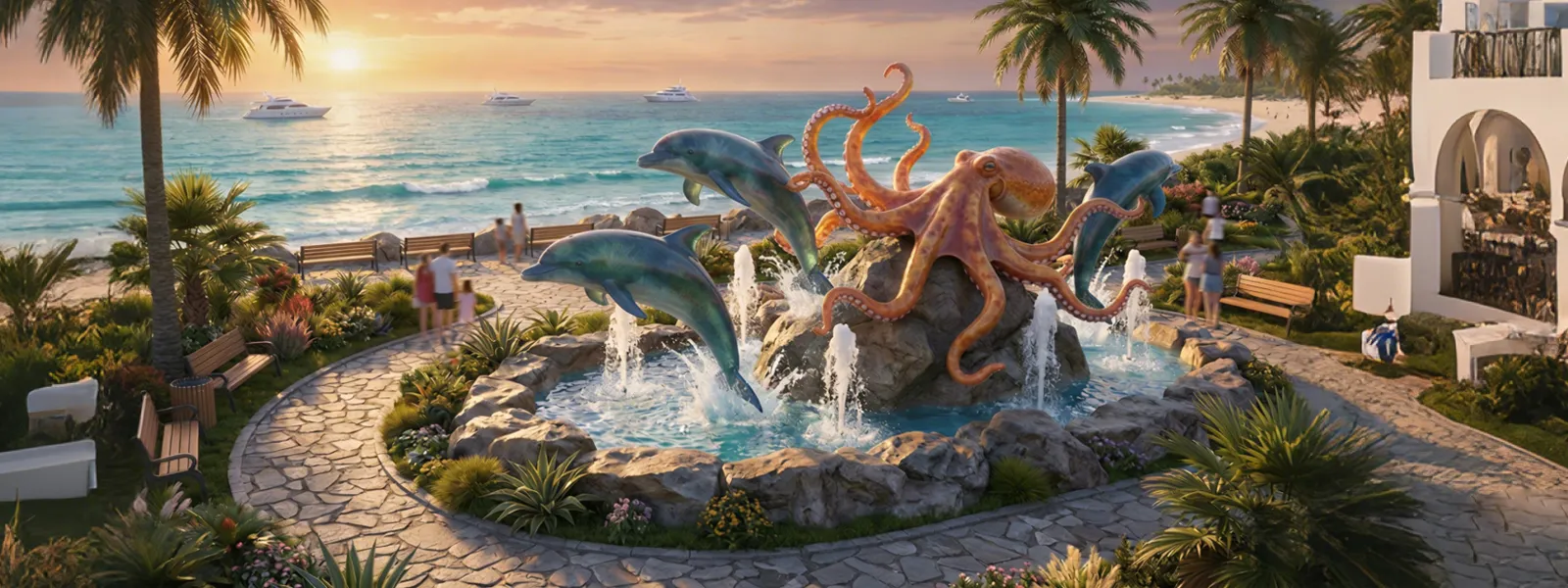
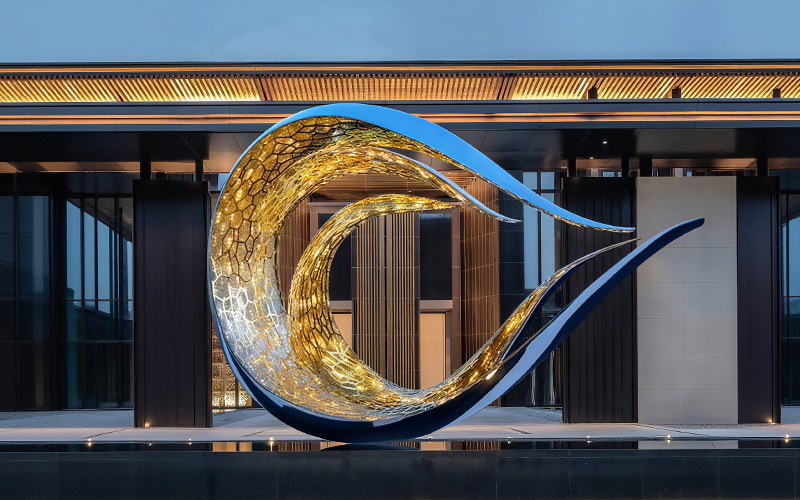
MANIFESTING INNOVATION: SIGNATURE FRP SCULPTURE INSTALLATIONS
Discover the transformative impact of our bespoke molded FRP sculptures in premier global locations.
Ready to Create an Iconic Installation for Your Space?
Let our engineers help you choose the right material, finish, and structure based on your site conditions
Product Categories
Blog Categories
Q: Is FRP durable enough for a permanent outdoor installation, and will the colors fade?
A: Yes, when manufactured correctly. We use high-grade resins and finish our FRP sculptures with multi-layered, automotive-grade fluorocarbon or polyurethane paints, sealed with UV-resistant clear coats to prevent fading and chalking under harsh sunlight.
Q: Is mold-making strictly required for FRP, and how does that affect the cost for a single piece?
A: Traditional FRP requires a mold (silicone or hard fiberglass), which can be costly for one-offs. However, for single custom pieces, we often utilize hard-coated CNC-milled EPS foam or direct industrial 3D printing as cost-effective alternatives to traditional mold-making.
Q: How much lighter is an FRP sculpture compared to metal, and what are the benefits?
A: FRP is approximately 70-80% lighter than bronze or steel. This drastic weight reduction significantly lowers your international shipping costs, simplifies rigging/installation, and often eliminates the need for expensive, heavy-duty concrete foundations.
Q: Do large FRP sculptures still require internal metal armatures?
A: FRP is approximately 70-80% lighter than bronze or steel. This drastic weight reduction significantly lowers your international shipping costs, simplifies rigging/installation, and often eliminates the need for expensive, heavy-duty concrete foundations.
Q: How do you treat the seam lines where the molds meet to ensure a smooth finish?
A: After demolding, our technicians grind down the seam lines, apply high-quality automotive body filler, and perform rigorous hand-sanding. This ensures the final painted surface is perfectly seamless, whether you choose a high-gloss or matte finish.
Q: Can your fiberglass products meet commercial fire safety ratings for indoor use?
A: Yes. If your project is for an indoor commercial space (like a mall or airport), we can cast the sculpture using specialized fire-retardant resins and gels that comply with international flame-spread standards.
Common Questions
Most Popular Questions.
We have listed some questions you may ask. If you have more inquiries about our products, you can send an inquiry to contact us.