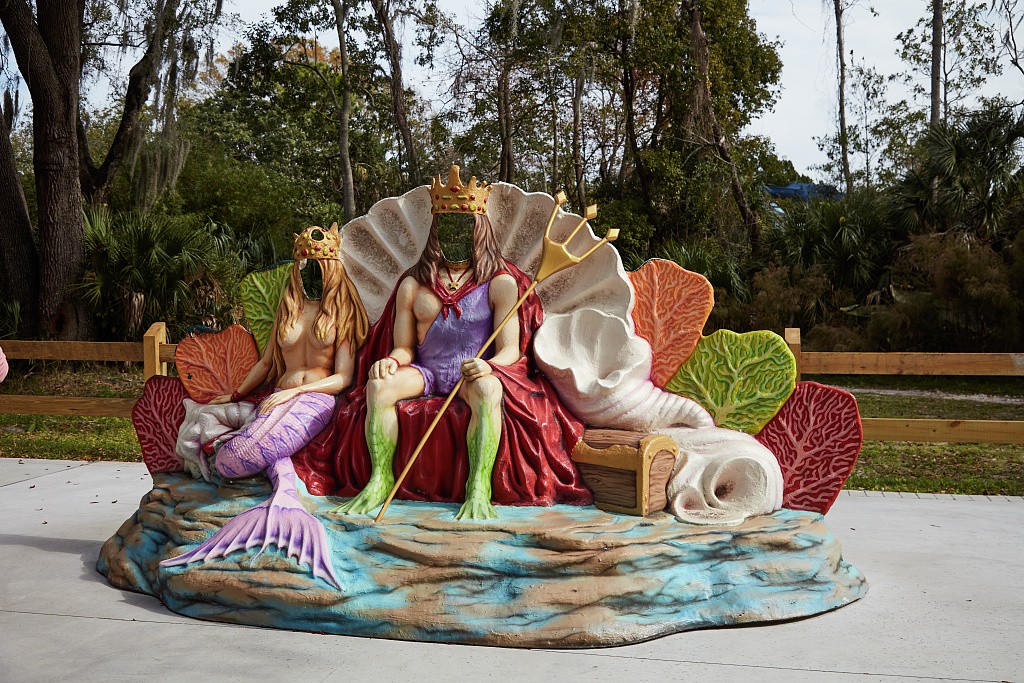
A character that reads well on a campaign poster may not work as a three-dimensional retail figure. A launch display must be recognizable from the intended approach, approved by the character-rights owner and supplied in the correct version to every participating store. These are separate decisions, and treating them as one approval can cause costly rollout mistakes.
For brand managers, visual-merchandising teams and agencies commissioning resin figure statues, the priority is to control the character adaptation and the store-specific deliverables before repeat production begins.
1. Approve one hero character before ordering multiple formats
Start with the original artwork, the permitted uses and the campaign objective. A launch hero figure might be intended for photography, a product reveal or a flagship entrance. Ask the creative team to choose the primary job and mark the required front and three-quarter viewing angles. Then request a three-dimensional proposal at the intended approximate size.
For example, a fictional beverage brand might approve an open-arm pose for its flagship launch but a shorter gesture toward a drink display for selected stores. Those are two separately approved adaptations—not one figure scaled down without review. Keep the face, signature proportions and protected details aligned with the licensed character guide.
A manufacturer can help translate approved references into a model and sample. Pegasus outlines its custom resin development and production capabilities on its resin sculpture page
2. Use a rollout register—not another shopper-attention table
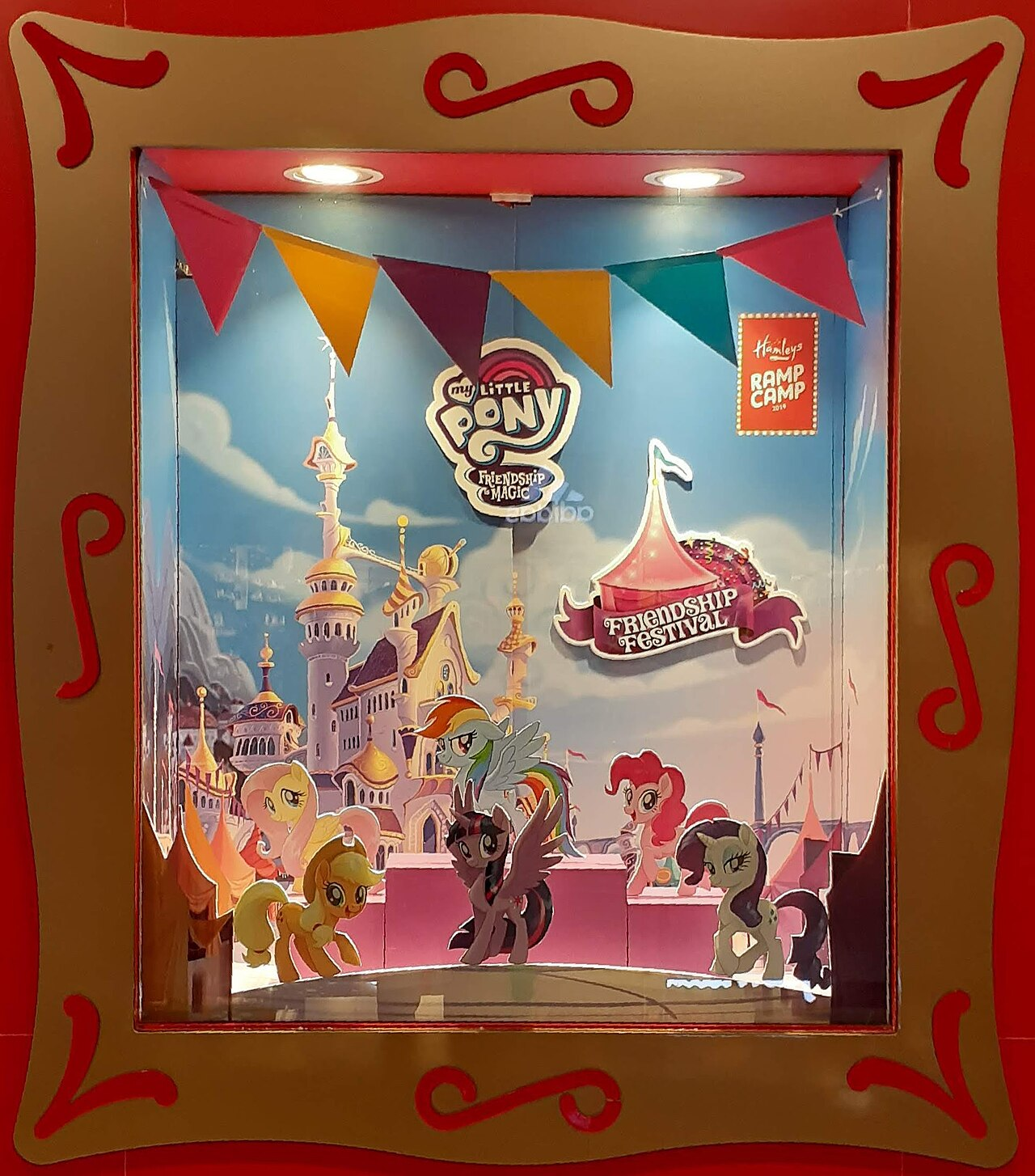
Instead of assigning vague visual roles to store locations, document exactly what each store is authorized to receive. This is a procurement and version-control tool, distinct from Blog 23’s large-installation fabrication guidance.
| Approval field | Flagship example | Selected-store example | Release evidence |
| Character version | Hero v1.0 | Compact v1.2 | Signed model / artwork revision |
| Finish and color | Approved gloss sample | Approved matte sample | Sample photos under agreed light |
| Accessories | Fixed launch prop | No prop | Approved front / side views |
| Allocation | 1 launch location | 12 participating stores | Store-by-store quantity list |
| Packing ID | HERO-01 | COMPACT-12 | Carton label matched to register |
These entries are illustrative, not Pegasus project specifications. Each actual order should use agreed codes, quantities, finish samples and approval dates. An agency should freeze the master register before production and record any exceptions against a named approver.
3. Check character fidelity at the sample stage
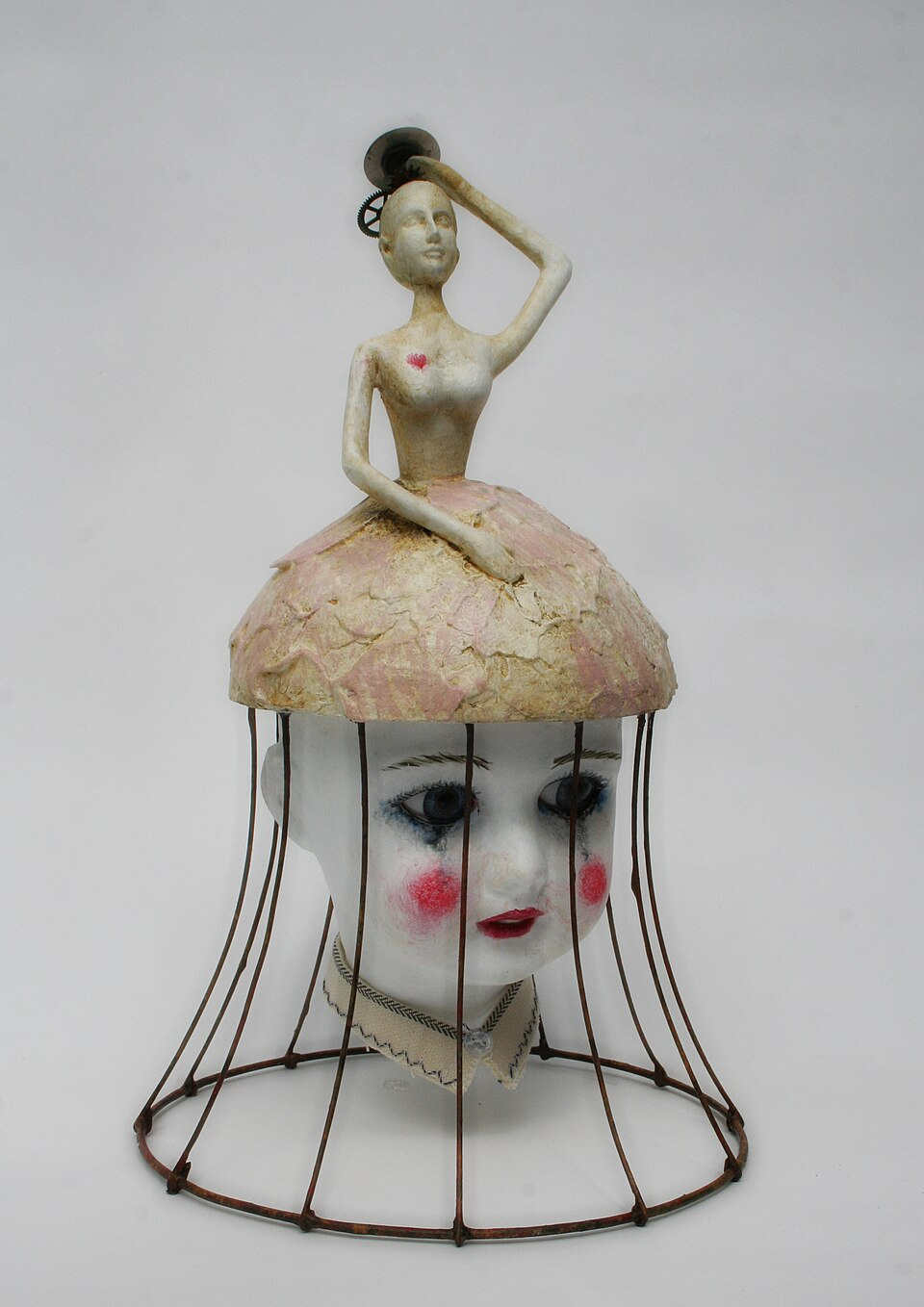
A convincing digital render is not the same as an approved physical master. Compare the sample against the licensed artwork for facial expression, eye position, proportions, accessories and approved colors. Photograph the master from the same angles used in the approval pack, with a scale reference and consistent lighting.
Ask the brand owner to identify non-negotiable features and approve any deviations in writing. If a revised accessory covers a signature detail or a small version loses the approved expression, correct the model before creating repeat-production tooling. Keep the signed sample and its revision number as the reference for subsequent units.
4. Define the approval boundary between agency, rights owner and manufacturer
The rights owner approves use and adaptation of the protected character. The agency manages campaign requirements and store allocations. The manufacturer develops the approved physical version and confirms the deliverables included in its production scope. A supplier’s ability to fabricate a figure does not transfer character rights or replace written authorization.
For each new pose, require an approval pack: authorized character sheet, 3D front and three-quarter views, finish reference, version ID and the approval owner’s sign-off. Pegasus’s customization service
provides a relevant starting point for discussing a project-specific production brief; final approval steps should be agreed for the commission.
5. Spend the figure budget where a physical version is justified
A launch flagship may merit a bespoke hero figure, while a smaller group of stores can use an approved compact version. Other locations may be served better by printed graphics or standard merchandise fixtures. Decide the number of formats from the approved rollout plan rather than assuming every store needs a statue. Compare the incremental value of each version against the costs of sculpting, master approval, tooling, finishing, packaging and distribution. The commercial question is not “How many variations can we make?” but “Which variations are necessary and approved?
6. Make receiving checks simple for each store
Send each location a one-page receiving sheet showing its approved figure ID, quantity, photographs, finish, accessories and carton identification. Staff can compare the delivered item with the register and flag an incorrect version or damaged finish before display. This closes the campaign handover loop without duplicating Blog 23’s heavy-installation engineering discussion.
Frequently asked questions
What should a brand send for an initial resin figure quotation?
Approved or draft character references, evidence of adaptation rights, intended size, quantities, target locations, finish expectations and launch date. The manufacturer can identify what additional modeling or sampling information is required.
Does every store need its own character design?
No. Use a common approved master wherever it meets the merchandising brief. Commission a distinct version only when its purpose and additional approval cost are justified.
What affects the cost of a multi-store resin figure campaign?
The number of unique masters, complexity of details, tooling, quantity per version, finish requirements, packaging and delivery destinations. Request an itemized quote rather than assuming one per-unit price applies to all formats.
How should a brand handle a last-minute artwork change?
Record the new artwork revision, identify affected versions and pause only the unapproved production lots. Obtain rights-owner sign-off and update the store-allocation register before releasing the change.
Discuss a branded resin figure campaign with Pegasus
Pegasus can discuss how authorized character artwork may be developed into custom resin figures, including master samples and production formats. Share the character reference pack, intended use, quantities and store list so the team can scope the appropriate development and production work.Contact Pegasus for a project-specific quotation.