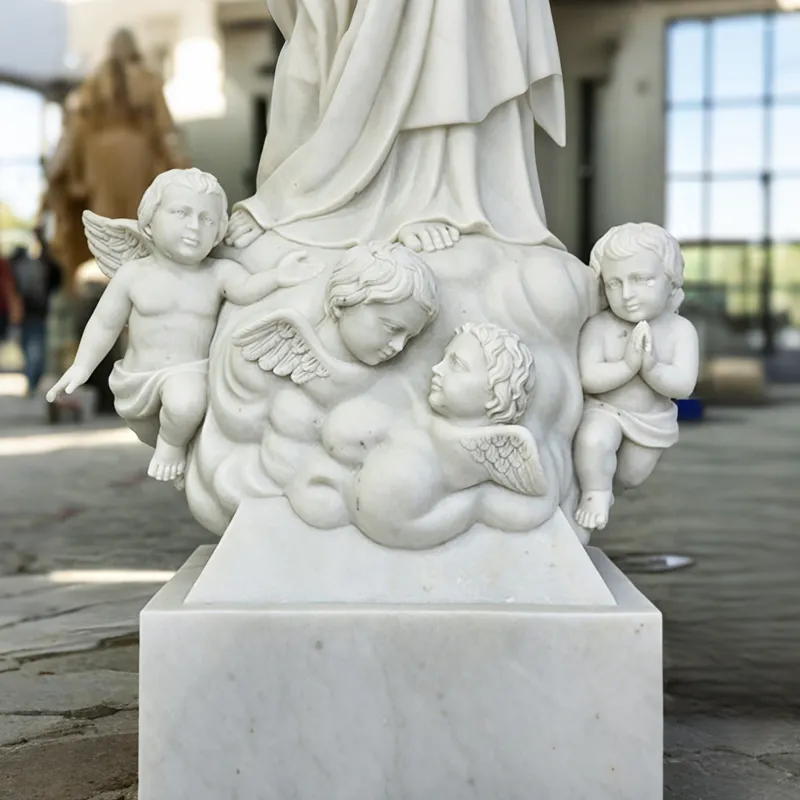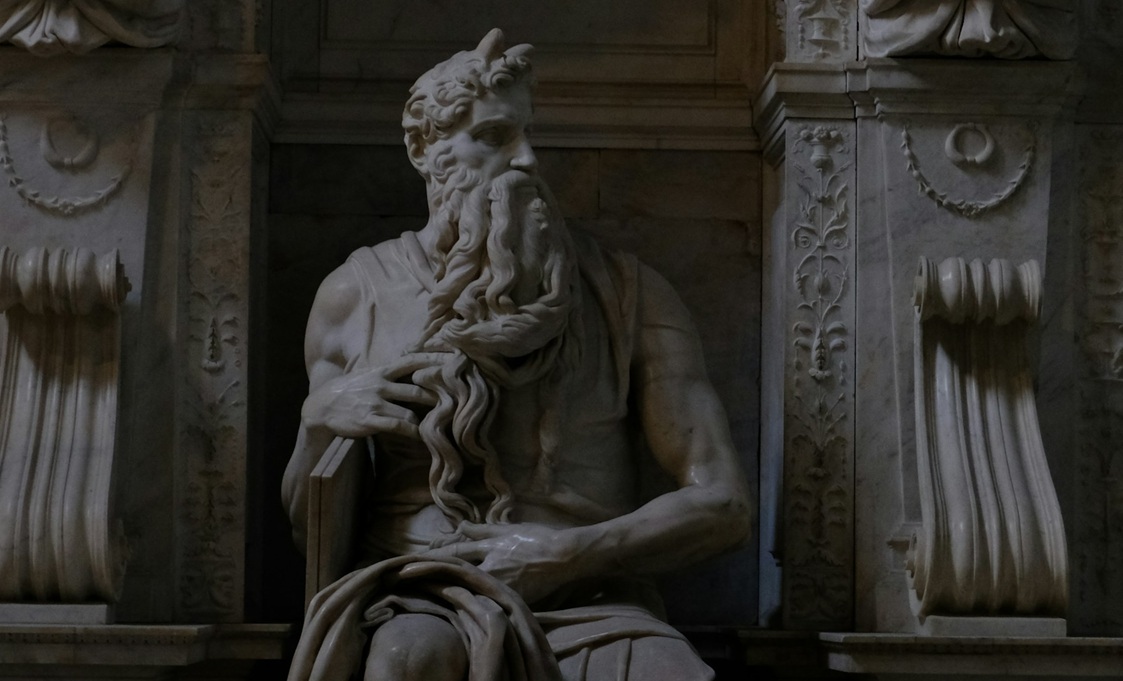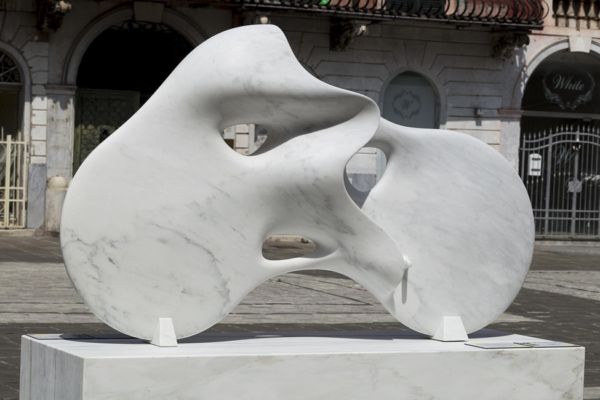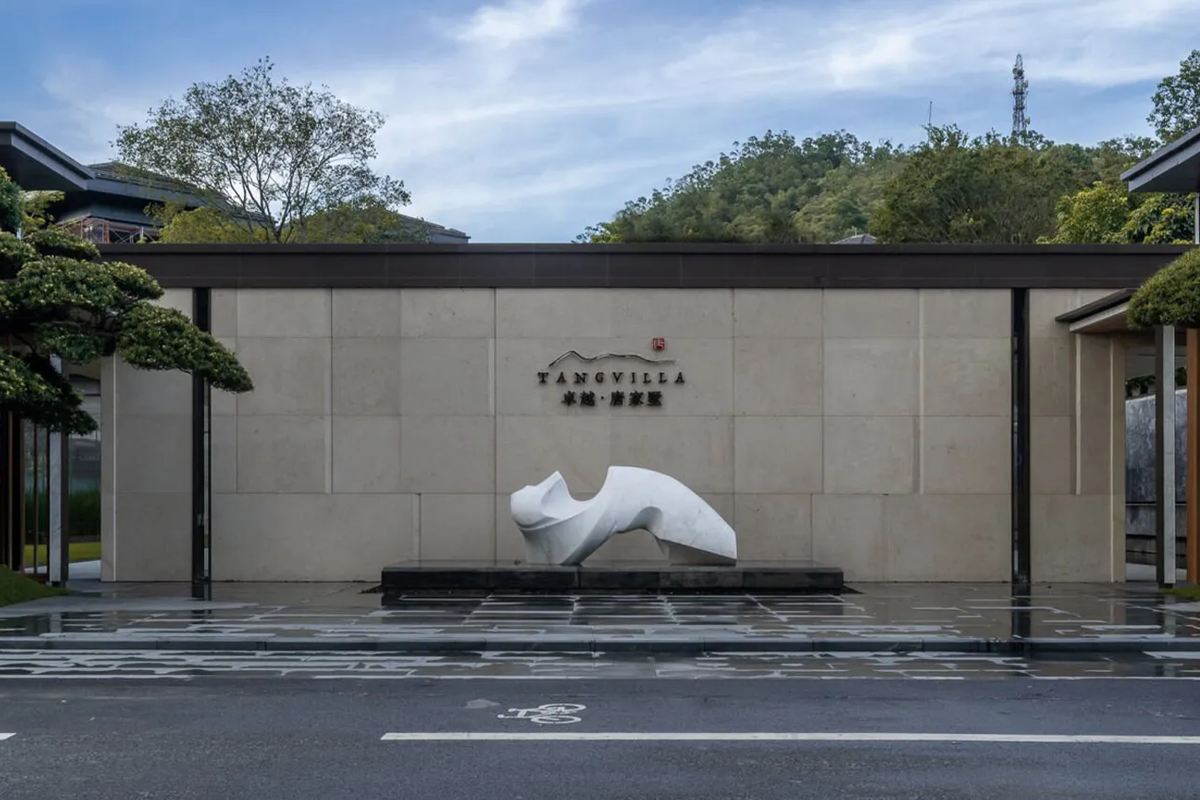
The Cost of a Change Depends on When You Make It
A custom marble sculpture does not remain equally editable throughout production. Before the selected block is cut, the buyer can reject its tone or vein direction. During rough carving, the silhouette and major proportions can still be corrected within the remaining stone. Once the face, fingers or inscription have been refined, a major revision may require a new component or a new block. After packing, even a small workshop correction becomes an international handling problem.
This is the practical reason for staged approval. It is not a factory paperwork exercise, and it does not make the buyer responsible for supervising carving. The appointed manufacturer remains responsible for the manufacturing method. The buyer approves the visible result at the moments when a clear decision can still prevent waste, delay, and disagreement.
Four Approvals Close in Sequence
| Buyer decision | Evidence to review | Decision point | Why timing matters |
| Selected stone | Actual block, visible tone, major veins and planned orientation | Before the block is cut | A different block can still be selected |
| Full size form | Silhouette, overall envelope, pose and base relationship | After rough form, before detailed carving | Material remains for controlled proportion changes |
| Priority detail | Expression, hands, inscriptions and named focal areas | Before final refinement | Local correction remains possible without reopening the whole form |
| Completed result | Finish continuity, dimensions, base interface and packing contents | Before crating | Workshop corrections remain accessible |
Approve the Actual Stone, Not a Material Name
The order may specify Carrara white marble, another named stone, or an agreed visual family. That description narrows the choice, but it does not approve the individual block. Background tone, clouding, and vein direction can change the face, torso, or open areas of the finished sculpture. As a general production safeguard, the first approval should therefore concern the actual stone proposed for cutting.
What buyers should request and confirm in the project scope
- A continuous video around the proposed block with a scale reference and neutral lighting.
- Annotated views showing the expected front, rear and principal carving orientation.
- The major veins or natural marks likely to remain visible on focal areas.
- A written record identifying the accepted block, not only the commercial stone name.
The buyer’s response should be equally specific. “Approved” should mean that the block’s overall character and planned orientation are acceptable. It should not be interpreted as a promise that natural marble will become visually uniform after carving. If a quiet face or uninterrupted chest area is essential, that requirement should be marked before cutting begins.

Review the Full Size Form While Stone Remains for Correction
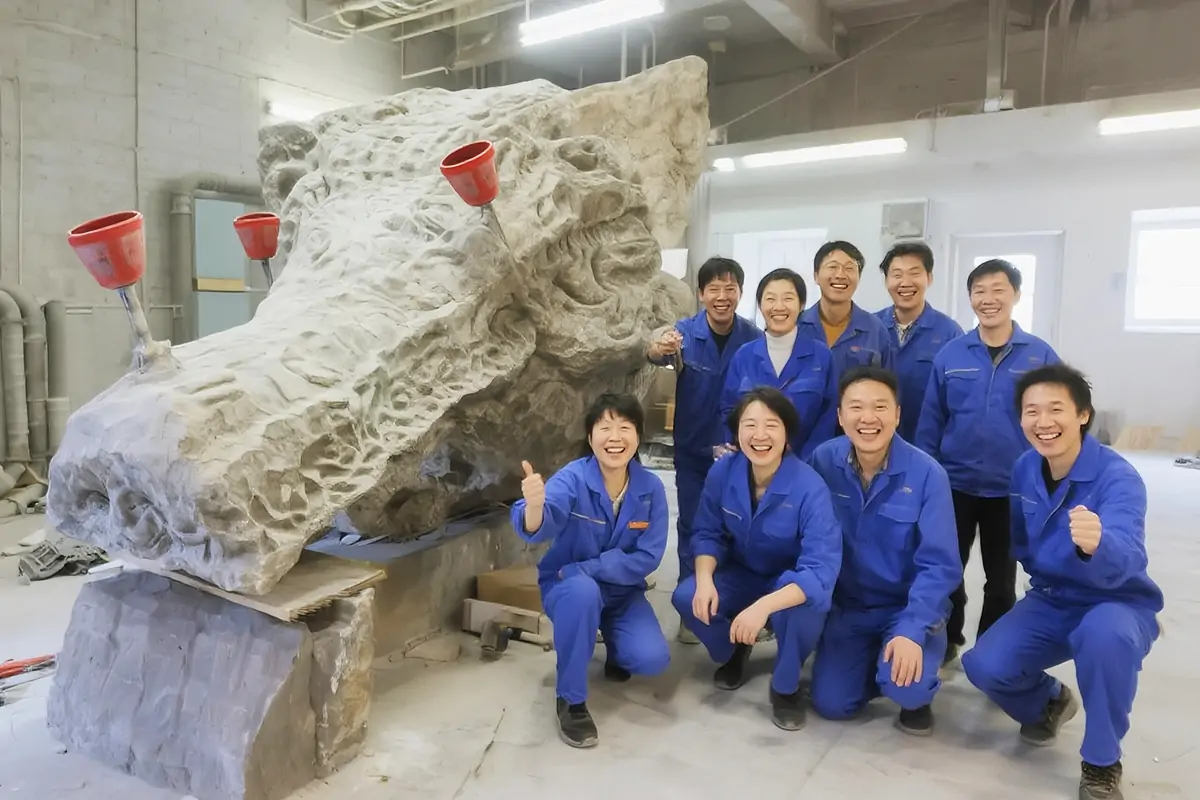
The useful form review happens after the block has become recognizably sculptural but before detailed carving consumes the correction allowance. At this point, the buyer is not approving an attractive progress photo. The buyer is checking whether the physical work still carries the approved pose, dominant views and installed scale.
Compare like with like
- Request front, rear, side and three-quarter views from approximately repeatable camera positions.
- Place the approved model or rendering beside the current carving view rather than relying on memory.
- Check the outer silhouette, negative spaces, head and hand position, base footprint and total envelope.
- Consolidate comments into one marked response so the workshop does not receive conflicting directions.
A request to narrow a shoulder or deepen an opening may still be feasible here. A request to enlarge a hand after the surrounding stone has been removed may not be. As an industry recommendation, buyers should require the manufacturer to explain whether the change can be carved from the remaining material, whether it affects another view and whether it changes the approved schedule. That explanation is more useful than a simple yes or no.
Close the Details That Carry the Identity
Detailed carving should follow the approved form, not reopen it. Buyers usually need close review of only a few areas: facial expression, hands, hair, fabric folds, inscriptions, a logo or a distinctive edge. Naming those areas concentrates attention on what viewers will actually recognize and gives the workshop a clear basis for progress photography.
The review should use the same angle and similar lighting before and after a correction. Comments such as “more elegant” or “more refined” are difficult to act on. An annotated image that identifies the eyelid, mouth corner, letter depth or fold edge gives the carver an observable change while enough material remains to make it.
Use the Finish Review to Confirm the Approved Form
Finish approval at this stage should remain concise. The buyer has already selected the finish direction; the production question is whether the manufacturer has applied it consistently to the actual sculpture. A flat sample can establish approximate sheen and tool character, but it cannot show how highlights travel across a curved shoulder, recessed fold or open abstract form.
Ask for one representative finished area beside an unfinished area, followed by full-form views under stable lighting. Review whether the treatment preserves the carved edges, whether mapped transitions begin and end in the agreed places, and whether the overall form remains readable. Avoid introducing a new finish concept after broad areas have been completed, because changing texture or sheen may remove additional material and soften detail.
A Documented Pegasus Project Shows Why Form Approval Comes First
At Palmer Coolum Resort in Queensland, Pegasus worked with artist Julian Vane on a pavilion whose original concept used a heavy stone roof. The project challenge was not decorative refinement. The roof decision affected the pavilion’s visual weight, daylight, structural relationship and the experience inside the work. Continuing with the original assumption would have carried that unresolved issue into fabrication.
Pegasus and the artist developed a forged metal and shading structure in place of the heavy roof while retaining the intended pavilion scale. The completed installation reached 7.4 meters in height with a 7-meter interior diameter. The important manufacturing lesson is the timing: the material and form decision was resolved before the connected elements were finalized, when the composition could still be coordinated as one installed work.
For a marble commission, the equivalent moment is the full-size form review. If the silhouette, open space, base relationship or dominant view is wrong, surface refinement will not solve it. The manufacturer should stop, show the effect of the proposed correction and obtain one consolidated decision before detailed work resumes.
Confirm the Base and Site Interface Before Final Release
A sculpture can look correct in the workshop and still create a site problem if the base information is incomplete. Before final release, compare the actual footprint and contact points with the approved interface drawing. Confirm in the quotation which parts the manufacturer supplies, which work belongs to the local installer and how removable components are identified. For a U.S. project, the local architect, engineer and contractor remain responsible for site-specific code, foundation, lifting and installation requirements.
The buyer should receive the dimensions and visible interface needed for coordination without being asked to design the manufacturer’s hidden support system. If the work has several stone components, a factory dry fit or controlled preassembly record can show alignment before the pieces are protected and separated for shipment.
Release the Sculpture Against Its Approval Record
Final inspection should close the decisions already made rather than invite a new design round. As a general industry recommendation, the agreed inspection package should include a consistent photo set, critical dimensions, close views of named details, the base or dry-fit record where applicable and packing photographs before the crate is closed. Buyers should confirm with Pegasus during quotation which of these records are included for their specific project.
| Final evidence | Buyer receives | Buyer confirms |
| Full form | Agreed front, rear, side and three-quarter views | Silhouette and proportions remain consistent with the approved form |
| Named details | Repeat close-ups of the priority areas | Requested refinements are complete and no handling damage is visible |
| Dimensions | Overall envelope, footprint and interface measurements | The completed piece matches the coordinated site information |
| Assembly | Dry-fit or preassembly evidence when components connect | Joints, levels and component identities are clear before separation |
| Packing | Open-crate photographs and contents record | Projections, surfaces and supplied parts have planned protection |
How to Respond When a Change Is Requested Late
A late request does not automatically mean refusal, but it needs a manufacturing answer. Industry best practice is for the manufacturer to identify what has already been removed or completed, show the affected views and explain the available route: local refinement, replacement of one component, recarving from a new block or acceptance of the current result. The response should also state the effect on cost, schedule and any connected dimensions.
This keeps the decision factual. The buyer can judge the value of the change against its real consequence instead of discovering after completion that the requested revision was no longer achievable in the original stone.
What to Send With the Order
To establish the approval sequence, share the controlling model or reference views, installed dimensions, named priority details, stone-character range, finish reference, base responsibility, site interface and the person authorized to issue consolidated approvals. Before signing the order, ask Pegasus to confirm in writing which review stages, records and response points are included in the project scope. Once agreed, that project-specific record—not a general industry checklist—should control how production decisions are closed.
Review Pegasus marble sculpture manufacturing capabilities or send the project brief for a production review based on the actual sculpture and site requirements.
Common Buyer Questions
Does approval mean the buyer accepts every natural mark
No. The approved block record should distinguish acceptable natural variation from any specifically rejected feature. The record concerns the actual block and its planned orientation.
Can the buyer request changes during carving
Yes, while the remaining stone and surrounding form allow the correction. The manufacturer should explain the physical consequence before proceeding. A change that adds volume may require a new component or recarving.
How quickly should an approval be returned
The project schedule should define the response window. More important, the buyer should return one consolidated, annotated decision. Several partial responses can create more delay than one careful review.
What if the finished sculpture differs from the approved model
Compare the same views and named dimensions first. Determine whether the difference concerns natural stone variation, camera perspective, an approved production adjustment or an actual departure from the accepted form.
Should a buyer approve packing
The buyer does not design the crate, but should receive open-crate photographs, component identification and a contents record before closure. This confirms that the correct work and supplied parts are protected for dispatch.