Confirm Who Will Supply the Statue and Hold the Contract
A buyer searching for a supplier is rarely looking only for a company name. The practical question is whether that company can supply the required statue in the right marble, dimensions, finish, quantity, destination and commercial timeframe. A supplier may be suitable for a single carved figure, a coordinated group of statues or a repeat order, but those are different purchasing requirements.
Before requesting prices, define the intended setting, approximate dimensions, preferred stone or visual character, quantity, reference material, destination and target delivery period. This allows the supplier to show relevant work and explain what can be quoted immediately, what requires design development and which assumptions still need buyer approval.
What Buyers Should Expect From a Marble Statue Supplier
A commercially useful supplier response should connect products and services to the proposed order. Buyers should be able to review relevant marble statue styles, custom-design capability, available stone options, finish choices, realistic size or quantity limits, packing approach, export support and the information needed for a quotation. Attractive portfolio images alone do not answer these purchasing questions.
For a custom commission, ask whether the supplier can work from drawings, photographs, a digital model or an artist-approved maquette. For catalogue or wholesale marble statues, confirm which dimensions and finishes are repeatable, whether a sample or first article is available, and how variation in natural stone will be handled across the order. These questions establish product fit before deeper commercial verification begins.
A polished catalogue does not establish who owns the workshop, who receives the payment or who will answer a claim. Before comparing artistic claims, identify the legal business named on the quotation, the contracting entity, the payment beneficiary and the person authorized to commit that entity. These details should agree across the quotation, invoice and bank instructions.
An intermediary is not automatically unsuitable. Some buyers prefer one coordinator who manages several specialist workshops. The risk appears when the commercial role is hidden. Ask whether carving, engineering, finishing, packing or installation support will be performed in-house, through an affiliated facility or by an outside subcontractor. The answer tells the buyer where responsibility sits if performance breaks down.
Understand the Supplier Model Behind the Offer
The term marble statue supplier can describe different business models. A direct manufacturer controls workshop activity. A trading company sources from one or more factories. A project coordinator may add design, documentation and logistics management without owning the production equipment. Buyers should judge the model by the project need, but they should never have to guess which model they are purchasing from.
| Supplier role | Evidence to request | Commercial question |
| Direct manufacturer | Live workshop tour, current production examples and named project team | Which scope is performed at this facility? |
| Trading company | Named production partner, inspection responsibility and contractual warranty | Who is liable for a factory defect or missed specification? |
| Project coordinator | Responsibility matrix, specialist partners and one accountable contract lead | Who controls interfaces among design, production and delivery? |
The strongest answer is not “everything is in-house.” It is a transparent explanation of who does each part and who remains accountable to the buyer.
Verify Identity Before Discussing a Deposit
Commercial verification should happen before payment pressure enters the conversation. Confirm the registered business name and address, quotation contact details, beneficiary name, invoice information and the domain used for formal communication. If payment instructions change, verify the change through a previously confirmed contact channel rather than replying only to the new message.
For a high-value commission, procurement teams may also request registration documents, export experience, trade references or a video meeting from the stated facility. The purpose is not to collect paperwork for its own sake. It is to establish that the business requesting funds is the same business accepting contractual responsibility.
Compare Relevant Products and One Traceable Project
A long portfolio can still avoid the buyer’s first question: does this supplier offer work relevant to the proposed style, scale, quantity and setting? Shortlist suppliers using product relevance first, then request one or two examples close to the commission. For each example, ask what was supplied, what commercial or delivery challenge arose, how the team handled it and which evidence can be shared without breaching confidentiality.
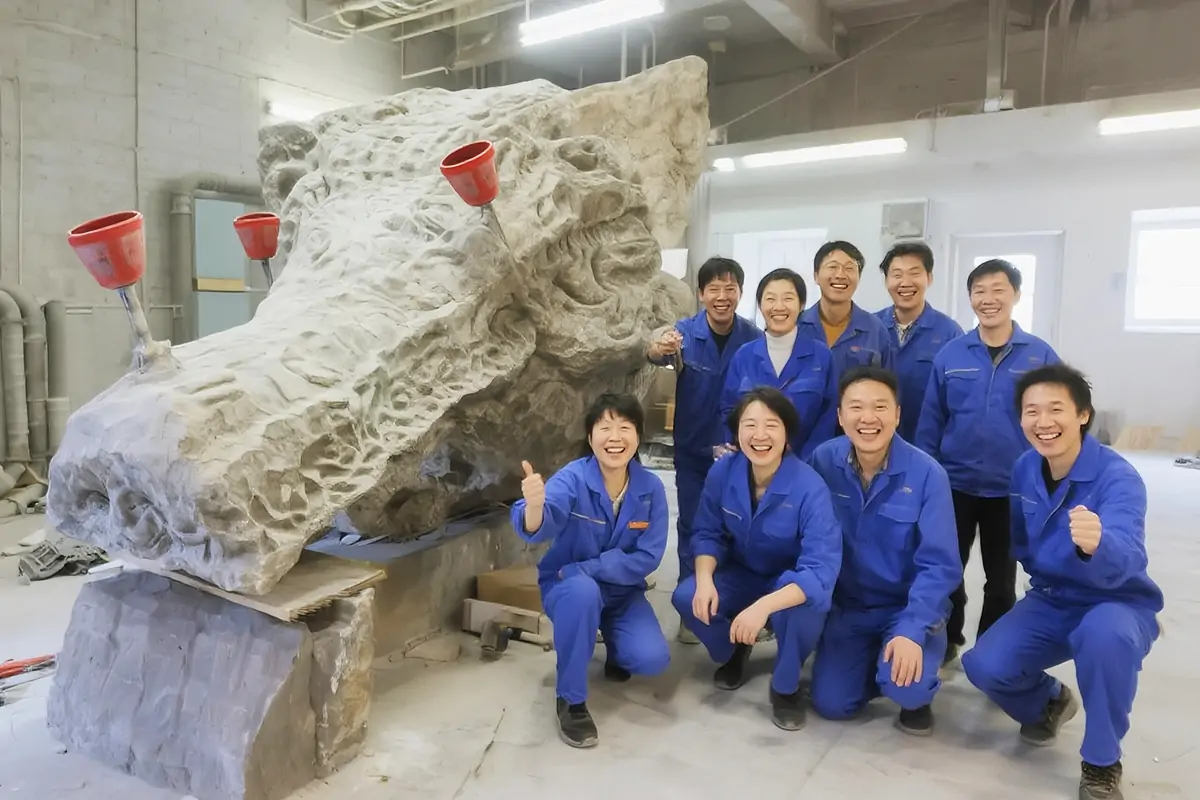
A credible project file may include a finished installation, a dated workshop view, a packing or dispatch record and a client or consultant reference. These items should form one traceable story. Unconnected photographs from different projects do not provide the same assurance.
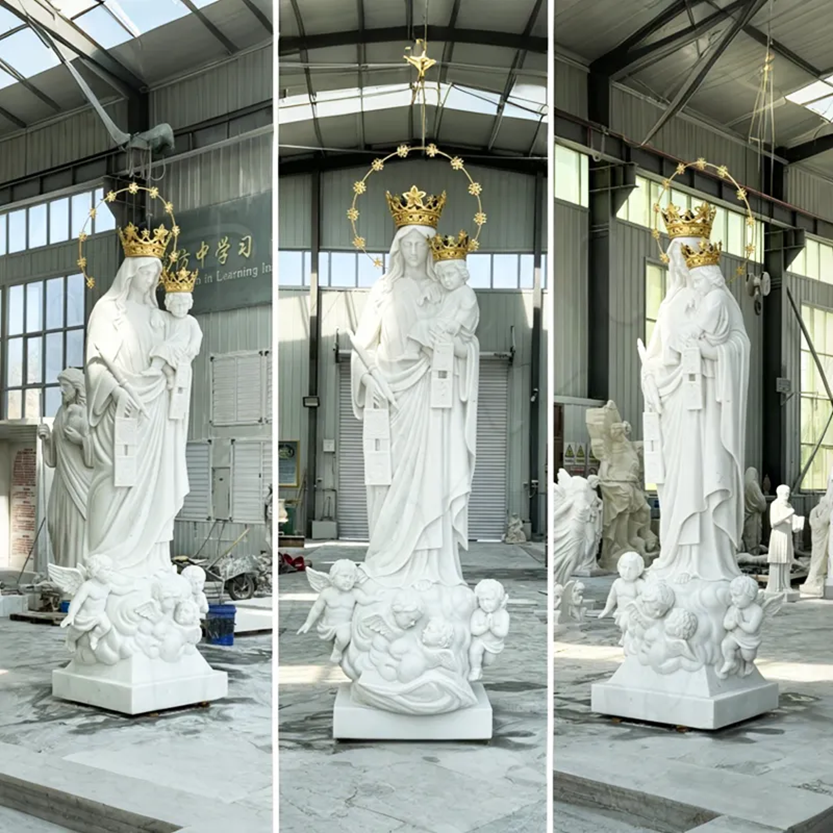
A Real Pegasus Example of Scope Transparency
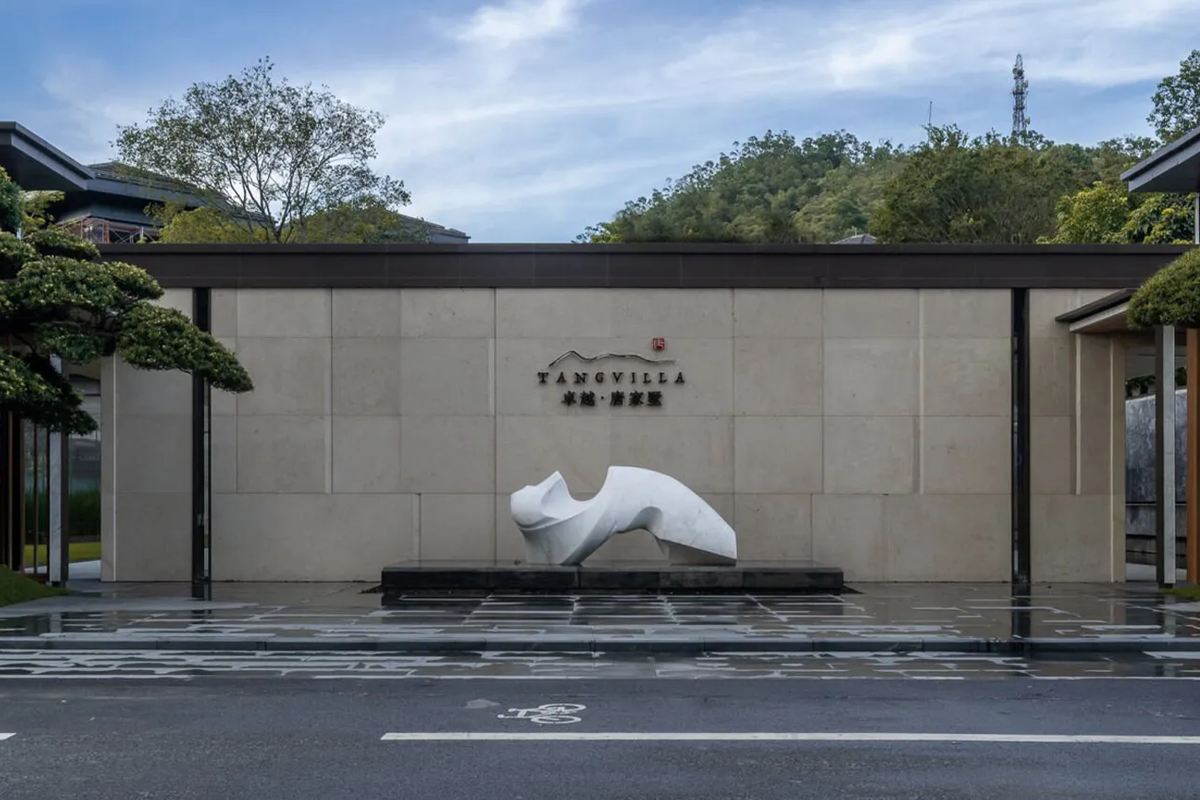
Pegasus publicly lists a completed marble-category project in Shenzhen Bay under the title “Tempering the Classics.” For a commercial buyer, the value of that reference is not the title alone. The due diligence step is to ask Pegasus to connect the public project to its actual scope: the contracted role, the elements produced, the project counterpart, the destination and the records available for verification.
That request tests whether a portfolio item can withstand scrutiny. A supplier that performed the work should be able to explain its responsibility clearly and distinguish confirmed project evidence from promotional description. Buyers should apply the same test to every shortlisted company.
Request Quotations on the Same Commercial Basis
Two quotations can appear to describe the same marble statue while covering different design, stone, finishing and delivery responsibilities. One may include design development, packing and freight coordination; another may quote only the finished object at the workshop. Comparing totals without normalizing product specifications and scope can make the narrowest offer look artificially attractive.
| Comparison field | What the quotation should state | Risk if unclear |
| Contracting scope | Work included, work excluded and supplied documentation | Buyer discovers missing services after appointment. |
| Quantity and commercial basis | Unit count, currency, tax treatment and quotation validity | Totals cannot be compared on the same basis. |
| Schedule basis | Start trigger, buyer dependencies and stated delivery milestone | A date is promised without defining its conditions. |
| Logistics boundary | Named delivery term and place, freight, insurance and destination responsibility | Costs and risk transfer are misunderstood. |
| After-sales route | Notice period, evidence required and available remedy | The buyer has no practical claim process after delivery. |
Ask every shortlisted supplier to return the same clarification table. The result should allow procurement to compare commercial responsibility, not merely price per object.
Read Exclusions More Carefully Than Promises
A professional quotation states what the supplier will not provide. Common boundaries may involve local permits, site engineering, unloading equipment, foundations, installation labor, customs charges or storage. These exclusions are not automatically negative; hidden exclusions are.
Where another party owns a task, the contract should still identify the information the supplier must provide so that party can work. The buyer should not accept a broad phrase such as “installation by others” if the local team will still need dimensions, weights, handling instructions or interface information from the supplier.
Tie Payment Exposure to Commercial Leverage
Payment structure affects the buyer’s ability to obtain performance. Review the deposit, later installments, final balance, beneficiary account and conditions attached to each payment. Avoid a schedule in which most of the contract value is paid while major supplier obligations remain unverified.
The contract should also explain how variations are authorized and priced. A change requested by an architect, artist or owner should not become payable simply because it appeared in an informal message. One named buyer representative should authorize commercial variations, and the supplier should state their effect before proceeding.
Treat Delivery Terms as Contract Language
For an international order, the named delivery term and place determine more than transport cost. They affect booking responsibility, risk transfer, export documents, insurance, customs activity, destination charges and last-mile coordination. Ask the supplier to state the exact term and named place in the quotation, then verify that both parties interpret it the same way.
If the buyer lacks in-house freight expertise, obtain independent advice before signing. A supplier can coordinate shipping without absorbing every transport risk. The contract must distinguish coordination from liability so the buyer knows who makes a claim if the crate is delayed, mishandled or visibly damaged.
Define the Remedy Before a Problem Exists
“Quality guaranteed” is not an after-sales process. Before ordering, ask what happens if the delivered work is materially inconsistent with the contract, arrives damaged or lacks a listed component. The agreement should identify the notice route, evidence required, response period and possible remedies. Depending on the issue, a remedy might involve guidance, replacement of a component, local corrective work, insurance action or another agreed solution.
Avoid assuming that every disagreement has the same remedy. Natural stone variation, transit damage and a contractual nonconformity are different events. A credible supplier should be willing to define how each category will be assessed without promising an unrealistic result in advance.
Test Communication With a Controlled Clarification Round
Before appointment, send one organized clarification document rather than a stream of unrelated messages. Number each question and ask the supplier to answer against the same numbering. Check whether the reply distinguishes confirmed facts, assumptions, exclusions and items requiring buyer input.
This small test reveals how the company is likely to manage a live order. Fast but incomplete answers are less useful than a controlled response that closes each commercial point. Also confirm the named contract contact, escalation contact and formal channel for changes in payment instructions.
Use References to Verify Delivery Behavior
When appropriate for the value and risk of the commission, request a reference from a buyer, consultant or project partner who can confirm the supplier’s role. Ask about communication, scope control, documentation, delivery handling and the response to problems—not whether the sculpture was simply attractive.
A reference may be limited by confidentiality, but the supplier should be able to offer another form of verification, such as a redacted record or a live walkthrough of a completed project file. The goal is independent confirmation that the supplier’s commercial behavior matches its sales presentation.
Make One Final Supplier Selection Record
| Buyer decision | What to confirm | Reason to pause |
| Product fit | Relevant statue style, marble, size, finish and quantity can be supplied | The portfolio is attractive but unrelated to the requested order |
| Customization and quotation | Reference inputs, design scope, unit count, price basis and validity are clear | The price is issued without a defined product or scope |
| Supplier identity | Contract entity, invoice and payment beneficiary agree | Names or bank instructions change without controlled verification |
| Relevant experience | One comparable project connects the supplier’s role to verifiable evidence | Only anonymous or unrelated gallery images are offered |
| Commercial scope | Inclusions, exclusions, buyer inputs and variation authority are written | Important services remain verbal or assumed |
| Payment and delivery | Milestones, named Incoterm, place, insurance and claims route are understood | Most value is paid early or “shipping included” has no responsibility detail |
| After-sales route | Notice, evidence review and possible remedies are defined | The only assurance is a broad quality promise |
Requesting a Marble Statue Quotation From Pegasus
A useful first enquiry should include the statue type or visual reference, approximate dimensions, quantity, preferred marble or color direction, finish expectation, installation location, destination and required date. If some details are still open, identify them as decisions rather than allowing the supplier to make hidden assumptions.
The first quotation does not need to resolve every technical detail, but it should make the offer understandable: what is being supplied, what remains provisional, what is excluded, how long the offer is valid and what must happen before production can begin.
Buyers considering Pegasus can review its marble sculpture portfolio to identify relevant styles and project experience, then submit the intended size, quantity, finish, destination, reference material and schedule through the project enquiry page. Pegasus can use that information to clarify the proposed product, customization scope, quotation basis and responsibilities that require confirmation before an order is placed.
Questions Buyers Ask When Searching for a Supplier
Can a supplier quote from photographs or concept drawings?
Often, yes, but the initial price may be budgetary until dimensions, stone, sculptural detail, finish and approval inputs are confirmed. The quotation should identify any assumptions clearly.
Can the same supplier handle a one-off statue and a multi-piece order?
Possibly, but buyers should confirm capacity and the control method for each order type. A unique commission prioritizes design interpretation and approvals, while a multi-piece order also requires an agreed approach to acceptable natural-stone variation and consistency.
What information has the greatest effect on a marble statue quotation?
Dimensions, marble selection, design complexity, finish, quantity, packing, destination and delivery responsibility are major inputs. A supplier should explain which items are confirmed and which could change the final commercial value.