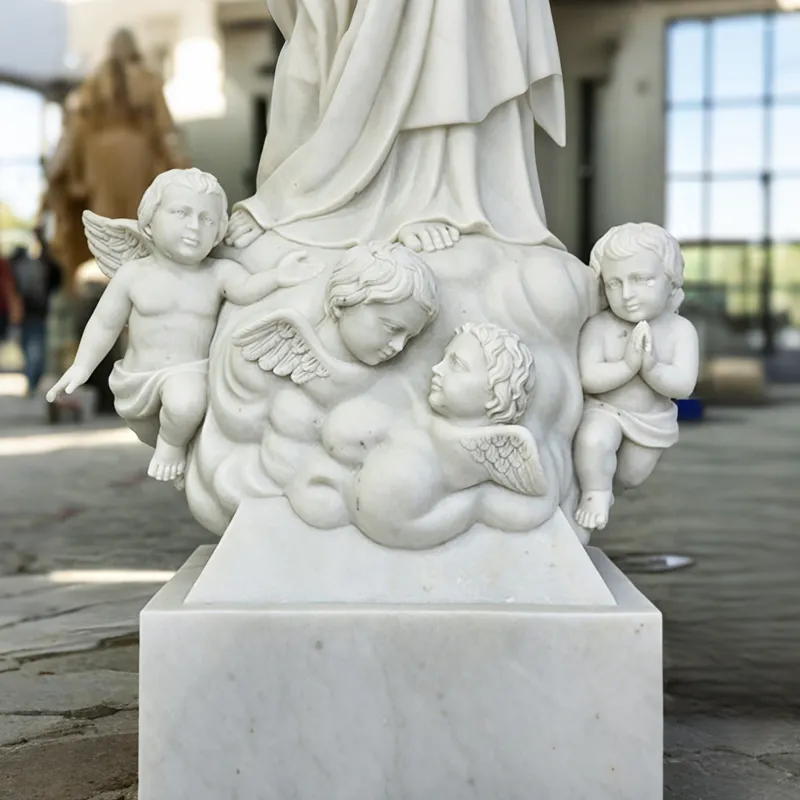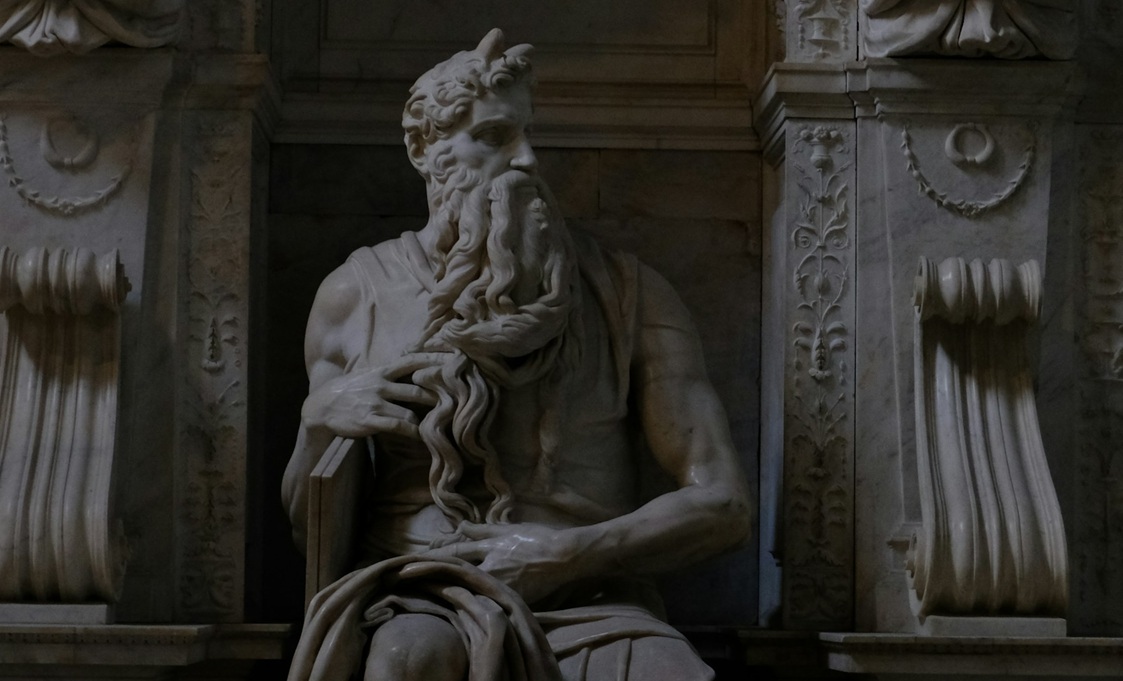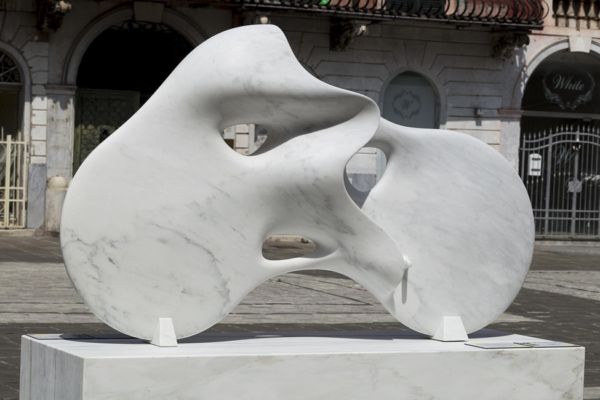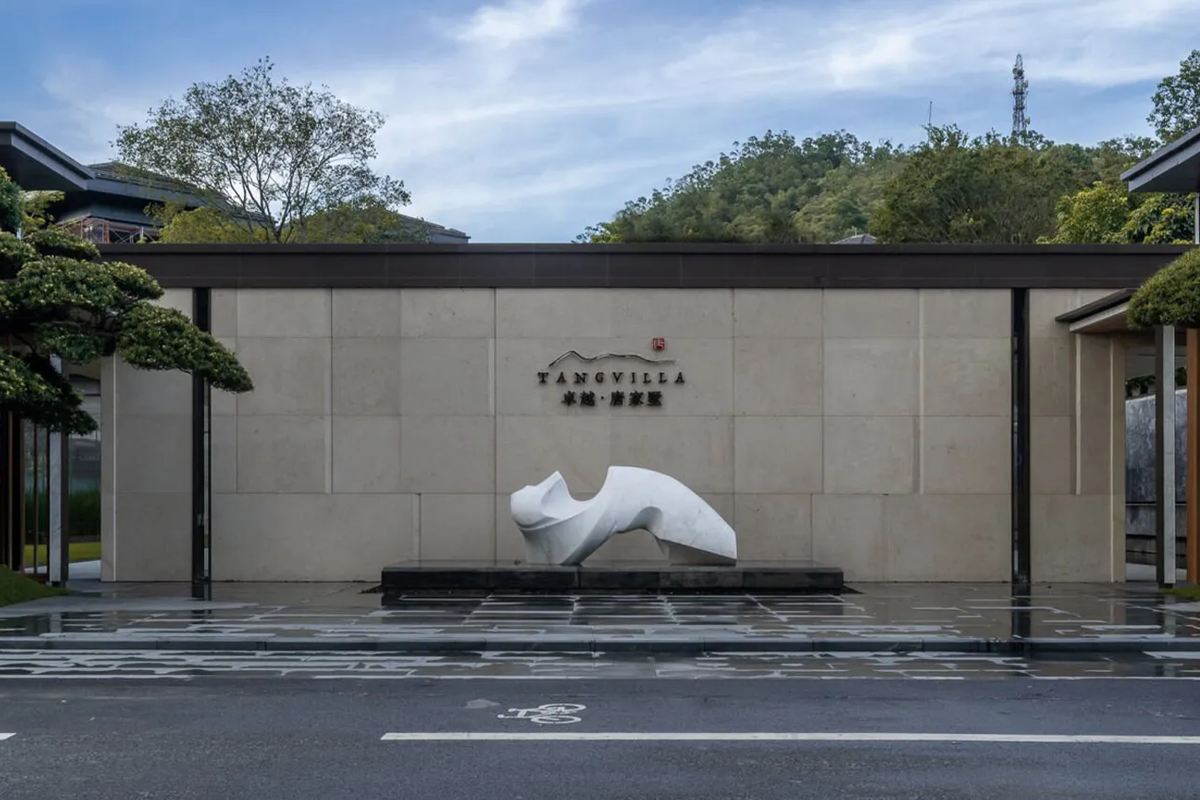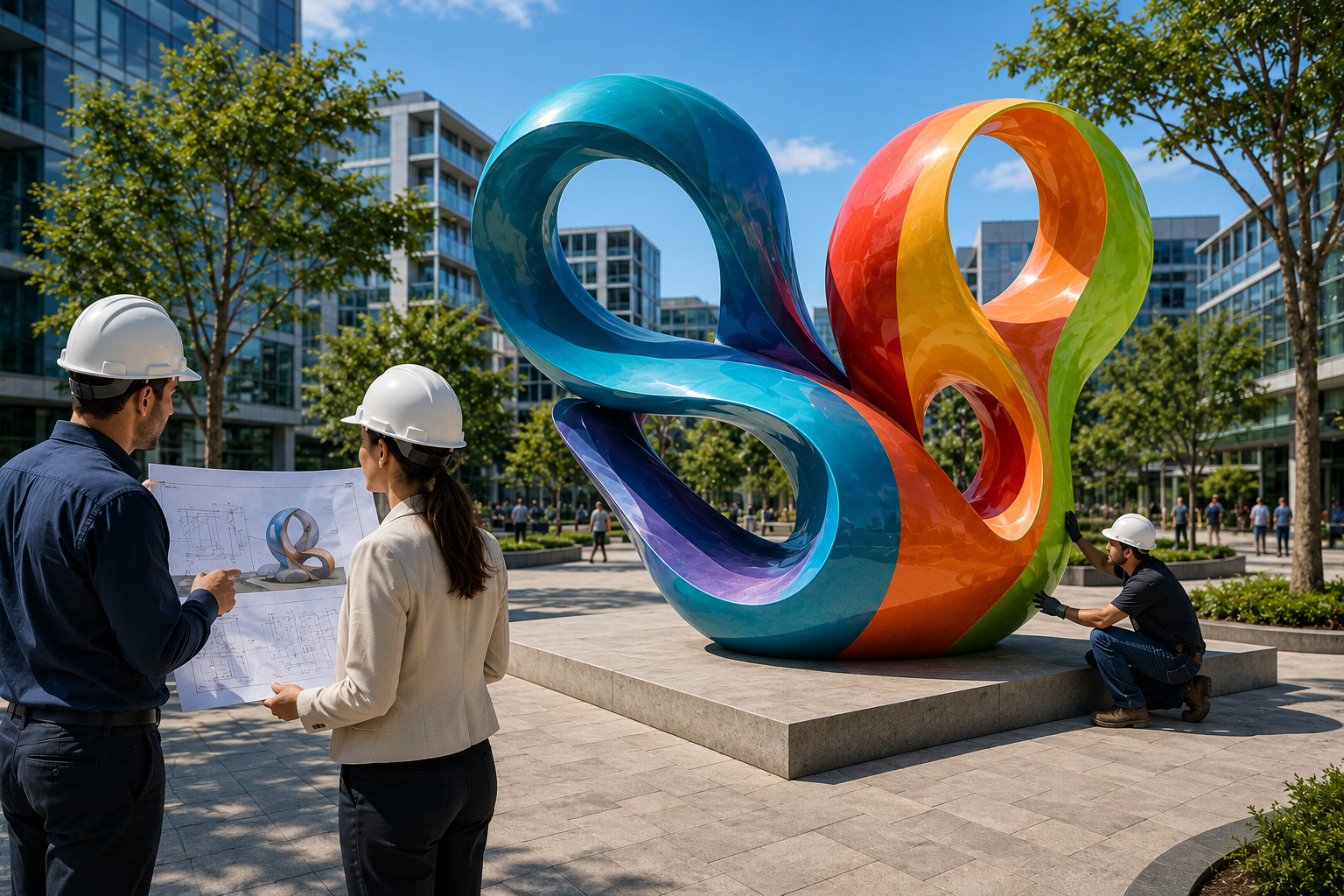
Public sculptures have the power to transform ordinary spaces into memorable destinations. Whether installed in a city plaza, corporate headquarters, university campus, luxury resort, museum, or commercial development, they often become landmarks that represent a community, brand, or architectural vision. Unlike decorative pieces for private interiors, public sculptures must withstand years of environmental exposure, daily public interaction, and changing site conditions while continuing to deliver visual impact.
For buyers, however, the success of a public sculpture project depends on much more than selecting an attractive design. It requires choosing a manufacturing partner capable of translating creative concepts into durable, engineered installations that perform reliably over time. Factors such as structural integrity, material selection, fabrication quality, transportation, installation, and long-term maintenance all influence the overall success of the investment.
This is why experienced project owners spend as much time evaluating fiberglass sculpture manufacturers as they do selecting the artwork itself.
If you’re planning to invest in custom fiberglass sculptures for a public space, this guide combines industry best practices with practical insights gained from Pegasus’ experience delivering custom fiberglass sculpture projects for public spaces. It explains what experienced buyers should evaluate before requesting quotations, how professional manufacturers manage complex projects from concept to installation, and what separates a reliable manufacturing partner from a supplier that simply fabricates sculptures.
Why More Public Projects Are Choosing Fiberglass Over Traditional Materials
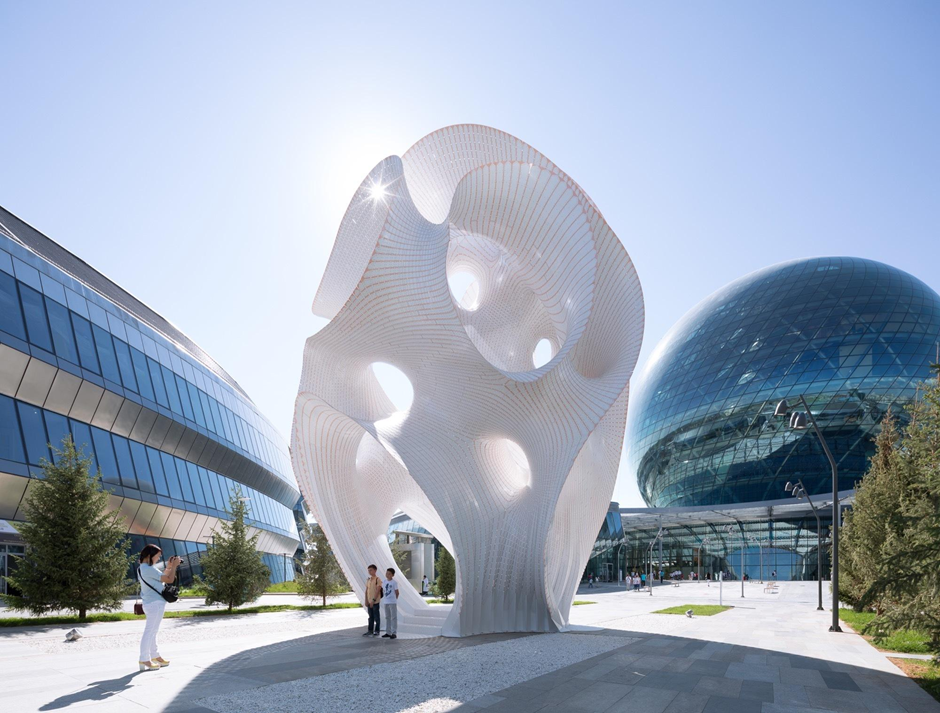
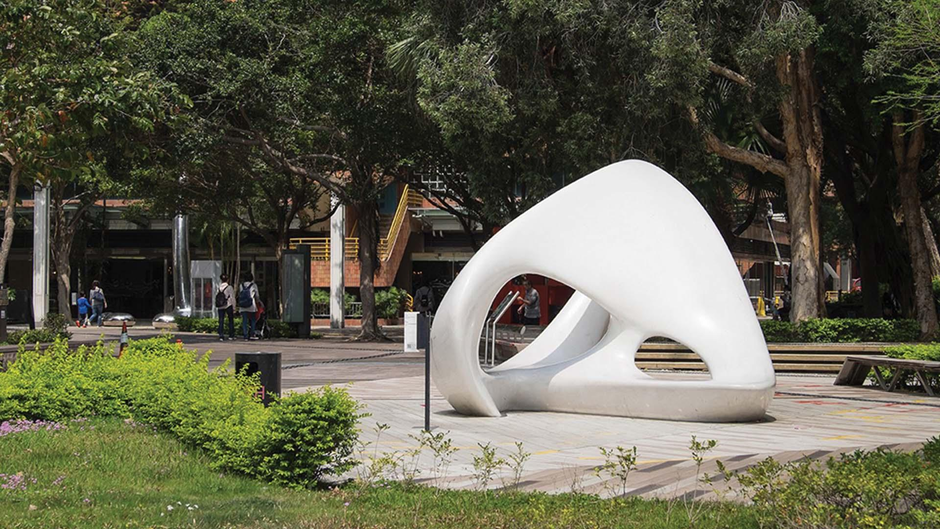
For decades, bronze and stone dominated public sculpture projects because of their prestige and longevity. While these materials remain excellent choices for many applications, architects, developers, municipalities, and commercial property owners are increasingly choosing fiberglass sculptures for projects that demand creative freedom, efficient installation, and long-term value.
The growing popularity of fiberglass isn’t simply about reducing costs. It is about providing greater flexibility during design and fabrication while meeting the practical requirements of modern public developments.
Professional fiberglass fabrication allows designers to produce complex geometric forms, organic curves, large-scale artistic installations, and themed environments that would often be difficult, significantly heavier, or considerably more expensive to manufacture using traditional materials.
Equally important, fiberglass offers a favorable balance between durability and weight. A lighter sculpture generally simplifies transportation, lifting, and installation, reducing many of the logistical challenges associated with oversized public artworks.
When manufactured using high-quality fiberglass materials, appropriate reinforcement, and durable protective coatings, these sculptures can perform exceptionally well in outdoor environments exposed to sunlight, rain, humidity, and changing temperatures.
For many public projects, fiberglass allows decision-makers to achieve ambitious design goals without compromising practicality.
Before Choosing a Material, Start by Understanding Your Project Requirements
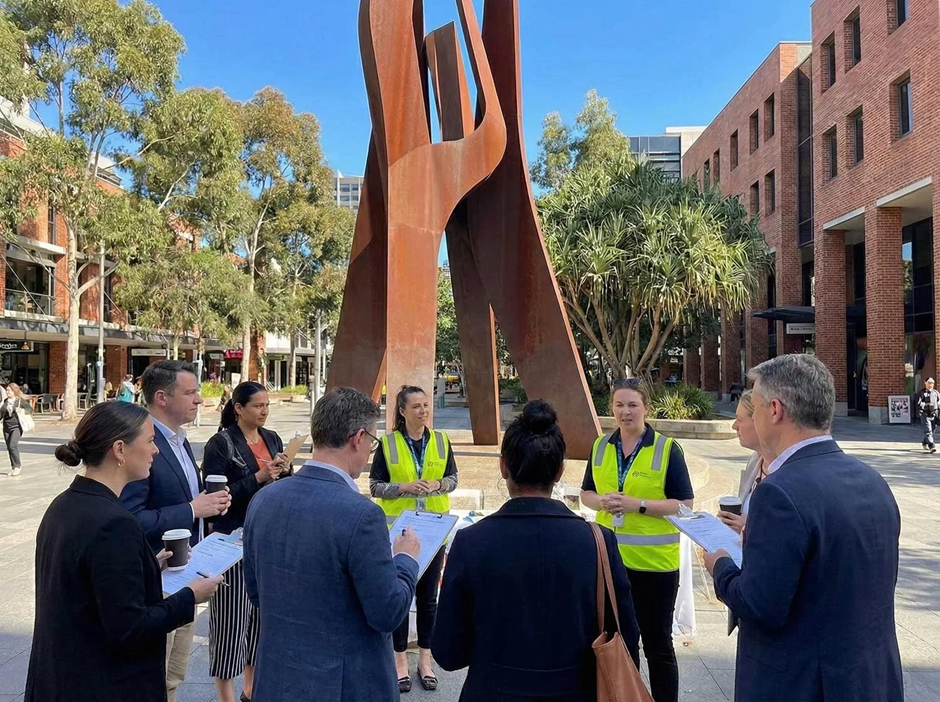
One of the most common mistakes buyers make is selecting a material before fully defining the project’s technical and operational requirements.
Instead of asking,
“Should we use fiberglass?”
successful project teams usually begin by asking,
“What does this sculpture need to achieve over the next 10–20 years?”
The answer depends on several project-specific considerations.
For example:
- Will the sculpture become a permanent landmark or a temporary installation?
- Will visitors be able to touch or interact with it?
- Is the installation site exposed to coastal conditions, strong sunlight, or seasonal weather changes?
- Does the sculpture require intricate artistic detailing or oversized dimensions?
- Are there transportation restrictions or limited access to the installation site?
- What level of maintenance is acceptable over the sculpture’s lifetime?
By answering these questions first, buyers can evaluate whether fiberglass aligns with both the artistic vision and the project objectives.
Rather than treating fiberglass as simply another material option, experienced project owners view it as part of a larger engineering and project management decision.
Fiberglass, Bronze, or Stainless Steel? Understanding the Differences
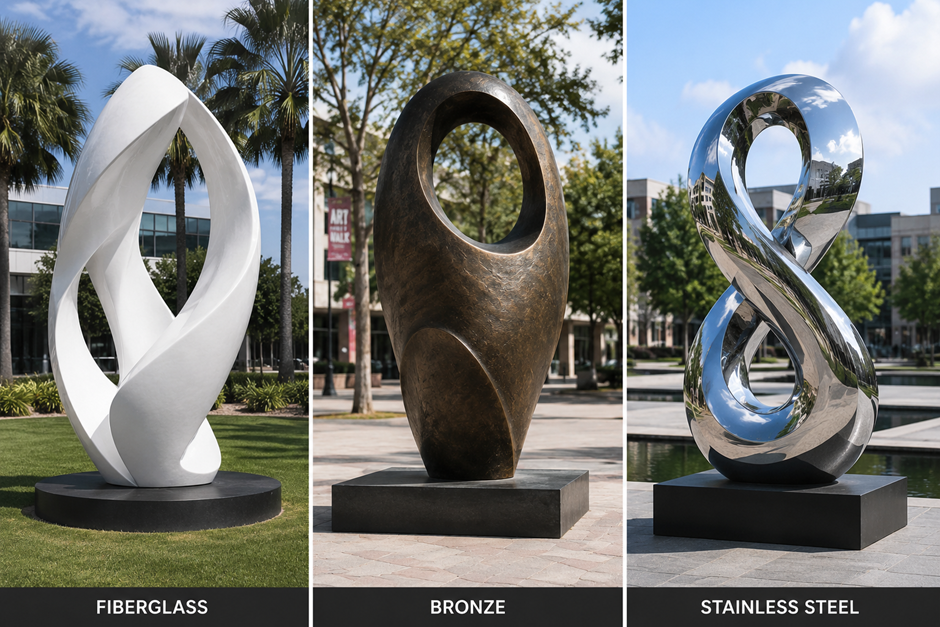
Every sculpture material offers unique advantages, and the right choice depends on the project’s objectives rather than personal preference.
| Evaluation Factor | Fiberglass | Bronze | Stainless Steel |
| Design Flexibility | Excellent for complex custom shapes | Excellent for traditional artistic forms | Best for contemporary geometric designs |
| Weight | Lightweight | Heavy | Heavy |
| Transportation | Easier to transport | Requires heavier logistics | Moderate to complex logistics |
| Installation | Generally simpler | Requires stronger foundations | Depends on project scale |
| Surface Finishes | Highly customizable | Traditional patinas | Mirror, brushed, or textured finishes |
| Maintenance | Low with quality coatings | Periodic maintenance recommended | Low maintenance |
| Ideal Applications | Public art, themed environments, commercial developments | Heritage projects, monuments | Contemporary architecture and urban landscapes |
The purpose of this comparison is not to suggest that fiberglass is always the superior choice. Instead, it highlights why many architects and developers choose fiberglass when creative flexibility, manageable installation, and customized finishes are important project requirements.
Understanding these differences allows buyers to select a material that supports both the artistic vision and the practical realities of construction and maintenance.
How to Evaluate Fiberglass Sculpture Manufacturers Before Requesting a Proposal
Selecting the right manufacturer is often the single most important decision in a public sculpture project.
While many suppliers can produce attractive photographs for marketing purposes, experienced buyers know that successful public installations require much more than visual appeal.
Before requesting quotations, evaluate manufacturers using criteria that directly influence project quality, delivery reliability, and long-term performance.
Buyers who are still comparing suppliers may also find it helpful to read our guide on choosing the right fiberglass sculpture manufacturer before making a final decision.
1. Engineering Capability
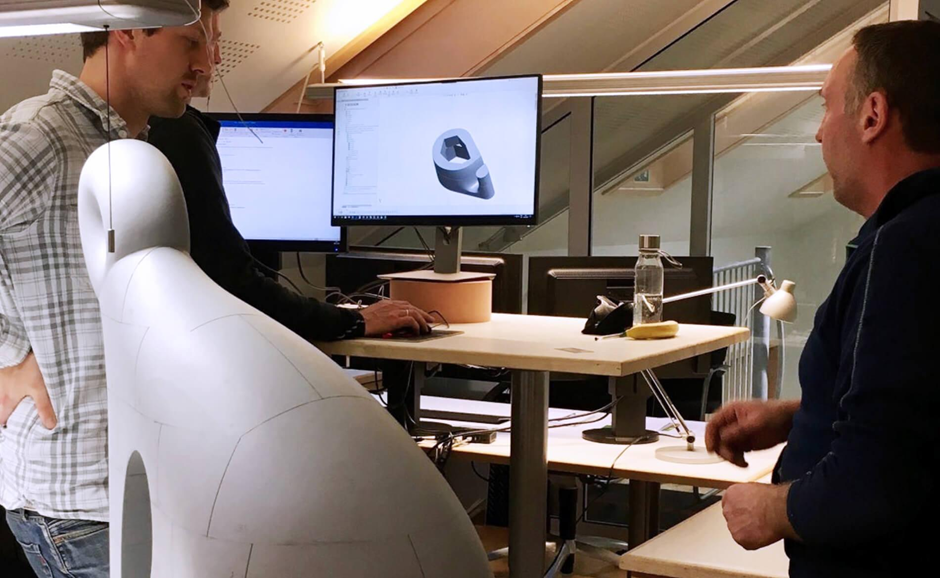
Experienced manufacturers such as Pegasus contribute far more than fabrication. During the early planning stages, the team works closely with architects, designers, and project stakeholders to evaluate structural requirements, recommend suitable reinforcement methods, develop production-ready CAD drawings, and identify engineering challenges before manufacturing begins.
This collaborative engineering approach helps ensure the sculpture can be manufactured efficiently while meeting structural, aesthetic, and installation requirements.
Early engineering involvement often prevents expensive modifications during manufacturing or installation.
2. Experience With Public Space Projects
Manufacturing sculptures for public environments differs significantly from producing decorative indoor artwork.
Public installations must account for weather exposure, visitor interaction, transportation constraints, installation methods, and long-term durability.
Review completed projects similar to your own in terms of size, complexity, and environment rather than relying solely on studio photographs.
Where possible, reviewing completed public sculpture projects can provide valuable insight into craftsmanship, finish quality, and long-term performance.
3. Customization and Design Collaboration
Every public project presents different objectives.
Some sculptures become civic landmarks.
Others reinforce corporate identity, celebrate cultural heritage, or create interactive visitor experiences.
The right manufacturing partner should be comfortable collaborating with architects, landscape designers, artists, consultants, and project managers throughout the design development process rather than simply producing an existing drawing.
This collaborative approach often results in more practical fabrication solutions while preserving the original artistic intent.
Buyers with unique concepts can also explore Pegasus’ customization process to understand how ideas move from initial sketches to production-ready sculptures.
How Professional Manufacturers Turn Ideas into Public Landmarks
A successful public sculpture is the result of careful planning, engineering, and quality control—not simply artistic talent. While every manufacturer has its own workflow, experienced fiberglass sculpture manufacturers typically follow a structured process that minimizes production risks and ensures the finished sculpture meets both aesthetic and technical requirements.
Understanding this process helps buyers compare proposals more effectively and identify manufacturers who invest in quality from the very beginning.
Step 1: Project Consultation and Feasibility Review
Every successful project begins with a clear understanding of the client’s objectives.
During the initial consultation, manufacturers gather information such as:
- Installation location
- Intended purpose of the sculpture
- Dimensions and scale
- Design inspiration or concept artwork
- Budget expectations
- Timeline
- Environmental conditions
- Site access for delivery and installation
Rather than moving directly into production, experienced manufacturers use this stage to identify potential engineering or logistical challenges that could affect the project later.
Step 2: Design Development and Engineering
Once the concept is approved, the Pegasus design and engineering team works closely with the client to transform artistic concepts into production-ready models while ensuring structural performance, manufacturability, and installation requirements are fully considered.
This stage often includes:
- CAD drawings
- 3D digital modelling
- Structural planning
- Component breakdown for transportation
- Installation planning
- Material recommendations
For large public sculptures, engineering is just as important as appearance. Internal structures must safely support the sculpture while accounting for environmental loads, transportation, and installation requirements.
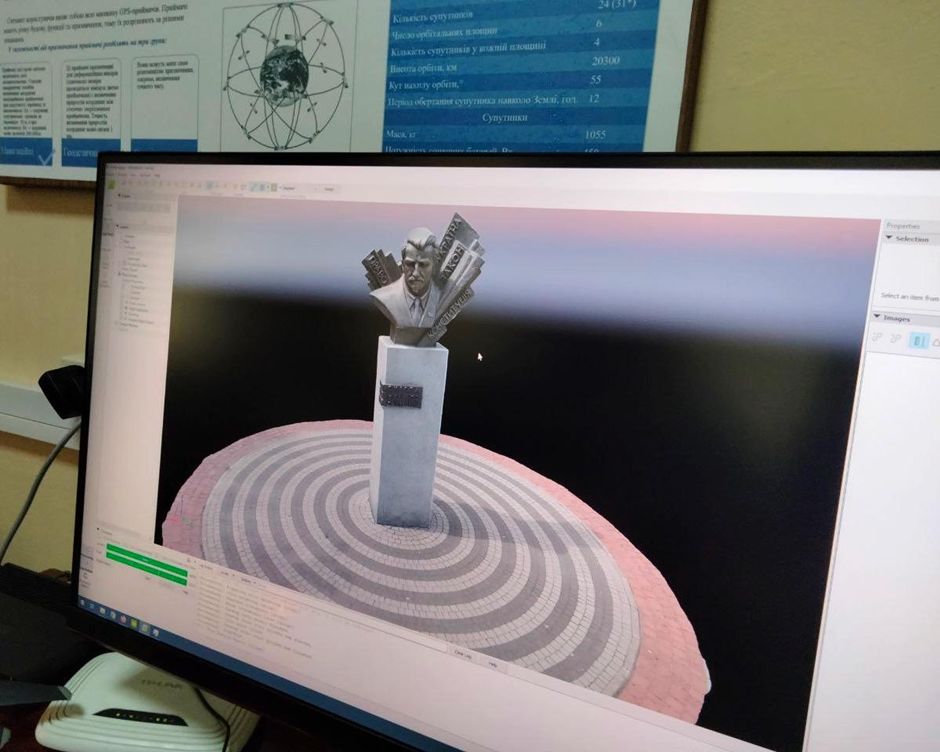
Step 3: Scale Model and Client Approval
Many custom projects include a scale model, prototype, or digital rendering before full production begins.
Although this stage adds time to the project, it often saves significant costs by allowing buyers to review:
- Overall proportions
- Artistic details
- Surface textures
- Colors and finishes
- Installation orientation
Early approvals help reduce revisions during fabrication and improve communication between all project stakeholders.
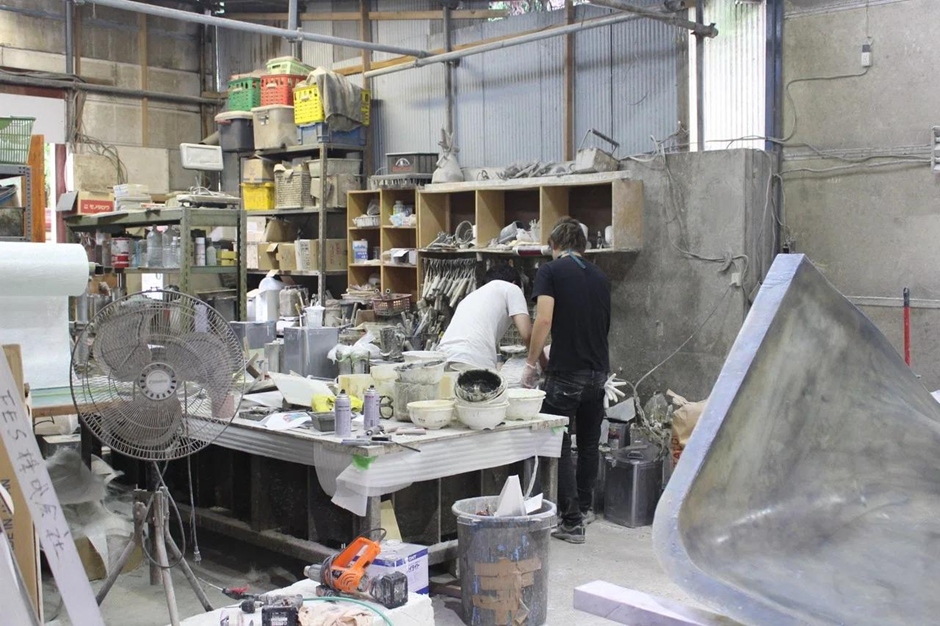
Step 4: Mold Fabrication and Production
The mold is one of the most important elements in producing custom fiberglass sculptures.
A well-designed mold ensures:
- Accurate dimensions
- Consistent detailing
- Smooth surface quality
- Repeatable production if additional sculptures are required
Poor mold preparation can affect every stage that follows, making this an important indicator of a manufacturer’s overall quality standards.
Step 5: Fiberglass Layup and Structural Reinforcement
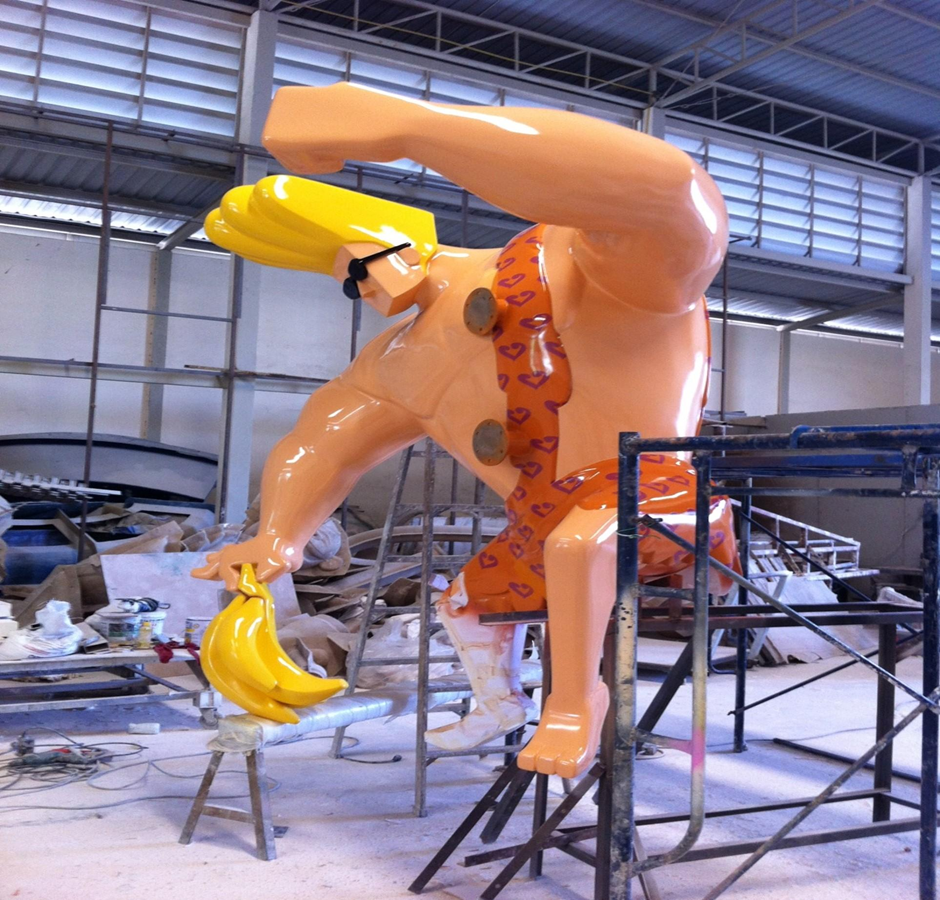
During production, layers of fiberglass and resin are carefully applied to create the sculpture’s external shell.
Depending on the project’s structural requirements, manufacturers may also incorporate internal steel reinforcement or engineered support systems to improve stability without adding unnecessary weight.
The combination of reinforcement, resin quality, and fabrication technique directly influences how the sculpture performs throughout its service life.
Step 6: Surface Finishing and Protective Coatings
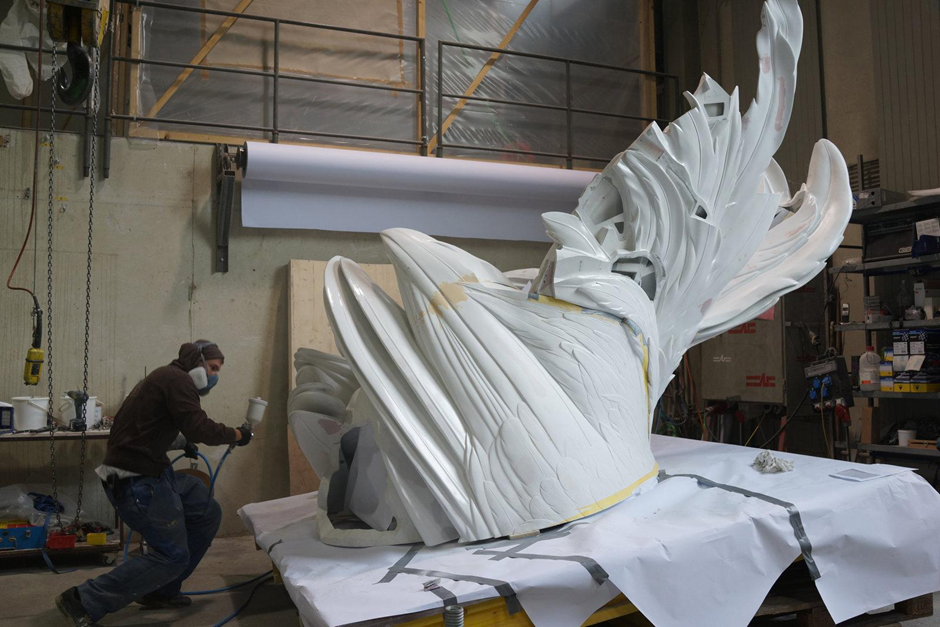
After fabrication, the sculpture undergoes detailed finishing to achieve the approved appearance.
This process may include:
- Surface refinement
- Filling and smoothing
- Primer application
- Color matching
- Protective topcoats
- UV-resistant coatings
- Specialty textures or artistic finishes
High-quality finishing not only improves appearance but also contributes to long-term weather resistance and easier maintenance.
Step 7: Quality Inspection Before Delivery
Experienced manufacturers inspect sculptures throughout production rather than relying only on a final inspection.
Typical quality checks may include:
- Dimensional verification
- Surface finish inspection
- Structural integrity review
- Color consistency
- Assembly verification
- Packaging preparation
These inspections help identify issues before shipping, reducing the likelihood of costly on-site corrections.
Real Project Example: Planning Beyond Manufacturing
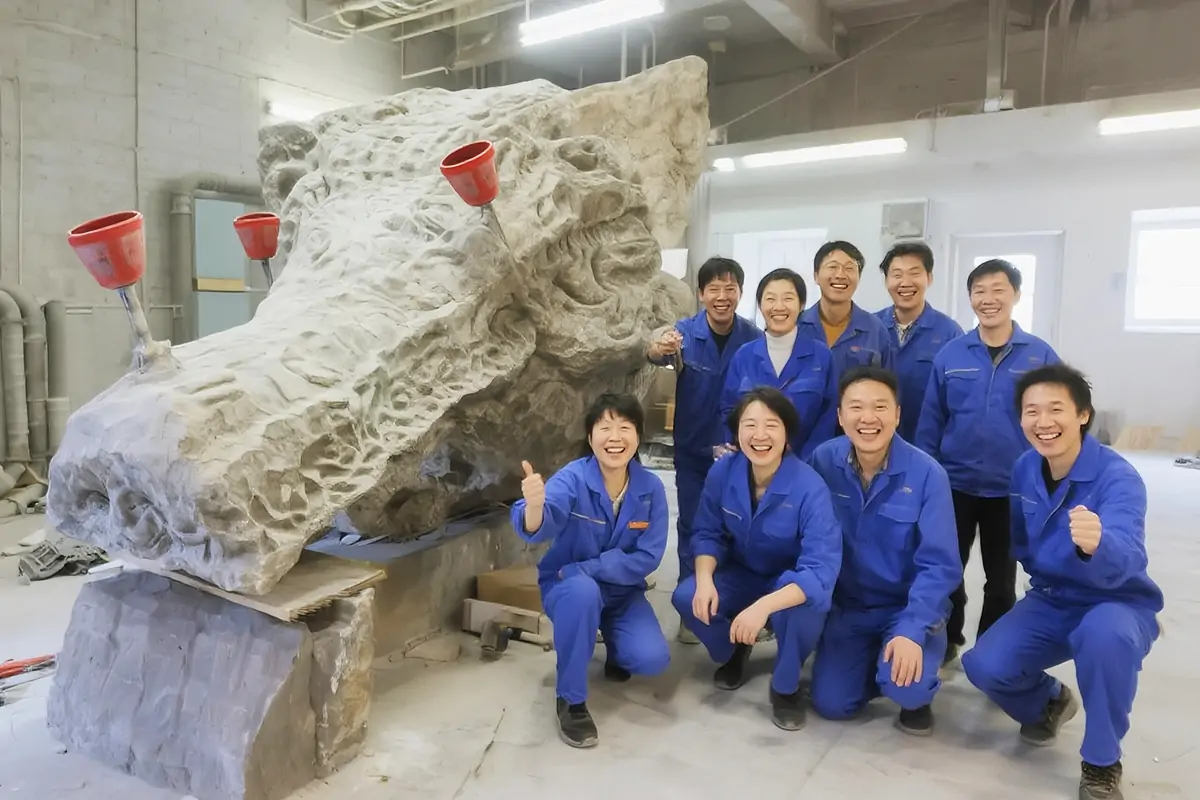
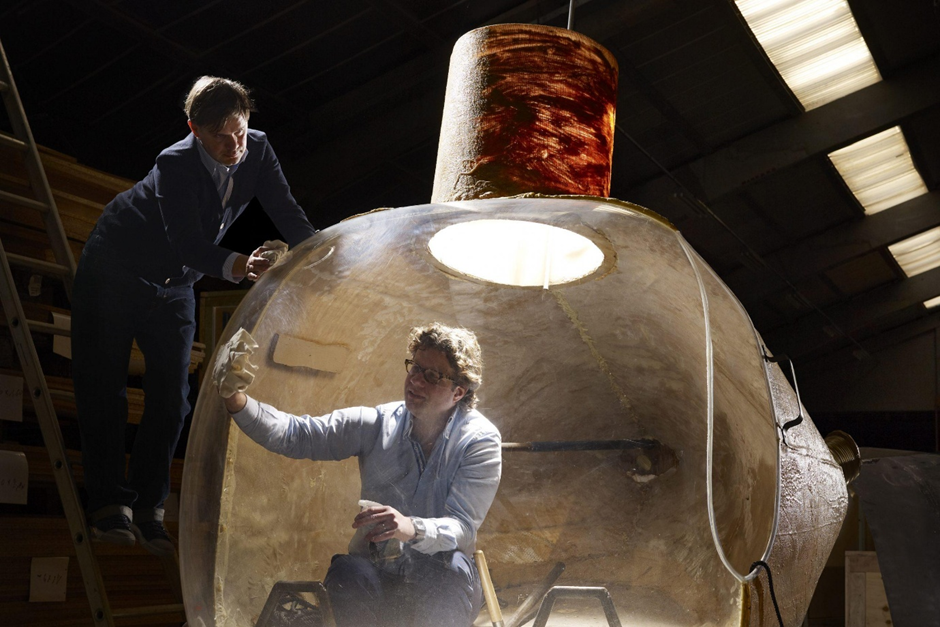
One recent Pegasus project involved producing a custom fiberglass sculpture for a commercial public plaza. Because the installation site had transportation access constraints and specific structural requirements, the team carefully planned the engineering, logistics, and installation strategy before fabrication began.
After client approval, the sculpture progressed through fabrication, quality inspections, protective finishing, coordinated delivery, and installation support, helping the project move smoothly from production to final placement. By addressing these practical considerations early in the project, the team minimized the risk of unexpected delays, reduced the need for on-site modifications, and ensured a more efficient project execution.
This type of collaborative project management is one of the reasons experienced buyers often involve their manufacturing partner long before fabrication begins.
What Factors Influence the Cost of Custom Fiberglass Sculptures?
One of the first questions buyers ask is:
“How much will a custom fiberglass sculpture cost?”
The answer depends on much more than size alone.
Several technical and project-specific factors influence pricing, including:
| Cost Factor | Why It Matters |
| Sculpture Size | Larger sculptures require more materials, fabrication time, and transportation planning. |
| Design Complexity | Intricate forms, textures, and artistic details increase production time. |
| Engineering Requirements | Large or structurally complex projects often require additional engineering and reinforcement. |
| Surface Finish | Specialty paints, metallic effects, or custom textures involve additional finishing work. |
| Installation Environment | Outdoor installations may require enhanced coatings or structural considerations. |
| Transportation | Oversized sculptures may require specialized packaging and logistics. |
| Installation Support | Site supervision or assembly assistance can affect the overall project scope. |
Rather than comparing quotations based solely on price, buyers should evaluate what each proposal includes. A lower initial quotation may not cover engineering support, protective coatings, installation guidance, or post-delivery assistance—all of which can influence the project’s long-term success.
Understanding the Typical Project Timeline
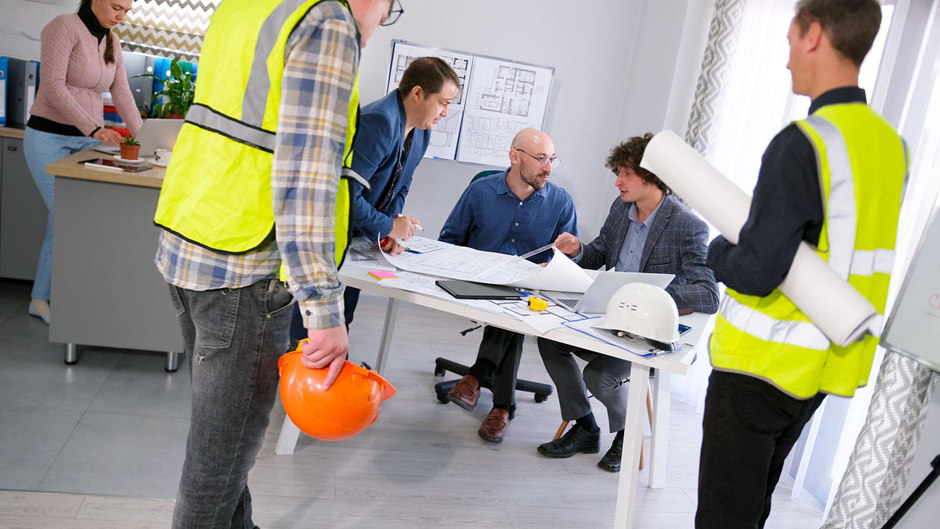
Every project is different, but knowing the general workflow helps buyers plan more effectively and coordinate with architects, contractors, and other stakeholders.
| Project Stage | What Buyers Can Expect |
| Initial Consultation | Project goals, site requirements, and design discussions. |
| Concept Development | CAD models, engineering reviews, and design refinement. |
| Client Approval | Approval of drawings, finishes, or scale models before production. |
| Manufacturing | Mold fabrication, fiberglass layup, reinforcement, and finishing. |
| Quality Inspection | Comprehensive checks before packaging and shipment. |
| Delivery | Protective packaging and coordinated transportation. |
| Installation | On-site assembly, positioning, and final inspection where required. |
Understanding these stages allows buyers to establish realistic schedules and reduce delays during project execution.
Common Procurement Mistakes That Can Increase Project Risk
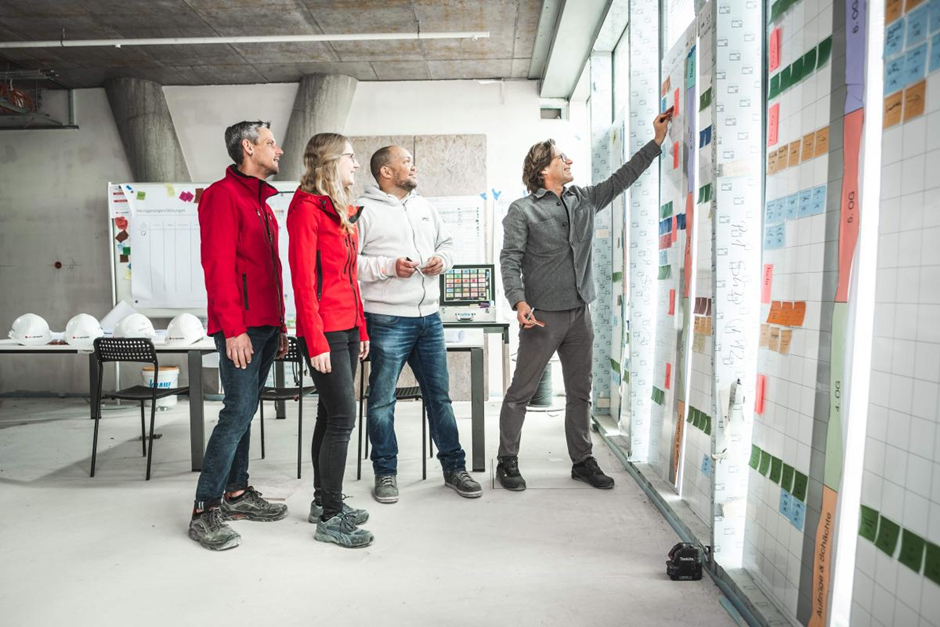
Even well-planned public art projects can face unexpected challenges when key decisions are made too quickly.
Some of the most common mistakes include:
Choosing a Manufacturer Based Only on Price
The lowest quotation doesn’t always represent the best value. Manufacturing expertise, engineering capability, quality control, and after-sales support often have a greater impact on the project’s long-term success.
Skipping the Engineering Discussion
Engineering should never be treated as an optional extra for public installations.
Understanding internal reinforcement, structural stability, and installation requirements early helps reduce future risks.
Approving Production Too Quickly
Rushing into fabrication without carefully reviewing drawings, finishes, or scale models can lead to expensive revisions later.
A structured approval process benefits both buyers and manufacturers.
Overlooking Transportation and Installation
Large sculptures often require careful planning long before they leave the factory.
Site access, lifting equipment, foundations, and installation sequencing should all be considered during project planning—not after production is complete.
Ignoring Long-Term Maintenance
Public sculptures are long-term investments.
Understanding cleaning requirements, protective coatings, inspection schedules, and future maintenance helps preserve both appearance and performance for many years.
A Buyer’s Checklist Before Ordering Custom Fiberglass Sculptures
Before selecting a manufacturing partner, consider asking the following questions:
✔ Does the manufacturer have experience with public installations similar to your project?
✔ Can they provide engineering drawings or CAD models before production?
✔ How is the internal structure designed for strength and stability?
✔ Which fiberglass materials, resins, and protective coatings will be used?
✔ What quality control procedures are followed during production?
✔ Will progress updates and approval milestones be provided?
✔ How will the sculpture be packaged and transported?
✔ Is installation guidance or on-site support available if required?
✔ What maintenance recommendations will be provided after installation?
These questions encourage meaningful conversations and help buyers compare manufacturers on capability rather than price alone.
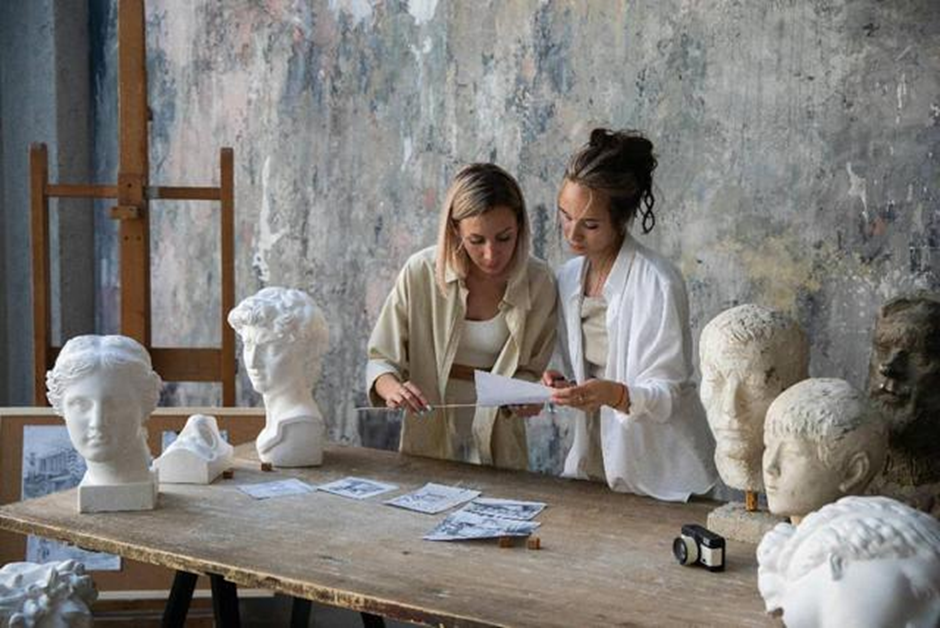
How Pegasus Supports Public Sculpture Projects
Selecting a manufacturer is more than comparing quotations—it is about choosing a partner who can guide a project from concept to successful installation. Public sculpture projects often involve architects, landscape designers, engineers, contractors, developers, and project owners, making communication and coordination just as important as fabrication quality.
Pegasus approaches each project as a collaborative process rather than a standard manufacturing order. Whether the client begins with a concept sketch, architectural rendering, or fully developed design, the team works through each stage systematically to ensure the sculpture meets both creative and technical expectations.
A typical project workflow includes:
- Initial consultation to understand project goals and installation requirements.
- Design development and customization based on the client’s vision.
- Engineering review for structural stability and production feasibility.
- Professional fabrication using quality-controlled manufacturing processes.
- Surface finishing and protective coating applications suitable for the installation environment.
- Final quality inspection before packaging and shipment.
- Delivery coordination and installation support where required.
This structured approach helps minimize production risks while giving buyers greater confidence throughout the project.
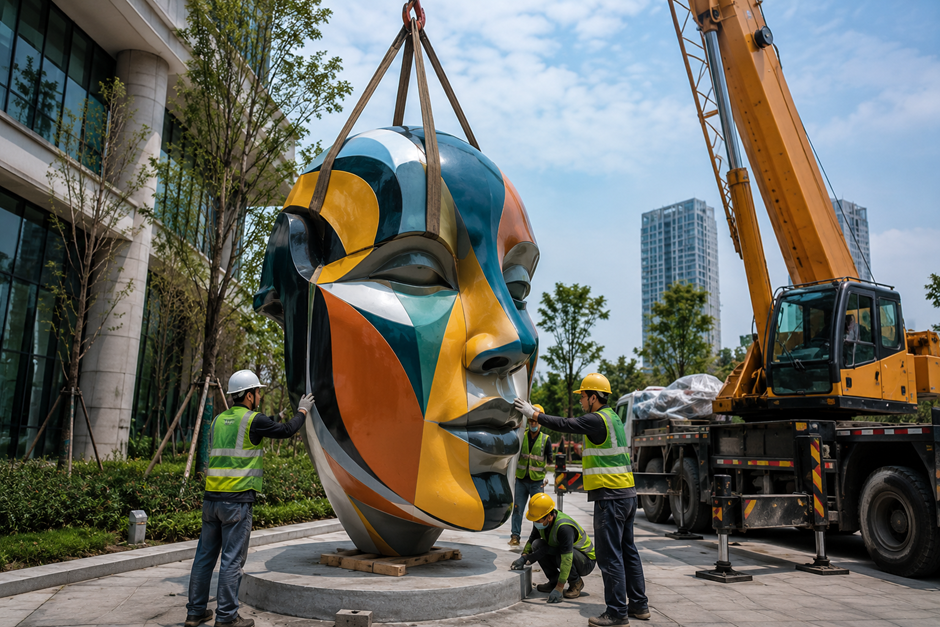
If you’re exploring custom fiberglass sculptures for a public space, reviewing a manufacturer’s previous work is one of the best ways to understand their capabilities. Pegasus showcases a range of completed installations that demonstrate different artistic styles, project scales, and fabrication techniques. Buyers can also explore the company’s customization capabilities to see how concepts are transformed into finished sculptures tailored to specific environments.
Why Early Planning Leads to Better Public Sculpture Projects
Successful public sculptures rarely happen by accident.
Behind every completed installation is a series of well-informed decisions made long before production begins. Defining project objectives, selecting appropriate materials, reviewing engineering details, approving designs, and planning installation all contribute to a smoother project and a better long-term outcome.
Early collaboration also helps identify practical considerations that may otherwise be overlooked, such as transportation access, foundation requirements, maintenance planning, and environmental conditions. Addressing these factors during the planning stage reduces unexpected costs and helps ensure the sculpture performs as intended once installed.
Rather than viewing the manufacturer simply as a supplier, experienced buyers often benefit from working with a team that can provide technical guidance throughout the project lifecycle.
Conclusion
Public sculptures are long-term investments that shape how people experience a space for years to come. While material selection is important, the overall success of a project depends just as much on choosing experienced fiberglass sculpture manufacturers with the technical knowledge to transform creative ideas into durable, well-engineered installations.
Before placing an order, buyers should look beyond appearance and evaluate factors such as engineering capability, customization expertise, manufacturing quality, project management, installation planning, and long-term support. Working with an experienced manufacturer like Pegasus from the early planning stages can help reduce project risks while ensuring the finished sculpture performs as intended for years to come. Taking these factors into account gives buyers greater confidence that their investment will continue to perform reliably and enhance its intended public space for many years.
Whether you’re commissioning artwork for a city plaza, commercial development, university campus, hotel, or cultural destination, taking the time to evaluate your manufacturing partner carefully will help you make a confident and informed investment.
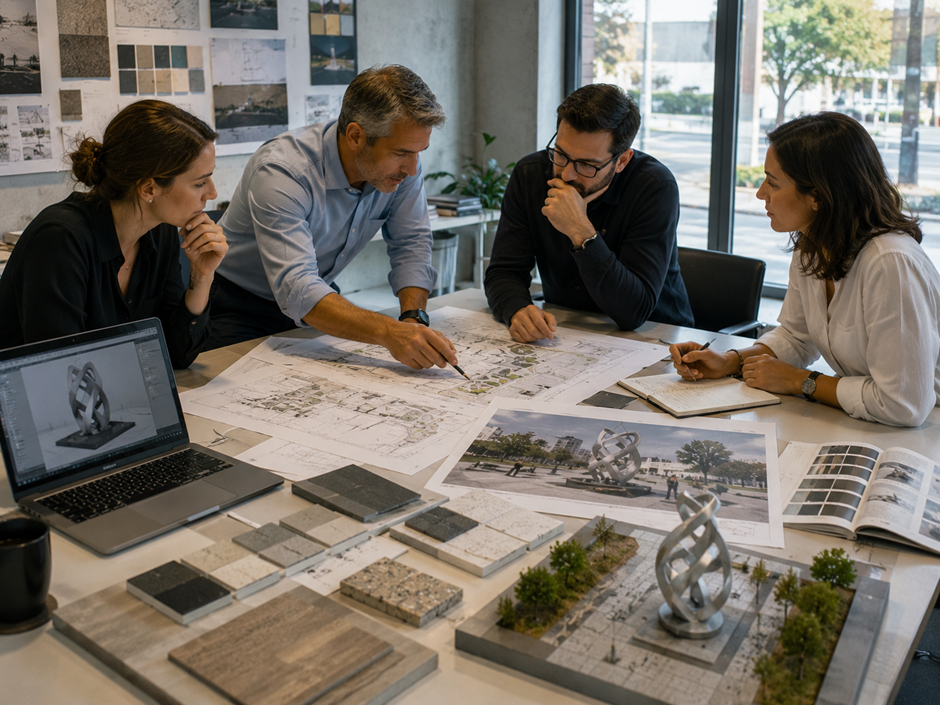
If you’re ready to explore a custom project, review Pegasus’ Fiberglass Sculpture capabilities, browse completed Project installations, learn more about the Customization process, or Contact the team to discuss your ideas and project requirements.
Frequently Asked Questions
1. Why are custom fiberglass sculptures popular for public spaces?
Custom fiberglass sculptures combine design flexibility, durability, and lightweight construction, making them suitable for parks, commercial developments, hotels, museums, universities, and other public environments. They can accommodate complex artistic designs while remaining easier to transport and install than many traditional materials.
2. How long do fiberglass sculptures last outdoors?
When manufactured using quality materials, proper structural reinforcement, and UV-resistant protective coatings, fiberglass sculptures can remain in excellent condition for many years. Routine cleaning and periodic inspections help preserve both appearance and structural performance.
3. What information should I prepare before requesting a quotation?
Providing concept drawings, dimensions, installation location, preferred finishes, project timeline, budget expectations, and reference images enables manufacturers to prepare more accurate proposals and recommend suitable production solutions.
4. How do fiberglass sculpture manufacturers ensure structural strength?
Professional manufacturers typically combine engineered internal steel reinforcement with carefully controlled fiberglass layup techniques, quality resin systems, and multiple inspection stages throughout production. Engineering requirements vary depending on the sculpture’s size, installation environment, and intended use.
5. Can fiberglass sculptures be customized to match a specific architectural or branding concept?
Yes. One of fiberglass’s greatest advantages is its versatility. Manufacturers can create sculptures in custom sizes, shapes, colors, textures, and finishes to complement architectural themes, corporate branding, cultural projects, or artistic concepts.
6. How long does a custom fiberglass sculpture project usually take?
Production timelines vary based on the sculpture’s size, complexity, approval process, finishing requirements, and installation planning. Large public projects generally involve several stages, including design development, engineering, fabrication, quality inspections, and logistics coordination before delivery.
7. Do public fiberglass sculptures require special foundations?
Foundation requirements depend on the sculpture’s dimensions, weight, installation location, and structural design. Large outdoor sculptures often require engineered foundations or anchoring systems to ensure long-term stability and public safety.
8. How should buyers choose the right manufacturer for a public sculpture project?
Instead of comparing prices alone, buyers should evaluate a manufacturer’s engineering capabilities, project experience, quality control processes, customization expertise, communication, installation support, and portfolio of completed public projects. A comprehensive evaluation helps reduce project risks and improves the likelihood of a successful installation.