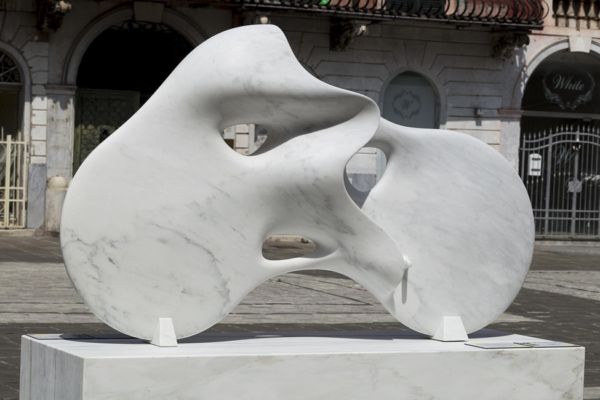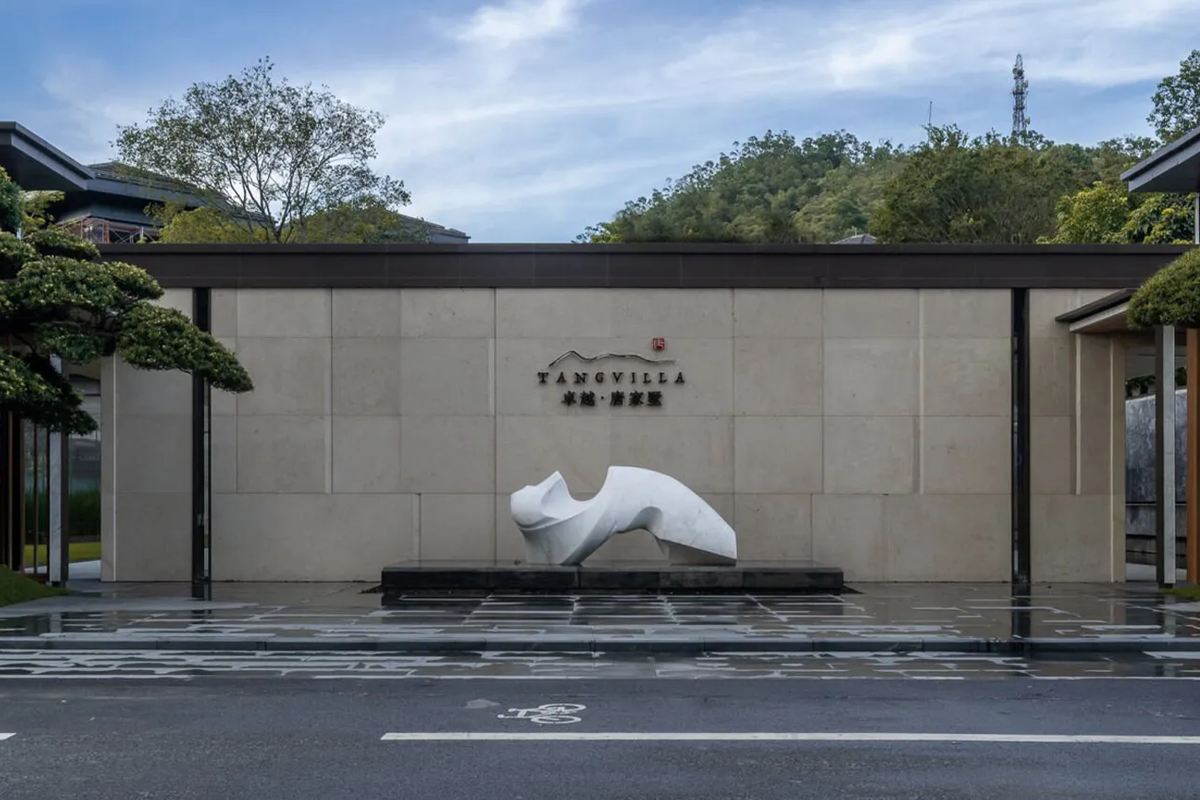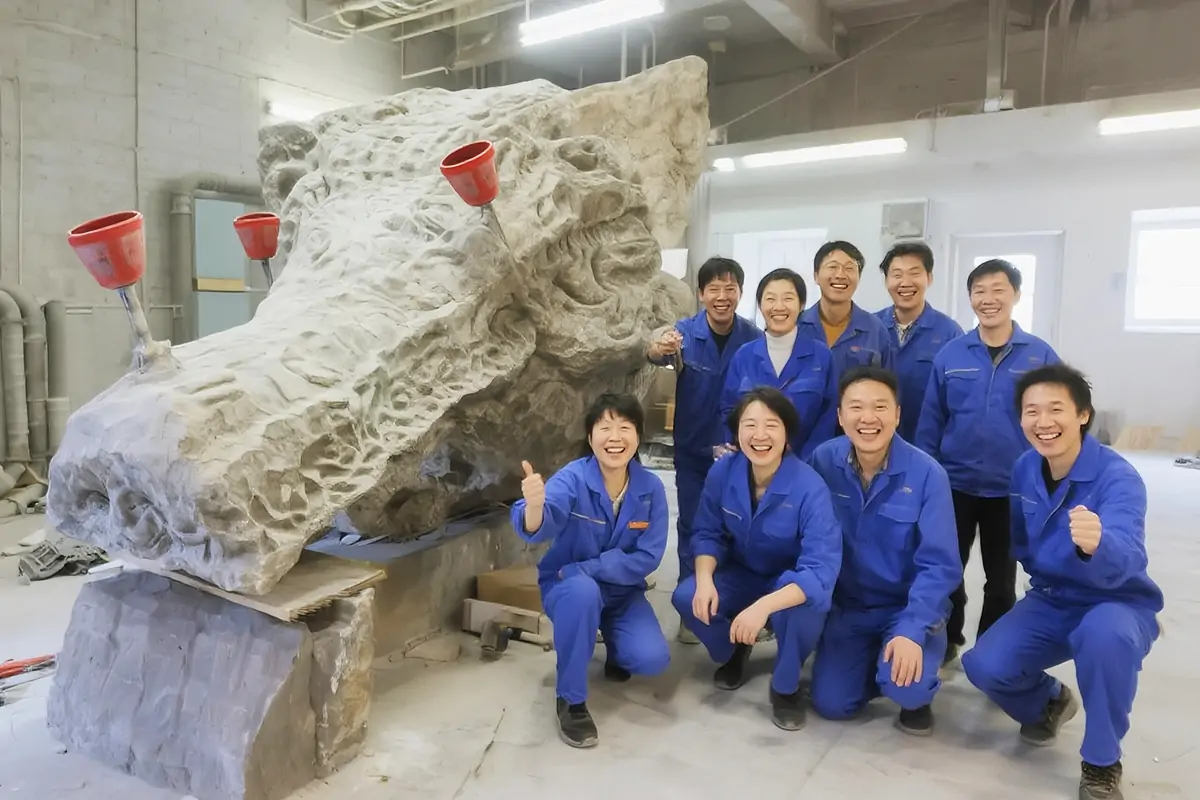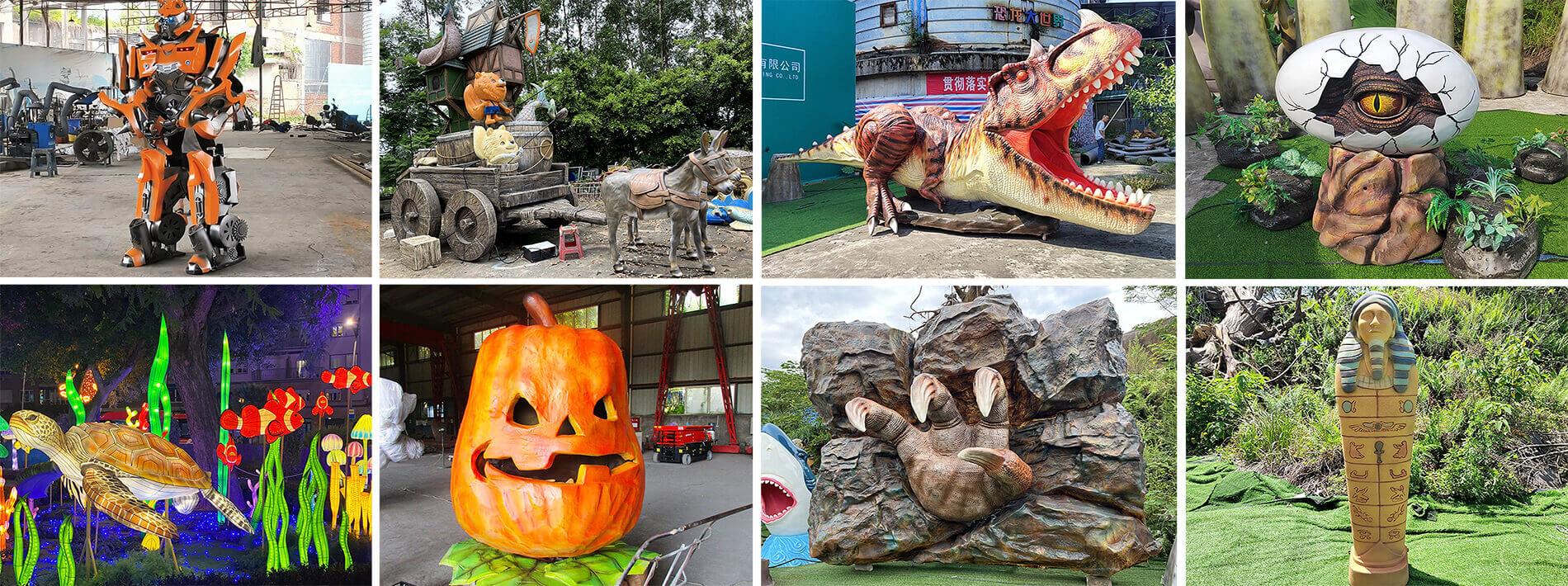
Two fiberglass sculptures can look identical on day one. One is still sharp, bright, and structurally sound three winters later. The other has chalked, yellowed, and started peeling its laminate seams through the paint. You cannot identify the difference in the photos a vendor sends you. The spec sheet, which most buyers often overlook, reflects this difference.
This guide covers all your needs, whether it’s a corporate mascot for a retail plaza, a massive art piece for a public square, or an enormous prop for a theme park, when it comes to vetting manufacturers of custom fiberglass sculptures.

What’s “Fiberglass Sculpture,” and why does it matter for buyers?
Fiberglass, commonly known as Fiber-Reinforced Plastic or FRP, is made of glass fibers that are put up within a resin matrix before being completed with a gel coat and topcoat paint system. Buyers often prefer it over bronze or stainless steel for some genuine reasons.
One of the most common reasons is for its weight. FRP is around 70-80% lighter than cast bronze and one-fifth the weight of concrete. A four-meter bronze mascot causes a foundation and crane dilemma. The mascot for FRP consists of two individuals and a few anchor bolts.
Another reason why buyers choose fiberglass sculpture is it gives freedom to different shapes and sizes and designs. Liquid resin fills a mold. It produces microscopic surface detail, skin texture, feather barbs, and precise geometric edges that metal forging cannot match at the same price.
Cost plays a major role. Custom FRP typically runs 30-60% less than an equivalent bronze piece at a monumental scale. For budgeting purposes, a 2-meter custom FRP piece generally starts in the $2,000-$10,000+ range depending on complexity and finish.
If you want to compare FRP directly with stainless steel options, which are suitable for some outdoor landmark projects, our stainless steel sculptures include shiny and brushed 304/316 choices, like water features, tree sculptures, and large abstract pieces that FRP can’t match in a reflective finish.
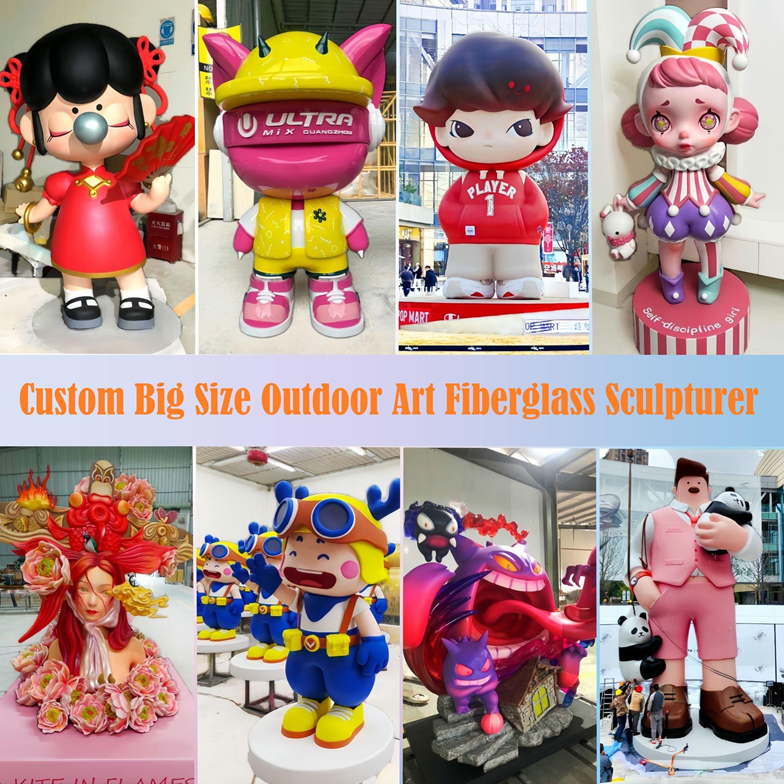
How to Vet a Fiberglass Sculpture Manufacturer: 6 Criteria That Actually Separate Good from Bad
These six questions will tell you more than any portfolio photo ever will.
1. In-House Sculpting and Mold-Making Capability
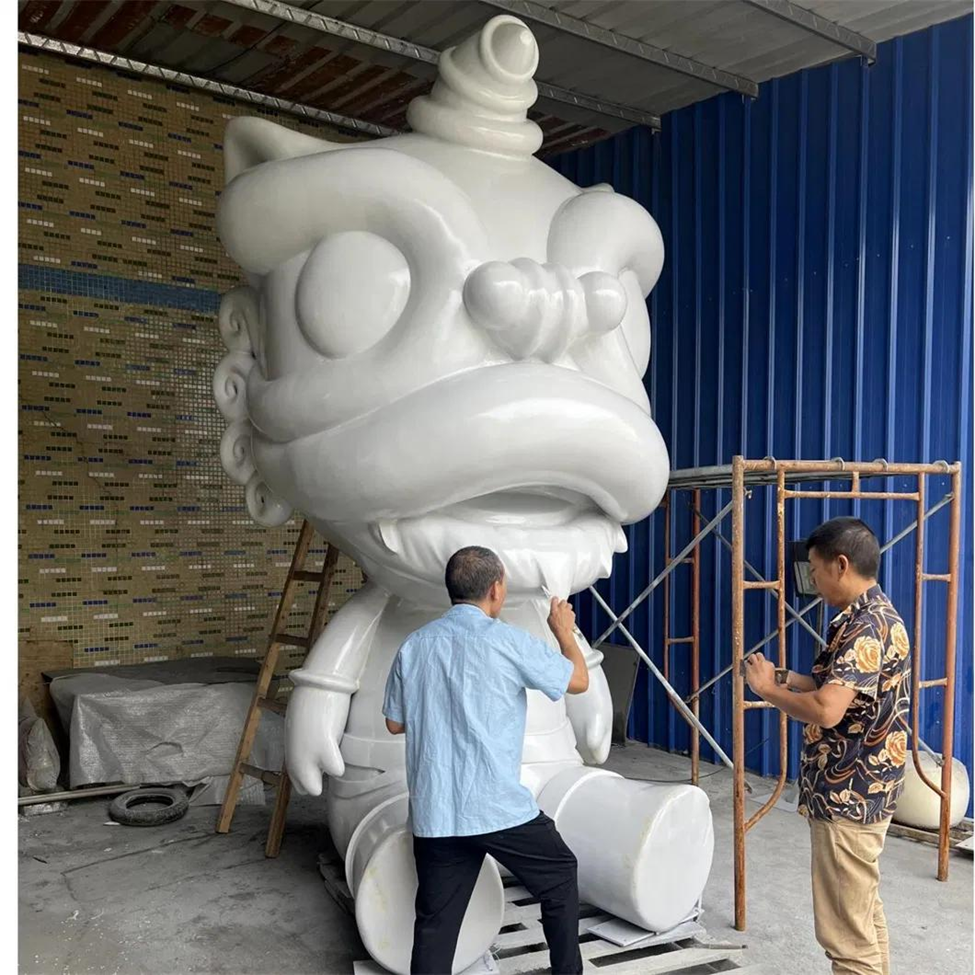
Ask directly: Do you sculpt the master here or buy finished blanks and paint them? Real manufacturers run the full chain: CNC-milled foam master and in-house mold. At Pegasus, every piece starts with 5-axis CNC milling to millimeter tolerance. If they can’t show you a master or mold, you’re talking to a paint booth with a website.
2. Resin and Gel Coat Specification – This Is the Whole Game
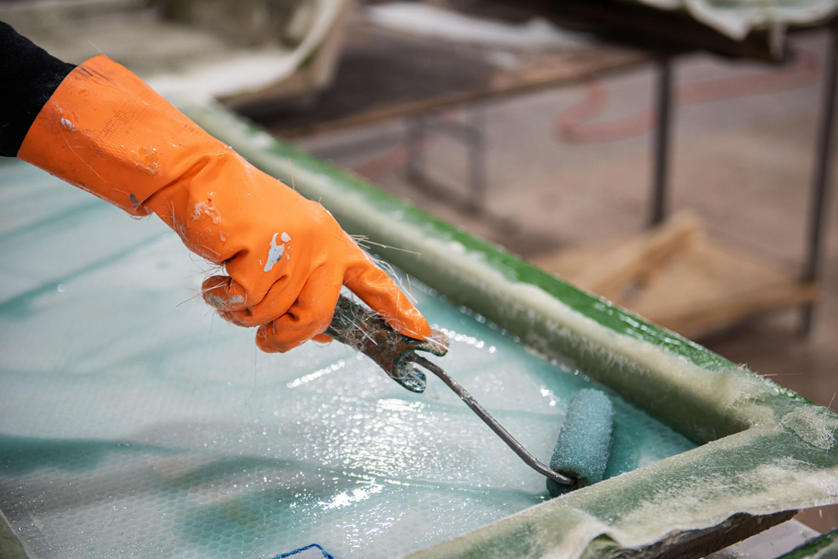
Three grades matter: orthophthalic (indoors only), isophthalic ISO/NPG (outdoor standard), and vinyl ester (coastal or 15-year specs). Gel coats should land at 18-24 mils; thinner coats and thicker turns are brittle. A quote that never names the resin is already telling you something.
3. UV Protection and Outdoor Finishing System
Raw gel coats are not weatherproof. The system that holds color is a 2K automotive polyurethane topcoat over UV-stabilized primer, plus UV clear coats. Pegasus runs an 8-stage coating process on all outdoor pieces. If a manufacturer can’t name the topcoat chemistry, the finish won’t last two summers.
4. Internal Armature and Structural Engineering
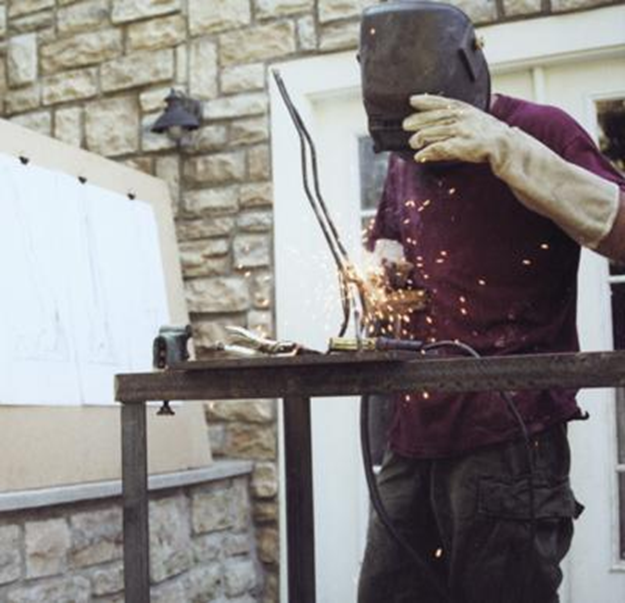
Anything over 2.5 meters needs a welded internal frame. Pegasus uses hot-dip galvanized steel, not cold-painted, which rusts through laminate within five to eight years, with anchor bolts sized to the site’s wind load. Ask for the armature drawing. If there was no drawing, it was guessed, not engineered.
5. Quality Control: Scale Model Approval, Cure Testing, and Third-Party Inspection
Approve a 3D rendering or maquette prior to manufacturing. The Barcol Hardness Test (ASTM D2583) is a commonly used method for determining curing status; any value below 35 indicates failure. A third-party examination by SGS or TÜV prior to crating is standard practice, not an extravagance.
6. Lead Time and Warranty
Honest custom production is 30 to 60-plus days before freight. Two weeks means a stock or a shortened cure. Get the UV warranty in writing; no written warranty means they already doubt the topcoat.
Custom vs. Stock Fiberglass Sculptures: Which One Is Right for Your Project?
Stock makes sense when you need a general topic quickly (a garden animal or a show item for a short-run event), you have a limited budget, and you don’t worry about exclusivity. Stock ships faster and costs significantly less upfront.
The trade-offs include inheriting the resin grade used by the factory, which is typically orthophthalic, and the fact that your competitor can order the same piece. You also get whatever size the blank comes in, not the size your site actually needs.
Custom makes sense when you need a brand mascot, a permanent public landmark, a site-specific installation, or any piece where the design itself is the IP. Custom FRP costs more because of master sculpting and mold fabrication, typically 40-100% more than a comparable stock piece, but what comes back is IP you own, a piece engineered to your exact site dimensions, and full control over the resin spec and finish system.
The entire point of exclusivity is crucial for a piece that will be photographed for a decade and associated with your brand or project. Our fiberglass sculpture manufacturing capabilities cover everything from single bespoke commissions through to mass production runs of 1,000+ units using steel or reinforced FRP master molds.
FRP vs. Stainless Steel: Knowing When to Switch Materials
Some projects go to the spec stage assuming FRP, then discover the application actually suits stainless steel better. Here’s when to have that conversation:
FRP is recommended when the design calls for complicated organic curves, large-scale character detail, fake-material finishes (faux bronze, faux wood, hyper-realistic skin), or when weight and freight cost are the most important considerations.
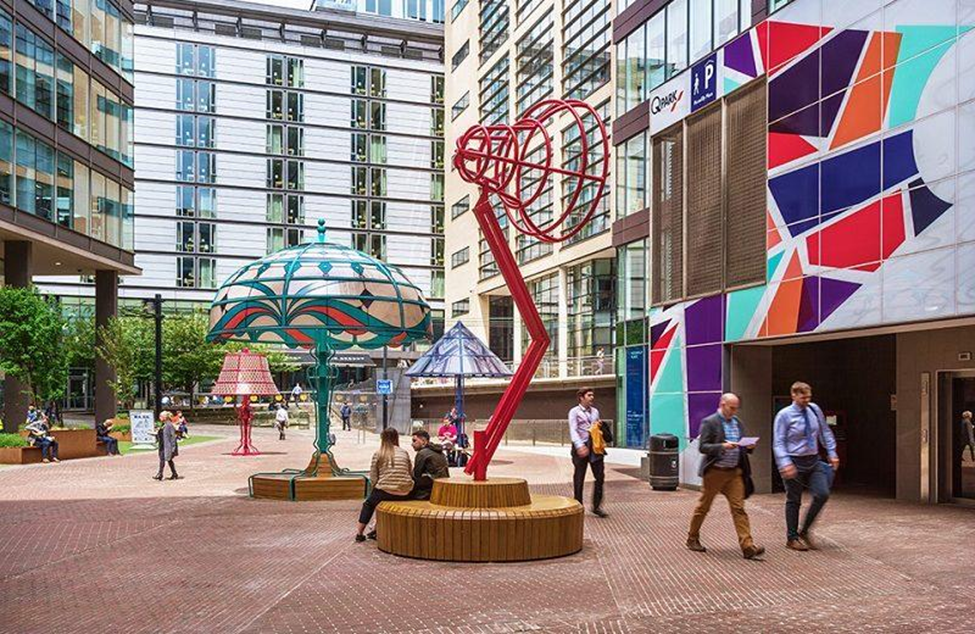
Think of stainless steel if the design is abstract or geometric, if the client wants an unrepeatable metallic gloss, or if the structure will last for 30 years or more without coating maintenance, as is the case with permanent monument installations.
Pegasus’ stainless steel collection, which includes the 2.5m Mirror-Polished Stainless Steel Splash Water Feature, the Corrosion-Resistant 304/316 Stainless Steel Tree Sculpture, and the Symphony of Butterflies Mirror Sculpture, is ideal for applications that require the reflective, low-maintenance properties of 304 or 316 steel.

Red Flags When Sourcing FRP Sculptures
Several factors lead you to walk away:
- The quote provided lacks details, including the price, resin type, gel-coat thickness, and topcoat specifications. Vague spec, vague product.
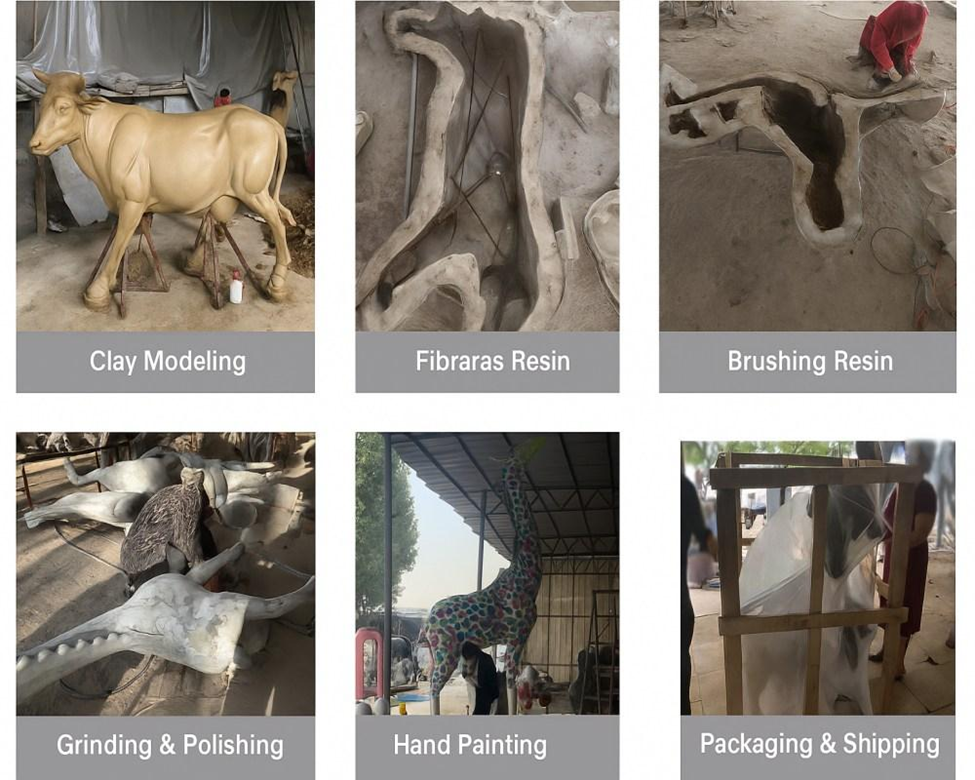
- Only finished-product photos. Where are the molds, the lay-up, and the armature welding? Finishers can’t show the process because they complete tasks without documenting them.
- There is no UV warranty, and you may receive a shrug when you ask about chalking.
- “We can do it in two weeks.” Cure chemistry isn’t concerned about your deadline.
- The quote is a round number that is significantly lower than all the others. Cheapness is the expensive option here: you pay once now and then replace it in three years.
Honestly, the cheapest quote is always the one skipping the isophthalic gel coat and the PU topcoat. You just don’t see the saving until it fails.
Questions to Ask Before You Sign
- What resin and gel coat, and at what thickness?
- What is the exact topcoat system for outdoor UV?
- Can I see the armature and anchor-bolt drawings?
- Do I approve a scale model before production?
- Is Barcol hardness and third-party inspection done?
- Lead time, crating, and who supervises on-site assembly?
The Bottom Line
Pick the manufacturer who talks about resin systems before they talk about price. The shop that sculpts its own masters, names the gel coat in mils, runs a hot-dip galvanized armature, finishes in automotive-grade polyurethane, and hands you an anchoring schematic without being asked- that’s the one whose work is still standing in fifteen years.
The one with the suspiciously round, low quote is the one you’ll be replacing. And replacement costs more than doing it right the first time, because now you’re paying for removal and reinstallation on top of the new piece.
If you’re scoping a custom FRP sculpture or comparing it against stainless steel alternatives for a landmark installation, start with our fiberglass sculpture manufacturing page for full capability details, or send drawings and a site brief directly to the team for a material spec and indicative quote. A real manufacturer will give you the spec without flinching.
Contact Pegasus for a full material specification and project quote.
Frequently Asked Questions
Is a fiberglass sculpture durable enough for permanent outdoor installation?
Yes, when it’s built correctly. The strong systems are made from vinyl ester or isophthalic laminate, a thick gel coat that blocks UV rays, and a 2K automotive polyurethane topcoat that also protects against UV damage. Raw gel coat alone will chalk within two years of direct sunlight exposure. The coating system is what you’re actually buying, not the shape.
How long does it take to create a customized FRP sculpture?
Custom manufacture might take 30–60 days or more, depending on the volume and intricacy of the finish, as well as the 20–35 days required for sea freight transit to most locations. Any vendor offering a two-week turnaround time for a real bespoke piece is either selling mass-produced goods or cutting corners on the curing time, leading to mushy laminate that distorts in the summer.
Do huge fiberglass sculptures need an inside metal frame?
Yes. Anything tall, top-heavy, or exposed to open wind stresses requires a welded galvanized or stainless steel armature with appropriate anchor bolt size. A hollow shell will droop or shatter outside in two to three years.
Can fiberglass fulfill fire-safety requirements for indoor use?
Yes. Malls, airports, transportation hubs, and other indoor commercial facilities requiring flame-spread compliance may use fire-retardant resin and gel compositions. Specify the appropriate fire rating early on, rather than later.