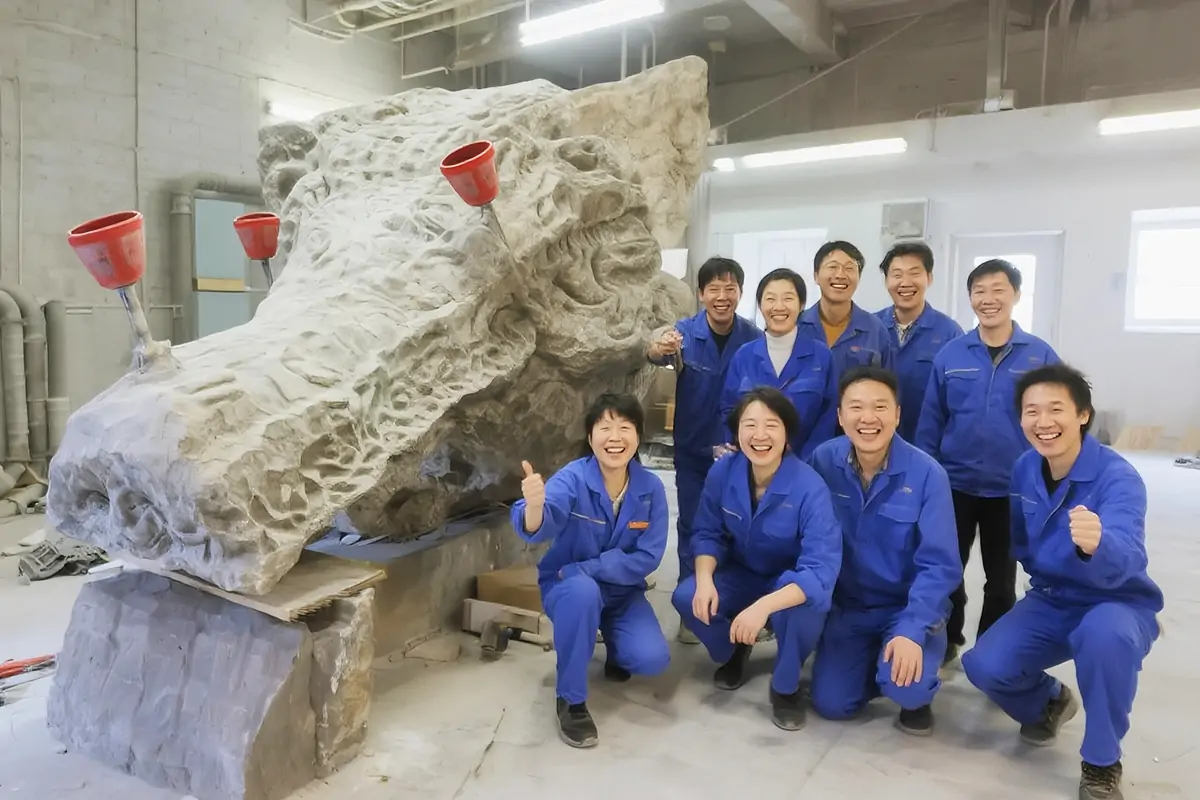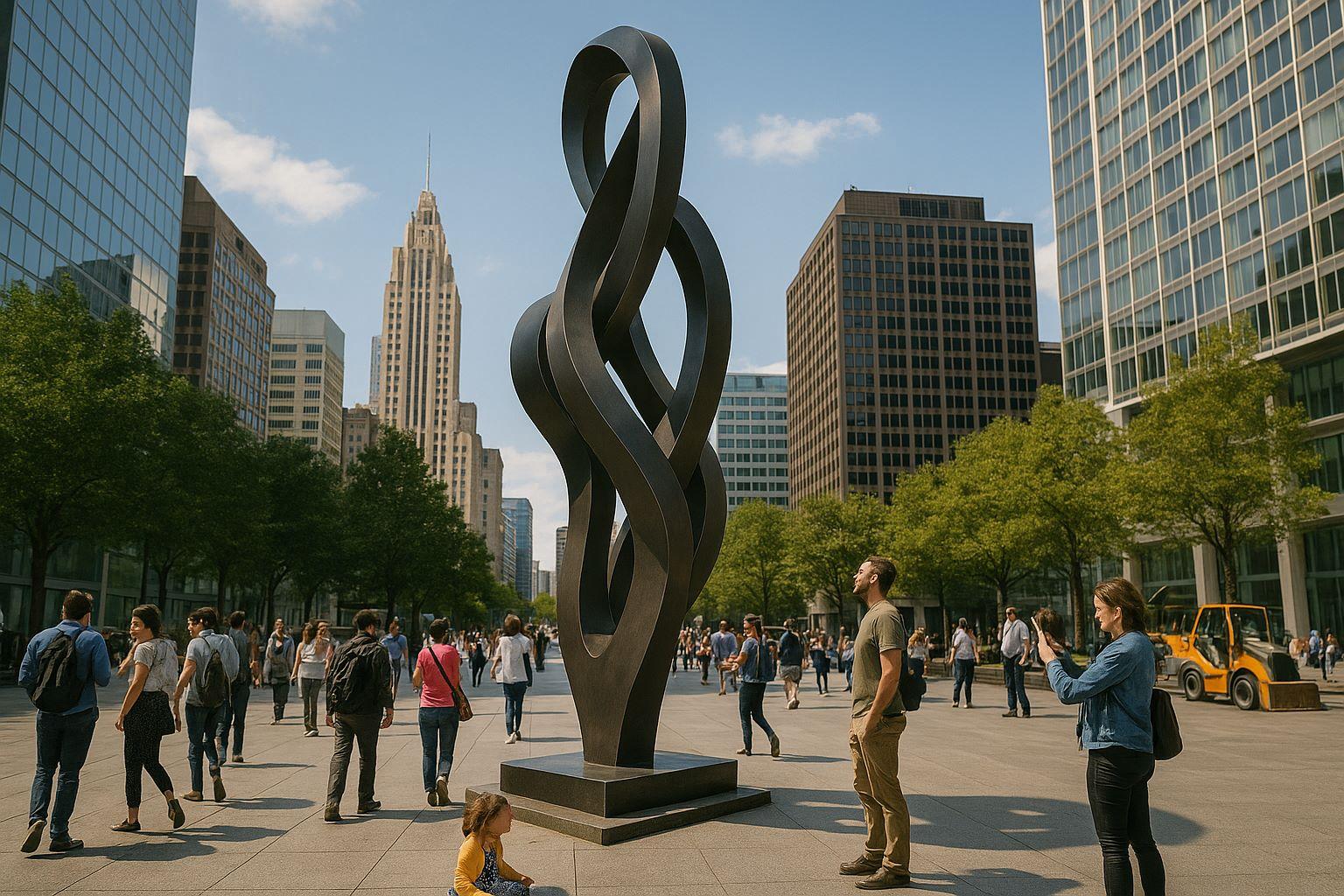
When a municipality or developer is comparing bids for a public art sculpture, the renderings and the price tag are the easy things to compare side by side. What’s harder – and far more important – is knowing whether a bidder can actually deliver. That comes down to three practical questions: Can they build it? Can they guarantee the quality? And can they deliver it on the date they’ve promised? At Pegasus, tender documentation is built around exactly these three questions – structural and engineering evidence for buildability, manufacturing and quality-control records for consistency, and a programme document that assigns clear responsibility from fabrication through installation for delivery. This article sets out what belongs in each category, and how to read a bidder’s submission against these three questions rather than judging on price and concept art alone.
What Should Be Included in a Public Art Tender Package?
A tender pack built around a concept image and a lump-sum price doesn’t tell a procurement team much. What actually shows whether a bidder can deliver a structurally sound, durable public art sculpture on a fixed programme is documentation – not renderings.
At minimum, a complete submission should include:
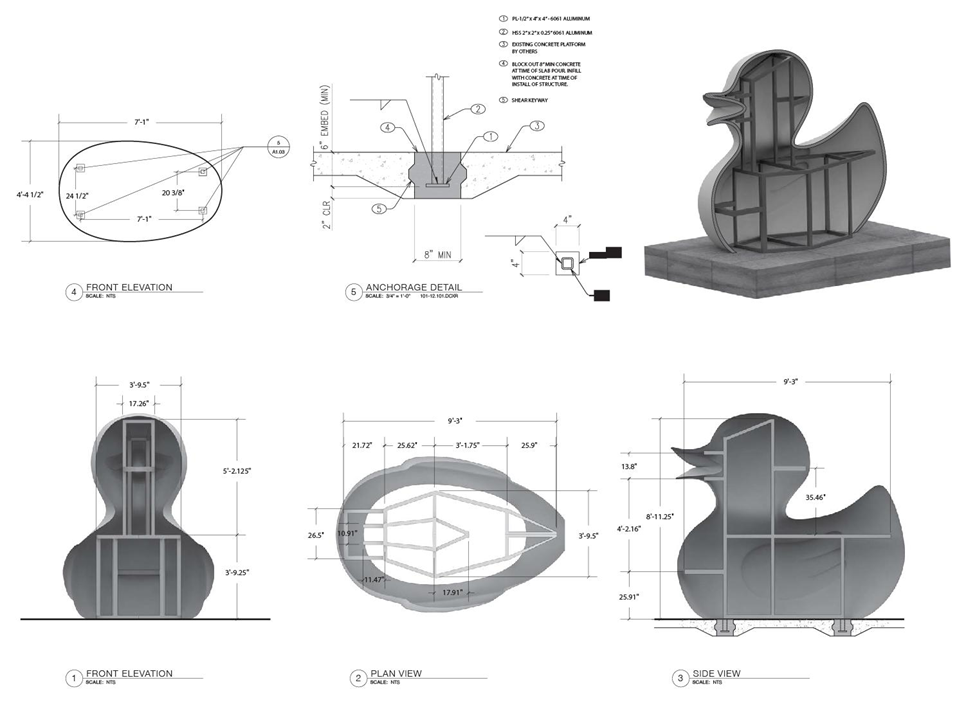
- Structural engineering calculations and stamped drawings for wind, seismic and dead-load conditions
- Material certification and mill test reports for the proposed alloys or castings
- A manufacturing method statement describing the fabrication, welding, casting or carving sequence
- A quality-control and inspection protocol with defined sign-off points
- A packaging and logistics plan covering domestic or international transport
- An installation method statement with foundation and anchor-point interface drawings
- A warranty and maintenance schedule appropriate to the installation environment
Requesting these at tender stage, rather than after award, gives procurement teams and public-art consultants a way to compare bidders on capability – not just price.
Engineering, Quality Control and Programme: The Three Things a Tender Really Tests
Strip away the paperwork, and a public art sculpture tender is really testing three things about a bidder.
Can they build it? That’s engineering – structural calculations, load analysis, material certification. It proves the design is buildable and safe before anyone picks up a welding torch.
Can they guarantee the quality? That’s quality control – inspection records at defined hold points throughout production, not just a sign-off at the end. It proves the finished piece will match what was approved, not just what was promised.
Can they deliver it as planned? That’s programme – a document naming who is responsible for each stage, from procurement through installation, with dates attached. It proves the bidder has actually thought through sequencing, not just pricing.
These three aren’t separate checkboxes – they depend on each other. A structurally sound design that isn’t inspected during fabrication can still arrive with a casting flaw. A well-inspected piece can still show up late if nobody owns the foundation handover. Reviewing all three together, rather than any one in isolation, is what gives a buyer a genuine way to judge a supplier – one that goes further than price and renderings ever could.
Engineering: Why Municipalities Request Buildability Evidence Before Award
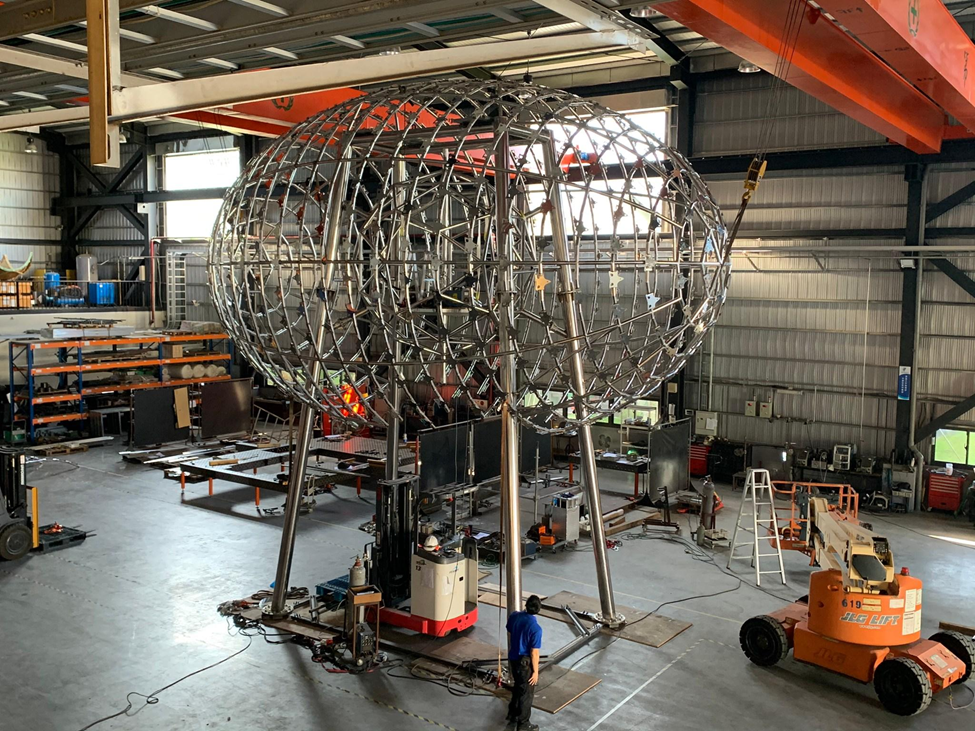
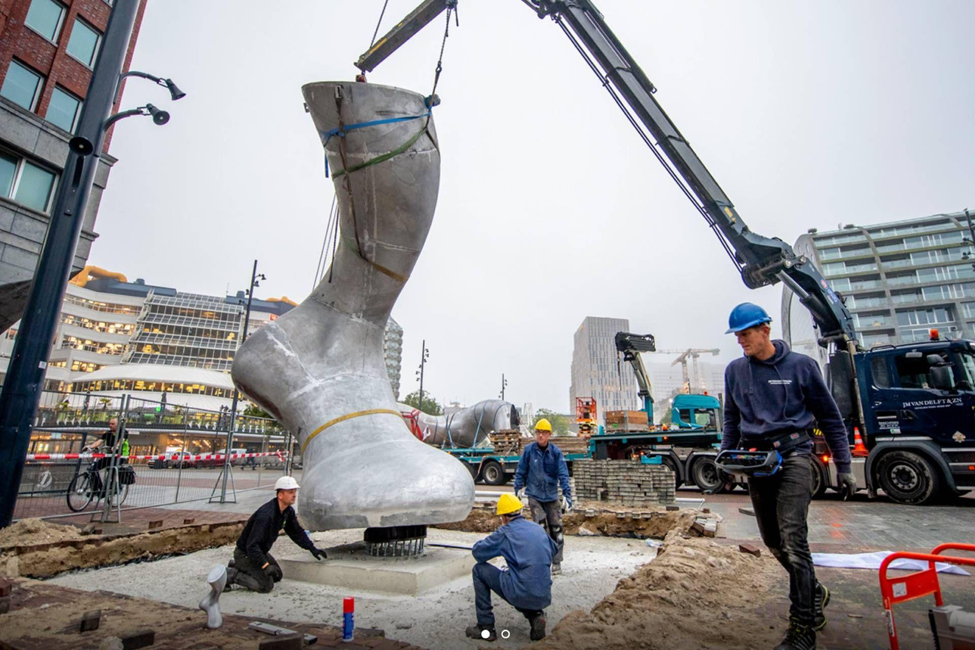
A public art sculpture installed in a plaza, park or building forecourt carries a kind of public liability an indoor decorative object doesn’t. Wind loading, seismic movement, foundation bearing capacity and long-term corrosion all need to be resolved on paper before a single component is fabricated – correcting a structural gap after casting or welding has started costs far more than catching it at the drawing stage.
At Pegasus, engineering runs alongside design development rather than after it. Before a tender response goes out, the technical team checks centre of gravity, internal support structure, transport sectioning and base-connection requirements against the site conditions in the brief, so the drawings a municipality receives at tender stage already reflect what will actually be built.
Quality Control: What Documentation Proves a Sculpture Manufacturer Can Deliver at Scale
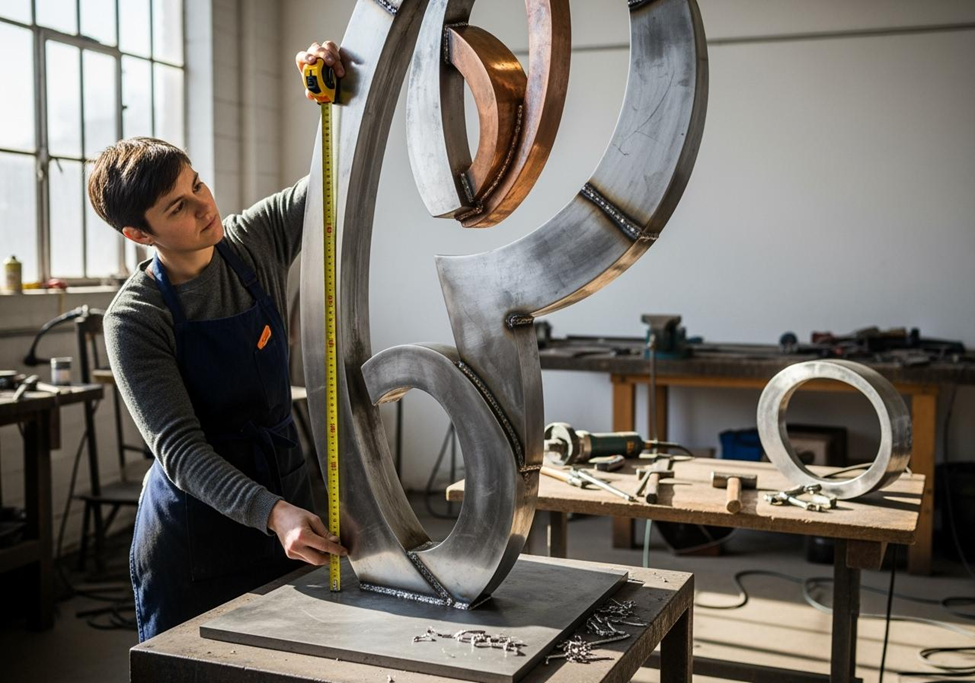
Asking a bidder to describe its process is useful. Asking for documented evidence of that process is more useful. A capable sculpture manufacturer should be able to produce inspection records – dimensional checks, weld quality, surface finish, casting integrity, colour and patina matching – at defined hold points during production, not only at final dispatch.
Pegasus builds its quality system around exactly these checkpoints: CAD development and engineering review, material selection, welding, casting or carving, finishing and surface treatment, and a formal inspection before trial assembly and packaging. Each stage produces a record the client or their consultant can request – a documented trail rather than a verbal assurance, which matters most once the finished public art sculpture enters public ownership and a municipality is relying on those same records for decades of maintenance and insurance.
Programme: Defining Delivery Responsibility in the Tender
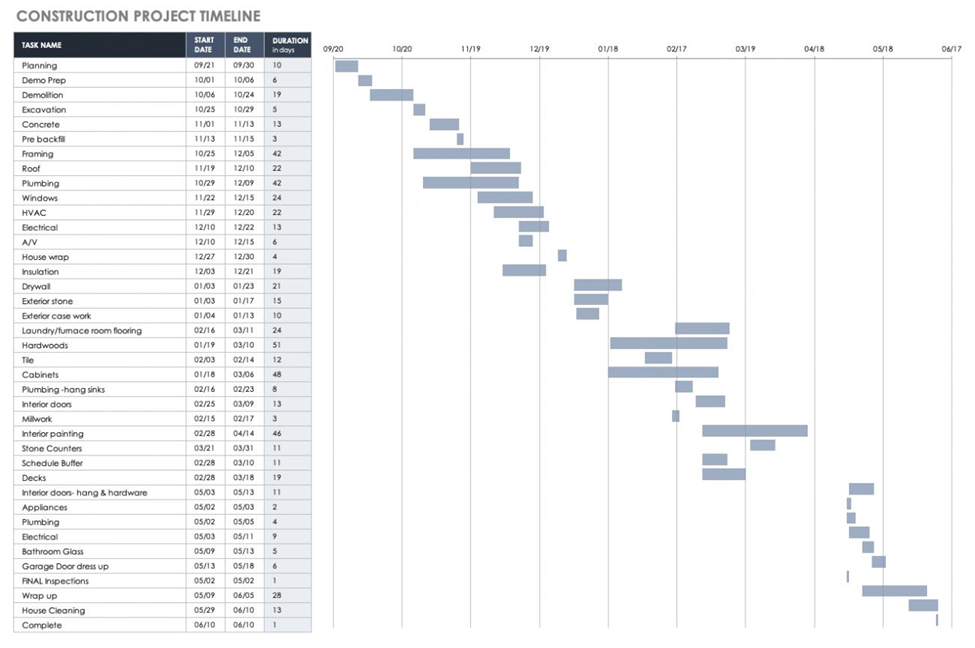
A tender is incomplete without a clear answer to who is responsible for what, and by when. Design approval, engineering sign-off, procurement, production milestones, quality inspection, packaging, shipping, customs clearance and installation coordination should each sit with a named party and a date. Where a project draws on percent-for-art or similar public funding – a mechanism more than 350 municipal programmes across the United States use to set aside construction budget for commissioned artwork – this same responsibility matrix gives finance and grant administrators a basis for milestone-linked payment.
Most delays in public art sculpture commissions trace back to this section being vague. A sculpture arriving before the foundation is ready, or a foundation poured before final dimensions are confirmed, both come from the same gap: nobody in the documentation was made responsible for that handover. Requesting a programme document at tender stage – not as an afterthought once the contract is signed – forces bidders to show they’ve actually thought through sequencing.
What to Check When Reviewing a Bidder’s Submission
Once the documents are in hand, the real work is reviewing them properly. Here’s what to look for in each category:
| Category | What to Check |
| Engineering | Calculations are stamped by a licensed engineer and address this site’s actual wind, seismic and load conditions – not a generic template. |
| Materials | Certificates match the alloy or casting grade named in the drawings. |
| Manufacturing | The method statement identifies real risk points, not just a generic production sequence. |
| Quality control | Hold points are clearly defined, and records are shared as they’re generated – not only at the end. |
| Packaging & logistics | Transport method and insurance cover match the piece’s size, weight and destination. |
| Installation | Foundation interface drawings line up with the engineering package, and a named party owns the handover. |
| Warranty | Structural and finish terms are separated, and post-installation responsibility is clearly assigned. |
What Questions Should Evaluators Ask a Sculpture Manufacturer Before Shortlisting?
Beyond the paperwork itself, procurement teams and public-art consultants benefit from a short list of direct questions during evaluation:
- Can the structural calculations be signed off by a licensed engineer, and are they specific to this site’s wind and load conditions?
- What hold points exist during production, and will inspection records be shared as they’re generated rather than only at the end?
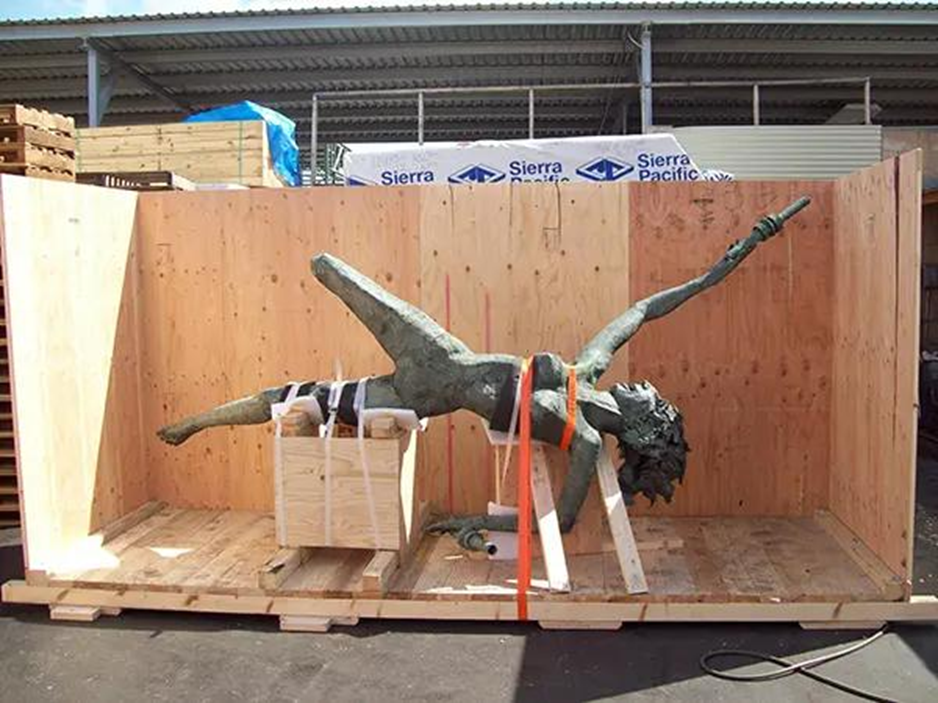
- How is the sculpture sectioned for transport, and how are connection points designed to stay visually seamless once assembled?
- Who manages the interface between the foundation contractor and the manufacturer’s installation team?
- What warranty terms apply to structural components versus surface finish?
A sculpture manufacturer who can’t back these questions up with paperwork is a harder bet for a publicly funded or highly visible commission. Pairing these questions with a look at a bidder’s completed public art projects gives evaluators a fuller picture of whether past capability matches the brief.
How Pegasus Supports Tender Documentation for Public and Commercial Art Sculpture Projects
Pegasus develops art sculptures for municipalities, developers, museums and cultural institutions, and treats tender documentation as part of the design process rather than a compliance exercise added afterward. During design, the team prepares reference geometry and 3D models that preserve artistic intent while giving engineers a basis for calculation. During engineering, structural planning, sectioning and foundation interface details are resolved and documented. During manufacturing, material-specific production – bronze casting, stainless-steel forming, marble carving, or FRP and resin moulding – is tracked against the approved specification.
Quality control follows with dimensional and surface inspection before packing, and export packaging is specified to suit the finish and geometry of each piece. Shipping and installation coordination close out the process, with lifting, base-connection and alignment information handed to the client’s contractor. Because each stage produces its own record, a municipality or developer working with Pegasus gets the same evidence at tender stage that they’ll reference later during construction – instead of reconstructing it after the contract has already been awarded. Buyers preparing a tender for a large or logistically complex commission can also review Pegasus’ broader art sculpture capabilities before finalising their documentation requirements.
Put simply: build, quality and delivery are answered before the contract is signed – not negotiated after a problem shows up on site.
Frequently Asked Questions
1. What is the difference between an RFQ and a full tender for a public art sculpture?
A Request for Qualifications typically asks bidders to demonstrate relevant experience and capability, while a full tender or RFP requires a priced, documented response covering engineering, manufacturing, quality and programme detail for the specific commission.
2. Should structural calculations be requested before or after contract award?
Before award. Reviewing stamped calculations at tender stage lets evaluators confirm the design is buildable and compare bidders on technical merit, rather than discovering structural gaps once fabrication has started.
3. How much documentation is reasonable to request from a sculpture manufacturer at tender stage?
Engineering drawings, material certification, a manufacturing method statement, a quality-control protocol, a logistics plan and an installation method statement are reasonable for any commission involving public liability or significant scale, regardless of budget size.
4. Who is usually responsible for foundation coordination on a public art project?
This should be defined explicitly in the tender programme rather than assumed. On many projects the manufacturer provides foundation interface drawings and lifting guidance while the client’s contractor prepares the foundation itself, coordinated against an agreed installation date.
5. Does requesting detailed documentation slow down the tender process?
It can add time to the evaluation stage, but it typically saves more time during construction by reducing late-stage design changes, disputed responsibility and installation delays – the costs that detailed documentation is designed to prevent.
Conclusion
A well-documented tender is the clearest early signal of how a project will actually run. Asking a bidder three things – can they build it, can they guarantee the quality, and can they deliver as planned – and backing each with real documentation gives procurement teams a genuine basis for comparing bidders, rather than judging on price and renderings alone. Whether the commission is a landmark public art sculpture for a civic plaza or a smaller commercial piece for a development entrance, the documentation requested before award is what determines how smoothly the project reaches completion.
If you’re preparing tender documentation for an upcoming public or commercial commission, contact the Pegasus team to talk through the engineering, quality and programme detail your project should request before award.