An Idea Can Be Clear Artistically but Uncertain Technically
A client might bring a pencil sketch, a photograph of a sculpture they admire, or a 3D file prepared for a presentation. Each is a valid starting point, but each leaves a different manufacturing question unanswered. A drawing may not define depth. A photograph may not define an original design or material. A polished digital model may not contain enough information to fabricate the object at full scale.
The first value of an experienced manufacturer is therefore not a quick promise that the sculpture can be made. It is identifying the unknown that matters most, showing what must be tested, and explaining which decisions the buyer needs to approve before production begins.
1. Starting With a Hand Sketch: Establish the Form in Three Dimensions
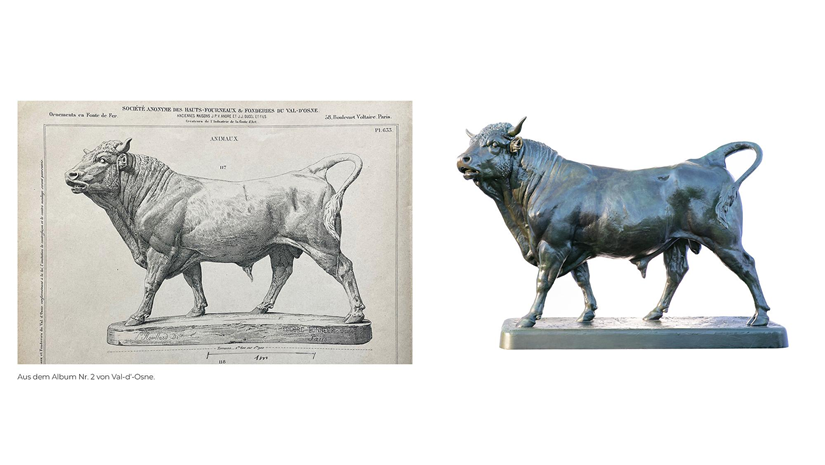
The buyer’s problem is interpretation. A two-dimensional drawing can communicate a striking outline while hiding the back view, thickness, twist and relationship between separate parts. Two manufacturers could interpret the same sketch differently and both believe they followed it.
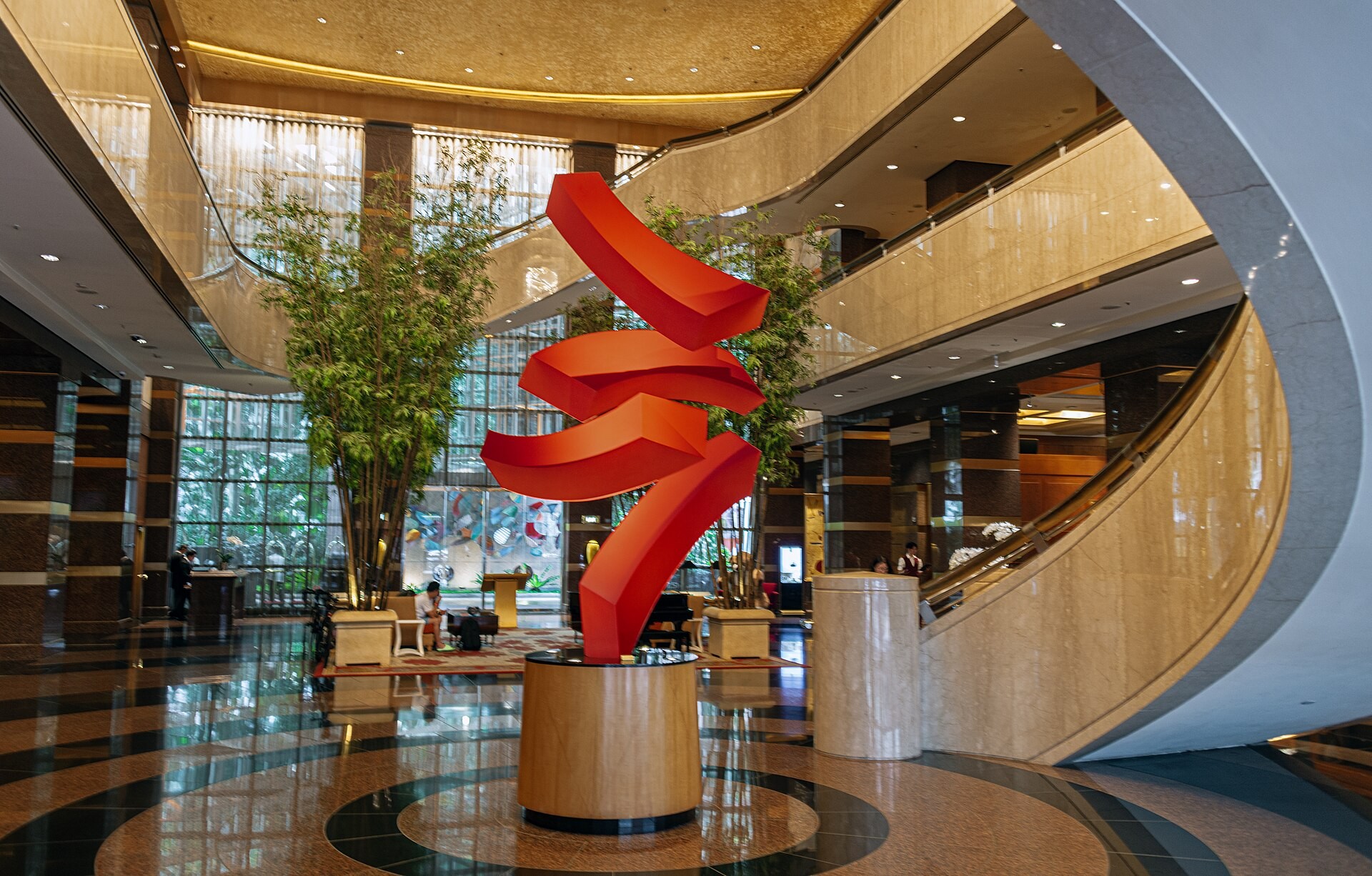
Consider a hotel architect’s sketch of a ribbon-shaped entrance sculpture. The drawing shows a rising curve, but does not establish whether the ribbon twists toward the driveway or toward the lobby. The immediate task is not choosing a polishing process or estimating weld lengths. It is agreeing what the artwork actually looks like from the front, side and main pedestrian approach.
Pegasus’s stated 3D modeling and prototyping capabilities are relevant here. The team can discuss translating the drawing into reviewable three-dimensional views or a model, then identifying where proportions, openings and the overall shape still require confirmation. A small prototype may be useful for a complicated twist, but its scope should be agreed for the particular commission.
A practical handoff at this stage is an approved form with key dimensions and a record of the features that must remain unchanged. That is a design-development milestone, not a claim that the structure or fabrication process has already been finalized.
2. Starting With a Reference Photograph: Define an Original Design and a Suitable Material
The buyer’s problem is different: they know the visual effect they want, but may not know which characteristics create it. A photograph of a flowing bronze or mirror-finished metal sculpture might communicate movement, warmth or surface texture. It does not provide permission to reproduce another artist’s work, or prove that the same material is suitable for a new site.
Suppose a retail developer asks for “something like this, but warmer” and shares an image of a polished abstract work. The first review should separate the attributes worth exploring—such as a broad sweeping form, gentle reflections or a warm color—from the actual shape that must be independently developed. The buyer can then compare original concept options rather than approving a copy.
Manufacturing experience matters when appearance meets material behavior. For example, a proposed continuous form may be approached differently in stainless steel, bronze, or fiberglass. Forming and welding access, casting complexity, achievable surface finish, handling weight and the intended environment can change the viable route. Pegasus can discuss these manufacturing alternatives and, where agreed, provide a representative finish sample or prototype for review.
The useful output is an original design direction together with a reasoned material-and-finish shortlist. Unlike the sketch scenario, the main challenge is not resolving an unseen back view; it is translating aesthetic inspiration into an original object with an appropriate production method.
3. Starting With a 3D Model: Test the Geometry Against Fabrication Reality
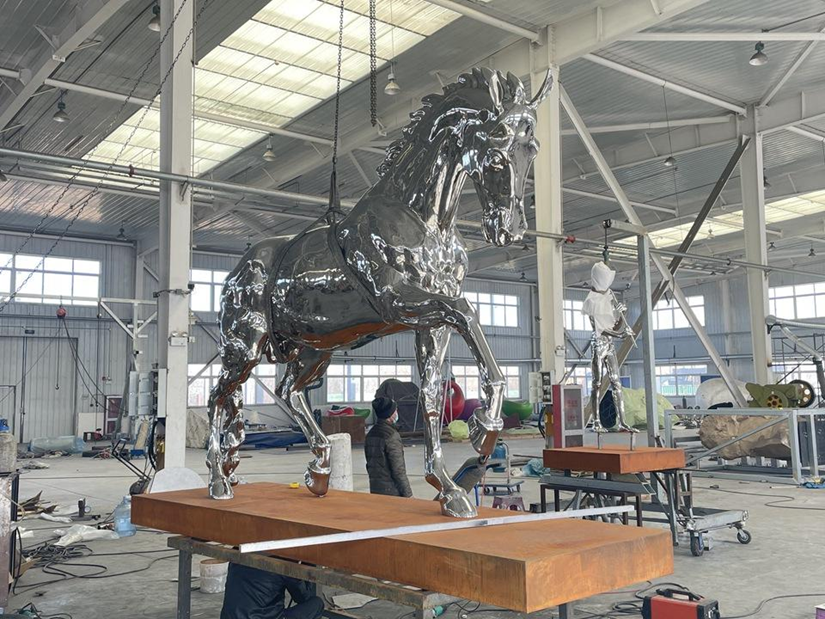
A 3D file can settle the intended appearance while leaving manufacturing feasibility unresolved. A smooth rendering may conceal intersecting surfaces, impossibly thin returns, inaccessible weld locations, unsupported spans or a base connection that has not been developed. The model may also be drawn at a size unrelated to the final installation.
Imagine an art consultant provides an approved digital model of a tall open-loop sculpture. The buyer does not need another creative interpretation of the silhouette. They need to know whether its tight curves can be formed, how its sections could be joined, where an internal frame might be required, and whether any necessary adjustments will change what visitors see.
A useful Pegasus manufacturing review would examine the proposed scale and material route, flag specific geometry that needs investigation, and show any proposed revision on the model before it is accepted. Depending on the commission, this could include panel breakdowns, accessible weld locations, local thickness changes, trial assembly or a physical detail sample. These are possible review methods, not a promise that every project receives all of them.
The result should be a documented list of feasible features, unresolved manufacturing questions and changes requiring the designer’s approval. Structural design, foundation checks and site approvals must be allocated to the responsible professionals for the project.
What Pegasus Can Check Before a Buyer Authorizes Production
After the first input has been clarified, the manufacturer can help the buyer move from an attractive concept to a defined production scope. The following checks address different sources of risk:
| Manufacturing check | Question it answers | Reviewable outcome |
| Form and scale | Will curves, openings and proportions remain workable at the intended size? | Dimensioned views, model markups or agreed prototype scope |
| Material and finish | Can the chosen process achieve the appearance and suit the installation? | Material route, sample requirements and visible finish expectations |
| Fabrication and assembly | Where might seams, internal support or forming limitations affect the approved form? | Proposed sections, connection approach and changes for design approval |
| Transport and site interface | Can the work be handled, delivered and assembled within known site constraints? | Packaging/section strategy and outstanding site responsibilities |
The point is not to turn an early enquiry into a full engineering specification. It is to make the next decision visible. A manufacturer can explain what is known, what needs a sample or calculation, and which questions cannot be settled until the site team provides more information.
A Pegasus-Reported Example: Manufacturing Planning Changed the Production Approach
Pegasus has published an account of a custom metal sculpture for a mixed-use development. In that account, the challenge described was how to fabricate and transport an approved design—not how to interpret an initial hand sketch. It therefore illustrates the later feasibility stage rather than a complete sketch-to-finished-project sequence.
According to Pegasus’s account, its team considered the internal framework and transport requirements and proposed manufacturing the sculpture in transportable sections while retaining the approved overall appearance. The described production work included fabrication, welding, trial assembly, finishing and review checkpoints. The important early-stage lesson is that a seemingly settled design can still need decisions about structure, joints and delivery before full production starts.
For a buyer, this is the practical value of involving the manufacturer before fabrication is locked: section breaks and assembly requirements can be reviewed while adjustments remain possible, rather than discovered after the sculpture is made. The published description does not identify the original sketch or provide a verified sketch-to-final image sequence, so it should not be presented as proof of that complete process.
Related Pegasus manufacturing account: custom metal sculpture fabrication and production planning
What to Send for a Useful First Manufacturing Assessment
A concise enquiry can include the sketch, reference image or 3D file; the intended indoor or outdoor location; approximate height and width; a photograph or drawing of the site; the feature that must not change; the current approval stage; and any known deadline or delivery restriction. An indicative budget range helps compare options, but a dependable production quote may require further decisions.
Tell Pegasus what is already approved and what remains open. For a sketch, ask for a form-development review. For a photograph, ask about original design direction and material suitability. For a 3D model, ask for a marked-up manufacturability assessment. These requests give the manufacturer a concrete problem to investigate instead of inviting a generic price estimate.
Frequently Asked Questions
Can Pegasus begin from a simple sketch?
Pegasus states that sketches and reference images can start a custom sculpture enquiry. The first agreed step should establish what the drawing communicates and what must be developed before a production scope can be confirmed.
Will Pegasus choose the final material for me?
The manufacturer can explain how material and fabrication options affect appearance, complexity and practicality. The buyer and design team should approve the intended result, with technical responsibilities agreed for the commission.
Does a detailed 3D rendering mean the sculpture is ready to manufacture?
Not necessarily. Production planning may still require dimensions, material choices, connection details, access for fabrication and assembly, and project-specific technical review.
When can Pegasus provide a reliable quotation?
An initial discussion can identify the missing information. A production quotation becomes more dependable once the size, material direction, design status, fabrication scope and relevant site constraints are sufficiently defined.
Discuss Your Custom Sculpture With Pegasus
Whether you have a hand sketch, an inspiration photograph or an approved 3D model, explore Pegasus’s custom sculpture development service and contact the Pegasus team with your concept and site details. Ask which decisions must be resolved before manufacturing can begin and what review material will help you approve them.