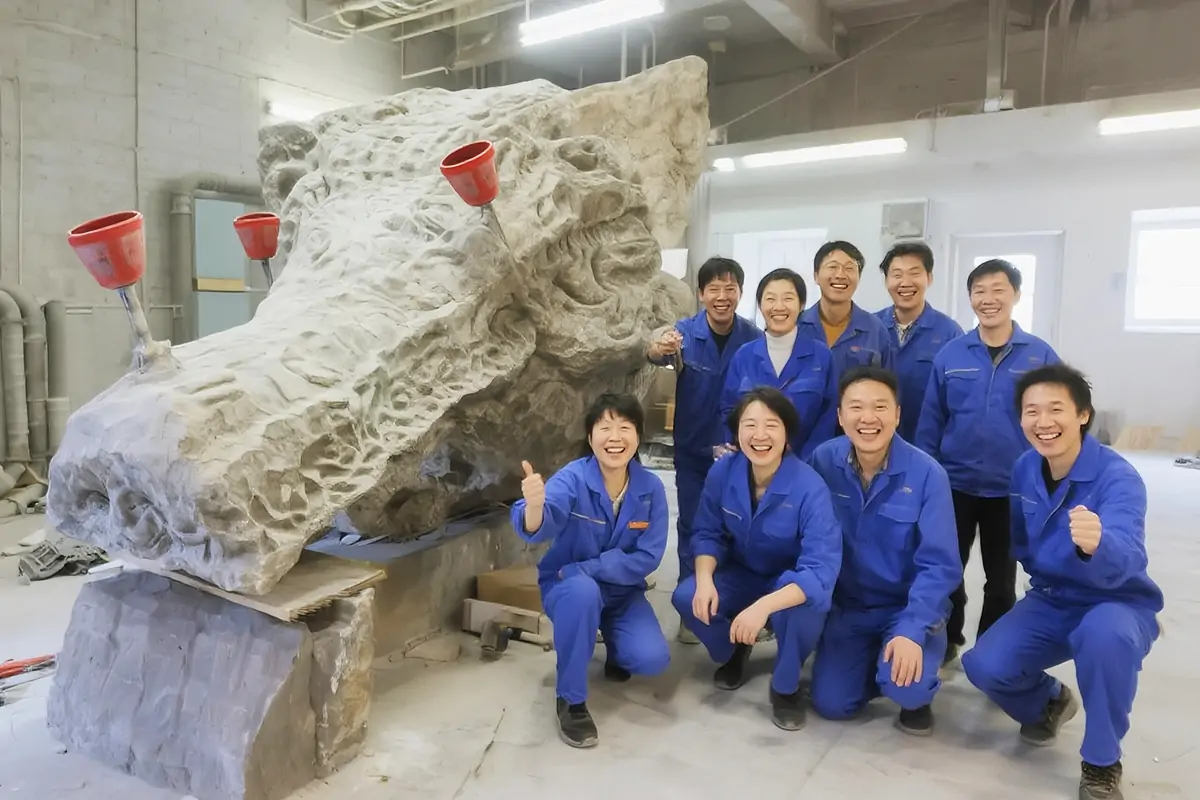
A hotel group commissioning a lobby centerpiece, a museum planning a monumental installation, or a developer specifying public art for a new plaza can all face the same question early in the project: which statue factory can actually deliver the required engineering, finish quality and deadline?
A graceful rendering and a competitive quotation rarely reveal what happens after the contract is signed. Is the supplier handling design development, engineering, fabrication and finishing directly, or are different stages being passed between subcontractors? A delay during mold development, an inconsistent surface finish or missing structural documentation can create problems long after the original quotation has been approved.
For commercial buyers, choosing a factory is therefore less about finding the most impressive portfolio and more about verifying how the company actually works. The questions below are the ones worth asking before a manufacturing contract is signed.
Why the Wrong Factory Choice Can Cost More Than the Quote Suggests
The initial sculpture price is only one part of the commercial equation. If several workshops are involved, responsibility for quality can become fragmented. A finishing issue may be blamed on fabrication, a fabrication issue on the mold, and a delivery problem on the freight provider. By the time someone identifies the real cause, the project schedule may already have moved.
This matters particularly for projects with fixed opening or unveiling dates. A hotel may have contractors waiting for a lobby feature before completing surrounding finishes. A developer may have coordinated landscaping, lighting and public access around the arrival of a sculpture. A museum may have planned an exhibition installation around a specific delivery window.
That is why a statue manufacturer should be evaluated on evidence of its process, not simply on finished photographs. The nine criteria below give buyers something concrete to check.
1. Is It Actually a Real, Vertically Integrated Factory?
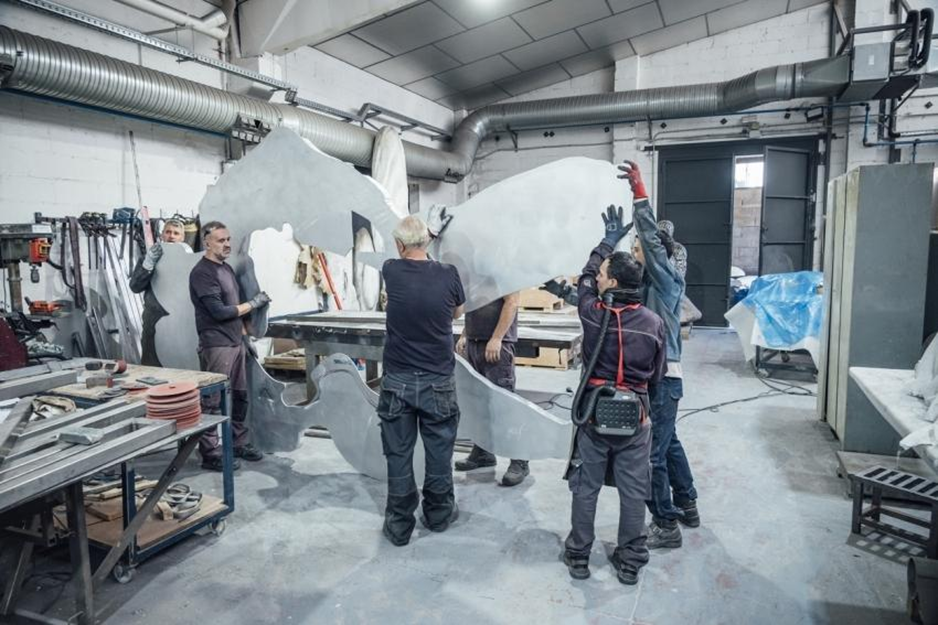
One of the first questions a procurement team should answer is deceptively simple: where will my sculpture actually be made? Ask which stages happen on-site and request a live video tour. A supplier that can only show renderings or stock photography of a “partner facility” usually outsources more than it admits.
This doesn’t mean every specialist task must happen under one roof. What matters is whether the factory can clearly explain its production responsibilities and maintain accountability when specialist processes are involved. A factory with meaningful in-house capability has greater control over the relationship between design, fabrication, finishing and quality inspection, and can identify problems earlier without waiting for another supplier to respond.
Pegasus, for example, operates from a 10,000 m² sculpture foundry and multi-material engineering facility, with capabilities covering stainless steel, bronze, fiberglass/FRP, natural marble and resin, plus in-house 3D modelling, CNC milling and structural calculations. That kind of integration matters most on projects with unusual geometry or multiple materials, where a decision made during 3D modelling can affect tooling, tooling affects fabrication, and fabrication ultimately affects shipping and installation.
2. Does the Factory Have Experience With Similar Projects?
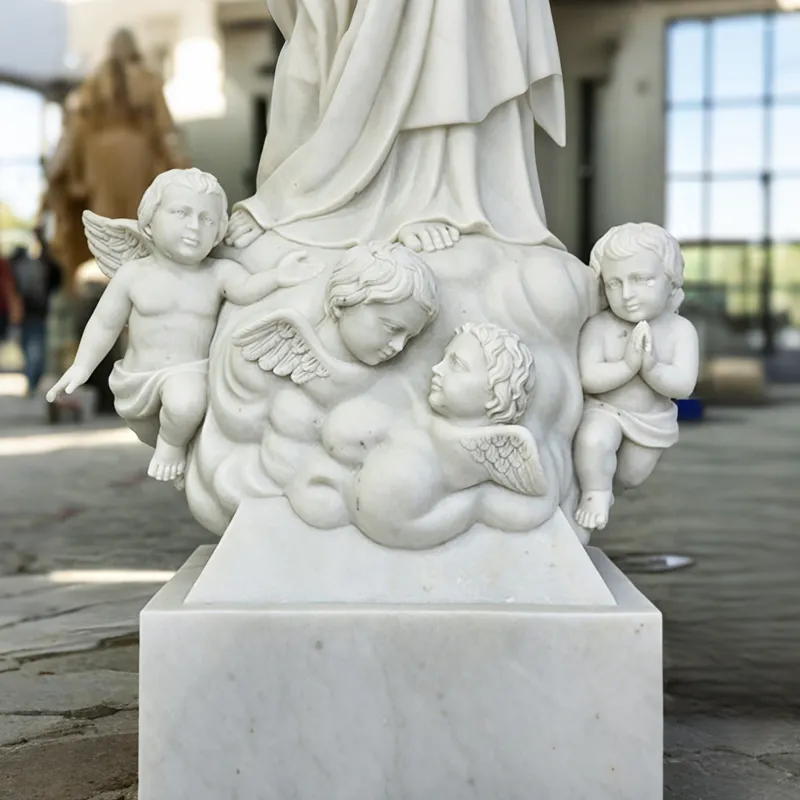
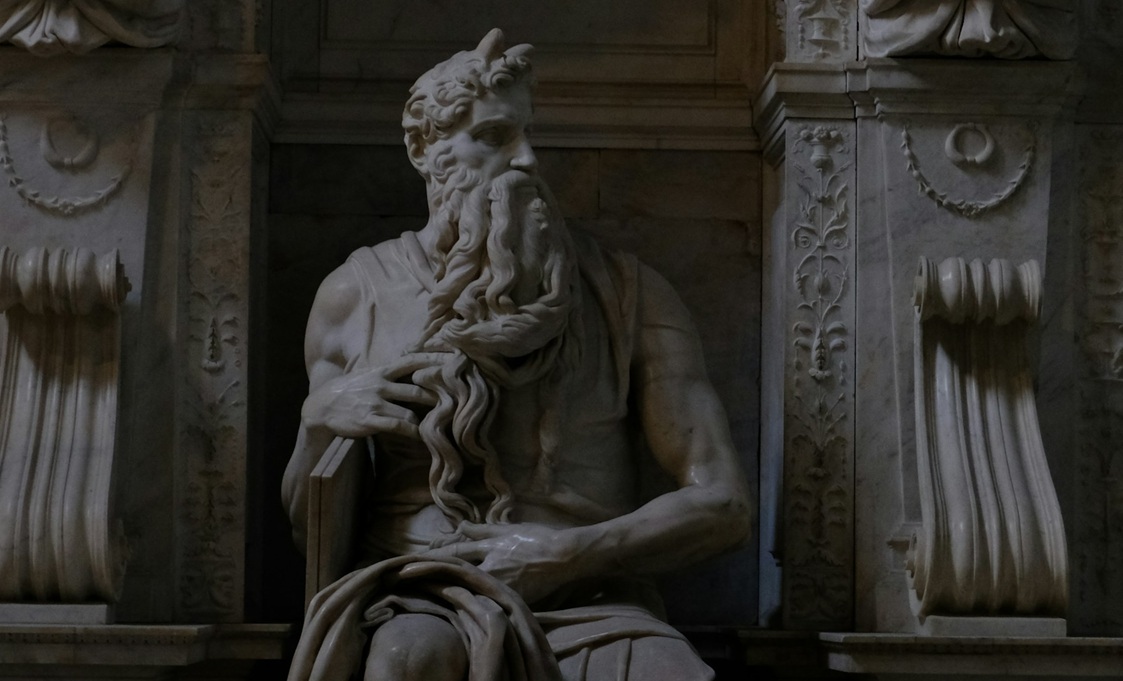
A portfolio becomes more useful when you look past the finished photographs and ask what each project actually demonstrates. A monumental bronze sculpture for a hotel says something about casting, sectional fabrication, patina control and installation planning. A large stainless-steel installation says something about forming, welding and demanding surface finishes. A marble monument says something about the relationship between weight, structural support, packaging and site installation.
The useful question isn’t “does the sculpture look good?” It’s “has this factory solved problems comparable to the ones my project will create?” Ask for references or case studies filtered by scale, material and installation environment, rather than a generic gallery.
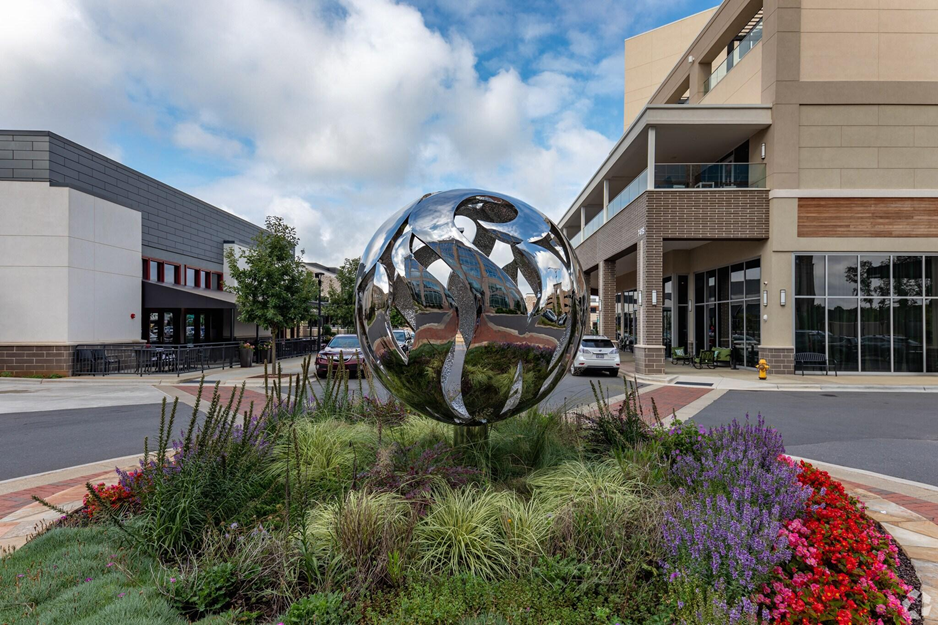
3. Can the Factory Demonstrate Real Engineering Capability?
A capable custom statue factory should be able to discuss engineering in specific terms rather than simply saying a sculpture will be “strong” or “durable.” Ask what structural calculations and technical drawings will be provided, and how the design accounts for wind and seismic conditions, weight distribution, anchoring and the interface between the sculpture and its foundation.
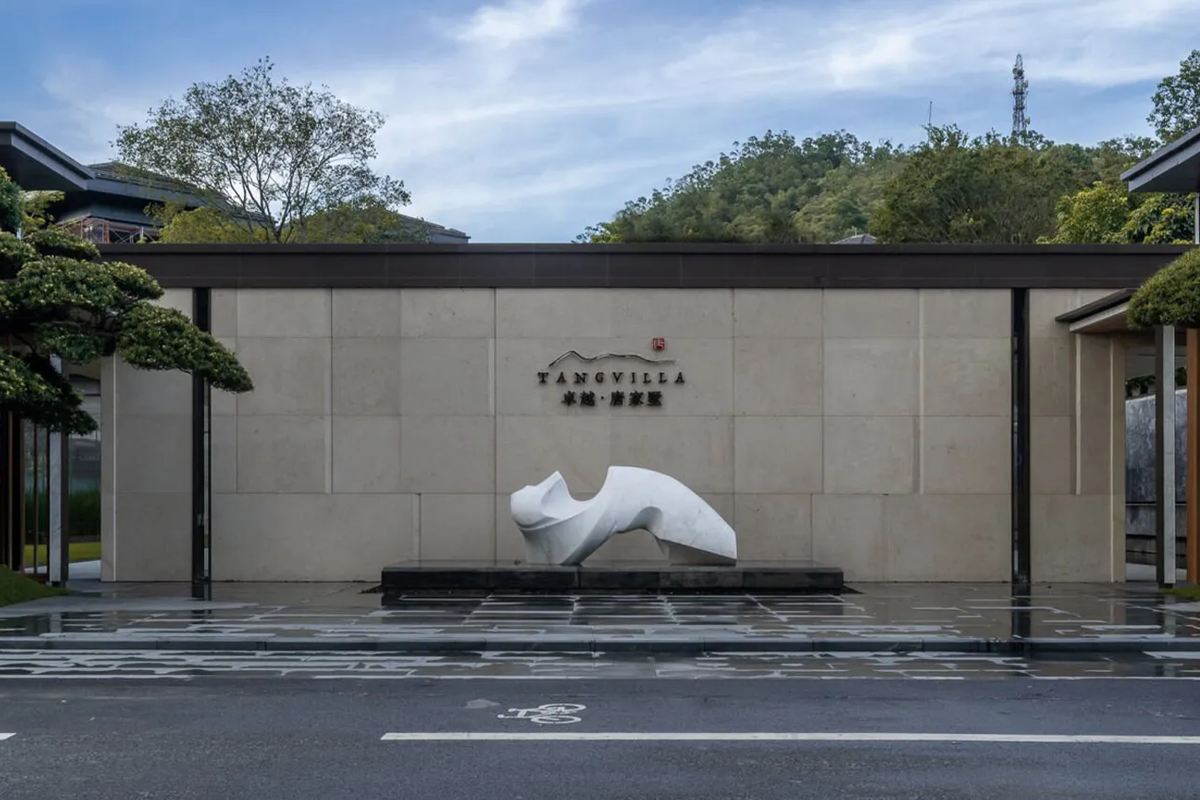
A rooftop sculpture for a luxury development presents different considerations from a heavy bronze monument installed at ground level in a public plaza, and a sculpture beside the coast may need a different structural and finishing strategy from one installed inside a climate-controlled hotel lobby. The factory should be able to review the concept, identify practical constraints and explain what needs to be resolved before production begins, not after.
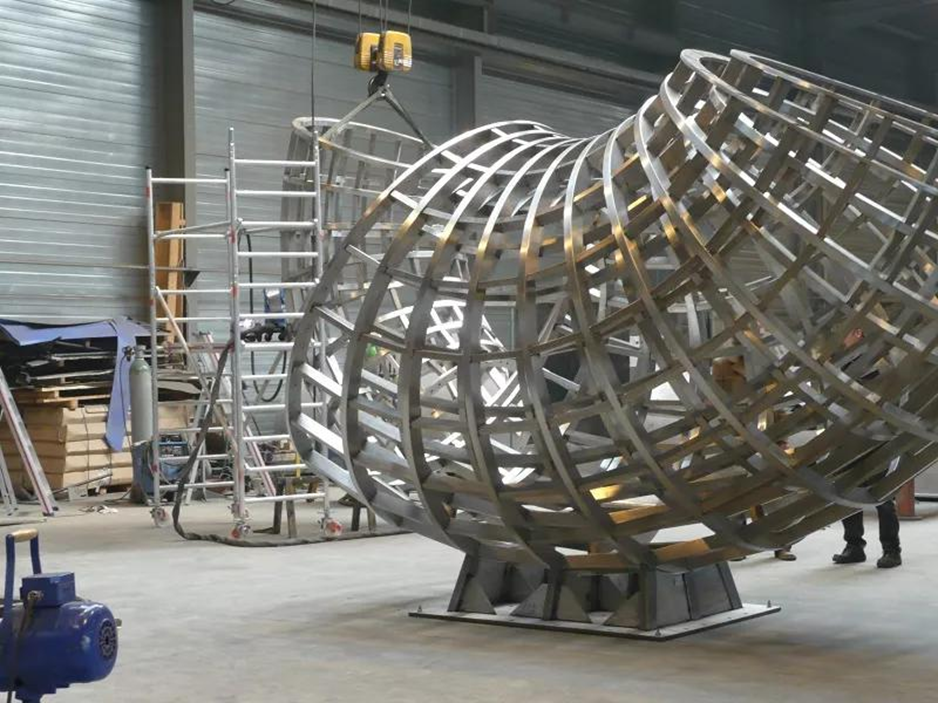
4. Does Material Expertise Go Beyond a Catalogue?
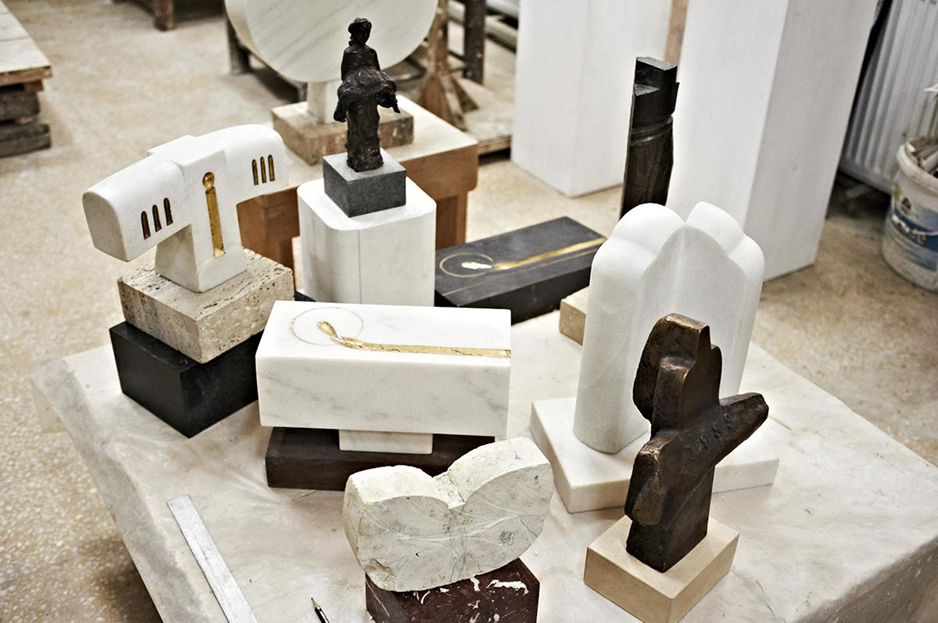
Material selection shouldn’t be treated as a menu where the buyer simply picks the most attractive option. Ask the factory to explain why a particular material makes sense for the sculpture, its location, expected lifespan and budget – not just to describe what’s available.
- Bronze can suit permanent monuments, hospitality installations and civic work where casting detail and a traditional patina matter. Pegasus uses silicon bronze and lost-wax casting for bespoke bronze projects, with sectional welding and hand finishing for monumental forms.
- Stainless steel, including 304 and 316L grades, can work well for contemporary architectural forms and outdoor installations; the right grade depends on environmental exposure, particularly coastal or chloride-rich conditions.
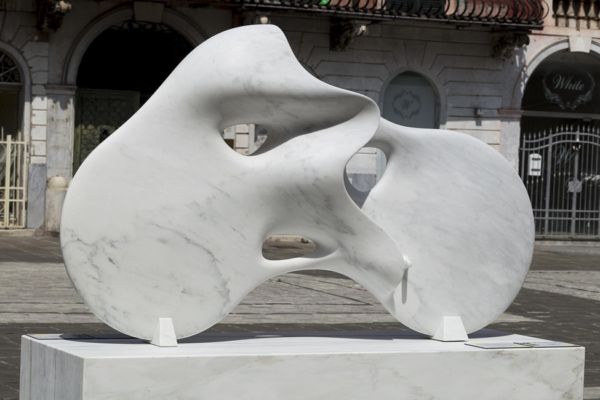
- Marble and natural stone deliver a different visual character, but weight and limited tensile strength make structural planning and transportation especially important for monumental pieces.
- FRP (fiberglass-reinforced plastic) can suit projects where lower weight, large forms or installation constraints make a composite approach more practical.
- Resin can suit detailed sculptural forms with different performance requirements from a permanent outdoor monument.
The important question isn’t whether a factory sells these materials. It’s whether its technical team can explain their advantages, limitations and implications for your specific site.
5. Will You See a Prototype or Sample Before Full Production?
A concept can look perfect on a screen and still present manufacturing challenges once it becomes a physical object. This is why prototyping deserves attention when evaluating a custom statue manufacturing partner. Ask whether the process includes a production-ready 3D model, a physical prototype or a representative sample before full production is committed – and for sectional monumental pieces, whether there’s a trial assembly stage.
This step gives everyone a chance to confirm proportions, surface details, material treatment and construction decisions before the entire project is manufactured. Fixing a connection or alignment issue on the factory floor is considerably easier than discovering it after an oversized crate has arrived at the project site.
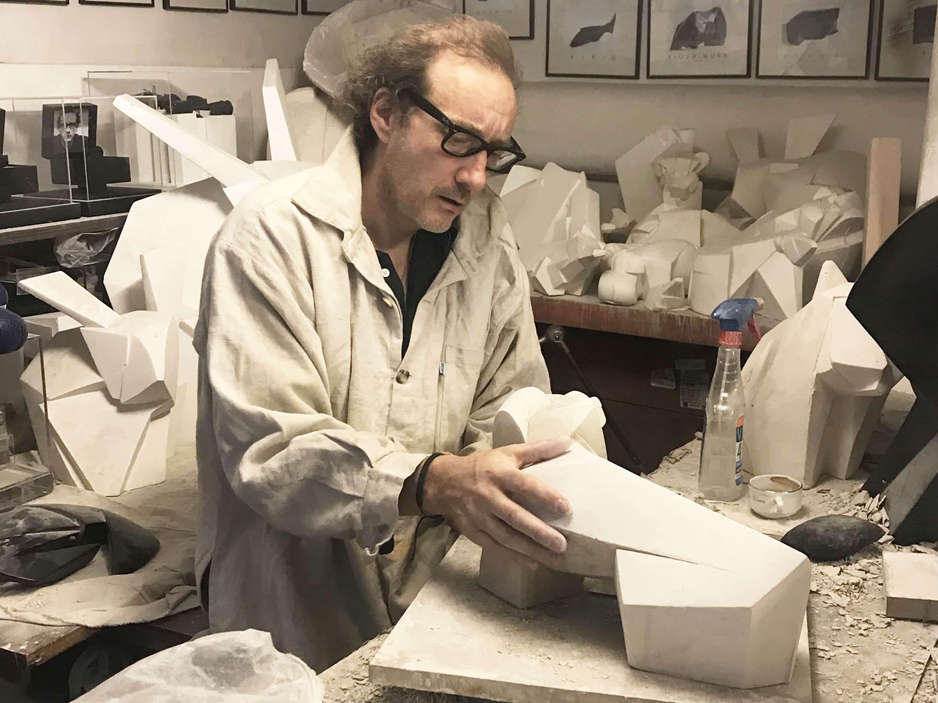
6. Is Quality Control Visible, Not Just Promised?
“Quality checked” isn’t enough information for a commercial procurement team evaluating a statue manufacturer. The useful question is how quality is checked and what evidence you actually receive. Dimensional accuracy, material specifications, welding, casting, surface treatment, colour or patina consistency and final assembly can all affect the finished result, and remote visibility matters most when you can’t visit the factory during every production stage.
It’s also worth raising confidentiality early. If you’re sharing unreleased designs, ask about an NDA and how digital files, molds and production information are treated before fabrication begins.
Pegasus describes a project approach that includes factory inspection, pre-assembly and material documentation, and its bronze operations provide material test certificates and quality control from mold development through transit.
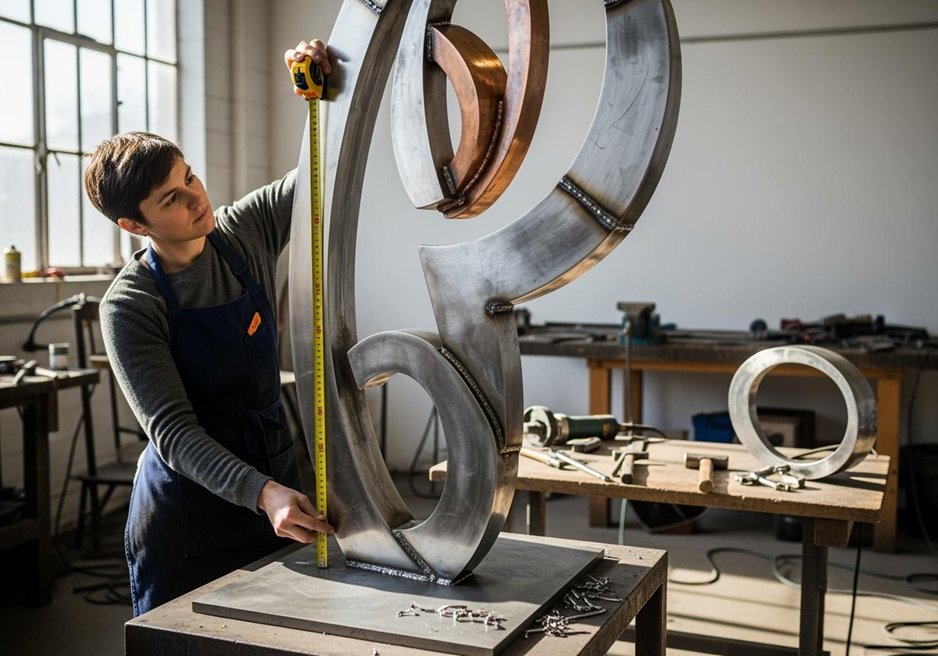
7. How Will the Factory Communicate During Production?
Even strong production capability is only useful if you can see what’s happening. Ask how often you’ll receive updates, in what form, and whether there’s a single point of contact who can answer technical questions without routing you between departments. For international projects spanning time zones and languages, this is often what determines whether a problem gets caught in week two or discovered in week ten.
Photographs, videos, inspection records and defined approval points give architects and procurement teams a clear view of whether production is progressing according to the agreed specification, rather than a status update that just says “on track.”
8. Are Packaging, Shipping and Installation Properly Planned?
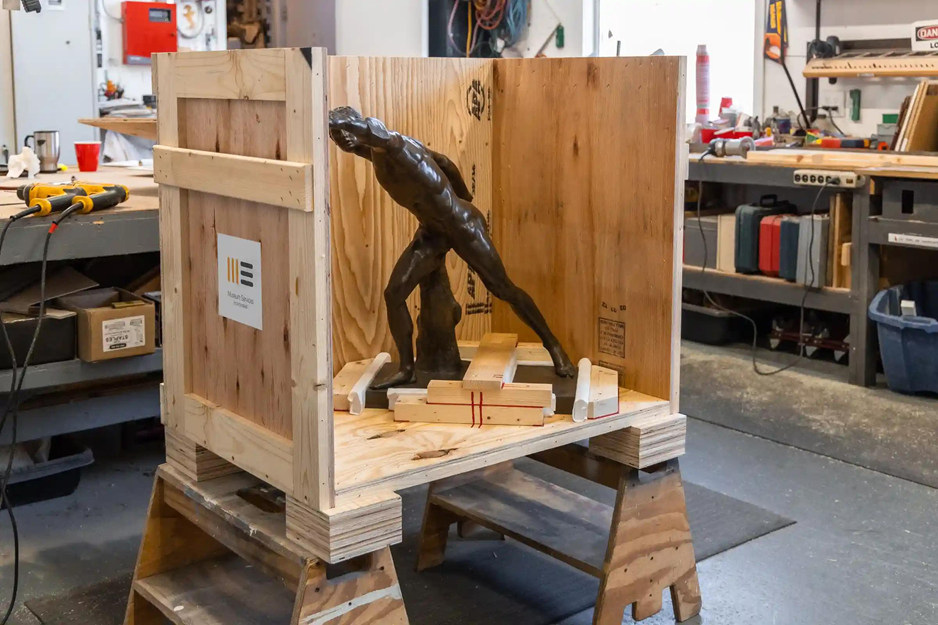
A sculpture isn’t successfully delivered simply because it leaves the factory. Large commercial pieces often need to be divided into manageable sections for transport, and packaging needs to protect finished surfaces while preventing movement and structural stress during handling and freight. Ask how sectional or oversized components will be protected, and how that plan changes for the specific route your piece is taking.
Installation planning should begin much earlier than the shipping stage. The factory and project team may need to coordinate lifting points, sectional connections, foundation requirements, access routes and assembly sequencing well before anything ships – especially into a finished hotel, a landscaped public plaza or a constrained urban site. A sculpture that fits perfectly on the factory floor can still be difficult to install if the delivery route, crane access or foundation interface was never considered.
Ask for a lead time broken into meaningful stages rather than one vague figure: design development, engineering, prototype approval, fabrication, finishing, inspection, packing and freight can each affect the final installation date. Pegasus describes specialized packaging and modular fabrication systems for global transport, publishes foundation and anchoring requirements, rigging plans and engineering support for installation, and provides a project-specific timeline after design confirmation based on size, material and complexity.
9. Who Takes Responsibility If Something Goes Wrong?
This is the question buyers most often skip, and it’s the one that matters most if the finished sculpture differs from the approved specification. When design, fabrication and finishing are split across several subcontractors, responsibility tends to split along with them – exactly the fragmentation described earlier in this article.
Ask directly: if there’s a defect, a delay or a mismatch with the approved sample, who owns the fix, and what does the contract say about it? A supplier that keeps design development, engineering, fabrication and finishing under its own roof, as Pegasus does, has fewer places to point elsewhere, which tends to produce a clearer, faster answer to that question.
A Practical Statue Factory Evaluation Checklist
Before signing a manufacturing agreement, commercial buyers should confirm:
- Production: Which stages are handled in-house, and which are outsourced?
- Experience: Has the supplier completed projects similar in scale, material and environment?
- Engineering: What structural calculations and technical drawings will be provided?
- Materials: How are material grades, specifications and certificates verified?
- Prototype: Is there an approval stage for the model, sample or prototype?
- Quality: How are dimensions, welds, castings, patina and surface finishes inspected?
- Communication: How often will you receive production photos, videos or inspection reports, and through whom?
- Packaging: How will large or sectional components be protected during transportation?
- Installation: Are foundation, anchoring, rigging and assembly documents provided?
- Timeline: Is the lead time broken down into design, engineering, production, finishing and shipping?
- Responsibility: What happens, in writing, if the finished sculpture differs from the approved specification?
The quality of the answers matters as much as the answers themselves. A factory that can provide drawings, documentation, photographs, inspection records and clear production milestones gives a buyer considerably more to evaluate than one relying on assurances alone.
Choosing a Statue Factory With Confidence
Selecting the right statue factory is ultimately an exercise in reducing uncertainty. The strongest supplier isn’t the one with the lowest quote or the biggest photo gallery. It’s the one that can answer the nine questions above with drawings, documentation and specifics, and that can explain how your custom sculpture moves from design into engineering, fabrication, quality inspection and installation, with clear responsibility at every stage.
For architects, developers and procurement teams, that conversation works best when it starts with the real project: dimensions, materials, site conditions, structural needs and installation deadline.
If you’re evaluating a statue factory for an upcoming commission, share those requirements with Pegasus early. The team can assess design, material, engineering and logistics before production begins, so you know what to expect before deciding.
Frequently Asked Questions
Is a statue factory actually vertically integrated, or just marketed that way?
Ask which stages happen on-site and request a live video tour. A factory that can only show renderings usually outsources more than it admits.
What documentation should a statue manufacturer provide before production starts?
CAD drawings, structural engineering documentation, relevant load calculations, material specifications and a clear prototype or sample approval record. If a supplier is reluctant to provide basic project documentation, that’s worth treating as a warning sign.
How is quality checked if I can’t visit the factory?
Weekly progress updates, dimensional reports, material certification, and a live virtual walkthrough before final sign-off.
Can one statue factory handle a project that mixes materials?
Yes, if it has in-house capability across bronze, steel, marble, FRP and resin. Coordinating separate vendors per material adds risk and cost.
How early should I contact a statue factory for a commercial project?
While the design is still in progress. Engineering review, fabrication, finishing and shipping each take time, and early input avoids costly changes later.