Most sculpture project failures don’t start with a bad design. They start months later, when a beautiful concept meets a fabricator who can’t actually engineer it, or a shipment that shows up damaged, or an installation crew standing on-site with no blueprint and no one to call. By then, the design decision is old news – the company decision is the one still causing problems.
That’s the part procurement teams and architects often underweight. A sculpture company for a large commercial commission isn’t hired to make something look good in a render. It’s hired to carry a structurally demanding, often outdoor, often public object through engineering review, fabrication, international freight, and a final installation that has to go right the first time – because there’s rarely a budget or a timeline for a second attempt.
So before signing anything, it’s worth stepping back from the design conversation entirely and asking a harder question: is this company actually built to deliver at commercial scale, or just to deliver a good pitch? Here’s what architects, developers, procurement teams and landscape designers should be checking for – and how to tell whether a custom sculpture company can actually deliver on those expectations.
The difference usually becomes clear when you compare what a supplier can actually demonstrate – not just what its sales team promises.
A Quick Comparison: What Should You Evaluate?
Before getting into the details, buyers can use the following as a quick framework when comparing sculpture suppliers for a large commercial project:
| What to Evaluate | What a Strong Company Should Demonstrate | What Buyers Should Ask |
| Design & 3D planning | CAD development, 3D modelling and fabrication-ready documentation | Can we review the 3D model before fabrication? |
| Engineering | Site-specific structural planning and load calculations | Can you provide the engineering drawings and calculations? |
| Material capability | Experience working with the materials suited to the project | Are the materials fabricated in-house or subcontracted? |
| Project management | Regular production updates and defined approval checkpoints | How will we monitor progress during fabrication? |
| Quality control | Testing, certifications and documented pre-shipment approval | What quality documentation will we receive? |
| Delivery & installation | Modular planning, protective crating and installation support | Who will support the installation on-site? |
| Commercial experience | Relevant large-scale, public, outdoor or international projects | Can you show projects comparable to ours? |
These are the areas worth investigating before choosing a supplier. The answers become more useful when you ask for actual evidence rather than relying on a portfolio or sales presentation.
Look for Strong Design Coordination and 3D Planning
A striking portfolio tells you a company can produce good lookingrenders. It doesn’t tell you whether they can turn your architect’s concept, or a client’s hand-made maquette, into something that is structurally buildable at ten times the scale. That translation step is where a lot of commercial projects quietly go wrong – a form that looks perfect in a sketch can become unstable, unbalanced or impossible to cast once it’s enlarged.
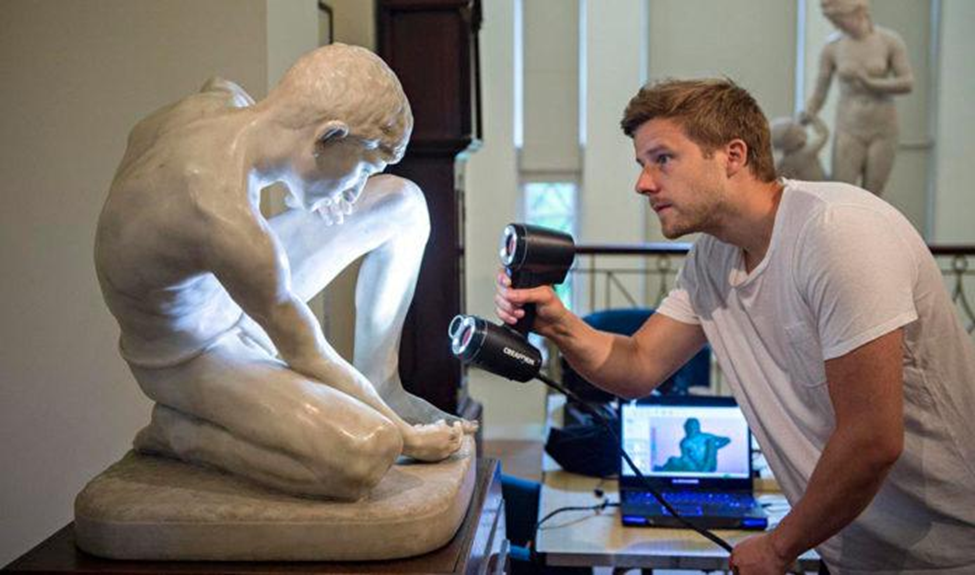
This is where a serious sculpture design company should be doing real coordination work, not just taking a brief and disappearing. At Pegasus, this stage typically starts with scanning a maquette or concept model to build a high-resolution digital reference, then developing full CAD drawings and a 3D “digital twin” before a single piece of material is cut. That digital model becomes the shared reference point between your architect’s vision and the engineering team that has to make it stand up – so problems get caught on a screen, not on a job site.
For architects and developers, the questions worth asking at this stage are simple: Who reviews the design once it’s approved? Do they build a working 3D model before fabrication starts? Can you see and approve that model before production begins? A company that treats design coordination as a formality is telling you how it will treat the rest of the project.
Evaluate a Sculpture Company’s Engineering Capability
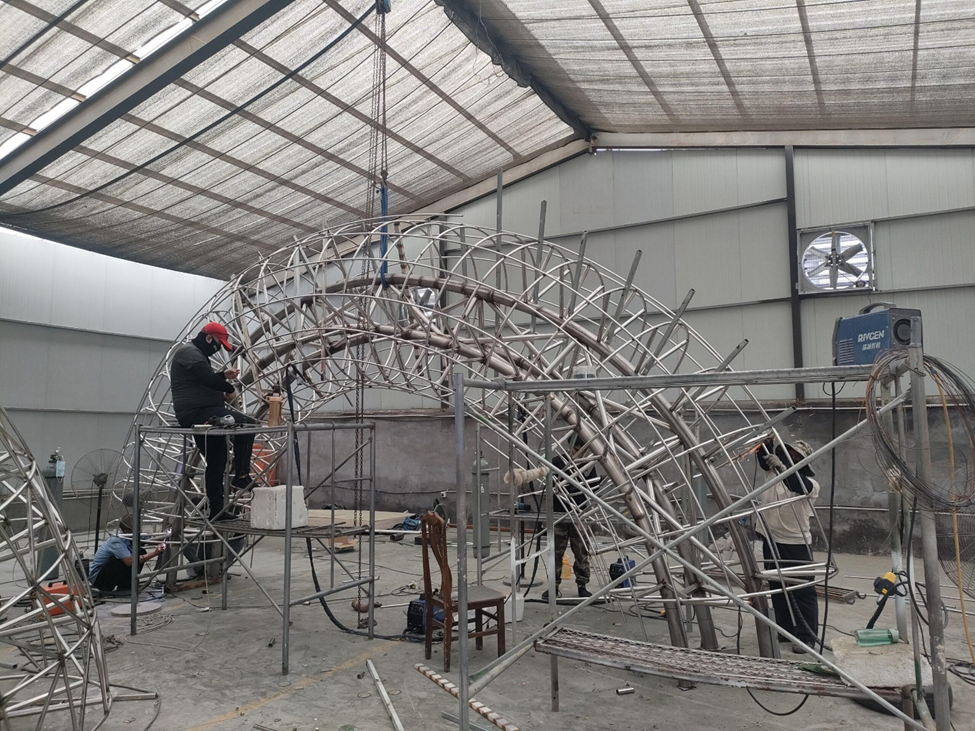
This is arguably the single most important – and most overlooked – factor in choosing a commercial sculpture company. A monumental piece isn’t a static object; it’s a structure that has to resist wind loads, seismic activity, foot traffic, and decades of weather, often in a public space where failure isn’t just embarrassing, it’s a liability.
A company equipped for commercial-scale work will engineer an internal steel armature calculated for the specific installation site, not a generic support structure reused across projects. Wind and seismic loading calculations should be based on the actual location – a coastal plaza and an inland corporate courtyard are not the same engineering problem, even if the sculpture looks identical. Structural engineers should be involved from the concept stage, not brought in after the design is already locked.
Procurement teams evaluating this capability should ask for evidence, not assurances: engineering drawings, load calculations, and – where public safety is involved – documentation that ties the structural design to the specific site conditions. If a supplier can’t produce that on request, they likely aren’t set up to engineer at commercial scale.
Material Breadth Matters More Than a Single Specialty
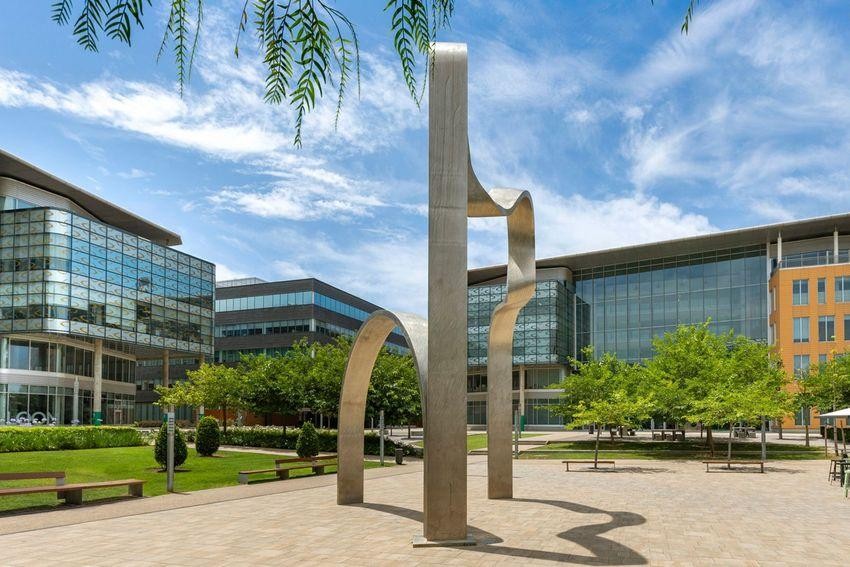
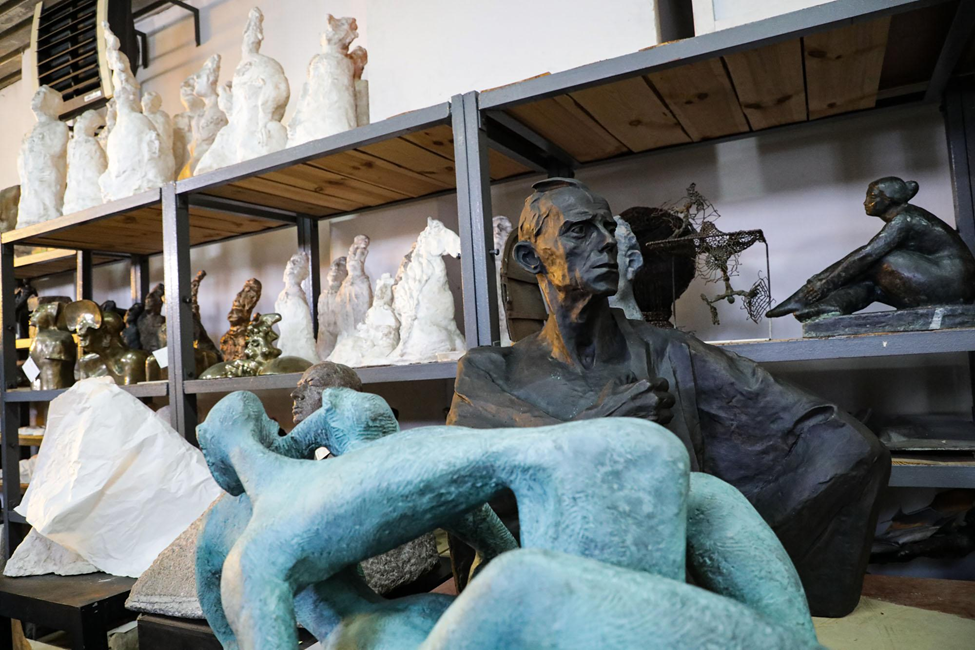
Commercial projects rarely fit neatly into one material category. A hospitality client might want the warmth of cast bronze for an entrance piece, while the same development needs weatherable stainless steel for an exterior plaza and lightweight FRP for an interior installation with weight restrictions. If your sculpture fabrication company only works confidently in one medium, you end up managing two or three vendors instead of one – and every handoff between vendors is a point where timelines slip and accountability gets murky.
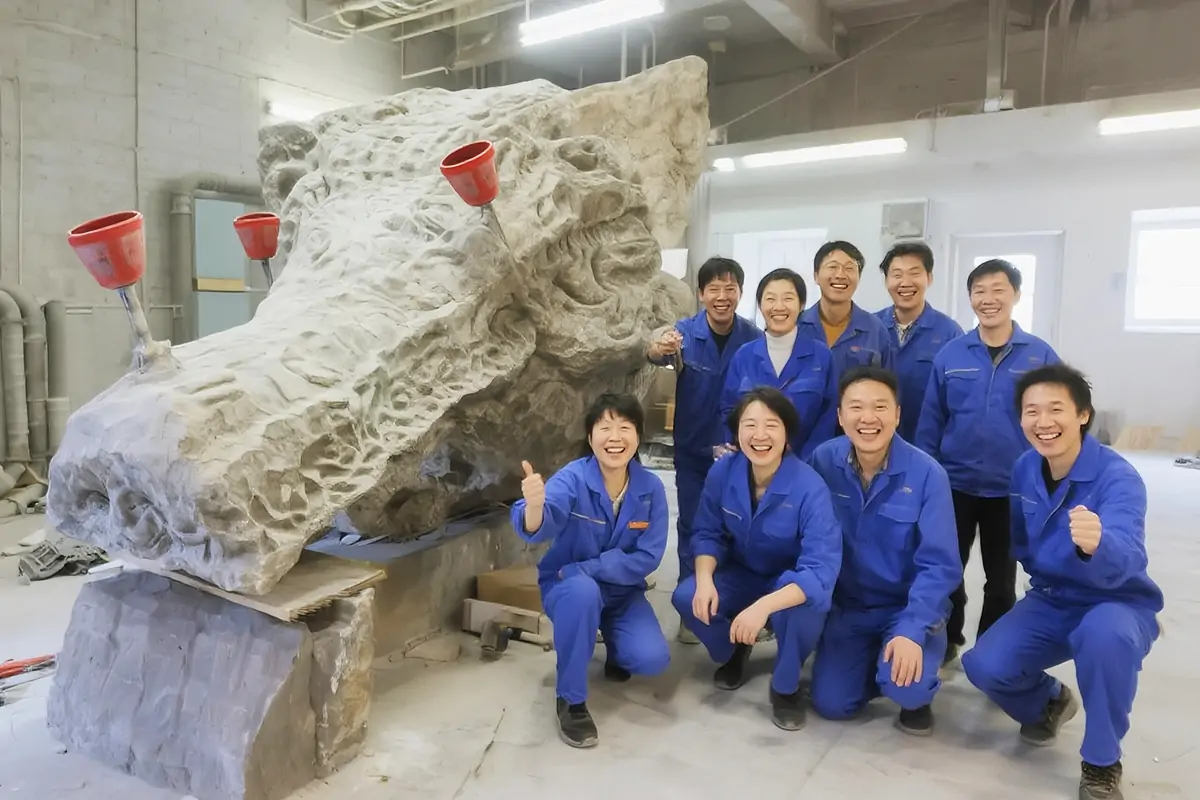
The value of working with a company that fabricates across bronze, stainless steel, marble, fiberglass-reinforced plastic (FRP) and resin in-house isn’t variety for its own sake. It’s that material selection can be driven by the project’s actual conditions – budget, climate exposure, structural load, intended lifespan – rather than by which material happens to be the supplier’s specialty.
When evaluating material capability, ask the company directly:
- Do they fabricate the material in-house, or subcontract it to a third-party foundry or shop?
- Can they explain why they’d recommend one material over another for your specific site – coastal salt exposure, freeze-thaw cycles, high foot traffic, or an interior with weight limits on the floor structure?
- What is the expected maintenance and lifecycle cost of the material they’re proposing, not just the upfront price?
- Can they show completed commercial work in the material you actually need, not just their most photogenic pieces?
A company that can answer those questions with specifics – not generic marketing language – is one that treats material selection as engineering, not upsell.
Look for Clear Project Management and Communication
Large commercial sculptures are often produced overseas or off-site, months before installation, which means the buyer is trusting a process they can’t physically watch happen day to day. This is where project management separates a reliable sculpture company from a risky one.
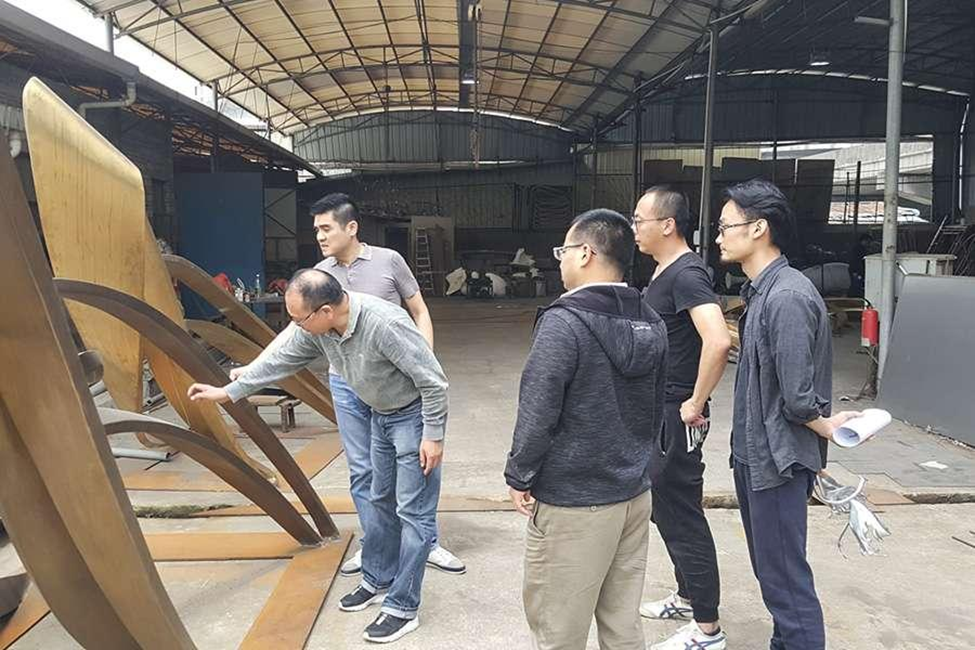
The standard to look for is regular, structured visibility into production – not a single check-in before shipping. That typically means scheduled progress reports with photos or video from the factory floor, dimensional reports that confirm the piece is tracking to spec, and a formal review point before the artwork is finished and crated. Pegasus runs this as a structured checkpoint system: weekly visual updates during fabrication, followed by a Factory Acceptance Test that requires the client’s sign-off before anything leaves the facility. For clients who can’t travel to inspect in person, that review is conducted through detailed video walk-throughs rather than a rushed photo or two. The practical benefit for procurement teams is accountability with a paper trail. If a piece is drifting off spec, you find out during production, when it can still be corrected – not on the loading dock, or worse, after it’s already on-site.
Ask What Documentation and Quality Control They Provide
For commercial and public projects, verbal assurances aren’t enough – procurement and legal teams generally need documentation they can file, and in many cases, submit to a municipal review board or insurer. Before committing to a supplier, it’s worth asking exactly what they can provide in writing.
At minimum, a company built for commercial-scale work should be able to supply:
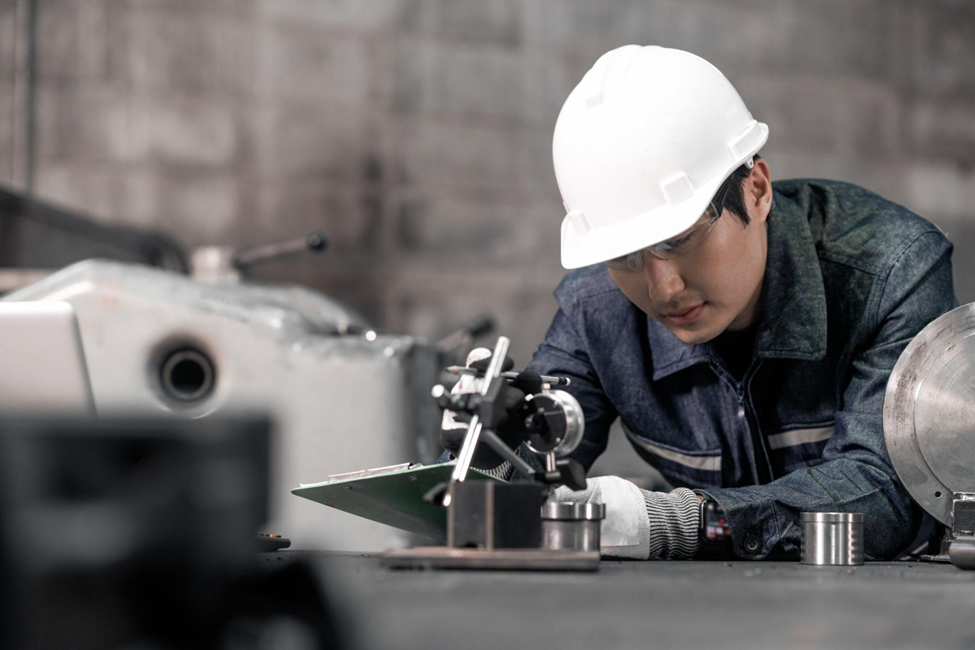
- Material certifications and, where metals are involved, PMI (Positive Material Identification) testing to confirm alloy composition matches spec.
- Structural engineering documentation, including load calculations tied to the installation site.
- A documented sign-off process, such as a Factory Acceptance Test, before the piece ships.
- A non-disclosure agreement covering design files and concept work, particularly relevant for projects tied to a brand, artist, or unreleased development.
- Clear terms on intellectual property handling, including what happens to molds and tooling after project completion.
None of this should require repeated follow-up requests. A company confident in its own quality control will have this documentation ready as a matter of course, because it’s part of how they run production – not an afterthought added for one demanding client.
Check Their Installation and International Delivery Capability
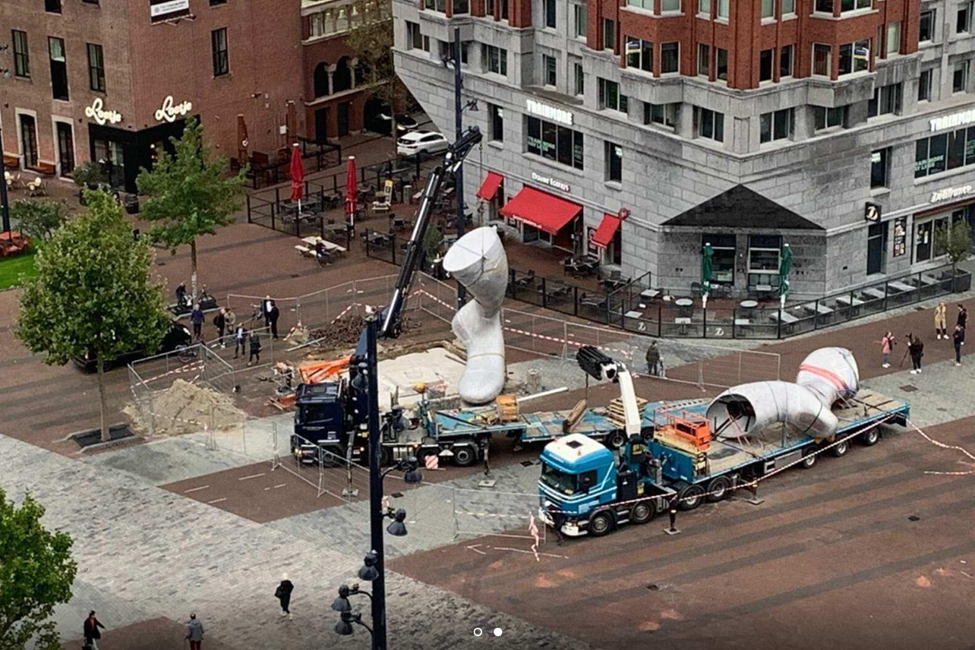
A sculpture that’s engineered and fabricated perfectly can still become a costly problem if delivery and installation aren’t planned with the same rigor. International shipping alone introduces variables that a domestic-only supplier may not have real experience managing – customs documentation, ocean freight scheduling, and crating that has to survive weeks in transit without damage to a finished surface.
For monumental work, look for a company that engineers pieces for modular disassembly from the start, rather than trying to solve packing logistics after the piece is already built as one solid unit. Custom steel-framed crating, built specifically around the piece’s geometry, matters more for surface protection than generic packaging. On the installation side, a company should be able to provide detailed assembly blueprints and, for complex projects, send a technical supervisor to the site to guide your local installation crew – rather than shipping a piece and leaving your team to figure out the assembly sequence alone.
Ask prospective suppliers directly how many countries they’ve shipped completed commercial work to, and whether they’ll have someone available, remotely or on-site, during your specific installation window. The answer tells you whether international delivery is a routine part of their operation or something they’re improvising for your project.
Watch for Red Flags When Evaluating a Sculpture Company
A few warning signs tend to show up consistently with suppliers who aren’t actually equipped for commercial-scale work, regardless of how polished their sales materials look. Vague or evasive answers about structural engineering – especially for anything installed outdoors or in a public space – are one of the clearest signals. So is the absence of any formal quality checkpoint before shipping, or reluctance to share progress documentation during production. If a company can’t clearly explain how they’ll manage international logistics, or treats installation support as an optional extra rather than part of the delivery process, that’s usually a preview of how the rest of the project will go.
Choose a Sculpture Company That Can Act as a Project Partner
Choosing a sculpture company for a commercial project isn’t really about picking the best-looking design in a portfolio. It’s about deciding who you’re trusting to carry a project from an approved concept through engineering, fabrication, quality control, international shipping and final installation – with your name, your client’s reputation, and in many cases public safety, attached to the outcome.
Pegasus works across that entire sequence in-house, from the initial CAD development and structural engineering review through material selection, fabrication, finishing, factory acceptance testing, and on-site installation support – which is why architects, developers and procurement teams bring us in earlier in the process rather than treating fabrication as a separate, later step.
Want to see how this approach works in practice? Explore our project page to see examples of commercial and public commissions, or visit our About Us page to learn more about our in-house engineering and manufacturing capabilities.
If you’re evaluating suppliers for an upcoming commercial or public art commission, the most useful next step is usually a direct conversation about your site conditions, timeline and engineering requirements, rather than another round of portfolio browsing. Get in touch with our team to talk through what your project actually needs.
What’s the difference between a sculpture company and a sculpture manufacturer?
A manufacturer just builds what you send them. A sculpture company working at commercial scale also handles the engineering, project management, and installation side, so you’re not stitching together three vendors yourself.
Can a sculpture company manage international shipping and installation?
Some can, some can’t. Ask if they design for modular disassembly and send someone on-site for installation, because that’s usually where the gap shows up.
How do I know if they can engineer a complex design, not just build it?
Ask for load calculations and structural drawings before you sign anything. If they hesitate or can’t produce them, that tells you something.
What should they hand over before production even starts?
A CAD model or digital twin you can actually review, plus material certifications. If a supplier skips this step, don’t skip asking why.
Do I need separate vendors for bronze, steel, or marble?
Not if the sculpture company fabricates all of it in-house. One team across materials means fewer handoffs and one point of accountability for the whole job.