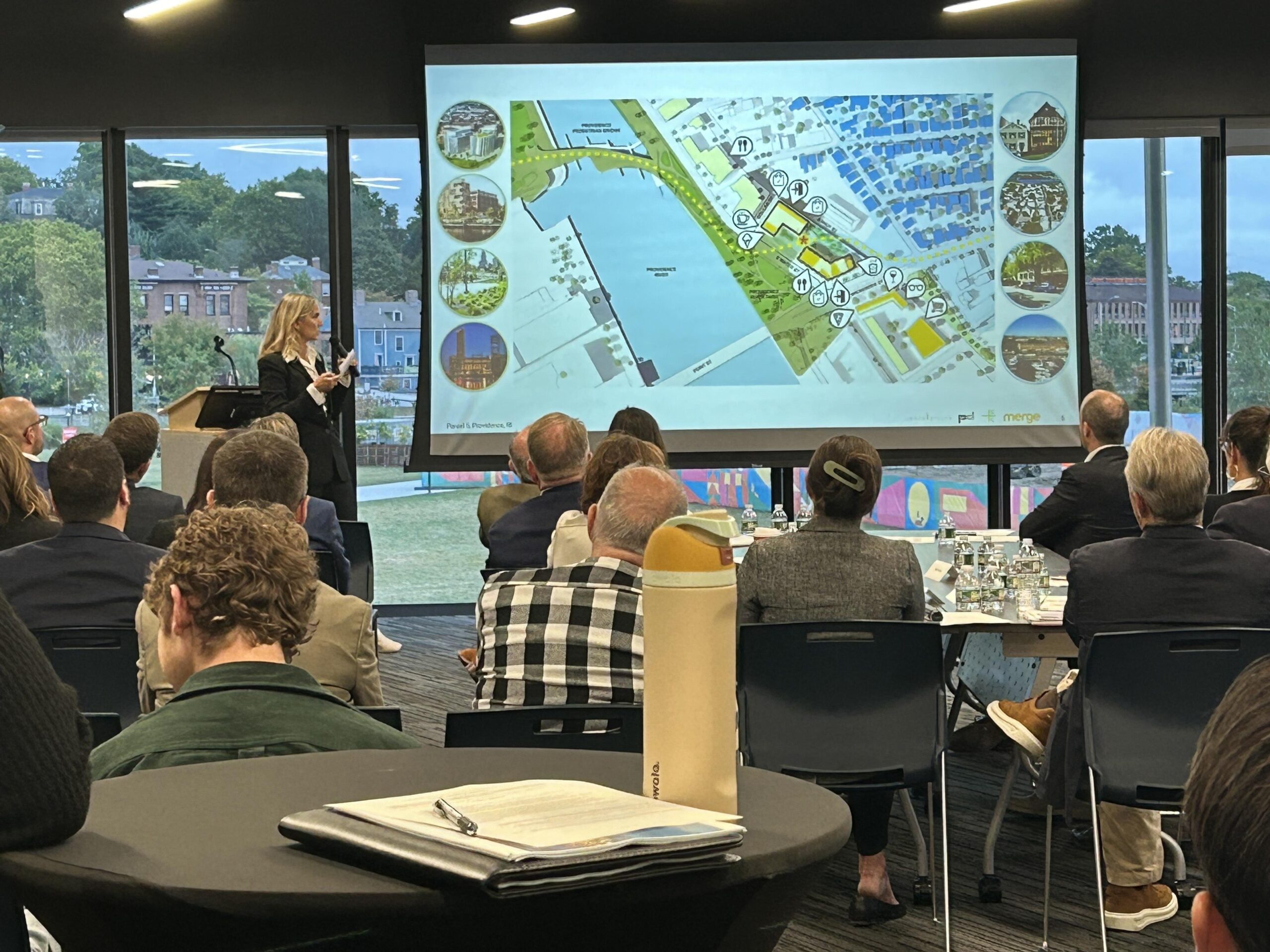
Stakeholder approval is where most public art sculpture projects actually lose time – not in the design studio. A developer signs off on budget, an architect signs off on siting, an artist protects the concept, and a local authority reviews safety and compliance. The trouble is, “approved” doesn’t always mean the same thing to all four of them. Everyone can sign off in good faith and still be approving a different version of the project – a silhouette the architect likes, a load path the engineer hasn’t seen yet, a material the authority hasn’t confirmed – and that gap only surfaces once fabrication is already underway. This piece lays out who needs to approve what, in what sequence, and how a partner like Pegasus closes that gap before it turns into rework.
What Approvals Does a Public Art Sculpture Actually Need?
There are really three layers here, and most people only think about one of them. First, does the concept actually fit the site and the brief – that’s design intent. Second, will it hold up structurally and pass safety and accessibility review-that’s the technical layer. Third, has it cleared zoning, permitting, and in some cities, an arts commission – that’s the civic sign-off. A plaza, campus, or transit hub commission can hit all three at once, which is usually where timelines start slipping if nobody’s mapped out who owns what. As a rough benchmark, a standard commission takes four months to a year to clear municipal approvals; large permanent landmarks can run several years once engineering review, fabrication scheduling, and civic sign-off all stack on top of each other. Knowing that range upfront makes it much easier to set realistic fabrication and installation dates instead of guessing.
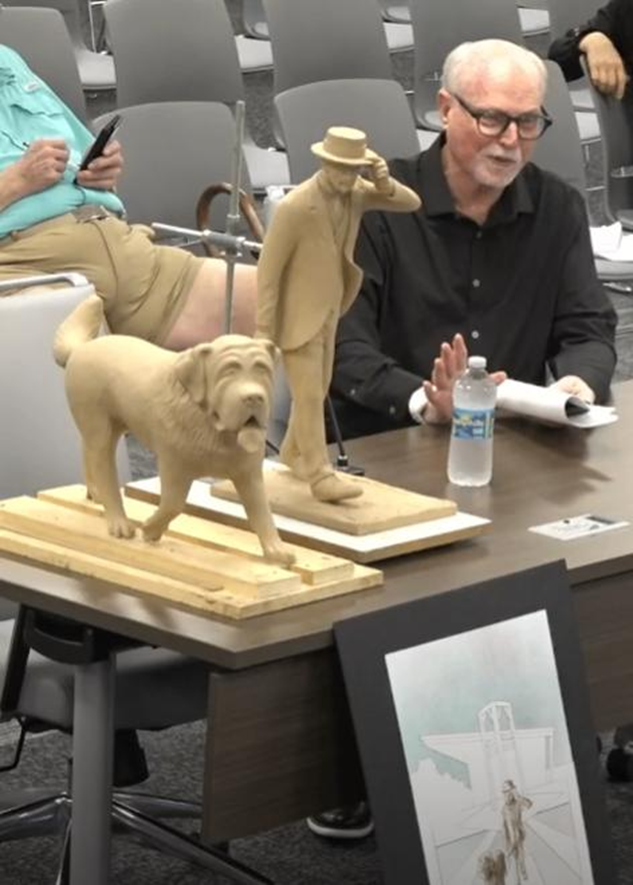
Who Are the Key Stakeholders in This Kind of Commission?
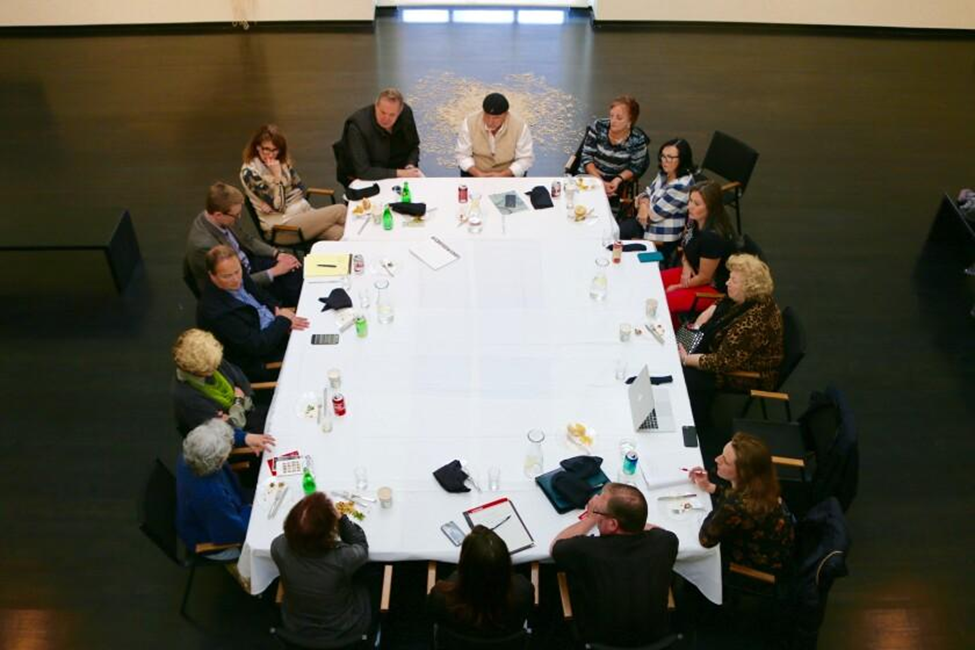
Every commission has a different mix of decision-makers, but most public and commercial projects involve some combination of the following:
- Developer or property owner – controls budget, site access and final commercial sign-off
- Architect or landscape architect – manages how the piece sits within the built environment, sightlines and pedestrian flow
- Artist or design lead – protects the creative intent through scaling, material choice and finish
- Structural engineer – verifies load paths, foundations, wind and seismic performance
- Local planning or arts authority – reviews public safety, accessibility and, in many cities, aesthetic fit with municipal guidelines
- Fabrication partner – translates the approved concept into an engineered, buildable, shippable artwork
Bringing the fabrication partner into these conversations early, rather than after design is “finished,” is one of the more overlooked ways to avoid costly rework later. Without that early alignment, each stakeholder can be confidently signing off on their own version of the project – the architect on a silhouette, the engineer on a structural assumption, the authority on a material that hasn’t been finalized – and the mismatch usually doesn’t surface until fabrication is already underway.
Why Do Public Art Sculpture Approvals Get Delayed?
It’s almost never one person dragging their feet. Almost every delay traces back to the same root cause: everyone approved something, just not the same something. An architect signs off on a silhouette that the structural engineer later says won’t work at that scale, or a local authority asks for a material change after the fabrication drawings are already locked in – each approval was genuine, but they were approving different pictures of the finished piece. Sequencing trips people up too: a lot of municipal art programs run larger commissions through a design review body and a separate planning or building department, so a piece can clear the aesthetic review and still get stuck on permitting. This is where it helps to have a partner who bridges design and engineering in the room early – one who can translate the architect’s intent into the engineer’s numbers and the authority’s requirements, catching these conflicts during the design phase before they turn into expensive change orders.
What Does a Realistic Approval Timeline Look Like?
The clearest way to avoid the “approved, but not the same thing” problem is knowing exactly who confirms what, and at which point in the sequence – not just who’s generally responsible for a given discipline. The table below breaks the process down that way.
| Stage | Who Confirms | What They Confirm |
| Concept & site fit | Artist, architect, developer | Scale, sightlines, artistic intent |
| Engineering feasibility | Structural engineer, fabricator | Loads, foundations, material behaviour |
| Civic / planning review | Local authority, arts commission | Safety, accessibility, public realm fit |
| Fabrication sign-off | Developer, fabricator | Finish samples, prototype approval |
| Installation coordination | All parties | Site access, rigging, final placement |
Treating these as sequential rather than parallel is where most schedules go wrong – engineering and civic review can often run alongside each other if the fabricator shares structural documentation early.
How Does Pegasus Support Approval-Ready Art Sculptures?
The projects that move through approval fastest aren’t necessarily the simplest designs – they’re the ones where every stakeholder is working from the same technical picture. That’s less a manufacturing problem than a communication one, and it’s where Pegasus adds the most value: closing the gap between what gets designed, what gets engineered and what gets approved, before it becomes rework.
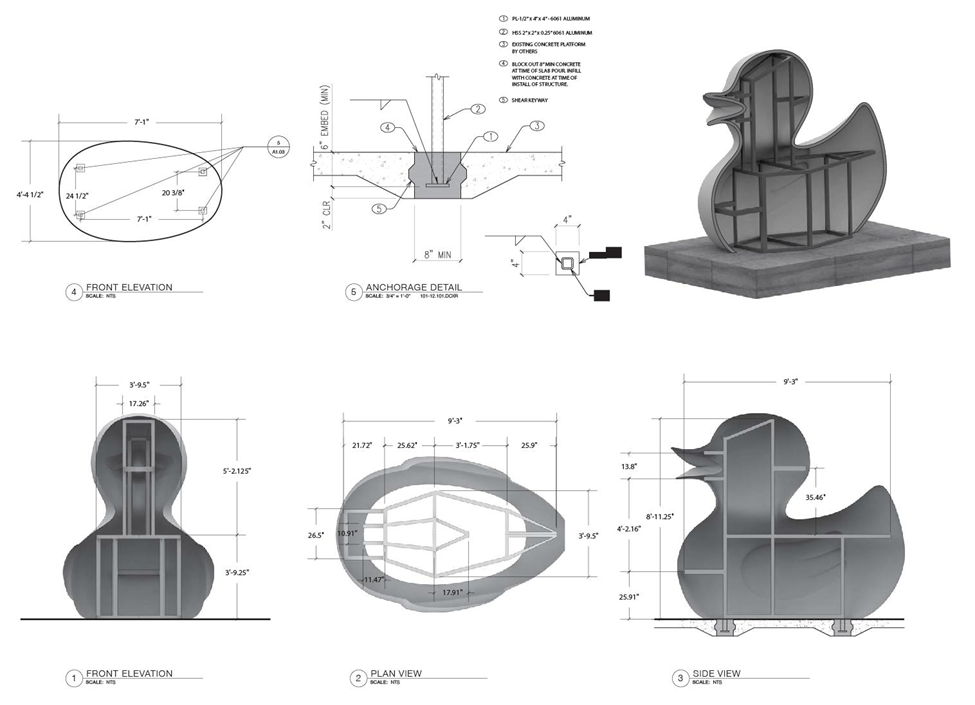
Pegasus gets involved at the concept stage – sitting in on early conversations with developers, architects and artists rather than stepping in once the drawings are already finalized. During design, the team reviews scale, material behaviour and site conditions so the concept a public art sculpture starts from is already close to what engineering and installation will actually require. In the engineering phase, internal support structures, base connections and sectioning are resolved around the artwork rather than forced onto it afterward – the kind of detail that local authorities and structural reviewers ask about directly.
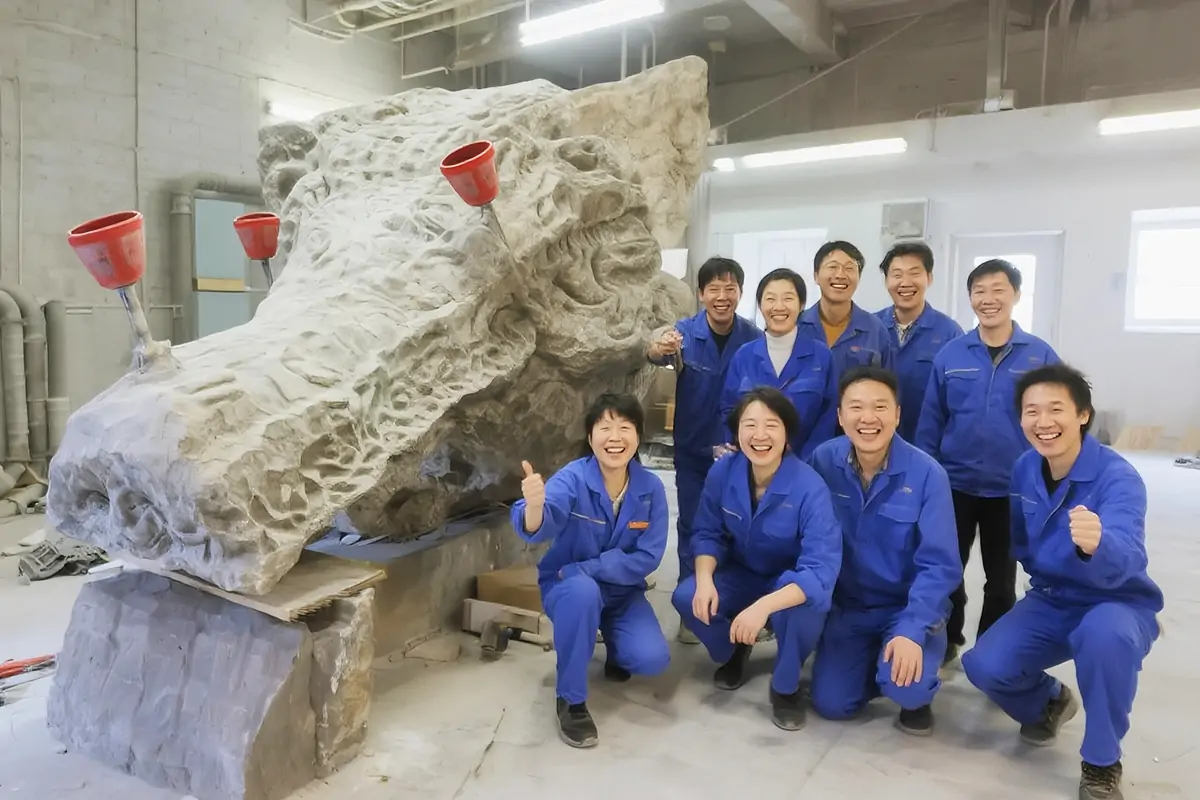
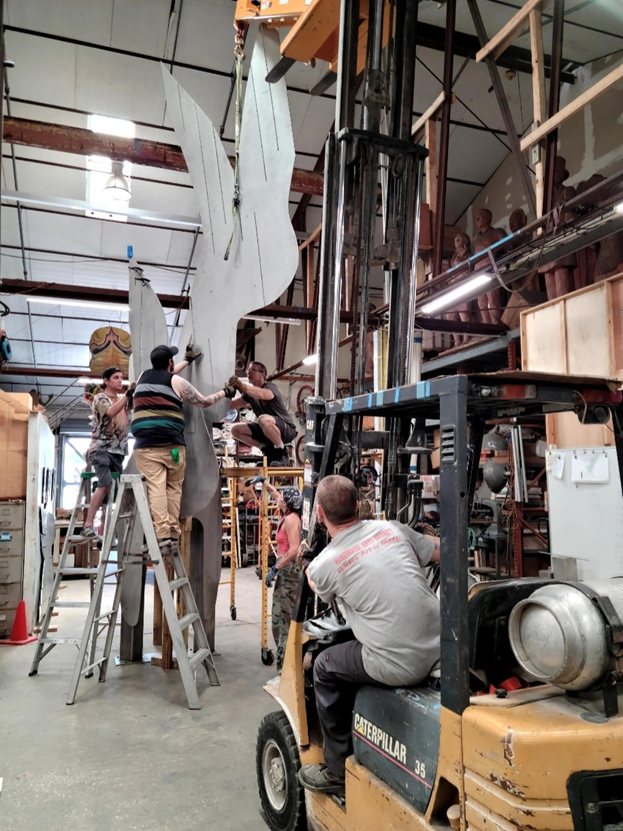
Manufacturing follows the approved material path, whether that’s bronze casting, stainless steel fabrication, marble carving or FRP moulding, with quality control checkpoints at assembly, finishing and pre-dispatch inspection. Each public art sculpture is checked for dimensional accuracy, surface finish and structural connections before it is packed, which matters when a project’s final sign-off depends on the installed work matching the approved prototype. Packaging is handled with project-specific reinforced crating suited to the artwork’s geometry and finish, and shipping and installation are coordinated so on-site assembly matches what planning documents described. You can see the fuller production sequence, from artistic brief through installation support, on Pegasus’ art sculptures page.
What Documentation Do Local Authorities Usually Require?
Requirements vary by jurisdiction, but most planning or arts review bodies ask for a similar documentation package:
- Scaled drawings or 3D renderings showing the artwork in context
- Structural engineering calculations, including foundation and anchoring details
- Material specifications and finish samples
- A maintenance plan covering the expected lifespan of the piece
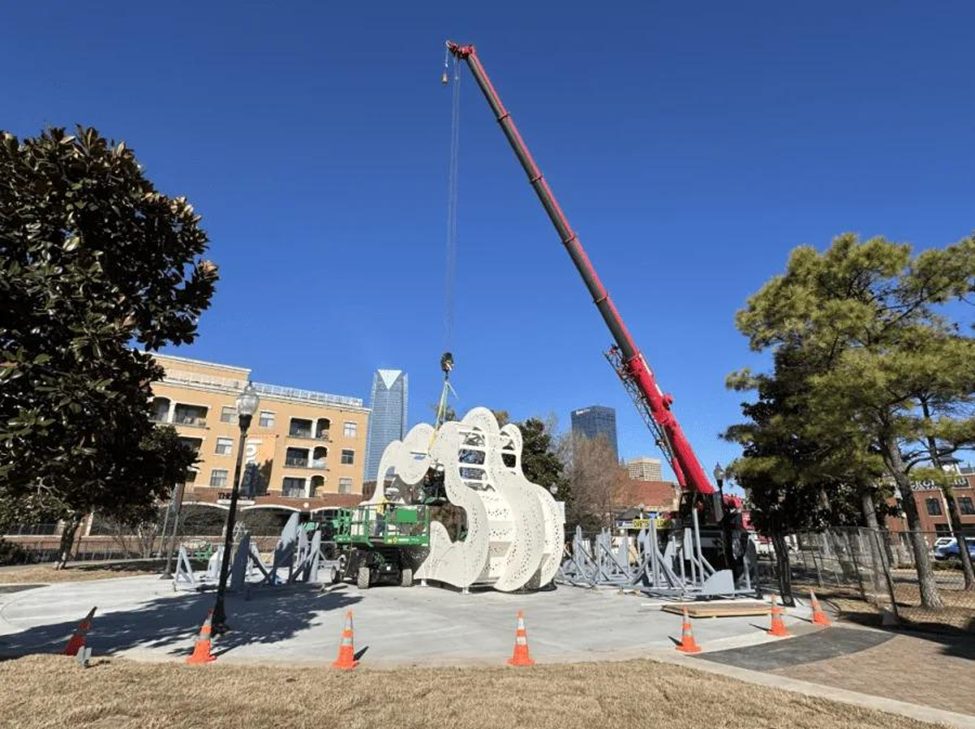
- Installation and rigging plan, including site access requirements
Having this package ready before formal submission, rather than assembling it reactively once a reviewer asks, is one of the more reliable ways to keep a public art sculpture on schedule.
Frequently Asked Questions
How early should a fabricator be involved in a public art sculpture project?
Ideally during concept development, before architectural drawings are finalized. Early involvement lets structural and material constraints inform the design instead of forcing late-stage changes.
Who has final approval authority on a commercial commission?
It depends on the project. Private developments are usually approved by the developer and, where public land or municipal art funds are involved, a local planning or arts authority.
Do all cities require a separate arts commission review?
No. Some jurisdictions route public art through general planning departments, while others maintain a dedicated arts commission, particularly for projects above a certain budget threshold.
Can approvals run in parallel to save time?
Often, yes. Engineering feasibility review and civic review can proceed simultaneously if structural documentation is shared with authorities early rather than sequentially.
What happens if a design changes after approval?
Material or dimensional changes after sign-off may require re-submission, which is why locking engineering and finish details before formal approval saves time later.
Bringing Approvals Together Without Losing Momentum
Aligning developers, architects, artists and local authorities isn’t about adding another layer of process – it’s about making sure everyone is approving the same project, not their own version of it. A public art sculpture that has been engineered with approvals in mind moves through review faster and reaches installation looking exactly like what was approved. Pegasus’ role in that isn’t just fabrication – it’s keeping design intent, engineering reality and civic requirements aligned from the first conversation, so the gap between “approved” and “buildable” never opens up. If your project is heading into design or planning review, Pegasus’ team can walk through feasibility, material options and documentation requirements before you submit – get in touch to talk through your site and timeline.