A Buyer Should Know the Handover Scope Before the Sculpture Is Ordered
For a public art sculpture, handover should not arrive as an unexpected folder at the end of the project. The useful approach is to decide the closeout scope while the quotation is being reviewed, because some records can only be created while the sculpture is being designed, fabricated, packed or installed.
For the buyer, this changes the question from “Will we get a handover package?” to three practical points: which records Pegasus will create, which records must come from the local installer or project team, and which additional services need to be priced separately before the purchase order is issued.
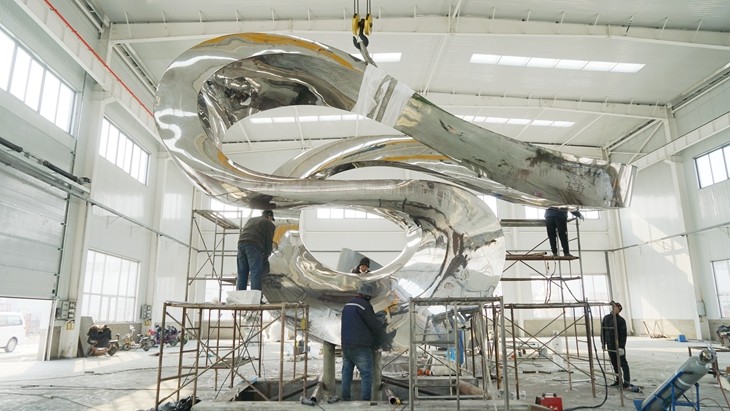
That distinction matters on international projects. Pegasus may manufacture and prepare the sculpture for installation, while a local contractor completes the foundation, crane lift, electrical work or final site connection. The final record therefore has to combine manufacturer information with the site information created by the party that actually performed the local work.
What Pegasus Can Provide
Pegasus’s published manufacturing information gives buyers several concrete handover deliverables to work from. Its stainless-steel project guidance states that large-format pieces can be supplied with numbered components, custom transport crating and an installation blueprint package. Pegasus also publishes capabilities covering fabrication drawings, foundation/load information, packing and installation support. For public-art buyers, these capabilities should be converted into named deliverables in the quotation rather than left as general service descriptions.
| Buyer needs at closeout | What Pegasus can contribute | When it is created | Who completes the final record |
| Approved design / fabrication basis | Final approved model or drawing issue and relevant fabrication/assembly information within Pegasus scope. | During design and fabrication; final issue before shipment or installation. | Pegasus for manufacturer-controlled drawings; buyer/design team retains its own approved project records. |
| Section and component identity | Numbered sections/components and matching assembly information for sectional work. | During fabrication and packing. | Pegasus; local installer uses the same identities during assembly. |
| Material and finish reference | Project-specific material/finish information and approved visual reference available within the agreed scope. | During material approval and finishing. | Pegasus for manufacturer-supplied materials/finish; buyer retains approved samples/references where applicable. |
| Packing and shipment record | Package/crate identification, handling information and shipment-related records appropriate to the order. | At packing and dispatch. | Pegasus for factory packing; freight provider supplies its own transport documents. |
| Installation information | Installation blueprint / connection or foundation information that Pegasus has agreed to provide for the sculpture. | Before shipment and installation. | Pegasus for sculpture-side information; local engineer/installer completes locally governed foundation and site records. |
| Final installed condition | Any site change, final anchor/interface condition or installation evidence created during local works. | During and immediately after installation. | Local installer/project team unless Pegasus is contracted to perform or supervise that work. |
Who Pays for the Handover Package?
The cleanest commercial answer is: the cost follows the agreed scope. Records that Pegasus commits to as part of the manufacturing quotation should be priced within that agreed project scope. A buyer should not reach completion and then discover that a promised drawing, packing record or installation document has become an unplanned extra.
However, not every possible closeout document is automatically part of every sculpture order. Additional third-party testing, locally stamped engineering, independent inspection, specialist conservation reports, extended on-site supervision or documentation created by a buyer-appointed installer may create separate costs. Pegasus’s public website does not publish one universal handover fee or one identical document package for every material and project, so the practical control is to name the included deliverables and separately priced services in the quotation before the purchase order.
A simple cost rule for the quotation
- Included: list the manufacturer records that are part of the quoted sculpture scope.
- Optional / separately priced: identify third-party tests, special certification, additional engineering, site supervision or other requested services.
- By others: identify local foundation, installation, electrical, permitting or owner records that Pegasus is not producing.
- No surprise at closeout: if the buyer adds a new documentation requirement after fabrication has started, confirm any cost and programme effect before the work is commissioned.
When Should the Buyer Receive the Handover Information?
A useful handover is staged. Waiting until the sculpture is installed is too late for records that disappear once a crate is closed or a connection is concealed. At the same time, calling every production document a final handover record creates unnecessary volume. The buyer needs the right information at the point when it becomes useful.
| Project point | Useful buyer release | Why this timing matters |
| Quotation / PO | Agreed handover schedule: included records, optional records, responsible party and delivery point. | Prevents cost and responsibility disputes at the end. |
| Before packing | Approved fabrication basis, final condition evidence where agreed, section identities and installation information needed by the receiving team. | Captures information before the sculpture is hidden by packaging. |
| At shipment | Packing/crate list, weights/handling information where applicable, component references and the current installation issue. | Lets the receiver match the physical shipment to the correct documents. |
| After local installation | Site-created installation evidence, locally completed foundation/anchor records, final changes and open-item closure. | Records what was actually installed, including work performed outside the factory. |
| Final closeout | One agreed completion issue containing the manufacturer records plus the applicable site records and contacts. | Gives the owner a usable record for future maintenance or repair. |
What If Pegasus Does Not Perform the Installation?
This is a common international-project scenario and it should not create a gap in the handover. Pegasus can provide the sculpture-side information that has been agreed for the order, while the local installer records the work it performs on site.
For example, Pegasus’s published stainless-steel guidance states that installation blueprint packages can travel with shipments and that sectional components can be clearly numbered for assembly. The local contractor can then work from that information, but it remains responsible for documenting locally executed work such as the final foundation, site-installed anchors, crane/rigging execution or other site conditions within its scope.
The buyer’s project lead should combine those two sources at completion. This is more practical than expecting the manufacturer to certify work it did not perform or expecting a local installer to reconstruct factory information it never created.
What Should Be Agreed Before the Purchase Order?
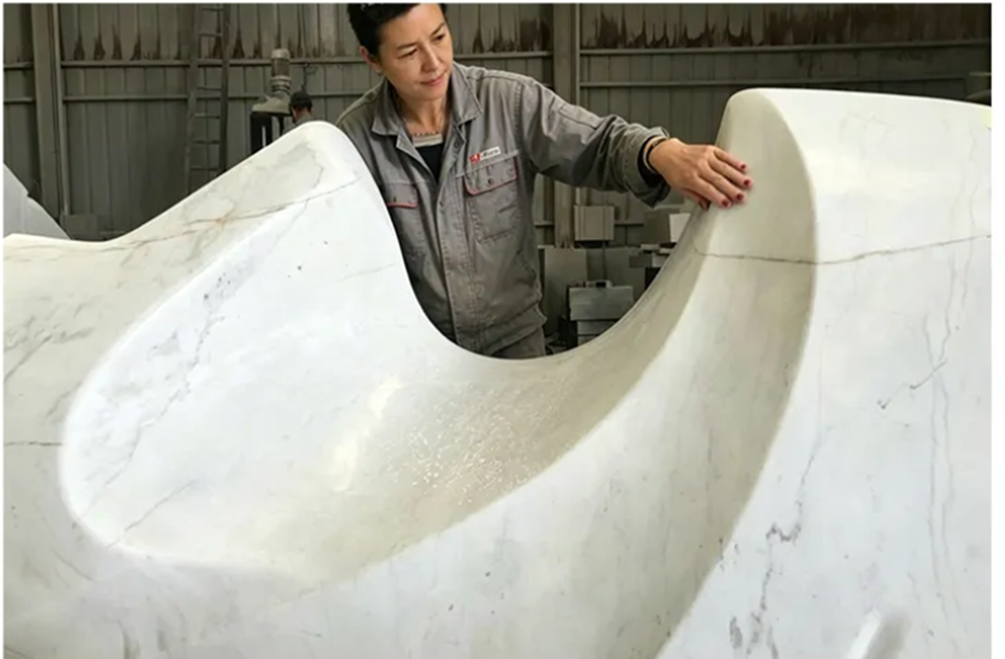
A buyer does not need a long handover specification for every commission. A one-piece interior work may need only a compact closeout set, while a sectional public landmark may need assembly drawings, component identities, crate references and more detailed installation information. The purchase order should therefore answer the following points in plain language:
- Which drawings or installation documents will Pegasus issue, and at what stage?
- Will the sculpture ship in sections, and if so, how will parts and crates be identified?
- Which material, finish or approval references will be retained for future matching?
- Which packing and handling records will accompany the shipment?
- Which site records must be completed by the local installer or project engineer?
- Are third-party inspection, certification, local engineering stamps or on-site supervision required, and are they included or separately priced?
- What is the final closeout point: shipment, installation completion, or closure of agreed site items?
The Practical Value of the Pegasus Handover
The value is not the number of PDFs delivered. It is that the buyer can move from factory completion to receiving, installation and long-term ownership without losing the information created during manufacture.
For Pegasus, that means making its published capabilities tangible: the current drawing or model basis, identifiable sections where the work is modular, packing information, the agreed installation package and the project-specific records promised in the quotation. For the buyer, it means adding the site information that only the local team can create and closing any remaining items before the project is considered complete.
This also makes cost easier to control. Instead of treating ‘handover documentation’ as an undefined final-stage service, both parties know what is included in the sculpture price, what requires a separate quotation and what belongs to another contractor.
Frequently Asked Questions
Who normally pays for a public art sculpture handover package?
The cost should follow the agreed project scope. Manufacturer records promised in the Pegasus quotation should be priced within that scope. Third-party tests, local engineering certification, independent inspection, additional site supervision or buyer-appointed installer records may be separately priced. The quotation should identify these items before the purchase order.
When should Pegasus provide the handover package?
Not everything should wait until the end. Installation information needed on site should be issued before shipment; packing and component records should accompany dispatch; site-created records are completed during installation; and the final closeout issue follows once the agreed manufacturer and site records are complete.
What does Pegasus actually provide for installation and handover?
Pegasus publishes capabilities that include fabrication/installation drawings, numbered components for sectional work, specialised packing and installation support. Its stainless-steel guidance specifically states that installation blueprint packages travel with shipments. The exact multi-material project deliverables should be named in the quotation so the buyer knows what will be supplied.
Who prepares the final as-installed information if a local contractor installs the sculpture?
Pegasus supplies the manufacturer-controlled information within its scope. The local installer or project engineer should record the site work it actually performs, including locally executed foundation, anchoring or installation changes. The buyer’s project lead then combines the applicable records at closeout.
Can the buyer request extra documentation after fabrication has started?
Yes, but a new requirement can affect cost or programme if the evidence was not part of the original scope or must be recreated. The safer approach is to identify special certification, third-party inspection, conservation or owner-specific closeout requirements during quotation review.