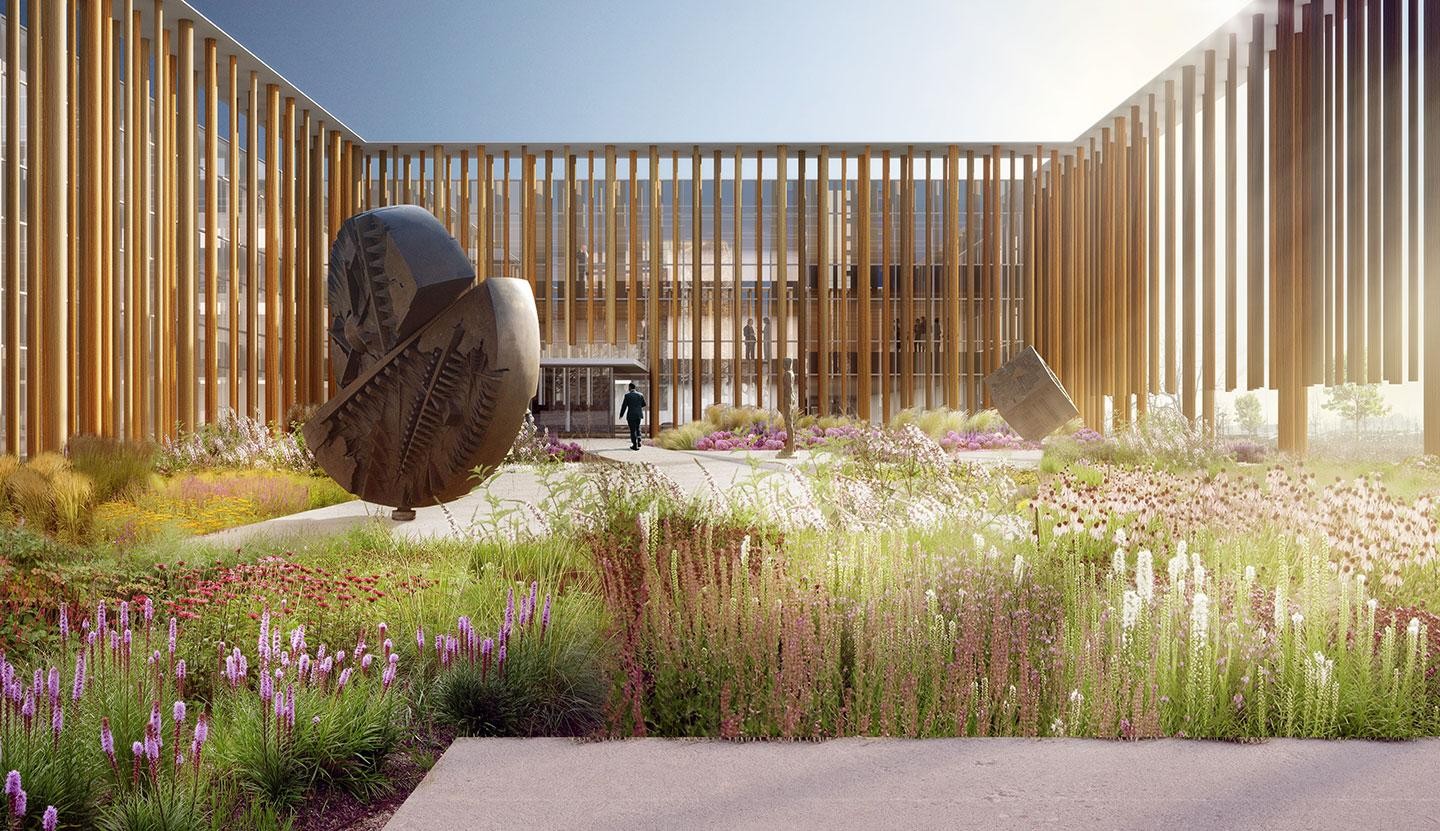
The rendering is approved, the location is fixed, and the metal sculpture looks convincing on screen. What happens when the design reaches a fabrication workshop? A sweeping curve may need several formed sections; a reflective surface may reveal every weld; a finished courtyard may offer only a narrow delivery route. For commercial landscape projects, these are production questions that can change the appearance, cost or installation sequence of an otherwise approved design.
Pegasus Sculpture combines 3D and structural engineering personnel with prototyping, fabrication and finishing specialists. This allows the manufacturing team to examine the proposed geometry, identify features that need physical testing and establish finish requirements before committing to production. Design approval remains with the project team; the manufacturer’s job is to make the agreed result achievable.
For metal garden sculptures in commercial landscapes, that route begins with the approved design and ends with an agreed manufacturing scope. The key is to protect the visible character of the work while resolving fabrication, finish, shipment and installation interfaces before they become expensive surprises.
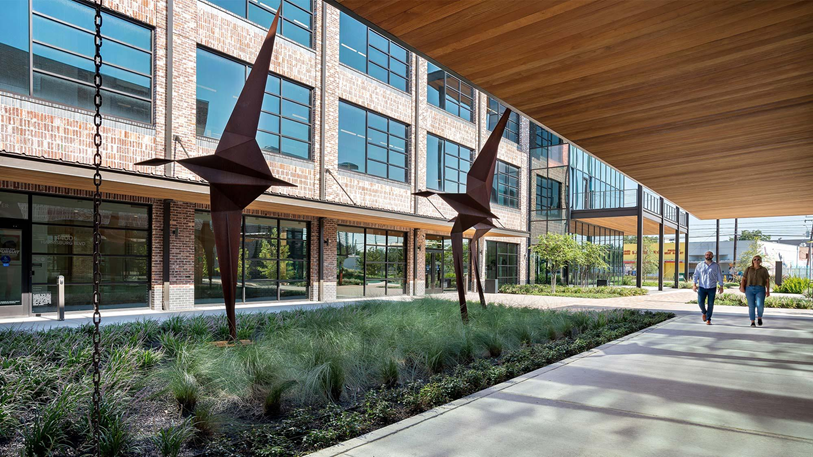
Preserving the Approved Form When Metal Must Be Fabricated
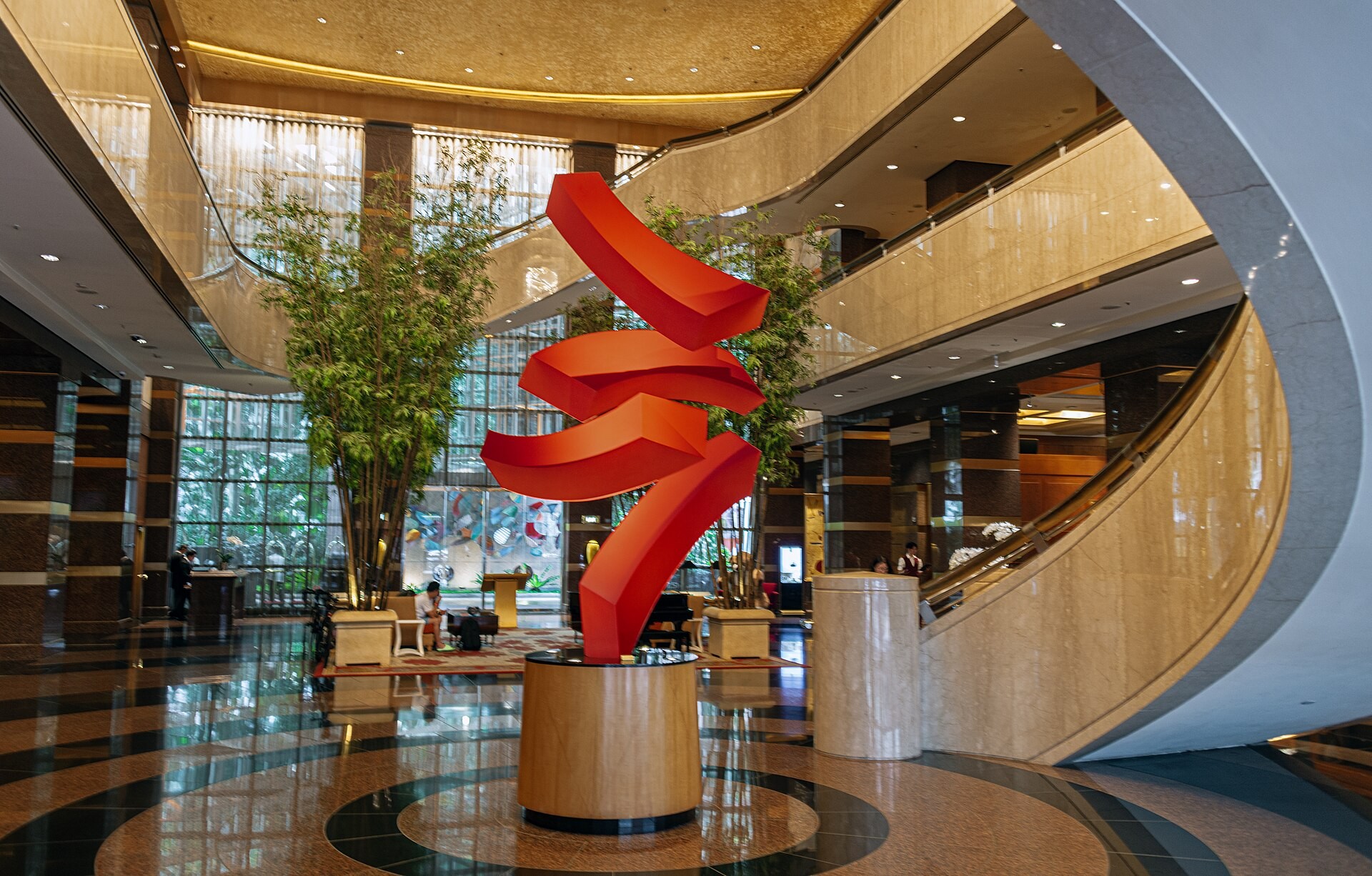
A tall ribbon-like sculpture in an office garden may depend on one uninterrupted curve. In the workshop, however, the metal may need to be formed in several pieces. If a weld cuts across the most visible sweep, the finished object can look different from the approved rendering even when the overall dimensions are correct.
For this type of geometry, Pegasus’s 3D and fabrication teams can study how the curve will be formed, where sections could meet and how supports might be concealed. If the visual outcome of a difficult transition remains uncertain, a targeted detail sample or prototype can be proposed for approval. This gives the architect a physical reference before full-scale work proceeds.
The resulting fabrication drawings should mark design-critical profiles and visible joint positions, with any necessary deviation submitted for approval rather than decided during production.
Specifying a Finish That the Manufacturer Can Reproduce
Two sculptures made from the same stainless steel can appear quite different in daylight. Mirror polishing reflects nearby architecture and makes blemishes conspicuous; brushed metal has a directional grain; satin finishes soften reflected light. A specification that simply says “premium finish” leaves the outcome open to interpretation.
Pegasus’s finishing team can turn a visual reference into a defined surface specification: grain direction, polish level, weld blending and the faces where consistency matters most. A finish sample can provide an agreed benchmark for inspection. For a polished stainless-steel sculpture, lighting and viewing distance may reveal variations that a workshop-only inspection would miss. Finish selection also affects maintenance: irrigation residue is conspicuous on mirror-polished surfaces, and recessed areas can be difficult for facilities teams to reach. Those consequences belong in the finish discussion, not as an afterthought following installation.
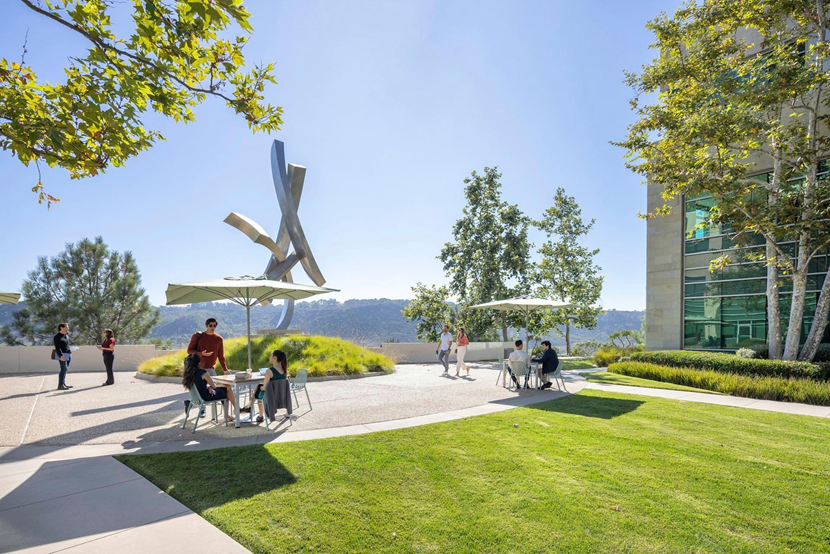
Designing Sections Around Real Delivery Constraints
The workshop may have room to fabricate a sculpture as a single object while the completed site has no route wide enough to receive it. Courtyard gates, finished paving, overhead obstructions and crane access can force a different sectional strategy. Discovering that conflict late can mean cutting a finished piece apart or adding a joint in an exposed location.
Pegasus can develop fabrication sections around verified transport limits, positioning connections where they have the least visual impact and distinguishing workshop finishing from any work that must happen after assembly. If a trial fit is necessary, it should be identified in the production scope. Route measurements, lifting capacity and on-site handling remain matters for the appointed logistics and construction teams to confirm.
The practical output is a section-and-assembly drawing that can be checked against the actual access route before fabrication is released.
Independent Fabrication Reference: Aurum at Vantage South End
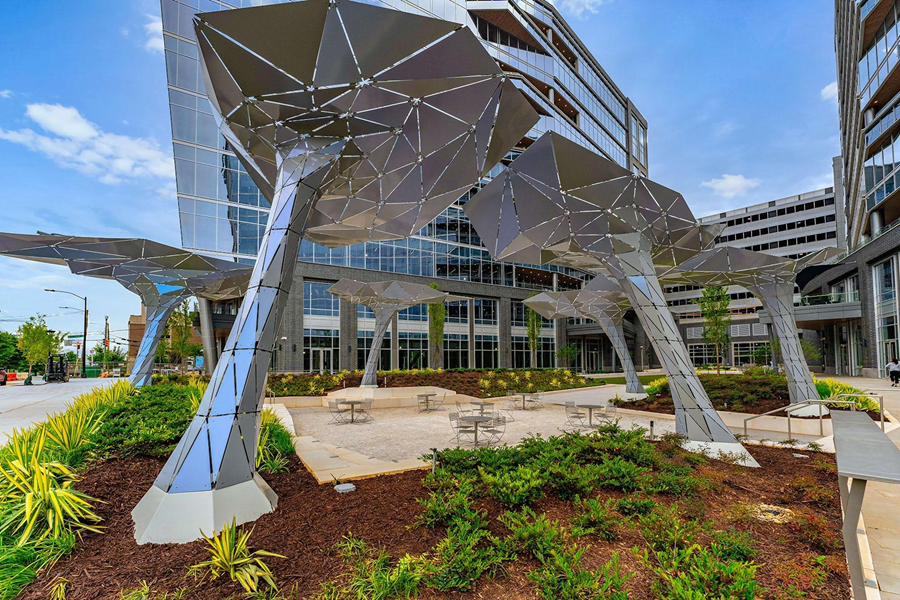
Aurum at Vantage South End in Charlotte, North Carolina, is a useful built reference. Designed by artist Ivan Toth Depeña, its six faceted aluminum-composite canopy forms occupy a mixed-use courtyard. Demiurge is credited with fabrication and installation, with LandDesign involved in the landscape setting. The completed work demonstrates how a large sculptural installation can become part of an actively used commercial landscape.
The published project information does not disclose the workshop methods or connection details, so those should not be presented as known facts. What the completed installation makes clear is the close physical relationship between the sculptural forms, the surrounding hardscape and the spaces people move through.
Agreeing on the Boundary Between Sculpture and Site Works
The foundation and the sculpture may be designed by different parties, yet they must meet at exactly the same point. An incorrect anchor pattern, unconfirmed finished-floor level or drainage conflict can hold up installation even if the sculpture itself is ready. This is a scope-interface problem, not a fabrication-finish problem.
Pegasus can supply the sculpture-side geometry and connection requirements covered by its manufacturing agreement. The project’s appointed structural engineer and contractor must establish the site-specific foundation, wind-load design, setting-out and approvals unless those services are explicitly contracted elsewhere. Neither party should rely on assumptions about the other’s drawings.
Before production is finalized, the project team should identify who signs off anchor locations, site dimensions and changes to the supporting works. That responsibility matrix is the safeguard against a finished sculpture arriving at an unprepared base.
What Pegasus Needs to Define a Manufacturing Proposal
A useful first enquiry includes the concept or approved model, approximate dimensions, preferred metal, project location and any non-negotiable visual details. State what is already approved and what the manufacturer is permitted to develop. With that information, Pegasus can identify the specific feasibility questions that affect pricing and production.
A comparable quotation then needs a clear list of inclusions and exclusions—particularly surface samples, packing, transport, site assembly and engineering responsibilities. The objective is a defined manufacturing package, not a price based on unstated assumptions.
Discuss Your Custom Metal Garden Sculpture With Pegasus
FROM APPROVED CONCEPT TO A MANUFACTURING PLAN. Share your design and project constraints with Pegasus. The manufacturing team can assess the first technical decisions and explain what is needed to prepare a scoped quotation. Contact Pegasus Sculpture to begin the discussion.
Frequently Asked Questions
Can Pegasus manufacture a sculpture designed by our architect?
Yes. Pegasus can review an authorized architect-designed concept before full production drawings exist. The first discussion establishes which design decisions are fixed and what technical development the commission requires.
Can joints be hidden in a large metal garden sculpture?
Not always. The answer depends on the shape, material thickness, weld location and finish. A prototype or joint-detail sample may be the most reliable way to assess a particularly visible transition.
What information is needed to request an initial quotation?
Start with a drawing or visual concept, approximate size, material preference, destination and expected programme. A preliminary budget or target installation date is useful if available; Pegasus can identify any missing technical information before detailed pricing.
Can a finish sample be approved before full production?
A sample can be proposed when the finish is important to the visual outcome. Its size, material, acceptance criteria and cost should be agreed in the project scope so the approved reference can guide subsequent inspection.