When the Entrance Landmark Is Seen for Only a Moment
A developer can approve an impressive sculpture rendering and still discover a disappointing result on the approach road. The artwork may be visible, yet visitors cannot tell what they are looking at before they pass the turn. For large metal sculptures at property entrances, that distinction matters: visibility is not the same as recognition.
The commission therefore needs a more useful question than “Is the piece big enough?”: what recognizable feature will a visitor take away from a brief view through a moving vehicle? A landmark for a logistics park, mixed-use development or residential estate must express identity without forcing the driver to decode a complicated composition.
Pegasus can support the move from a visual idea to a custom stainless steel sculpture through concept development, 3D modeling and metal fabrication. The developer’s first task is to identify what the artwork must communicate; Pegasus’s role is to help turn the selected visual idea into a viable custom commission.
1. Define the One Recognition Moment That Matters
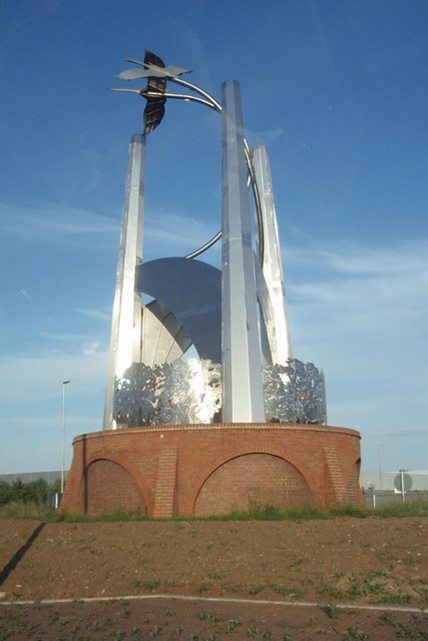
A property may have several attractive views, but not every view is equally valuable. For a roadside entrance, the decisive moment may be the last clear view before a turn; for a private estate, it may be the point where a boundary wall ends and the gate comes into sight. A concept can be excellent from the entrance forecourt and ineffective at the point where first-time visitors need to recognize the site.
Consider a business park with an access road parallel to the main highway. A sculpture positioned for photographs at the gate might present only its narrow edge to passing vehicles. The buyer’s problem is not insufficient artwork quality; it is a mismatch between the approved hero view and the actual arrival sequence.
A practical first decision is to nominate one primary recognition view and, where necessary, one secondary view. Ask the site designer to identify those positions on a plan and photograph them. Pegasus can then discuss which parts of the proposed form need to remain visually distinctive in those views. This is a concept-development decision, not a replacement for local traffic-safety review.
2. Give the Property a Visual Signature That Survives a Glance
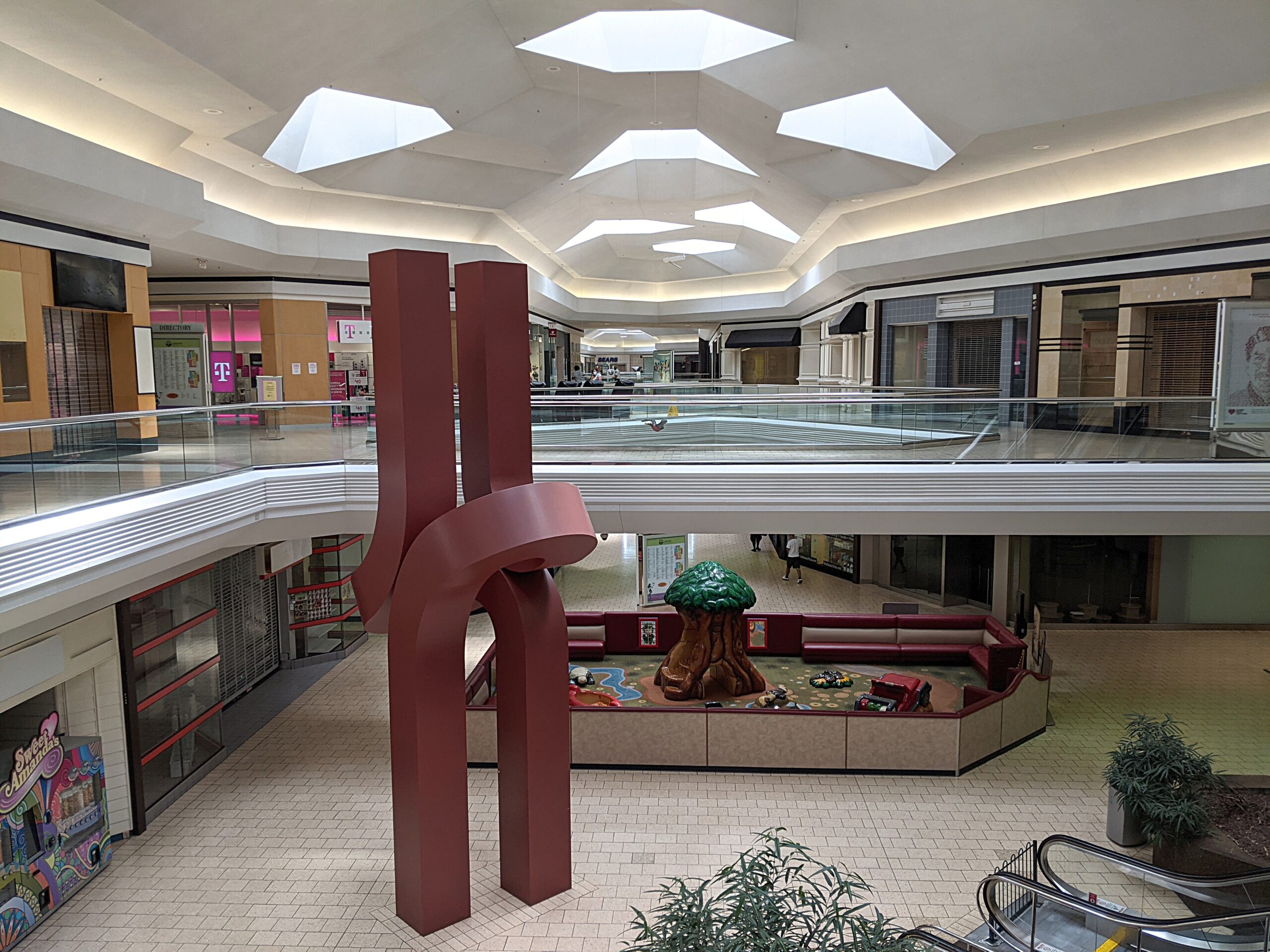
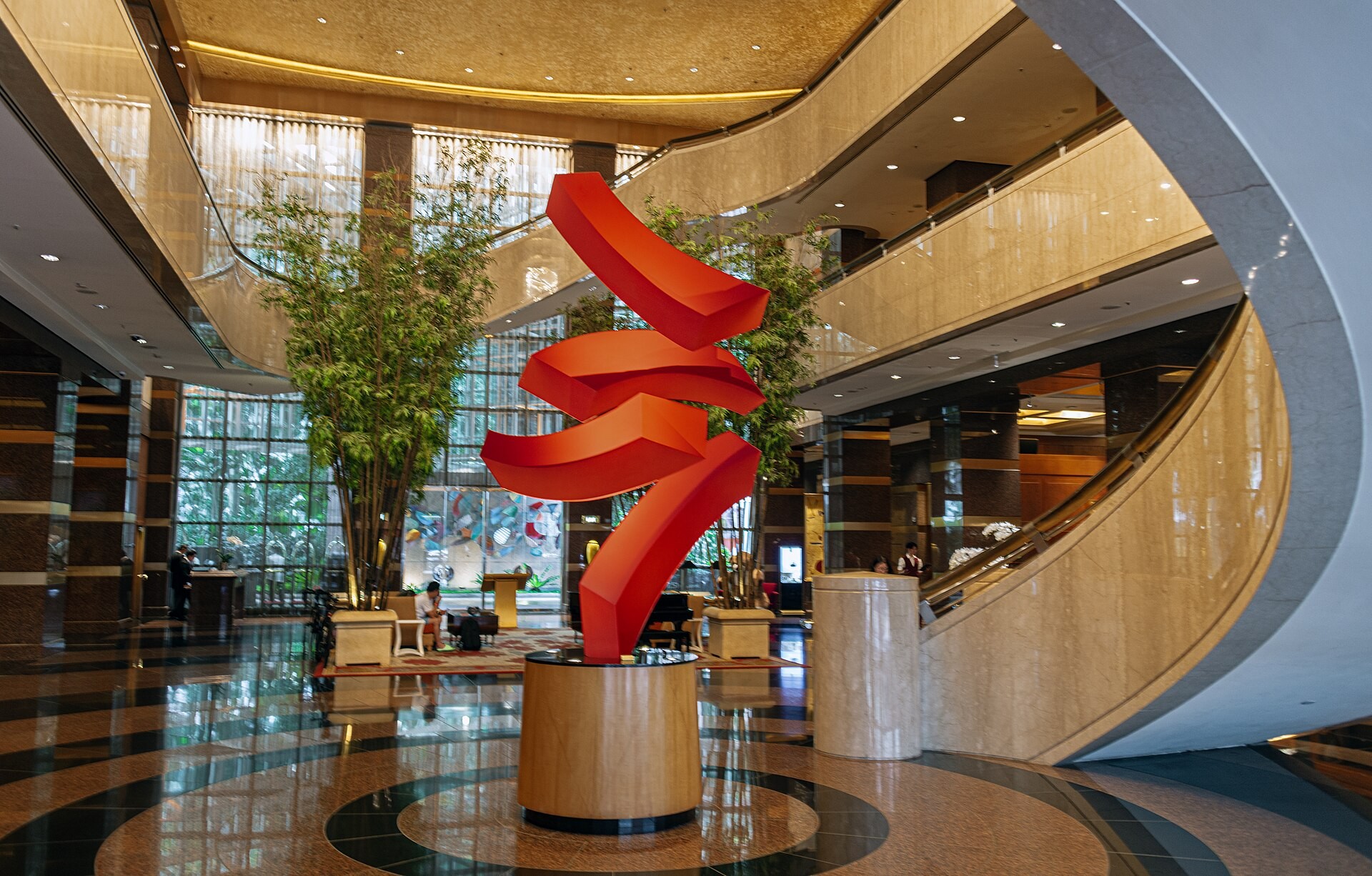
Once the priority view is clear, the challenge changes. The developer needs a form with a memorable visual signature: perhaps an open arch, an offset ring, or a deliberately interrupted curve. The goal is not to make the sculpture simplistic. It is to give it one characteristic that remains recognizable before fine detail becomes visible.
Rather than approving three attractive studio renders, ask for the concepts to be presented at the same apparent scale in the same approach photograph. Compare what survives: the open space through the form, its main directional line and the relationship between solid and empty areas. This is a qualitative design review, not a validated visibility test. Research on roadside signs distinguishes detection, recognition and comprehension; the same distinction helps prevent an entrance commission from being judged solely by how quickly it attracts attention.
The buyer can ask Pegasus to develop the selected geometry into a reviewable 3D model and identify the few features that give the work its identity. A prototype or scale study, where appropriate to the commission, can help the design team examine proportion before fabrication. The site architect still decides whether the concept belongs in the arrival environment; Pegasus contributes the manufacturing perspective on which shapes can be reproduced faithfully.
3. Solve the Two-Direction Problem Without Designing Two Sculptures
An entrance that receives traffic from opposite directions creates a different problem from a single approach. A dramatic profile may work from the east but collapse into overlapping shapes from the west. The buyer should not approve the project based on a single flattering render, then discover that half the visitors see a visually unrelated object.
For a residential development on a two-way collector road, the choice may be between a strongly directional form and a sculpture with a consistent three-dimensional identity. Neither is automatically superior. The right decision depends on whether both traffic approaches are equally important, and whether one side has a substantially longer unobstructed view.
Ask for paired views of the same 3D concept from the two actual arrival directions, shown at comparable visual scale. Pegasus can help refine the model so the chosen form retains its intended character while remaining feasible to fabricate. This review produces a clear approval outcome: either both directions matter and the form must work in both, or the developer deliberately prioritizes one.
4. Keep Identity Separate From Instructions
A sculpture can be an effective identity marker without functioning as a directional sign. Confusing those roles creates a commercial problem. Visitors may remember the object but still miss the correct gate, or the sculpture may become cluttered with letters, arrows and branding until it loses the distinctiveness that justified commissioning it.
At a mixed-use property with multiple tenants, a clean sculptural landmark can establish the site’s character while adjacent wayfinding communicates gate numbers and directions. The decision is about division of responsibility: artwork for recognition; signage for instruction. A property with many competing logos may benefit more from a distinct shape than another oversized branded object.
The developer and signage designer should agree where the sculpture sits in the visual hierarchy. Pegasus can develop the custom form around that decision, while local specialists check placement, visibility and compliance. This avoids turning a commissioned artwork into a compromised sign structure.
5. Protect the Recognizable Feature During Manufacturing
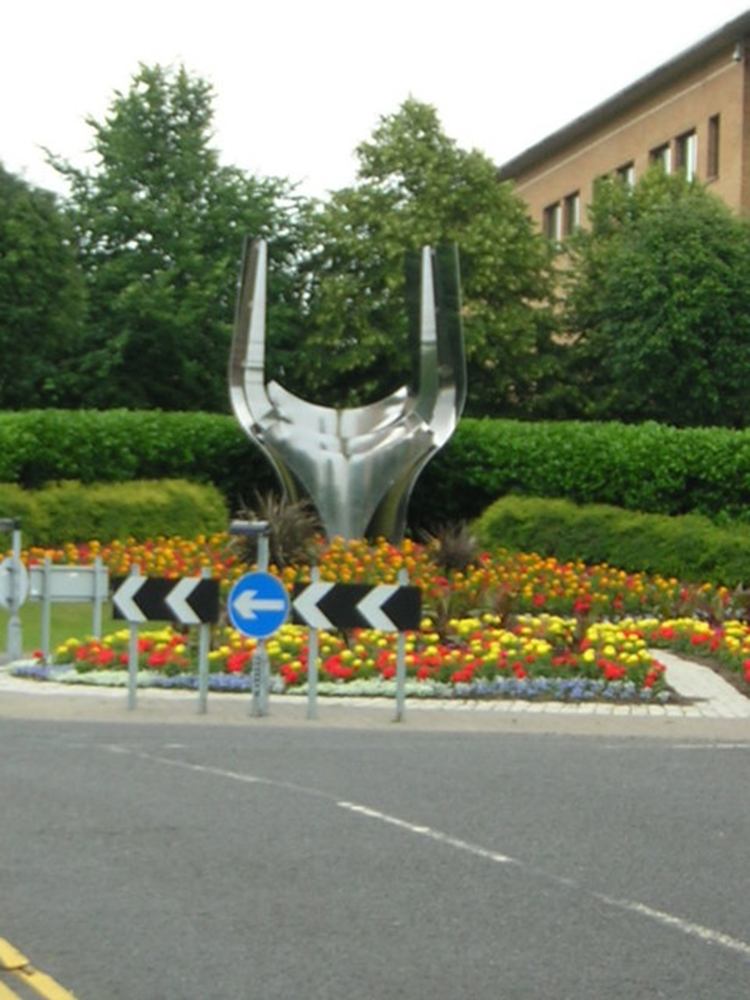
Approval risk does not end with the design model. A large metal sculpture may be fabricated in sections for transport and assembly. That introduces a specific buyer concern: the joins, supports and finishing work must not alter the visual feature for which the landmark was selected. A distinctive opening can be narrowed by a revised support arrangement; a continuous sweep can be interrupted by an unexpected visible joint. The right question is not only whether the sculpture can be made, but whether the final object preserves the approved identity.
Pegasus states in its FAQ that it provides production-stage photos and videos, checks visual and structural quality, and commonly makes large sculptures in modular sections for transport. Those are concrete controls a buyer can use. Request progress views from the agreed principal angle; ask how section interfaces will be finished; and confirm who signs off a change that affects the main opening or curve. The exact inspection points should be agreed for the commission, rather than assumed to be a standard proprietary Pegasus recognition protocol.
Before production, the developer and designer should record a short visual-acceptance schedule alongside the approved model: (1) the main feature that must remain recognizable, (2) the reference angle for progress photographs, (3) the acceptable location of visible joins, and (4) the person authorized to approve visual changes. These are proposed project-specific contract checks, not claims that Pegasus already uses this exact schedule. They make approval discussions concrete and reduce ambiguity if fabrication requires adjustments.
Structural and installation decisions still require the appropriate project professionals. The useful manufacturer contribution here is preserving the approved visual identity while the sculpture becomes a real, buildable object—not claiming that fabrication alone can guarantee recognition by every driver.
The Entrance Buyer’s Decision Matrix
| Decision | Evidence to review | Buyer outcome |
| Primary recognition view | Approach photograph with sculpture position marked | Concept is judged where first-time visitors actually encounter it |
| Visual signature | Two or three small silhouette options | Distinctive form selected without relying on decorative detail |
| Opposite-direction arrivals | Paired 3D views from both routes | Directional trade-off is agreed before approval |
| Relationship with signs | Artwork and wayfinding shown in one site view | Identity and instructions remain legible as separate elements |
| Protection through production | Approved model identifying defining geometry | Changes affecting the signature require explicit review |
How to Brief Pegasus Without Repeating the Full Sculpture Specification
For this particular decision, the useful starting materials are simple: the two key approach photographs, the sculpture’s approximate location, the property’s intended character and any form references the developer likes. That is enough to begin a discussion about visual identity. Detailed structural, foundation, shipping and installation requirements belong in the subsequent technical brief rather than taking over this article.
Pegasus says it can work from sketches and reference images and develop production-ready designs. Through its customization services, the team can discuss whether the selected concept can retain its essential shape through modeling and manufacture. The buyer should request agreement on the defining visual features before the project moves into detailed production decisions.
Frequently Asked Questions
Can a landmark sculpture work without including the development’s name?
Yes. Its distinctive form can act as an identity cue, while nearby signs provide the property name and route instructions. The site team should assess whether that separation works for the actual entrance.
What if the property has two entrances?
The developer should decide whether one landmark identifies the whole development or whether each entrance needs a related visual element. That is a brand and masterplanning decision; it does not automatically require duplicate full-scale sculptures.
Can an existing architect’s concept be developed by Pegasus?
Pegasus states that it accepts reference images, sketches and design files and can develop them into production-ready models. The original designer’s approval and intellectual-property permissions should be addressed as part of the project agreement.
Who approves roadside placement and safety?
The responsible local design, highway and regulatory professionals. A sculpture manufacturer can discuss the artwork’s geometry and buildability, but it should not substitute for jurisdiction-specific traffic or site-safety approval.
What should be signed off before metal fabrication starts?
Beyond normal project engineering approvals, the buyer should identify the few visual characteristics that make the sculpture recognizable and ensure proposed production changes to those features are reviewed with the design team.
Evidence note: Driver-attention research is a caution, not a sculpture-performance benchmark. A 2019 study of roadside memorials found brief visual attention but no systematic change in perceived risk or preferred speed; research on road-warning signs separately measures detection, recognition and comprehension. Neither study validates a particular entrance-sculpture design. Site-specific viewing and safety decisions remain with the qualified project team.
Commission an Entrance Landmark With a Clear Identity
If you are planning a property entrance sculpture, send Pegasus the approach photographs, site location and the one visual idea the landmark should express. Explore its stainless steel sculpture manufacturing capabilities, view project examples and contact the team to discuss how the concept can be developed into a custom commission.