A Manufacturer Cannot Price Information It Has Not Received
A reference image may communicate the idea, but it does not define the size, quantity, governing geometry, material route, finish target, site exposure, base interface or delivery constraints. When those inputs are missing, manufacturers fill the gaps with different assumptions, so the quotations describe different projects.
A useful RFQ distinguishes confirmed information from open decisions. Buyers do not need to complete the manufacturer’s engineering work, but they should provide the current design basis and identify what they expect the fabricator to develop or confirm. That makes clarification faster and reduces avoidable repricing.
Start by Stating the Pricing Stage
State whether the request is for an early budget range or a developed production quotation. For a budget range, approximate size, quantity, material direction, site type and destination may be enough if assumptions are clearly requested. A developed quotation needs controlled design files, defined interfaces, a finish direction and known delivery constraints. If information is pending, label it as pending and give the date or party responsible for resolving it.
1. Provide One Controlled Design Baseline
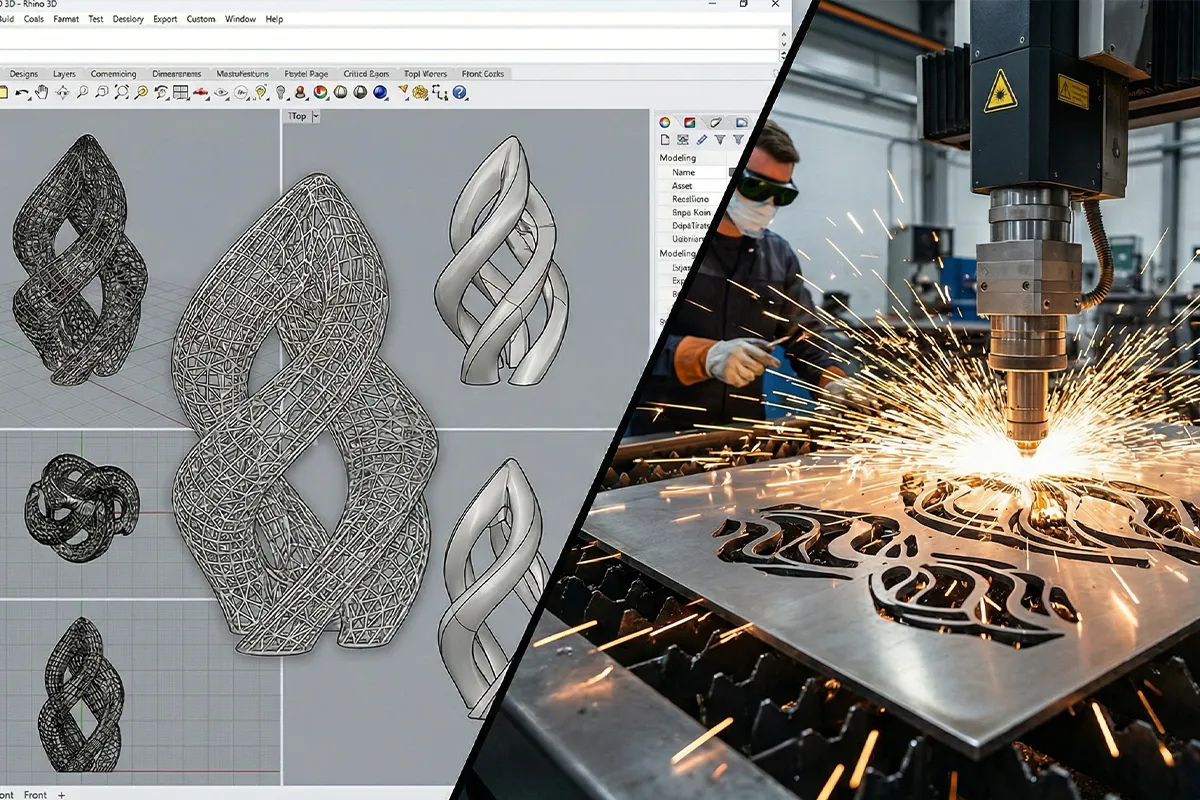
Issue one file list with revision dates. Identify which model or drawing governs the overall form and dimensions, and which sketches or photographs are visual references only. State the overall height, width and depth; quantity; orientation; finished level; and whether mirrored, scaled or repeated units are required. If segmentation is restricted by the artist or design team, state that before the manufacturer develops a fabrication method.
| RFQ Information | What the Buyer Should Provide |
| Design baseline | Current model/drawings, revision dates, governing file and visual references. |
| Object data | Overall size, quantity, orientation, finished level and segmentation restrictions. |
| Material direction | Fixed metal/alloy requirement or permission for a manufacturer proposal. |
| Finish direction | Target appearance, reference, viewing conditions, touch exposure and sample requirement. |
| Site environment | Interior/exterior, coastal or chemical exposure, climate and public interaction. |
| Base and services | Available plinth/foundation data, anchor zone, levels, power, drainage or water connections. |
| Access and lifting | Route dimensions, restrictions, crane position, loading limits and working hours. |
| Destination and timing | City/country, required arrival or installation date and known programme dependencies. |
| Open technical work | Items the manufacturer must develop, price separately or resolve by clarification. |
2. Define the Material and Finish Direction
State whether the metal route is fixed or open to a manufacturer proposal. Link the enquiry to the relevant stainless steel sculpture or bronze sculpture requirements where applicable, but keep the RFQ project-specific. A material name alone does not define grade, thickness, casting route, internal support or suitability for the site.
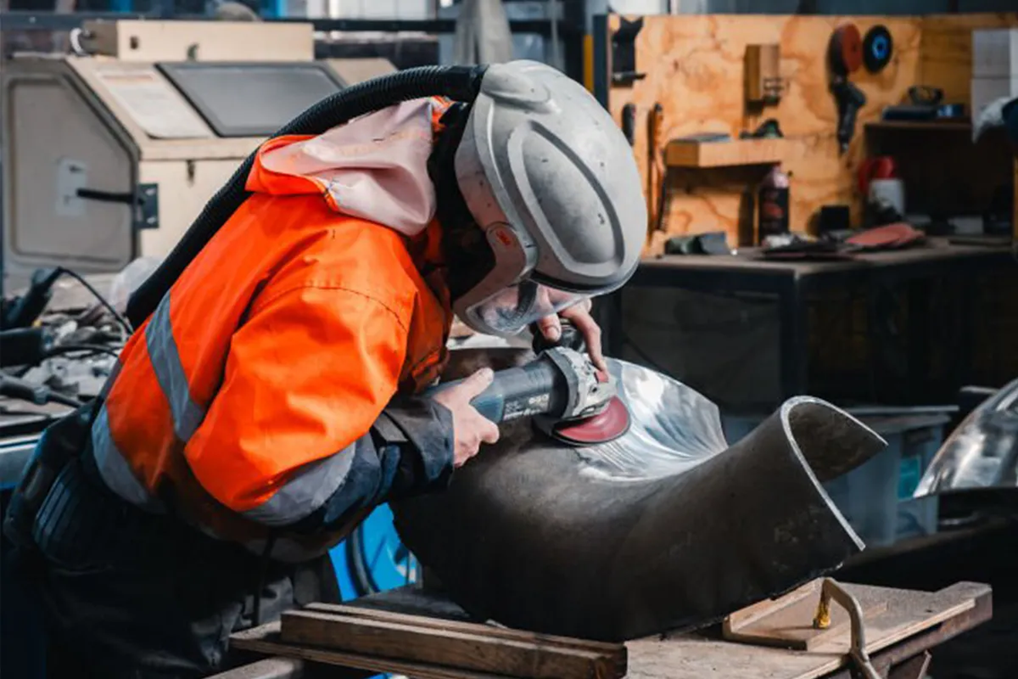
For the finish, provide a photograph, sample or approved visual reference and describe the important viewing distance, lighting, touch exposure and acceptable handmade variation. If the appearance is not final, request a priced sample stage and state who will approve it. This gives the manufacturer enough information to price development without pretending the finish is already resolved.
3. Describe the Site Conditions That Affect Fabrication
Provide the installation location, interior or exterior condition, coastal or pool exposure, irrigation, road salt, freeze-thaw conditions and expected public interaction where relevant. State whether visitors can touch or climb the work and whether maintenance access must be hidden within the form. These inputs can change material selection, drainage, access panels, finish protection and internal support.

4. Define the Base and Service Interfaces
Show the available plinth, slab or foundation information, including finished levels, anchor zone and adjacent paving or waterproofing. For illuminated, kinetic or water features, provide the available electrical, drainage, pump or control information and identify where connections must enter the sculpture.
If the local engineer will design the foundation, state what information is required from the manufacturer, such as base geometry, dead load, center of gravity, reactions or anchor proposal. The RFQ should identify the information exchange; it does not need to transfer local engineering responsibility to the fabricator.
5. Give Access Transport and Installation Constraints
Provide gate or door sizes, turning limits, overhead restrictions, floor or ground loading, crane position, permitted working hours and any route survey already completed. State the destination city and country, required arrival date and whether the quotation should assume one-piece delivery or propose practical sections.
Also identify the expected installation support: installation drawings, remote guidance, manufacturer supervision or full installation by a local contractor. The purpose is to let the manufacturer price a feasible fabrication and delivery strategy, not to reproduce a contractual scope checklist.
6. Identify the Information the Manufacturer Must Develop
List the outputs needed to complete pricing or production: model cleanup, production drawings, structural concept, sectional proposal, finish sample, base information, packing concept or installation sequence. For each open item, state whether the manufacturer should include it in the quotation, provide an option or raise a clarification. Include the target decision dates that affect the programme.
Project Evidence from Landscape in Sydney
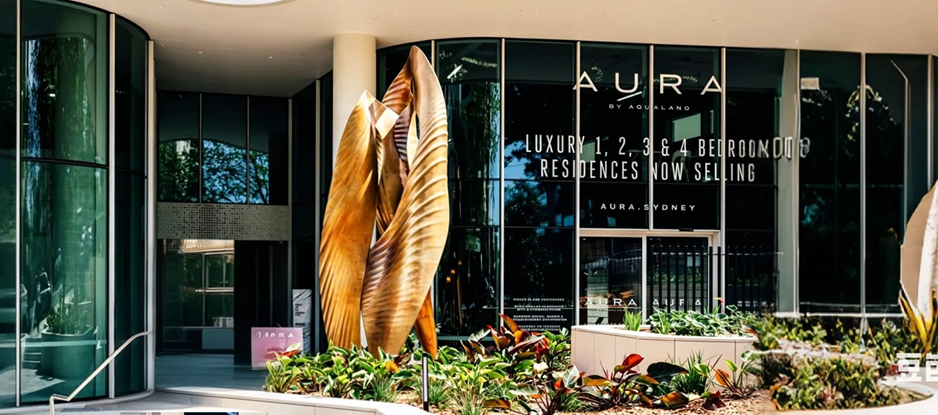
Pegasus identifies Landscape as a 2021 bronze project by artist Klaus Richter for a coastal walkway in Sydney, Australia. The project required a sandstone-inspired red and yellow finish while remaining suitable for a harsh coastal setting.
Pegasus reports that the factory refined the structure, cast the bronze and developed a dual-tone finish using chemical patination and mineral pigments. The RFQ lesson is specific: site exposure, target color family, texture reference and critical viewing transitions must be available before the manufacturer can price material, sampling and finish development responsibly.
Landscape is used here as evidence of how project information changes fabrication decisions. It is not presented as a stainless steel case.
7. Send a Complete but Compact RFQ Package
Combine the current design files, RFQ input register and reference images into one dated issue. The customization process can help buyers understand when production development normally begins, but the enquiry should state which inputs are already approved and which require manufacturer input. Ask bidders to identify missing technical information in a single clarification response.
Final RFQ Information Checklist
- Project identity: name, location, buyer contact and intended installation date.
- Design baseline: file list, revision dates and the source governing form and dimensions.
- Object data: overall size, quantity, orientation and known segmentation limits.
- Material and finish: fixed requirements, visual reference, viewing conditions and sample need.
- Site inputs: exposure, public interaction, base status, services and maintenance access.
- Logistics inputs: destination, access limits, lifting constraints and installation responsibility.
- Open decisions: information the manufacturer must develop, price as an option or clarify.
Frequently Asked Buyer Questions
What if the design is not technically complete?
Issue the current baseline and identify the missing decisions. Ask the manufacturer to state what it can price now, what development it must include and what information is required before a fixed production quotation.
Can the manufacturer propose an alternative?
Yes. Ask for the requested baseline first, then a clearly separated alternative explaining changes to material, finish, segmentation, weight, programme or site requirements.
How should RFQ clarifications be controlled?
Issue material answers in one dated addendum to all participating bidders. Require each quotation to identify the design and clarification revision on which it is based.
Better Project Information Produces a More Reliable Quotation
A strong fabrication RFQ does not need to contain a finished engineering solution. It needs one controlled design baseline and enough project information for the manufacturer to understand the object, finish, site, interfaces, logistics and unresolved technical work. That is what makes the returned quotation useful.
Buyers can review the Pegasus project portfolio for relevant fabrication examples and contact Pegasus to identify the missing inputs for a budget range or developed quotation.