Buying bronze garden statues for a hotel, resort, estate, public space or landscaped property involves more than choosing a design from a portfolio. Two sculptures may look similar in photographs but differ in alloy specification, construction, finishing, documentation and installation requirements.
For a custom project, those differences matter. The finished sculpture has to fit the site, arrive without damage, work with the planned foundation and deliver the finish you approved—not simply look good in a quotation image.
This buyer’s guide covers the practical points worth checking before commissioning outdoor bronze statues, from dimensions and casting to patina approval, anchoring, maintenance and manufacturer selection.
How to Choose the Right Size for Bronze Garden Statues
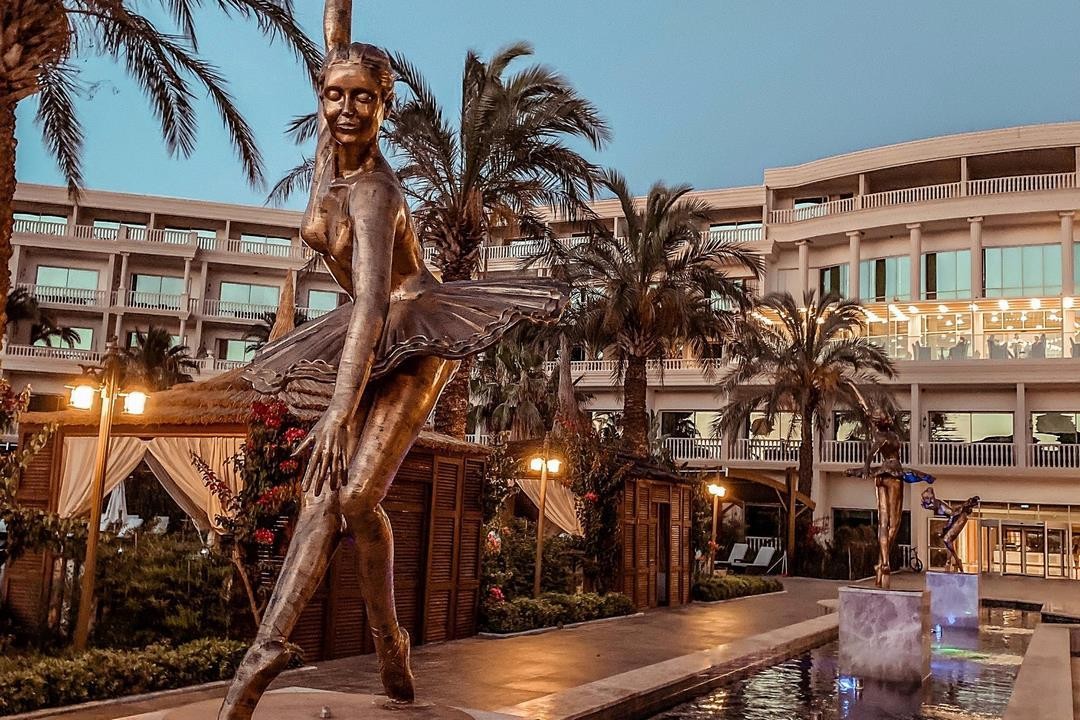
Size should be agreed from the actual project requirements rather than selected from a photograph or catalogue image. A sculpture that looks substantial in a studio can appear much smaller when viewed across a hotel entrance or open garden.
Before requesting a quotation, give the manufacturer the approximate finished dimensions, intended location and primary viewing distance. For larger pieces, also consider how the sculpture will reach the site and whether it will need to be transported in sections.
A simple starting point is to compare the sculpture with the scale of the surrounding space:
| Site Type | Size Consideration | What the Buyer Should Confirm |
| Courtyard or entrance | Proportion to nearby architecture and available space | Finished height, width and footprint |
| Garden focal point | Enough presence to remain visible without overwhelming the setting | Viewing distance and surrounding clearance |
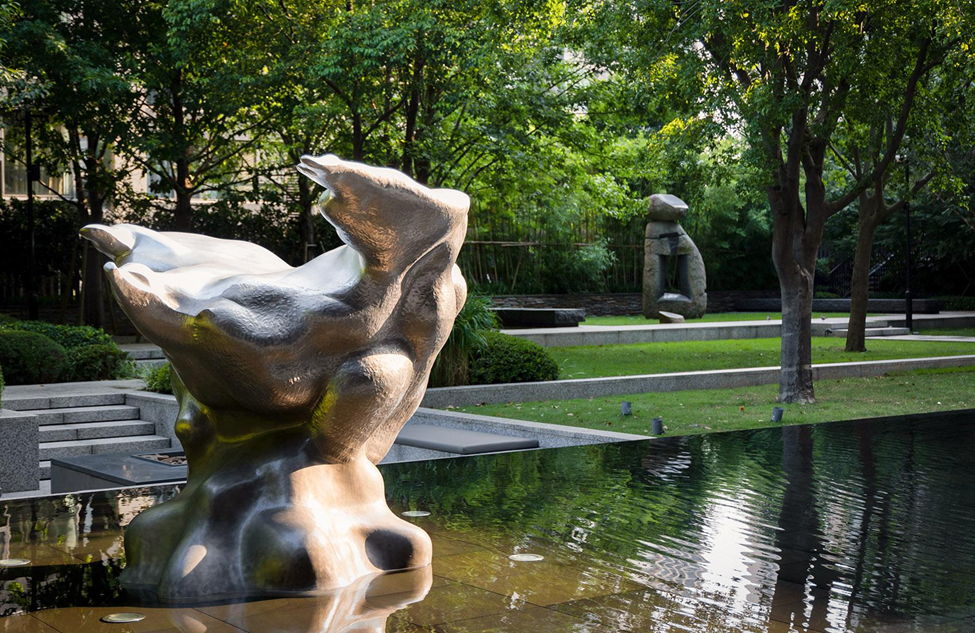
| Water feature | Proportion to the basin, paving and surrounding hardscape | Base dimensions, drainage and fixing requirements |
| Public plaza | Larger scale may be appropriate for longer viewing distances | Weight, transportation and lifting access |
These are planning guidelines rather than fixed size standards. Final dimensions should be agreed with the design and installation teams before fabrication begins.
What Bronze Specification Should You Ask For?
“Bronze” on its own is not much of a specification. When comparing suppliers, ask for the proposed alloy or material specification in writing and find out what documentation will be supplied with the finished sculpture.
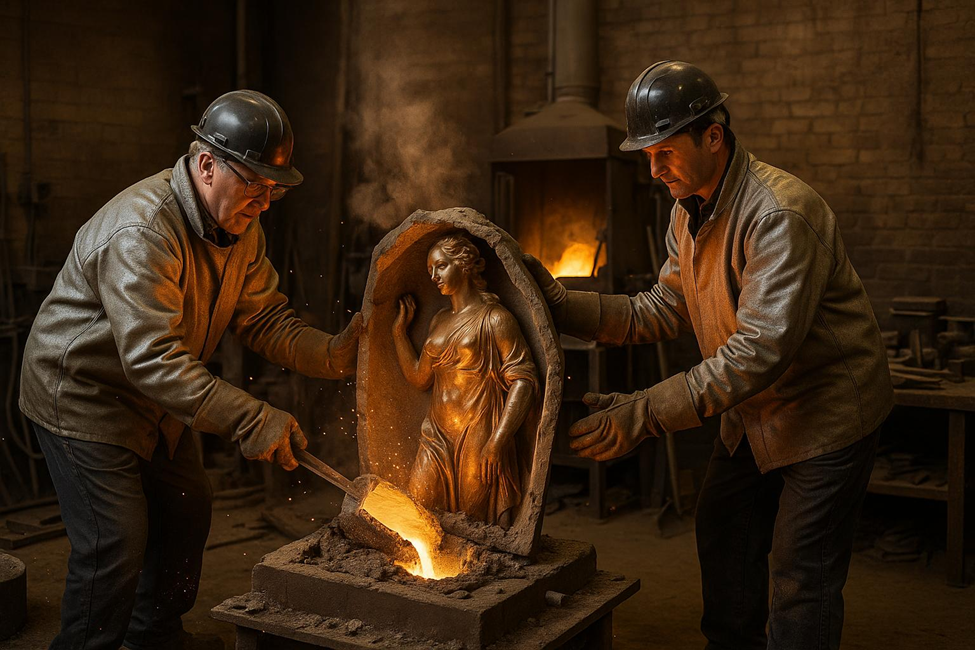
It is also worth asking how the sculpture will be constructed. Traditional lost-wax casting is commonly used for detailed bronze work because it can reproduce the texture and form of the original model. Larger sculptures may be produced in multiple cast sections that are then welded, chased and finished.
For buyers, the important questions are practical:
- What alloy is being proposed?
- Which casting method will be used?
- How will large sections be joined?
- What wall thickness is appropriate for the sculpture?
- Does the design require internal reinforcement?
- Will material or inspection documentation be provided?
- What parts of the construction are included in the quoted price?
There is no single wall thickness or internal support arrangement that suits every sculpture. The appropriate specification depends on the form, dimensions, structural requirements and installation conditions.
How Can You Judge the Quality of a Bronze Casting?
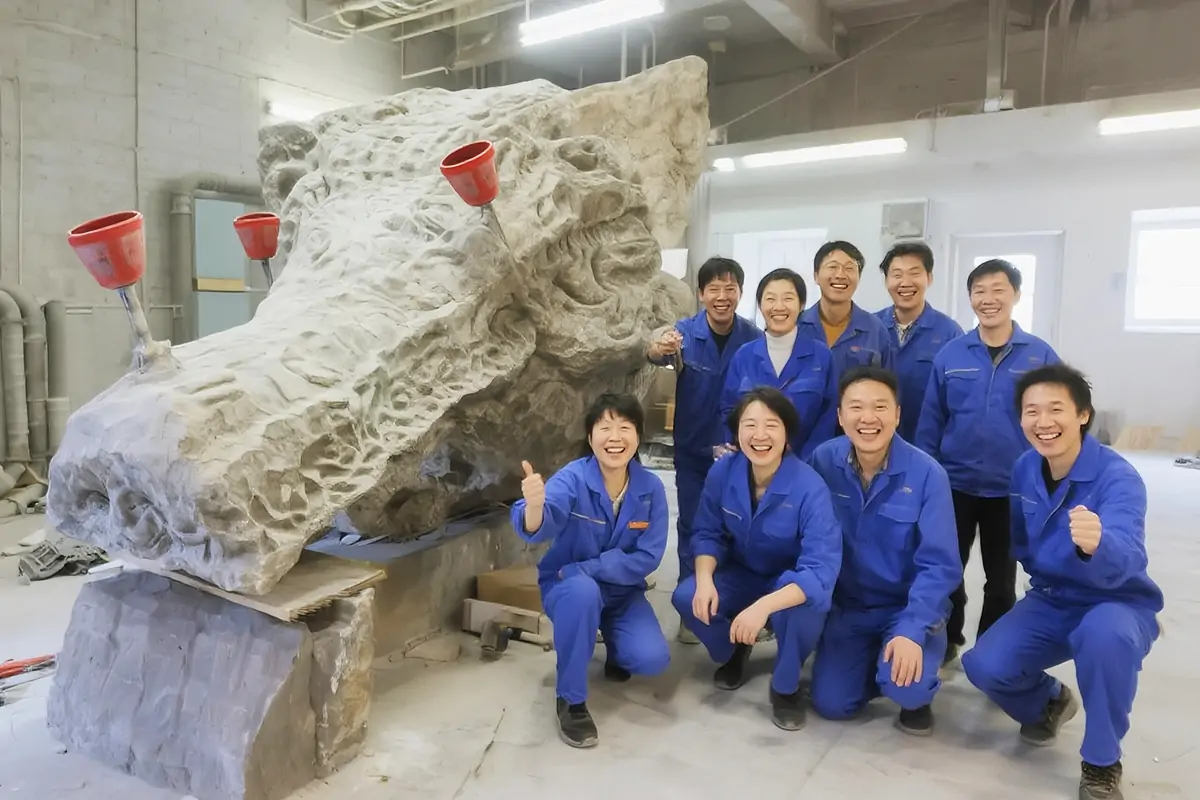
A finished photograph rarely tells you how well a sculpture was actually manufactured. If you are comparing bronze garden sculpture manufacturers, ask to see examples of work at different stages of production, where possible.
Production photographs can show details that disappear beneath the final finish, including mould work, cast sections, welded joints and surface chasing. These are particularly useful when commissioning a large or highly detailed piece.
Look closely at the finished examples too. Check whether fine details remain crisp, whether transitions between sections are clean and whether welded or repaired areas are properly finished.
It is also worth asking whether the manufacturer handles casting and fabrication directly or relies on several outside suppliers. For a complex commission, knowing who is responsible for each stage can make communication and quality control much easier.
How Should You Approve the Patina?
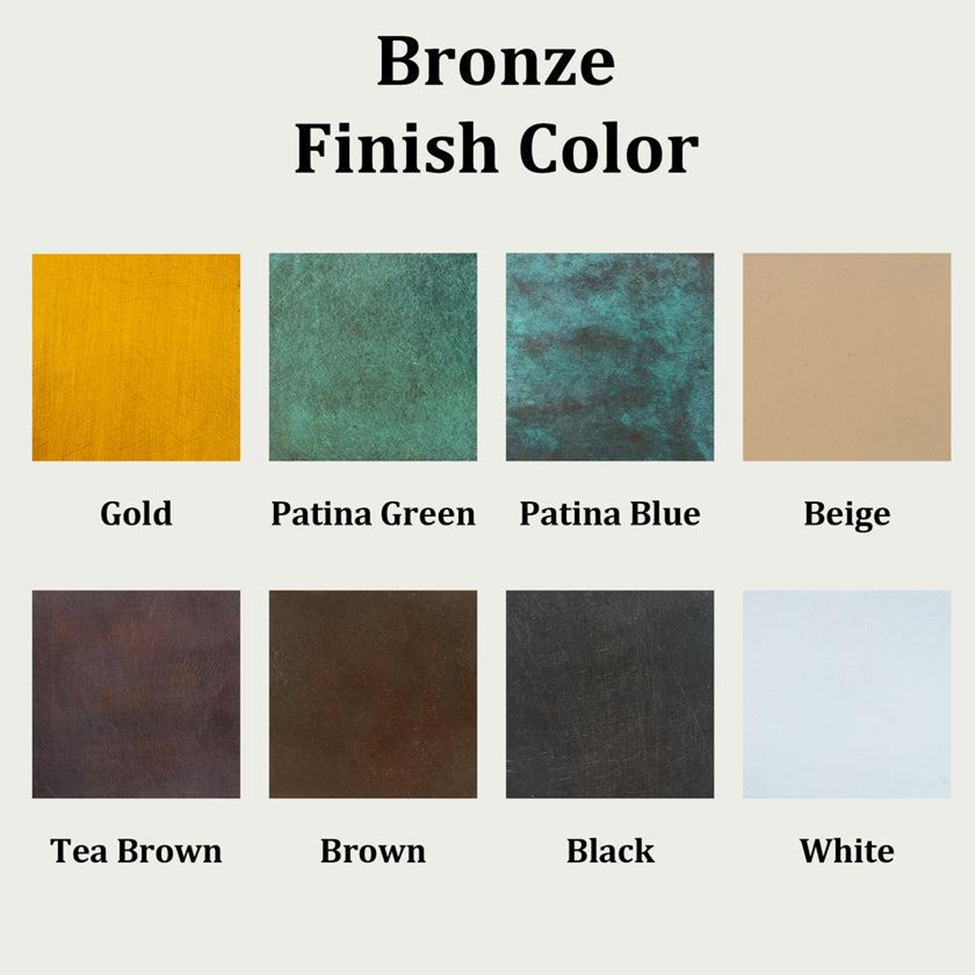
The right patina depends on the project, but buyers should be careful about approving a finish from a digital rendering alone. Screen colours can vary considerably from the final surface.
Ask the manufacturer for physical patina samples where available. A sample allows the project team to assess the actual tone, surface variation and overall character before the finish is applied to the sculpture.
Before production is signed off, confirm:
- the selected patina or finish
- whether a physical sample has been approved
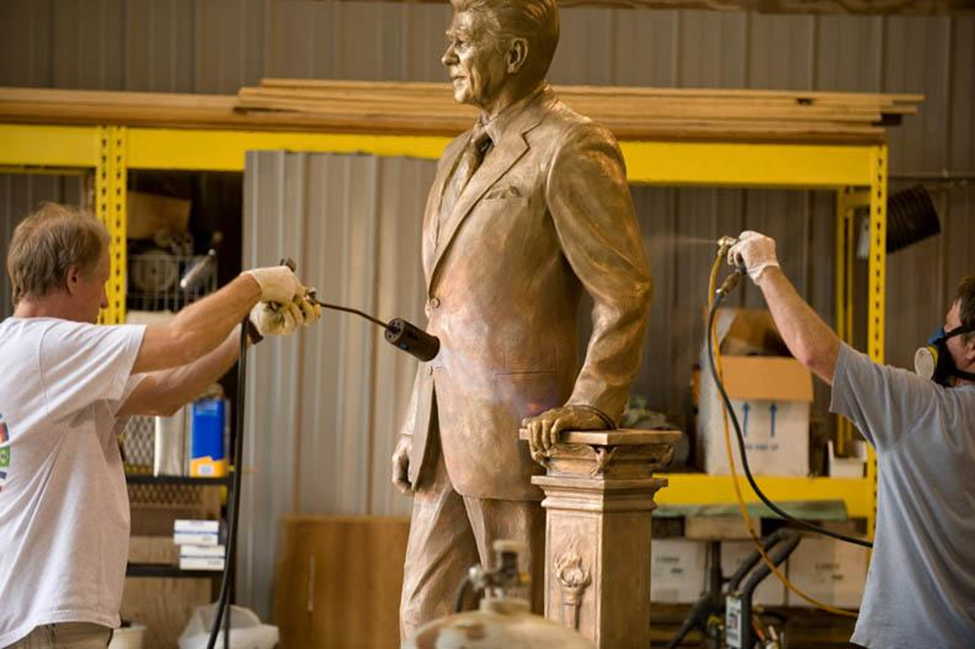
- how the finish will be applied
- whether a protective coating or wax will be used
- how the surface is expected to change with outdoor exposure
- whether the approved sample forms part of the final specification
Natural variation is part of the character of bronze, so the approval process should establish the intended appearance without assuming that every square centimetre will remain identical over time.
What Should You Confirm About the Base and Anchoring?
The installation details should be discussed before the sculpture reaches the site. This is particularly important for large bronze garden statues, where the finished weight, dimensions and centre of gravity can affect handling and fixing requirements.
Ask the manufacturer what information will be supplied to the installation team. Depending on the project, this may include:
- base dimensions
- fixing details
- anchor requirements
- installation drawings
- lifting or handling information
- foundation requirements
- drainage considerations
The foundation itself should be coordinated with the project engineer or relevant site professionals. A manufacturer can provide sculpture-specific information, but the final foundation design needs to suit the actual site conditions.
Getting these details early also helps avoid a common problem: discovering after paving, planting or other site work is complete that the prepared base does not match the sculpture.
Does Climate Affect Outdoor Bronze Statues?
Yes. The location should be part of the material and finishing discussion from the beginning.
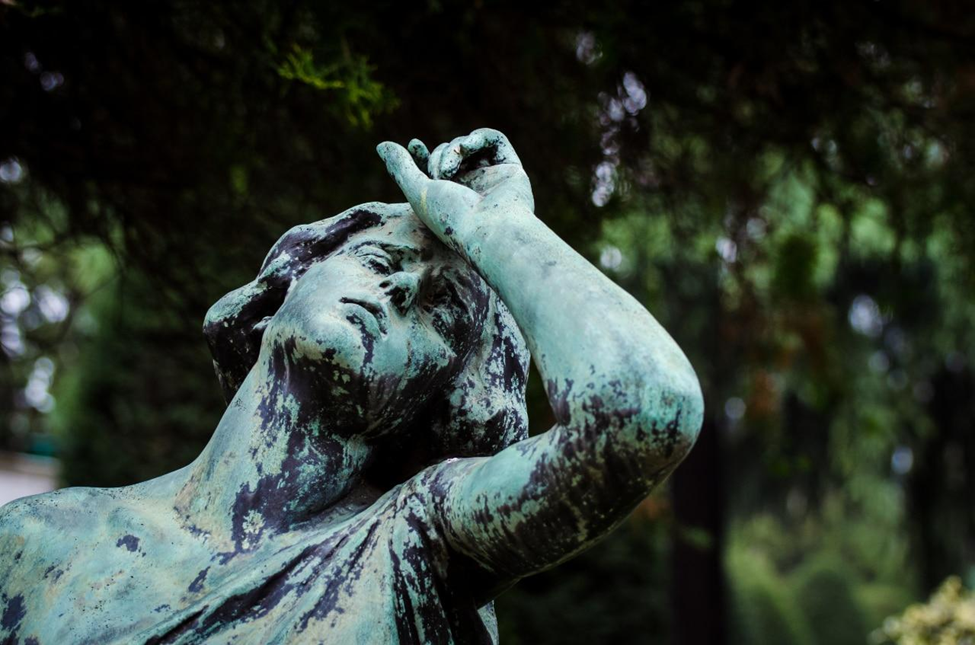
A sculpture installed beside the sea may experience salt exposure that differs from an inland installation. Humid locations, areas with frequent rainfall and heavily polluted urban environments can also place different demands on the finish and maintenance routine.
Before ordering, tell the manufacturer where the sculpture will be installed and ask whether any changes to the proposed finish, protection or maintenance approach are recommended.
| Installation Environment | What to Discuss |
| Coastal location | Salt exposure, surface protection and maintenance |
| Humid or wet climate | Drainage, moisture exposure and finish care |
| Cold or freezing climate | Foundation and installation conditions |
| Urban environment | Pollution, cleaning and surface maintenance |
| Pool or water feature | Splash exposure, drainage and applicable maintenance requirements |
Bronze is well suited to outdoor sculpture, but the specification should still reflect the environment in which the piece will spend its life.
What Maintenance Should You Expect?
Maintenance should be discussed before purchase rather than after installation.
Ask the manufacturer for written care instructions covering cleaning, inspection, waxing or other recommended surface treatments. The appropriate routine will depend on the finish and exposure, so avoid assuming that every sculpture needs exactly the same maintenance schedule.
The aim is not to prevent the bronze from ever changing. Outdoor bronze naturally develops over time. A sensible maintenance plan helps keep that change controlled and the surface in good condition.
For commercial properties, it is worth adding routine inspection and maintenance to the facilities plan from the beginning. That makes ongoing care easier to budget for and reduces the chance of small surface or installation issues being overlooked.
How to Compare Bronze Garden Statue Manufacturers
Price is only one part of a custom sculpture quotation. Two suppliers may offer similar-looking pieces at very different prices because their quotations cover different levels of engineering, finishing, quality control or delivery support.
Before comparing the totals, compare what is actually included.
| Quote Item | What to Check |
| Design development | Are drawings, modelling or revisions included? |
| Bronze specification | Is the material clearly identified? |
| Casting and fabrication | What manufacturing processes are included? |
| Patina | Is the finish specified and approved by sample? |
| Engineering | Are structural and installation requirements addressed? |
| Quality control | What is inspected before dispatch? |
| Documentation | What drawings, certificates or records are supplied? |
| Packaging | Is purpose-built export packaging included? |
| Shipping | Who arranges and manages transportation? |
| Installation | Is site installation included or separate? |
| Warranty | What does the warranty actually cover? |
| Maintenance | Are care instructions provided after delivery? |
This comparison can reveal why one quotation is higher than another. It also gives the buyer a clearer picture of what will happen after the order is placed.
What Should You Ask Before Commissioning?
Before signing the final agreement, make sure the important decisions are documented rather than left to verbal discussions.
At minimum, confirm the:
- final sculpture dimensions
- approved design or drawings
- bronze specification
- casting and fabrication scope
- patina and finish
- base and fixing requirements
- inspection and quality-control process
- packaging method
- shipping responsibility
- installation scope
- warranty terms
- maintenance recommendations
It is also worth asking how design changes are handled once production has started. A revision that is simple during modelling can become considerably more expensive after mould making, casting or fabrication has begun.
A manufacturer that can explain these stages clearly gives the buyer a much better basis for making a decision.
Frequently Asked Questions About Buying Bronze Garden Statues
What information should I provide when requesting a quote for a bronze garden statue?
Provide the proposed dimensions, intended location, preferred finish, approximate viewing conditions, delivery location and installation requirements. If drawings or a digital model already exist, include those as well.
Should I approve a physical patina sample before production?
For a custom project, it is a sensible step. A physical sample gives you a more reliable reference for the intended finish than a screen image and provides something that can be approved before full production.
How can I compare quotations from different bronze sculpture manufacturers?
Compare the scope rather than the headline price. Check the material specification, fabrication, finish, engineering, QC, packaging, shipping, installation, warranty and documentation included in each quotation.
Are large bronze garden statues shipped in sections?
Large sculptures may be divided into sections when their dimensions or transportation requirements make this practical. Ask the manufacturer how the piece will be prepared for shipping, how sections will be protected and how they will be assembled at the destination.
What installation information should a manufacturer provide?
Depending on the sculpture, buyers may need base dimensions, fixing details, foundation requirements, lifting information and installation drawings. These details should be coordinated with the relevant site and engineering teams.
How long can bronze statues remain outdoors?
Bronze is a long-established material for outdoor sculpture and can provide a very long service life when appropriately fabricated, installed and maintained. Actual performance depends on the material specification, construction, environment, installation and ongoing care rather than a single guaranteed lifespan.
Planning Your Bronze Garden Statue Project
Choosing bronze statues for gardens is easier when the buying decision is based on more than appearance. The right manufacturer should be able to explain the material, construction, finish, documentation and installation requirements clearly before production starts.
Pegasus works with clients on custom bronze sculpture projects and can discuss project-specific requirements before fabrication begins.
If you’re planning a hotel, resort, estate, commercial landscape or public installation, contact Pegasus to discuss your project requirements.
You can also explore Pegasus’s bronze sculptures to see the range of custom bronze work available.