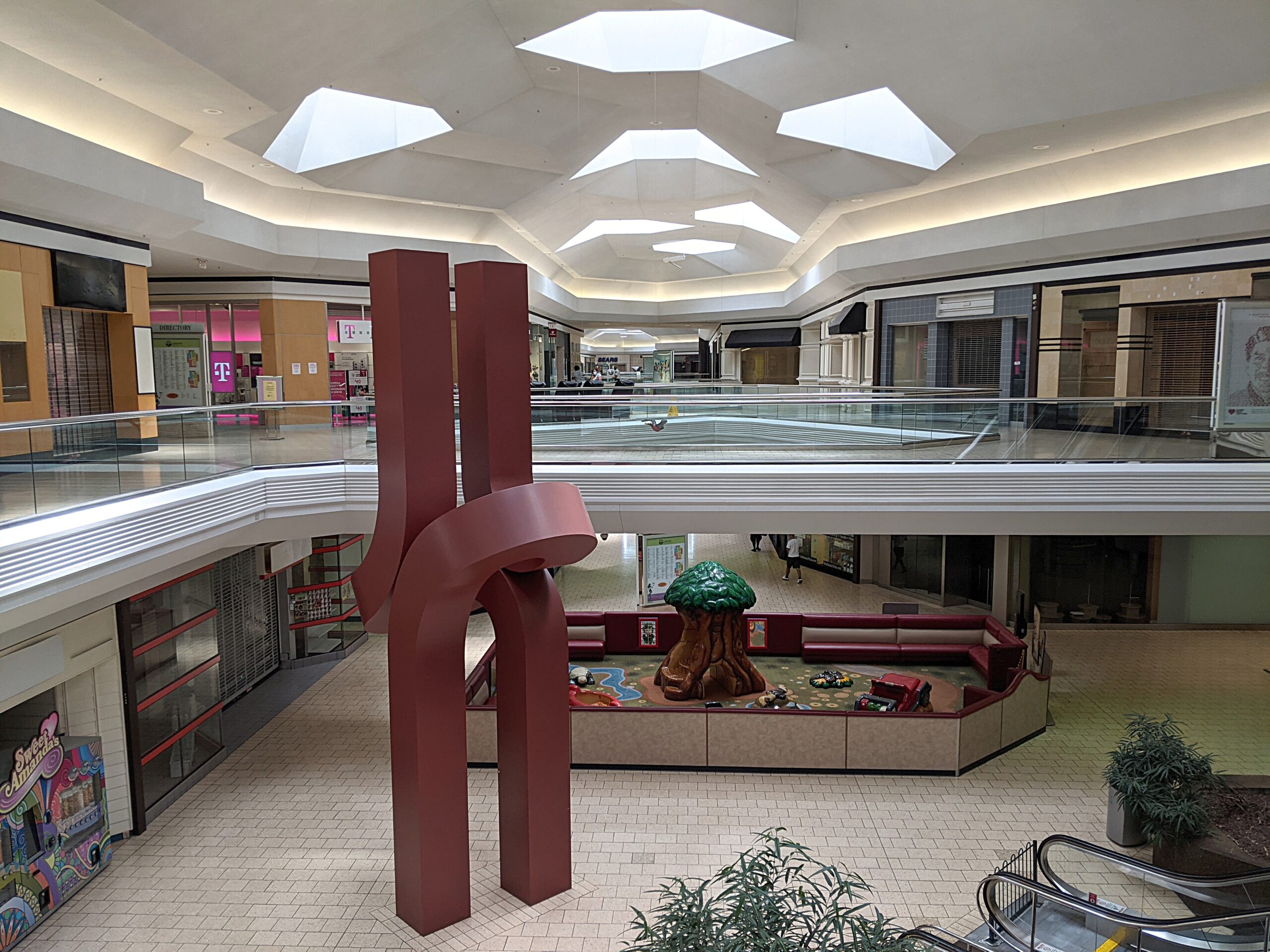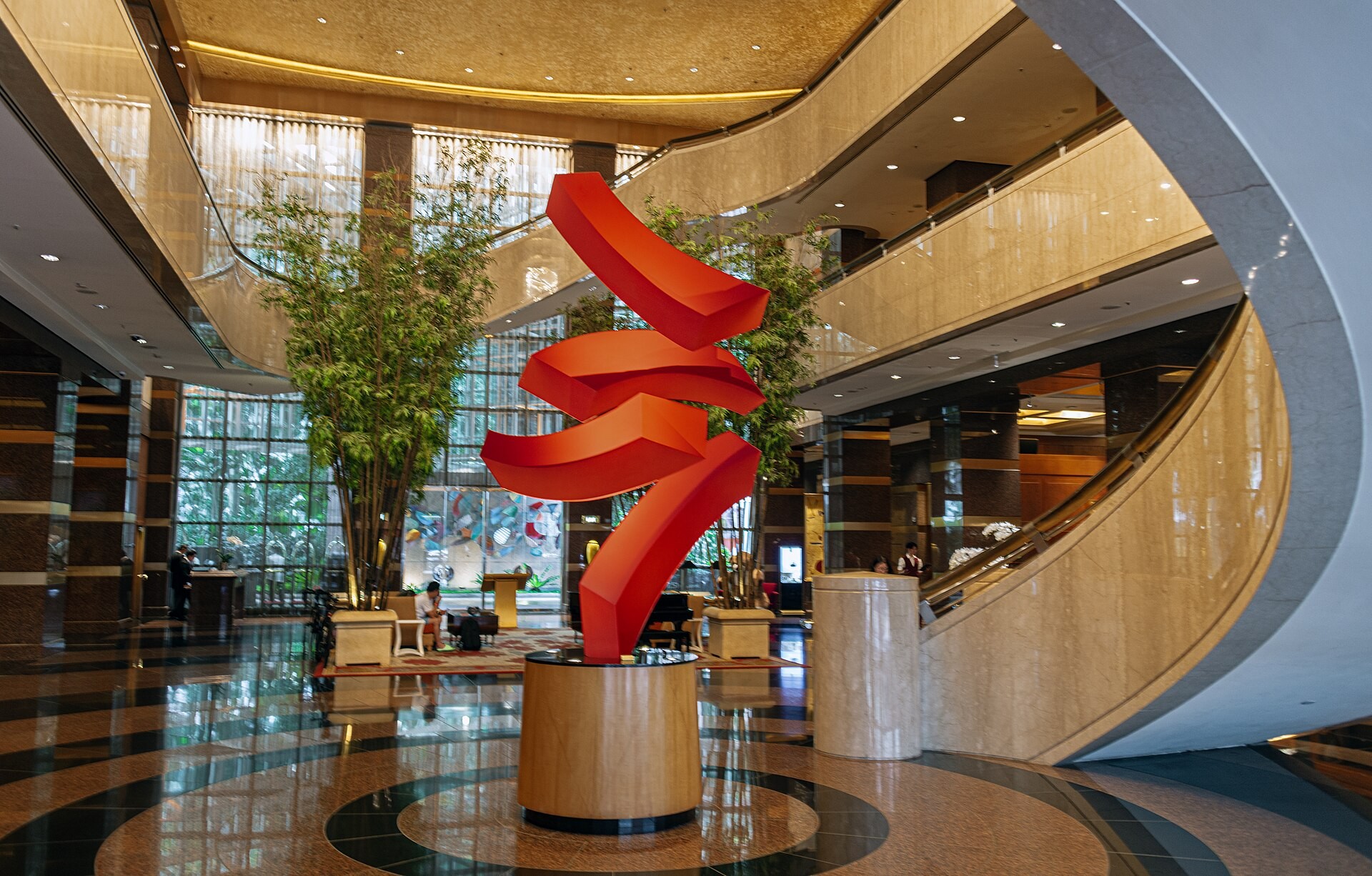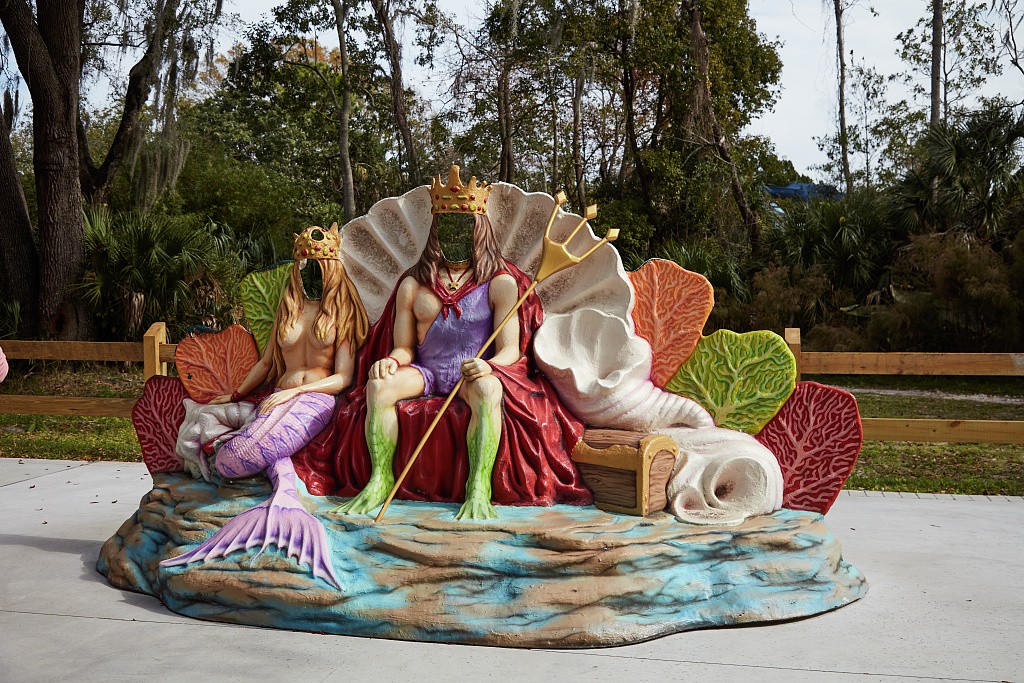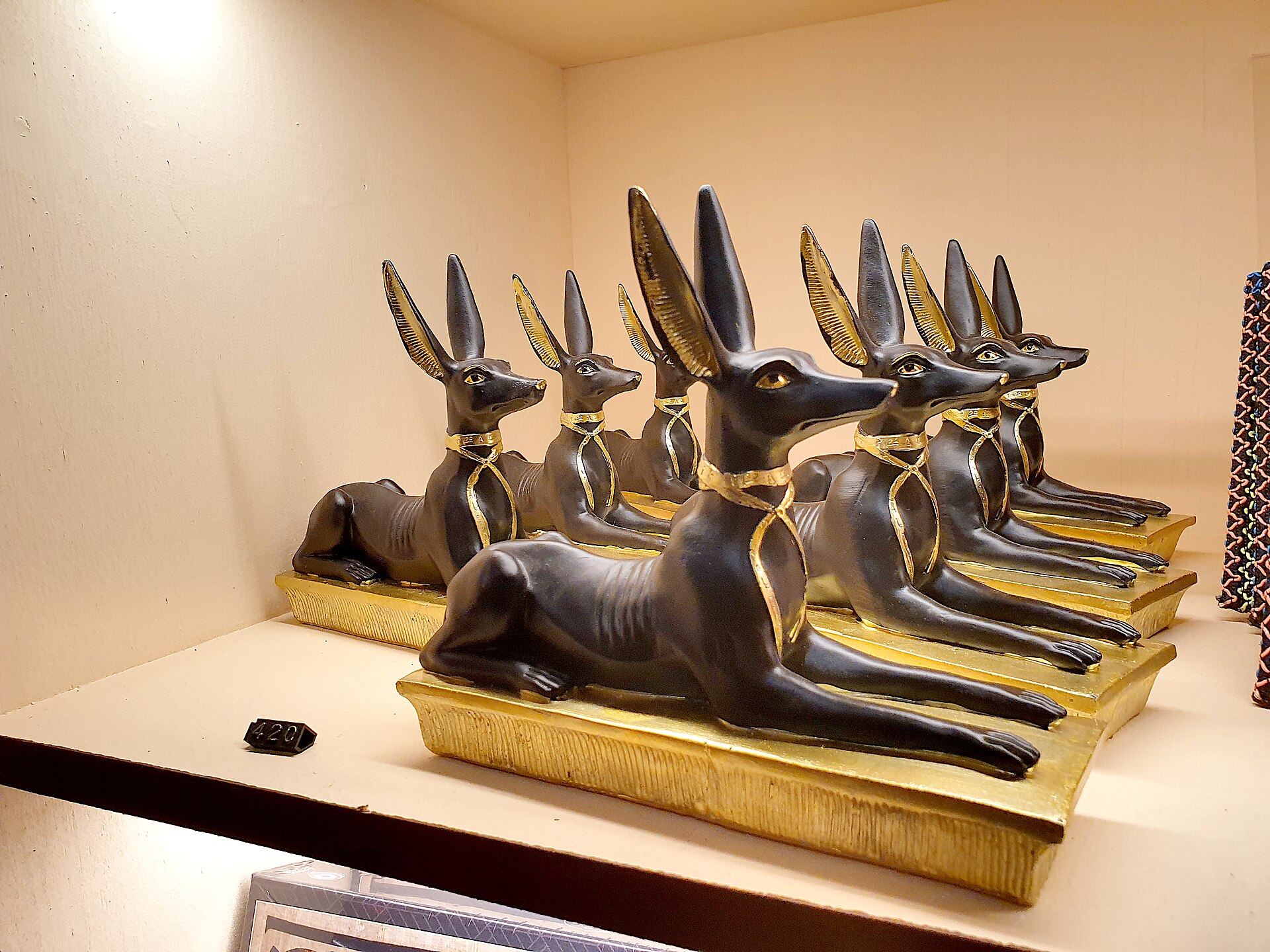
A large commercial sculpture can look convincing in a rendering yet become difficult to commission when the team checks delivery routes, site dimensions and the full installed weight. A three-metre-tall form may fit the finished space but not the goods lift; a broad curve may require sections to pass through a loading-bay door. These are decisions to test before approving the final shape.
For retail developers, exhibition contractors and commercial designers, the value of a large resin sculpture is the ability to develop a distinctive form using an appropriate engineered construction system. “Resin” does not mean that every sculpture is light: a solid casting, hollow composite shell and reinforced assembly have different weight, support and delivery implications. The proposed construction must be evaluated as a complete system.
1. Start with the installed dimensions, weight and support brief
Before selecting a base or approving a dramatic overhang, establish the maximum overall height, width, depth and approximate installed mass—including any frame, ballast, plinth and fixings. These figures affect the floor or platform review, public separation requirements and how the work can be handled on arrival. A tall narrow sculpture and a low broad sculpture may occupy similar volumes but present very different stability and handling questions.
Consider an illustrative three-metre retail centerpiece. The buyer should provide the intended footprint, whether visitors can touch or walk around it, the required service life, and any limits imposed by the venue. The designer can then compare an integrated visible plinth with a concealed support concept, while qualified project professionals determine stability and anchorage for the actual site.
The decision to approve is not merely the sculpture silhouette; it is the sculpture together with its proposed support envelope and the space reserved around it. Pegasus can discuss fabrication possibilities, but the venue and responsible engineers must approve building loads, fixings and safety requirements.
2. Check the full delivery route before locking the shape
For a large sculpture, record the actual clear opening of the loading bay, corridors, doors and goods lift—not just nominal architectural dimensions. Check lift capacity, turning space, protective packaging and the route from unloading to the display position. The narrowest point may be a corner, a door frame or the turning radius at a service corridor, rather than the main entrance.
If the approved form cannot travel as one piece, discuss whether it can be separated without spoiling its most visible surfaces. For example, a sweeping ring might be divided at changes in curvature, with joints and finish transitions reviewed against the installed sightline. Section dimensions, packing and connection concepts should be discussed early, but no universal module size or assembly method should be assumed.
Ask for a delivery-route drawing and the largest proposed packed component before the design is frozen. The site team should confirm access measurements and permitted delivery hours; the manufacturer can assess fabrication and packaging implications. This keeps the discussion about the commercial installation rather than repeating the detailed atrium-suspension guidance of Blog 25.
3. Compare commercial display briefs using measurable site constraints
Large resin sculptures serve different commercial purposes, but the practical questions should be consistent: what must fit, what must remain visible, and what limits the installation? A retail entrance may prioritize unobstructed access; an exhibition feature may need removal after a fixed event period; a permanent centerpiece may require a longer-term inspection and cleaning plan. These constraints should be written into the commission brief before the final form is approved.
| Site situation | Constraint to verify | Buyer input before quotation |
| Retail entrance | Clear approach and delivery route | Door/lift sizes, footprint, public access |
| Exhibition feature | Short installation/removal window | Move-in dates, handling and reuse plan |
| Tall commercial interior | Support and access at final location | Floor/load review, installation route |
| Product display island | Product visibility and maintenance | Setback, finish, cleaning access |
4. Choose the construction approach from the form and duty—not the word “resin”
A small solid resin casting cannot simply be enlarged to three metres without reconsidering its mass and support. Depending on the approved geometry and use, the project may require a hollow resin-based shell, a fiber-reinforced composite, an internal support frame or a mixed-material solution. The right option depends on the span of projections, local connection points, intended finish, handling plan and expected public exposure.
For quotations, distinguish the visible size from the actual production scope. A thin projecting feature may require a different internal solution from a compact volume. Deep openings, complex surface finishes and seamless-looking joins can also affect tooling, fabrication and finishing time. The buyer should request a project-specific explanation of what is included in the proposed construction, rather than treating “lightweight” as a guaranteed engineering result.
Pegasus publicly describes custom 3D modeling, resin sculpture production, composite fabrication and structural framing for suitable large projects. Its own guidance also distinguishes detailed resin work from engineered FRP and other large-scale systems. Buyers can review its resin sculpture capabilities and customization approach when discussing which system is appropriate for a specific design. The final construction, support and material choice require project-specific engineering rather than assumptions based on the word “resin.”
5. Make the quotation and installation scope explicit
A useful quotation should state the intended overall dimensions, proposed material/construction approach, finish standard, expected component breakdown, packaging assumptions and whether on-site assembly or touch-up is included. It should also identify which drawings and approvals must come from the venue, architect, engineer or installer. These scope boundaries matter more to the buyer than a generic list of manufacturing stages.
Schedule can change with design approvals, complexity of the master form, surface finish, number of unique components, shipping method, customs requirements, site delivery windows and any on-site works. A three-metre sculpture does not have a standard lead time solely because of its height. Ask which assumptions underlie the estimate and what changes would require a revised quotation or delivery date.
Before production release, agree who signs off the final appearance, who verifies structural and attachment requirements, who measures the access route and who is responsible for unloading and final placement. These are project-specific responsibilities; Pegasus should not be represented as providing site engineering, lifting or certification unless that scope has been explicitly confirmed.
6. Know when a large resin sculpture is not the right commercial solution
A monumental sculpture may be inappropriate when the access route cannot accommodate it, the floor or support conditions cannot be approved, the budget cannot cover site works, or the display would obscure products and circulation. A smaller installation, alternative construction system or different location may achieve the brief more reliably.
The buyer should ask one practical question before commissioning: can this visual idea be delivered, approved and maintained at this specific site within the project constraints? If not, revise the scope before fabrication rather than relying on an attractive rendering.
Frequently asked questions
What information is needed to quote a three-metre resin sculpture?
Share dimensioned concept views, proposed installation location, finish expectations, intended use, approximate project schedule, delivery destination and known access restrictions. The manufacturer may then request more detail about reinforcement, packaging, component sizes and site responsibilities before confirming a scope and price.
What determines whether a sculpture ships in one piece or several?
The proposed construction, largest safe handling size, packaging protection, vehicle limits, building access dimensions and appearance of the finished joints all matter. The design team and fabricator should review these factors before deciding how to divide the work.
What most affects the budget and delivery schedule?
Overall size is only one factor. Unique geometry, finish quality, structural scheme, number of sections, approval cycles, packing, freight, site access and any installation services can all change cost or timing. A project-specific quotation should identify exclusions and assumptions.
Who approves the support, anchorage and public safety requirements?
The venue and qualified project professionals should establish applicable building, structural, fire and public-safety requirements. The manufacturer can supply relevant sculpture and fabrication information for review, but no site approval should be inferred from the material name or an estimated sculpture weight.
Discuss a large commercial resin sculpture with Pegasus
If you are planning a retail centerpiece, exhibition landmark or another large commercial display, share the concept dimensions, proposed location, intended finish, target installation date and any known access constraints. Pegasus can discuss the resin sculpture fabrication approach and clarify what information is needed for a project-specific proposal.
Share your concept through the Pegasus contact page to discuss a project-specific approach.