A statue can look perfect in a rendering—and still be wrong for the room
A hotel designer may need a characterful figure for a guest-facing console; a retailer may need a sculpture that can be installed through a finished storefront and moved during a display reset. In either setting, an impressive rendering is not a sufficient specification. The piece must retain the details people notice, sit securely in its actual location, tolerate expected contact and arrive without disrupting an operating venue.
Resin is worth evaluating when close-range sculptural detail and a controlled decorative finish matter more than the mass and service demands of monumental stonework. But the material name alone tells a buyer little about final weight, strength or wear. Formulation, fillers, wall thickness, support structure, base and coating need to be considered as one proposed construction.
1. Specify the detail visitors will actually notice
For a boutique hotel, a figurative statue may rely on sharply defined fingers, layered fabric and a recognizable expression. A retail ornament may depend on a crisp emblem or finely modeled pattern that customers inspect from arm’s length. The purchasing risk is not just losing detail in the mold: heavy coatings, conspicuous joins or inconsistent finishing can change what the design communicates.
Pegasus describes master development, molding, vacuum casting and hand finishing for its resin work. Those capabilities offer a plausible manufacturing route, but they are not proof that every proposed feature will reproduce perfectly. Ask to see a relevant close-up of a real finished sample, including a junction or seam and the exact type of surface treatment being considered. A full-size detail sample can be more informative than a distant photograph of an entire statue.
For procurement, distinguish identity-critical details from areas that are visually secondary. Put the recognizable face, logo or signature texture on the acceptance checklist; identify concealed assembly areas separately. This makes discussions about finishing tolerances concrete without implying that the original artwork can be changed without approval.

2. Low weight is useful only when the installed piece is stable
A resin statue can be easier to handle than a comparable solid-stone piece, but it is not automatically light. Mineral-filled resin, thick sections, reinforcement and a weighted base can substantially affect its mass. Conversely, reducing weight without checking the footprint or fixing method can create a top-heavy object. A buyer needs a proposed finished weight and stability approach for the actual piece, not a generic material comparison.
The distinction matters differently in two interiors. A hotel may place a figure on custom joinery that has a defined load limit and must remain safe when guests lean nearby. A retailer may need to move a display object between campaigns through narrow doors without dismantling the store. In the first case, stability and fixing may dominate; in the second, repeatable handling and protection may be just as important as mass.
Pegasus publishes reinforcement options for larger resin pieces. For this commission, ask whether reinforcement, a wider base, a concealed fixing point or a different location is appropriate. The venue’s designer or qualified installer—not the sculpture manufacturer alone—must confirm the capacity of furniture, supports and fixings. That division of responsibility prevents an attractive sculpture from becoming an unresolved installation risk.
3. Match the finish to hotel lighting, retail cleaning and guest contact
A metallic-effect resin finish may meet the visual brief for a retail vignette without using solid metal, while a muted satin finish may suit a hotel lobby. Neither is automatically the right answer. Gloss can emphasize fingerprints beneath spotlights; textured finishes may trap dust; metallic coatings can show localized abrasion where staff repeatedly touch the piece.
Ask for a physical finish sample viewed under the intended lighting and agree what constitutes acceptable sheen, color consistency and visible seam treatment. Also identify who will clean the object, with which products, and how minor damage would be addressed. The commercial outcome is a finish the operations team can maintain—not just one the design team approves in photographs.
Pegasus lists matte, pearlescent, metallic-effect and hand-finished resin options. These demonstrate available finish directions, not tested suitability for every cleaning regime. Request finish-specific care information and project-relevant sample evidence before approving a guest-facing or high-contact application.
4. Specify the interior installation—not a second material-comparison article
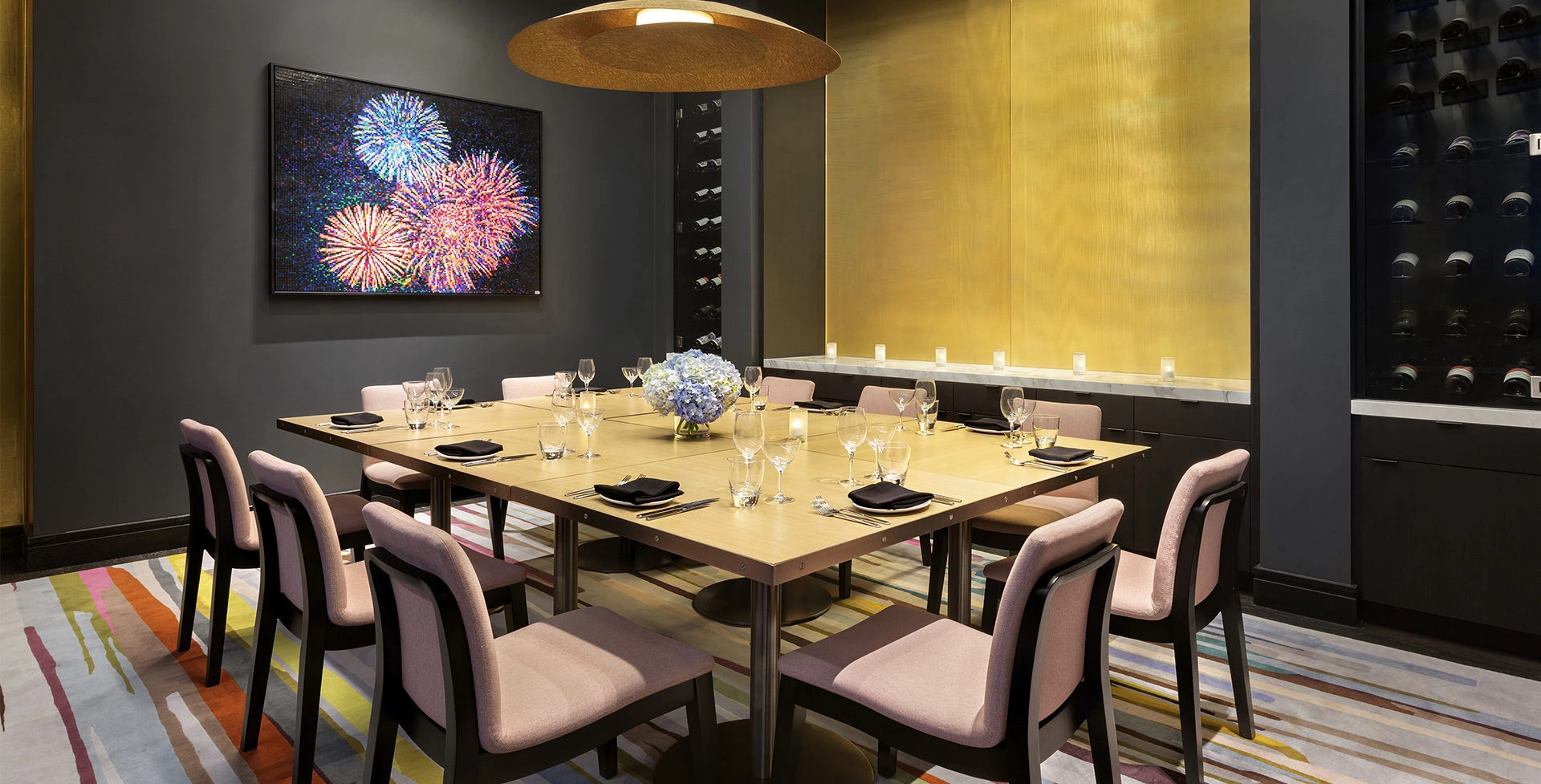
For a hotel console, the purchasing decision is whether a proposed resin figure will fit the furniture, guest circulation and cleaning routine without compromising the intended detail. For a retail display, confirm the window or floor location, visibility alongside merchandise, access for installation and frequency of movement. Ask for an elevation showing the piece at its intended scale, the proposed finished weight and the base or fixing arrangement. This section concerns interior placement and procurement deliverables; a general discussion of where resin is unsuitable belongs in a separate material-selection article.
Pegasus can develop a construction proposal around the agreed size, surface details, finish and handling requirements. The buyer should request a dimensioned proposal, a sample of the critical finish and a packaging approach suitable for the site. Do not infer the finished object’s weight or stability from the word ‘resin’ alone.
Explore Pegasus’s resin sculpture manufacturing options for detailed interior pieces, or review its fiberglass sculpture capabilities when the project’s scale or use calls for a different construction.
5. Protect the interior budget from hidden handling and replacement costs
A low initial sculpture price can be misleading when delivery, installation, cleaning and replacement affect an occupied hotel or operating store. A chipped projection can delay a launch; a heavy piece may need specialized access; a finish that cannot be touched up consistently may require removing the entire object. These costs arise outside the casting quotation but belong in the buying decision.
For a fixed hotel installation, agree who provides anchoring, who signs off the support and what happens if a finish is damaged after handover. For a retail display that moves seasonally, specify lifting points, reusable protective packaging and who is responsible for storage. Pegasus describes geometry-specific protective packaging; request a proposed packing and handling approach for the actual silhouette rather than assuming standard boxing is sufficient.
Ask the project team to map delivery against the fit-out programme: arriving before joinery is complete creates secure-storage needs, while arriving after opening can create restricted access and customer disruption. For multi-location retail work, identify whether replacements must visually match an earlier finish. These decisions turn an aesthetic purchase into a workable operational plan without drifting into the separate topic of branded production editions.

6. Evaluate the manufacturer’s answer—not just its catalog
A qualified enquiry should give Pegasus the proposed installation location, site photographs or drawings, dimensions, reference imagery, required visible details, intended finish, public-contact level, handling frequency and any known access or weight limits. Specify whether the piece is a one-off permanent installation or a movable seasonal display, and who will approve the finished appearance. This is more useful than a mood board alone.
Use the response to assess whether the manufacturer has addressed the brief: does it distinguish casting detail from finishing, give a proposed construction and weight basis, identify installation interfaces, explain protective packaging and flag any unsuitable assumptions? Pegasus publishes master development, casting, finishing, quality-control and packing capabilities. Those claims support asking these questions; they do not substitute for seeing project-relevant evidence. Where available, request comparable physical samples, close-up production photographs or a factory discussion to evaluate the proposed workmanship.
6. Check the supplier’s evidence against the actual interior brief
A qualified enquiry gives Pegasus the proposed location, site photographs or drawings, dimensions, reference imagery, protected details, intended finish, guest-contact level, handling frequency and known access or weight limits. Distinguish a fixed hotel display from a movable retail installation. Include the intended inspection viewpoints so the supplier can respond with relevant production evidence.
Evaluate the response against specific deliverables: sample detail and seam treatment, proposed finished weight and base arrangement, finish-care guidance, packaging dimensions and the planned handover method. Pegasus publishes master development, casting, finishing, quality-control and packing capabilities; buyers should ask for project-relevant examples rather than assuming a catalog photograph proves installation suitability.
Frequently asked questions
What should I request before approving a finished resin sample?
Ask for close-up evidence of the identity-critical details, seam locations, approved sheen and color, and any surface texture that will be visible at guest distance. Confirm which sample or images will be the reference for judging the delivered piece; do not rely only on a general catalog photograph.
Who is responsible for securing a resin statue to hotel furniture?
The sculpture manufacturer can explain the proposed base and fixing provisions, but the venue’s designer or qualified installer should confirm the furniture, substrate and anchoring capacity. Agree the responsibility before production so a missing fixing detail does not become a handover problem.
Can a retail team move the same statue between seasonal displays?
Possibly, if the piece is specified for repeated handling. Discuss finished weight, vulnerable projections, lifting points, reusable packing and storage conditions. A statue designed to remain fixed may not be suitable for frequent relocation without changing its construction or handling plan.
What information should be included in a resin statue quotation?
Provide the approved concept, target dimensions, quantity, finish reference, intended installation and handling requirements. Ask the supplier to identify modeling and tooling, casting and finishing, protective packing, shipping and installation interfaces separately. The exact cost and production schedule require a project-specific quotation.
Discuss a resin statue specified for the real interior
If your hotel or retail project calls for finely detailed sculptural decoration, review Pegasus’s custom resin statues and ornaments. Send your reference design, display location, dimensions, finish preference and any weight or installation restrictions. Contact Pegasus Sculpture to discuss whether resin is the right manufacturing choice and request a project-specific proposal.