The material choice changes the sculpture—not just its price
A developer may approve a sculptural silhouette before deciding what metal should bring it to life. That order can create problems. A polished stainless-steel ribbon, a patinated bronze form and a weathering-steel landmark may share a similar outline, yet each changes how visitors experience the work, how the fabricator divides it into sections and what the facilities team will maintain. The right choice begins with the intended visual character and the conditions of the actual site—not a universal ranking of metals.
For architects commissioning metal sculptures, the central question is what must remain visually true when the concept becomes a full-scale object. Is the priority a precise reflection, a rich tactile surface or an evolving, earthy exterior? Each answer points toward different production checks and a different approval sample.
1. Stainless steel: when the design depends on precision, light and controlled reflections
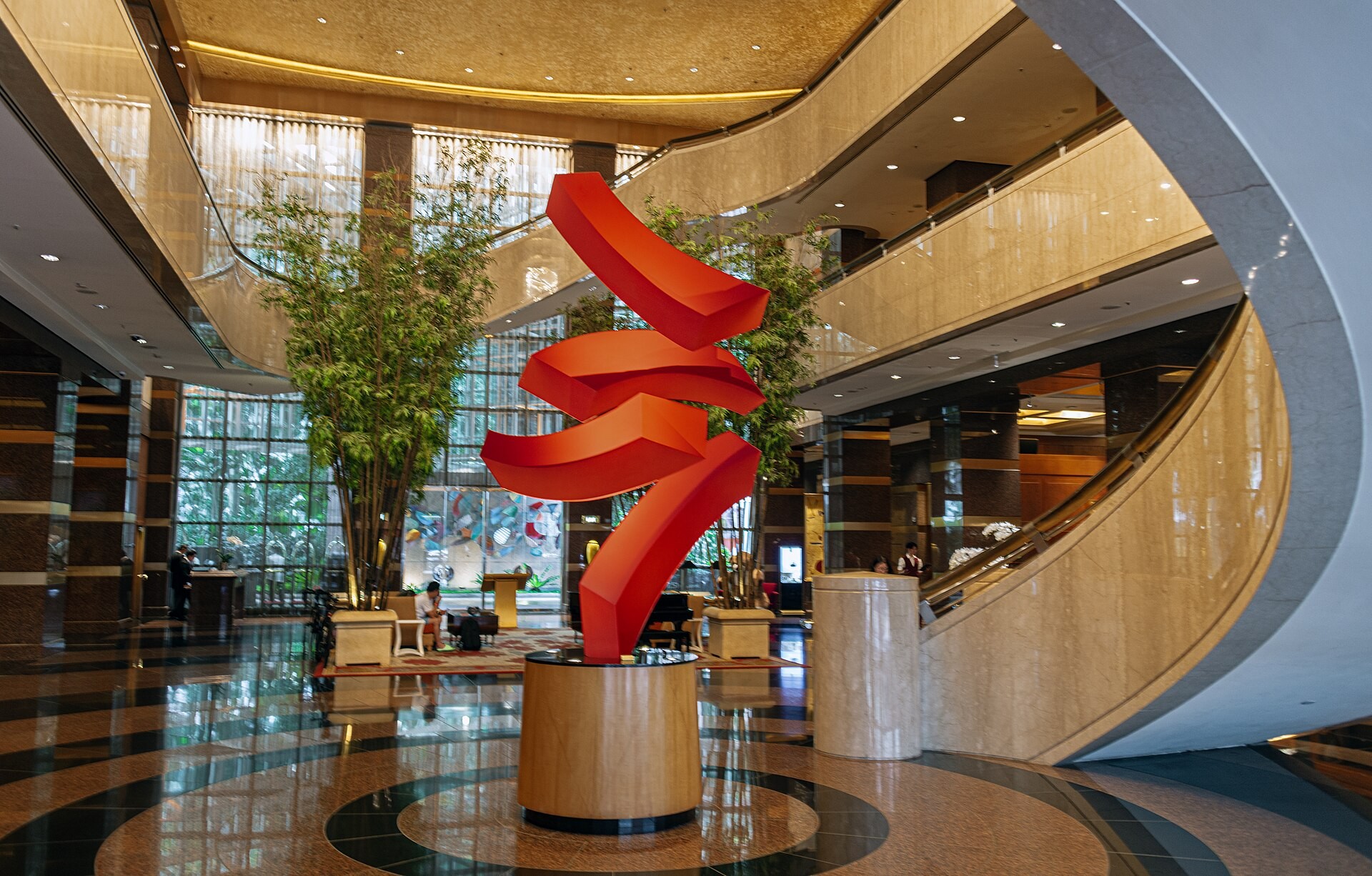
Stainless steel is compelling when the sculpture needs a crisp silhouette, smooth transitions or an intentional relationship with surrounding glass and architecture. A mirror-polished surface can multiply nearby movement and light; a brushed or satin finish can give a quieter, more legible form. Neither finish is inherently better. A highly reflective object can visually disappear into its surroundings from one angle and become conspicuous from another.

For a large fabricated piece, the practical challenge is preserving that intended surface across formed panels. Sheet thickness, bend radii, internal reinforcement, weld placement and heat distortion all affect the result. Polishing a seam does not automatically remove the waviness produced during forming or welding. A seemingly simple curved panel can demand more finish control than a heavily textured work.
Ask the fabricator for a joint-location plan, a representative curved finish sample and views of the proposed sculpture under the site’s actual lighting. For outdoor commissions, the stainless grade, weld treatment, drainage details and cleaning plan must be assessed against exposure conditions. “Stainless” does not mean stain-proof, especially around chlorides and poorly maintained crevices.
Best-fit brief: a corporate lobby or contemporary plaza where the project requires precise geometry, consistent finish and a deliberate interaction with architecture.
2. Bronze: when the artwork needs warmth, depth and human-scale detail
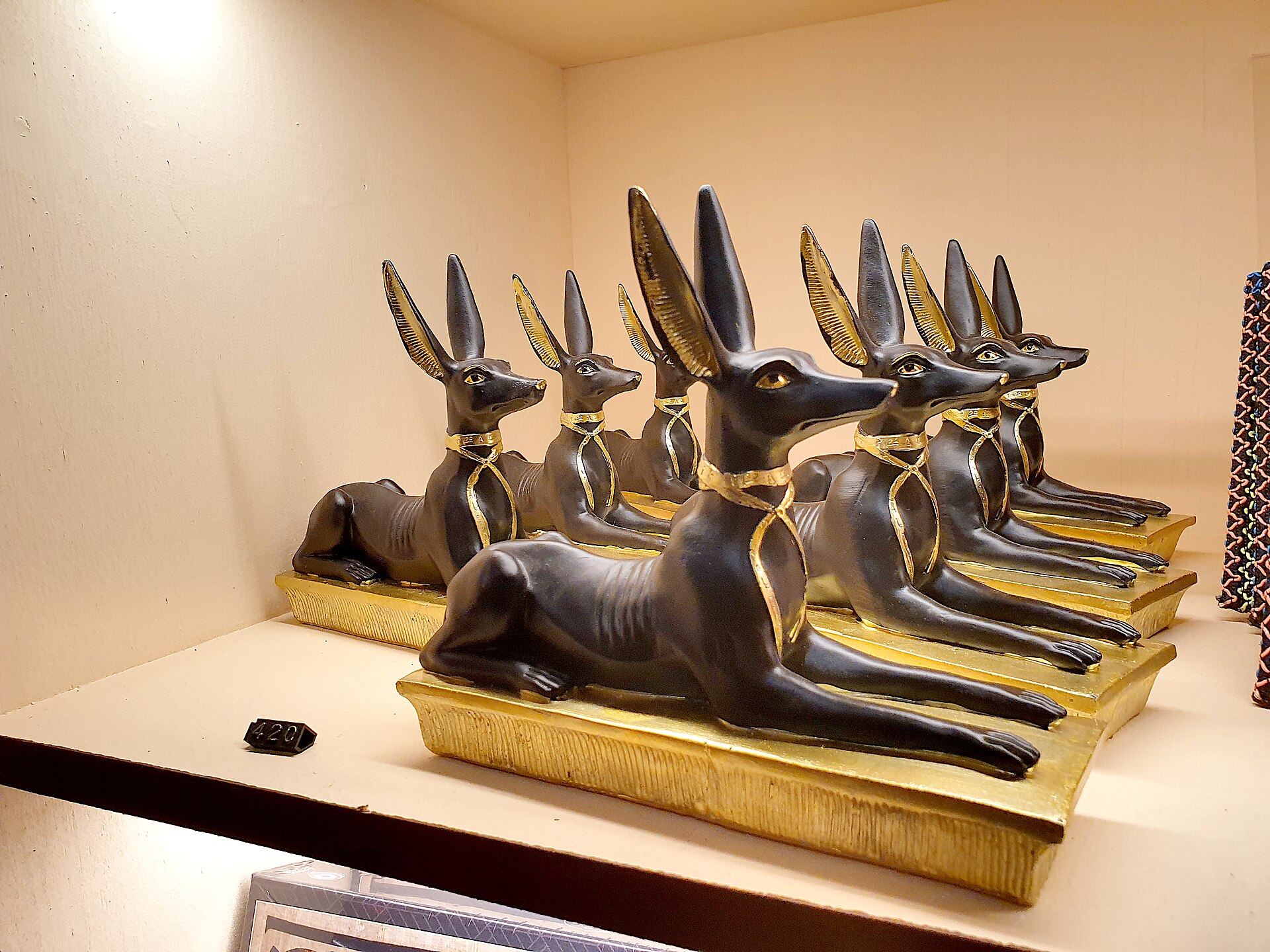
Bronze has a different visual logic. Its value is not merely its traditional association with monuments; cast surfaces can preserve modeled transitions, relief, fine textures and complex contours that feel convincing at close range. Chemical patinas can introduce brown, green, blue or layered tones, but a sample is necessary because patination is a controlled process with natural variation, not a flat paint specification.

Large bronze sculpture often involves a model, mold-making, casting in sections, chasing, joining and surface finishing. Where separate castings meet, the maker must recover the intended contours before blending the patina. That makes seam placement and access important, especially when the sculpture is viewed from multiple sides or touched at pedestrian level. A bronze sculpture can look cohesive in a rendering yet reveal inconsistent surface treatment when installed.
A commercial buyer should approve a textured or curved sample rather than a tiny flat swatch. Ask which details are cast and which are refined by hand, how visible joins will be treated, and what color variation is acceptable at handover. For exterior work, confirm whether the desired patina is intended to evolve and what cleaning or protective treatment is specified.
Best-fit brief: a hospitality entrance, cultural venue or public-facing space where tactile character, modeled detail and a warmer visual presence matter more than mirror-like uniformity.
3. Corten / weathering steel: when the project wants an earthy surface that changes over time
Weathering steel is often chosen for its rust-toned, architectural character. The critical distinction is that Corten is a trade name commonly used to describe certain weathering steels; the exact grade and supplier specification should be confirmed rather than treating every rusty-looking plate as equivalent. Its protective surface develops through exposure cycles, and performance depends on climate, detailing and opportunities for drying.
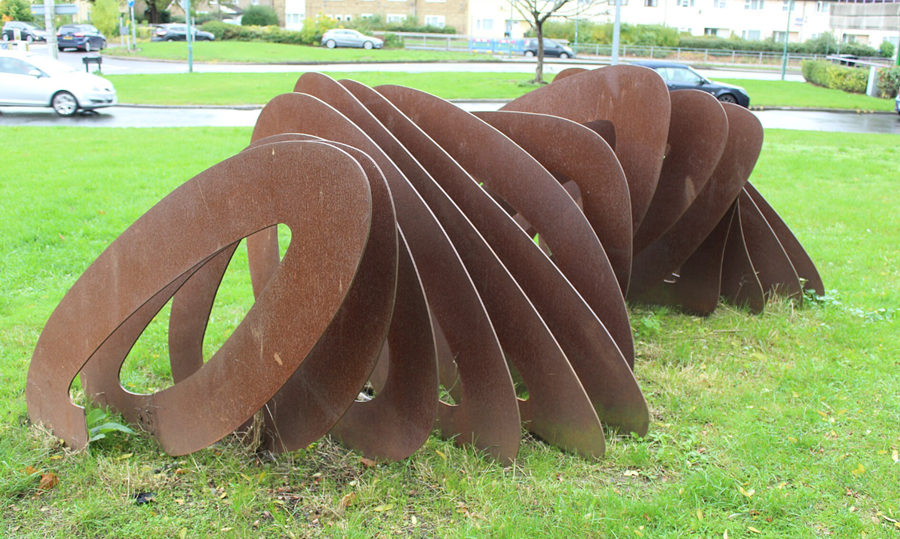
The orange-brown appearance may suit a landscape, campus or industrial-style development, but it is not a set-and-forget material. Persistent wetness, trapped debris, unsuitable marine exposure or poor drainage can interfere with the intended weathering behavior. Early runoff may stain nearby paving, stone and walls. For a guest-facing installation, runoff direction and the base interface deserve design attention before a final location is approved.
The fabricator must consider plate thickness, welded transitions, drainage paths, inaccessible pockets and how the work will weather on different faces. A sheltered underside may develop differently from a rain-washed outer face. If the architect expects a uniform warm patina from day one, ask for a realistic mock-up and an explanation of the commissioning or pre-weathering approach rather than assuming nature will produce a consistent color immediately.
Best-fit brief: a landscaped commercial campus or public realm where a developing surface is part of the design story and the site can accommodate its drainage and maintenance requirements.
The comparison a project team should make before committing
| Decision factor | Stainless steel | Bronze | Weathering steel |
| Visual character | Reflective or restrained, precise | Warm, textured, modeled | Earthy, evolving, architectural |
| Primary fabrication concern | Distortion, seams, polish consistency | Casting joins, chasing, patina consistency | Drainage, weld details, weathering differences |
| Site risk to investigate | Chlorides, fingerprints, surface maintenance | Patina change, touch, surface treatment | Runoff staining, trapped moisture, exposure |
| Approval evidence | Curved finish sample + joint map | Cast/textured patina sample + seam plan | Weathering mock-up + drainage/base detail |
4. Three commercial briefs—and why the same sculpture should not use the same metal
Glass-fronted headquarters reception. A restrained ribbon may need to reflect a glazing grid without turning into visual noise. Stainless steel could be appropriate, but the architect should test a satin finish alongside a mirror finish and review the form from the entrance and reception desk. The acceptance point is controlled reflection and a clean edge, not simply the word “premium.”
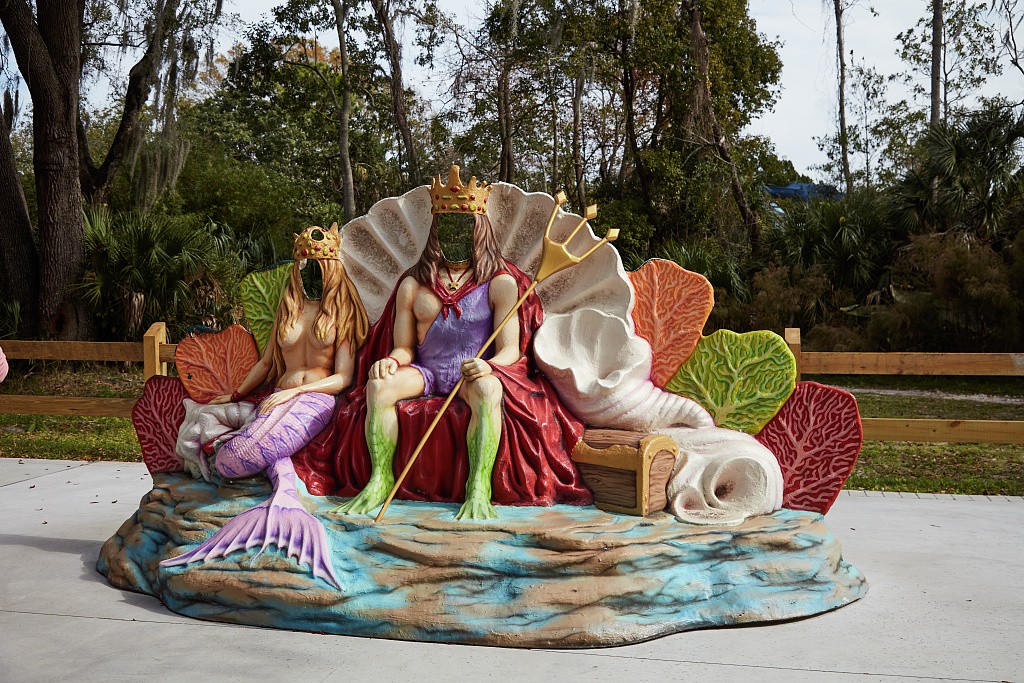
Boutique hotel arrival courtyard. A sculptural figure or abstract organic form may need visitors to notice surface detail at walking distance. Bronze may suit this brief if the cast texture and patina add depth. A sample under the courtyard lighting and a review of guest contact points are more useful than a catalog photograph alone.
Landscaped business park gateway. A large, restrained plane could work in weathering steel where the intention is to connect the artwork with planting and masonry. Before selecting it, the design team should inspect the fall of the ground, adjacent paving and the likelihood of water collecting at the base. The visual concept is not successful if runoff discolors the entrance or the weathering pattern contradicts the approved appearance.
5. Manufacturing questions that prevent a late material change
Start by identifying the feature that cannot be compromised: reflection, tactile modeling, color development, or a particularly thin silhouette. Then ask the manufacturer to explain what happens to that feature when the sculpture is divided into manufacturable and transportable components. The right material may still require a revised section thickness, a different support path or an altered connection detail.
Request a material-specific fabrication proposal rather than a single price against an ambiguous 3D image. For stainless steel, the proposal should address panelization, finishing and surface inspection. For bronze, it should address casting breakdown, chasing and patina approvals. For weathering steel, it should address grade, exposure, drainage and expected surface evolution. The structural engineer and relevant site professionals must approve the installation-specific loads and connections.
An honest comparison also accounts for what cannot be guaranteed: identical patina on every bronze casting, perfectly uniform natural weathering on sheltered and exposed steel, or a flawless mirror finish without adequate fabrication and inspection controls. Defining acceptable variation before production protects both the buyer and manufacturer.
How Pegasus can support a material-led sculpture brief
Pegasus publishes stainless-steel fabrication and bronze sculpture capabilities, including custom modeling and finishing. A useful enquiry should send the intended site, dimensions, visual references, finish expectations and the preferred metal—or explain why the material is still undecided. Pegasus can then discuss whether the form and finish are practical to fabricate, which samples should be approved and what additional engineering review is needed.
For a weathering-steel commission, Pegasus can review the design brief and confirm material sourcing and manufacturing feasibility for the proposed project. Grade selection, weathering performance and fabrication arrangements should be established before the specification is finalized.
Explore Pegasus’s stainless-steel sculpture fabrication and bronze sculpture capabilities, or contact the team with a project brief.
Frequently asked questions
Is stainless steel always the lowest-maintenance choice?
No. Finish, exposure, grade, cleaning access and site contaminants determine the maintenance plan. A polished surface may show fingerprints and marks even when corrosion resistance is suitable.
Will weathering steel look uniformly brown after installation?
Not necessarily. Weathering depends on exposure and drainage. Ask for the expected appearance over time and evaluate runoff staining before specifying the material.
Can bronze be used for modern abstract metal sculptures?
Yes. Bronze is not limited to figurative monuments. It can support contemporary abstract forms where casting, surface modeling and patina suit the design intent.
What should we send to request a comparison?
Provide a scaled concept, installation photographs, dimensions, exposure conditions, desired finish and a description of what must not change visually. Ask for material-specific samples and fabrication assumptions.