A Busy Plaza Is Not Necessarily a Place People Remember
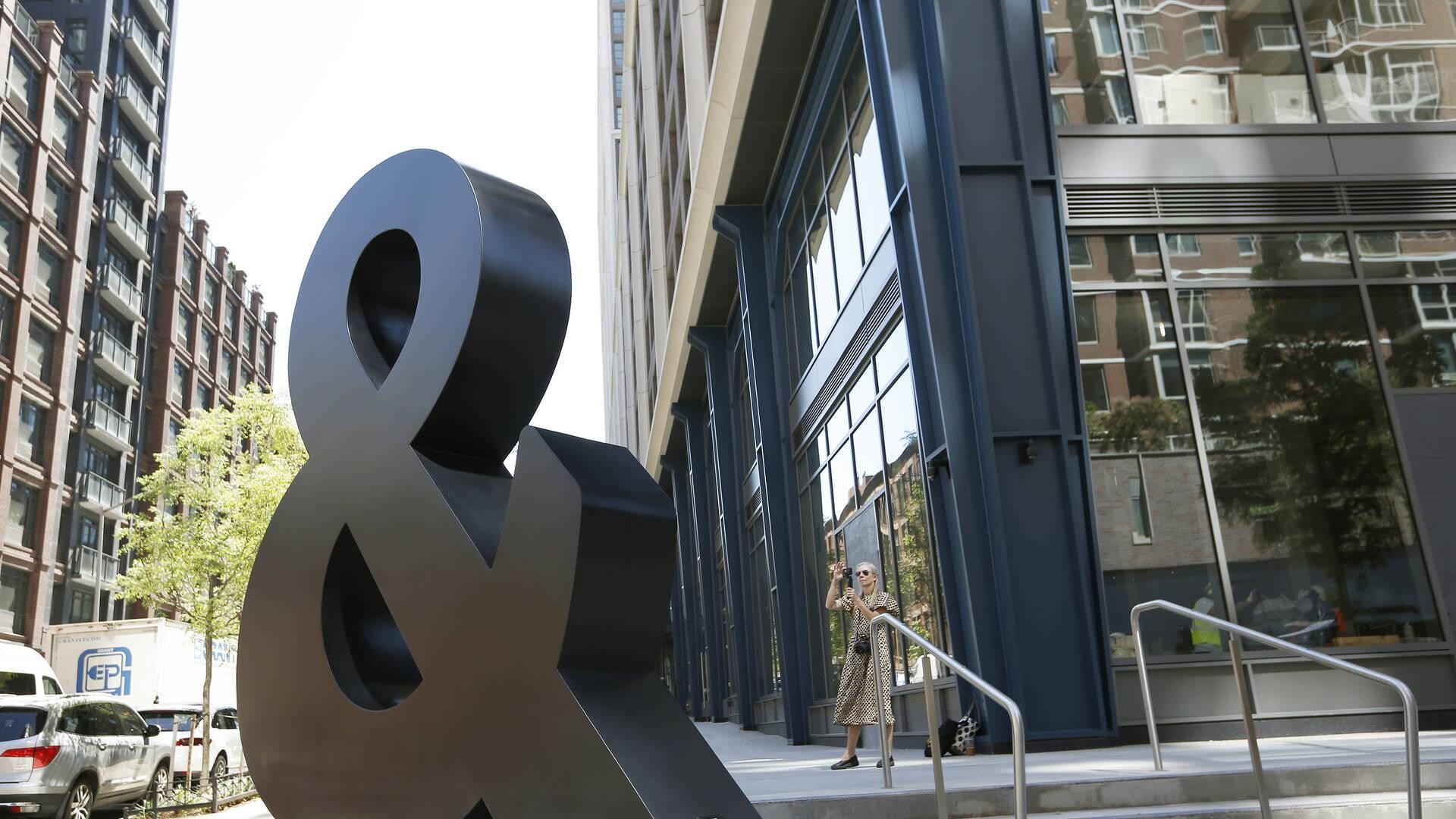
A mixed-use development can have attractive paving, generous planting, cafés and a well-connected pedestrian route yet still feel like somewhere people pass through rather than a place they choose to visit. For the developer, that distinction matters. A plaza that looks finished in architectural photographs may not have a recognizable meeting point, a reason to pause or a feature visitors can describe to someone who has never been there.
A public art sculpture can help, but only when it creates a particular kind of experience. The goal is not simply to place a large object in the middle of the scheme. It is to give people a reason to say, “Meet me by that sculpture,” or “You should see this when you visit.”
This guide focuses on commissioning one landmark sculpture for a mixed-use public space, from defining its purpose to preparing a workable manufacturing brief.
First Decide the Sculpture’s Primary Job
A mixed-use plaza may need a meeting landmark, a photo destination or a quieter point of interest. These are not interchangeable briefs. Ask the development and design team to select one primary use before discussing shape: where do visitors arrive, how long are they expected to stay, and what would count as success?
For a meeting landmark, compare candidate forms at a distance: can a visitor identify the sculpture from the principal entrance and describe it in a few words? For a photo destination, test whether two or three people can stand beside it with an uncluttered backdrop. For a quieter courtyard, compare how the work reads from nearby seating rather than assuming it needs to attract a crowd.
Record the decision as one measurable design requirement—for example, “recognizable from the retail entrance and photographed from the café-side pause area.” The developer owns that visitor objective; it becomes a reference against which the sculptural proposals can be reviewed.
Then Compare Forms Against the Chosen Visitor Experience
Once the intended use is agreed, compare two or three sculptural concepts in the same site photographs, at the same approximate scale. A large reflective object may draw attention but visually compete with shopfront glazing; an open-frame sculpture may create a distinctive photograph without occupying the entire view. The right choice depends on the brief, not simply which rendering looks most dramatic.
Use three checks for each option: recognition from the arrival route, the view at normal eye level from the intended stopping point, and the visual relationship with signs, planting and building façades. Ask the design team to mark the preferred viewing position on the site plan. Reject concepts that work only in an isolated studio image but lose their identity in the actual plaza.
Pegasus enters this process as a prospective sculpture manufacturer, not as the developer’s public-realm planner. With an agreed concept and site references, its design-development team can discuss whether the proposed geometry, scale and finish are suitable for custom production, and flag elements that may need refinement before manufacturing.
For the next stage, the developer or designer can share the selected concept through Pegasus’s customization service, together with site photographs and approximate dimensions. Explore customization options.
Test Placement Without Blocking Everyday Movement
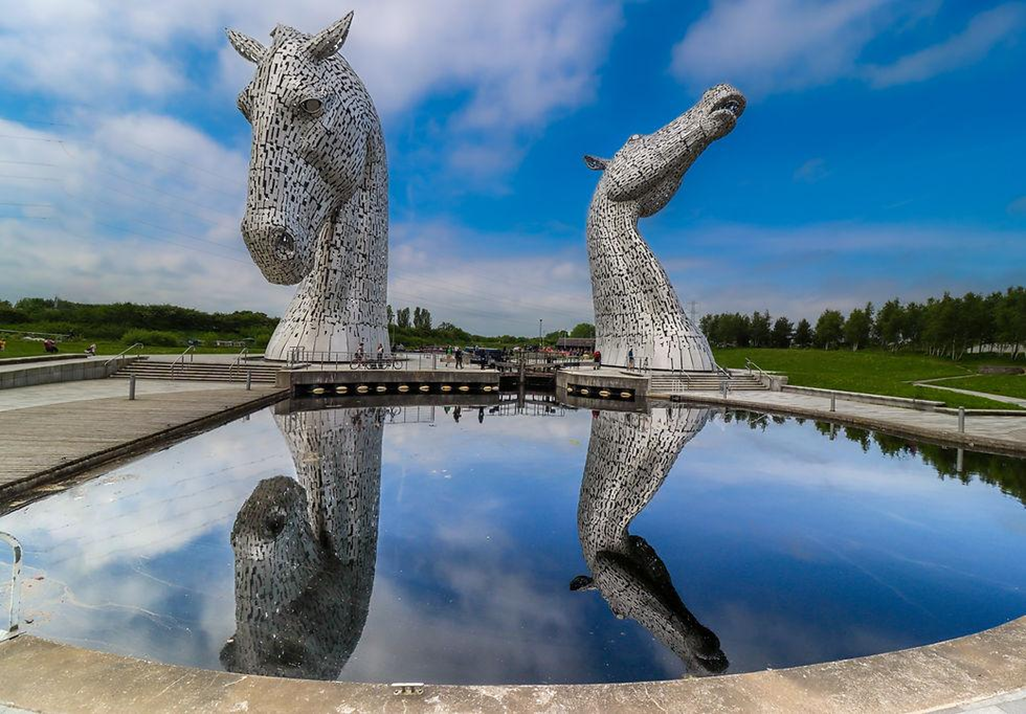
A sculpture can succeed as an image and fail as a place to stop. Compare at least two candidate positions on the developer’s plan: one near the main route and one beside a natural pause area. For each, identify where visitors would stand, where passers-by would continue walking, and whether shop entrances or accessible routes would remain clear.
A simple site test is to place the proposed footprint and a small photo group on the plan, then review it with the architect or landscape designer. If the group overlaps the primary circulation route, shift the work or reduce its footprint before approving the location. The project’s local consultants—not Pegasus—must confirm circulation, accessibility, foundations and statutory approvals.
After the position is agreed, Pegasus can review the supplied dimensional envelope and proposed sculptural form for production planning. If a large work cannot practically be fabricated or shipped as one piece, sectional manufacture may be considered, subject to the approved design and a project-specific assessment. The buyer should ask how any planned joins affect the intended appearance.
Check Whether the Sculpture Stays Recognizable in Real Photographs
A destination image depends on a readable silhouette, not just detail. Compare each shortlisted concept against actual visitor-height photographs of the plaza. Look for a clear outline against façades, signage and landscaping; then check whether its defining feature remains visible when a person stands beside it.
Choose a preferred camera position and repeat the same visual test for each concept. If an intricate form disappears against a busy retail frontage, consider simplifying the outline, adjusting orientation or using a more contrasting finish. This is a practical comparison of visibility—not a promise that a particular sculpture will generate social-media attention.
Once the designer has selected the view and visual direction, Pegasus can use those references during form and finish discussions and design-stage reviews. Ask to review the silhouette from the agreed camera position before approving production details, so that manufacturability changes do not unintentionally undermine the visual objective.
Where reflection is part of the brief, Pegasus’s stainless steel sculpture options can inform the finish discussion; the final selection should be judged against the real backdrop rather than a material sample alone. View stainless steel sculpture capabilities.
Select Finishes for Daylight, Evening Use and Upkeep
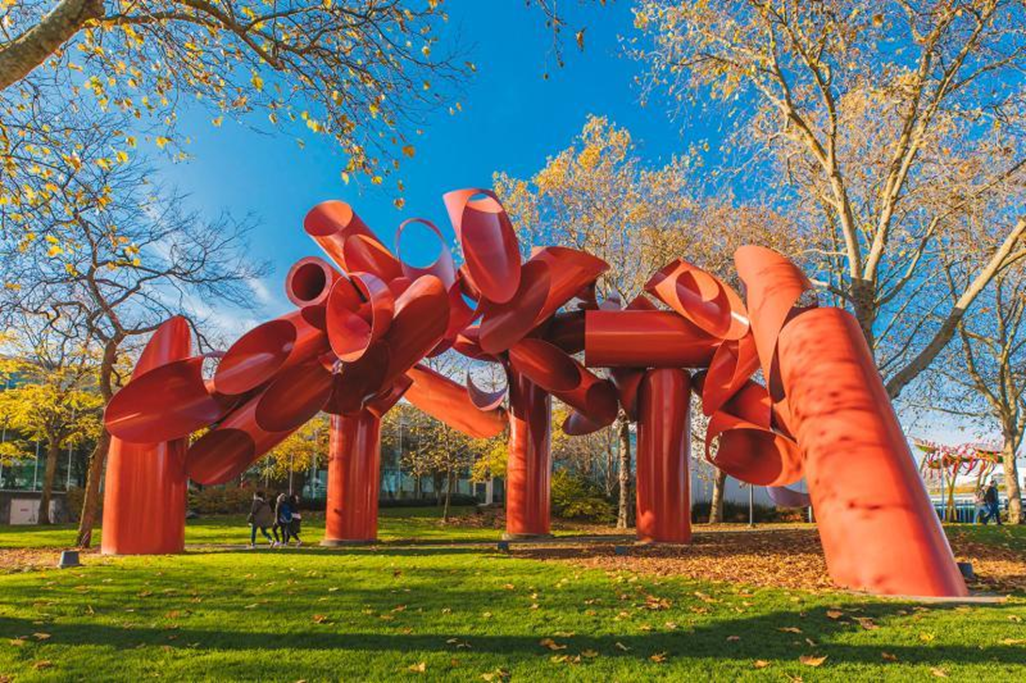
A mixed-use plaza may be experienced in bright daylight, under shop lighting and after dark. Instead of assuming the most reflective finish is best, compare shortlisted materials against the hours when the space is busiest. The architect or lighting designer should assess the intended lighting and any potential glare.
A useful comparison has three columns: desired visual effect, likely maintenance concern and conditions at the site. Mirror-polished stainless steel can produce vivid reflections but may make fingerprints and nearby glazing more noticeable; a satin finish is visually quieter. Bronze may offer a different colour and surface character but needs a finish and care plan appropriate to the environment. Ask for representative finish references and agree which trade-off matters most.
Pegasus can advise on the feasibility of producing the approved form in its offered materials and finishes and discuss finish samples or references as available for the project. The developer’s maintenance team should confirm cleaning access and care expectations; the final specification should be agreed before fabrication, rather than selected from a catalogue description alone.
Pegasus’s bronze sculpture capabilities provide another material direction to evaluate alongside stainless steel when the intended atmosphere calls for a warmer surface. Explore bronze sculptures.
Where Pegasus Adds Value: From Approved Concept to Manufacturable Sculpture
A developer does not need to send a complete fabrication package for the first enquiry. A useful starting brief includes the approved visual direction, a dimensioned location or approximate size envelope, photographs of the approach and preferred viewing point, material references, and any known delivery or access restrictions.
The designer and client remain responsible for the artistic and site brief. Pegasus’s manufacturer-side contribution is to help develop the selected concept toward production: review the proposed geometry and scale, discuss suitable fabrication materials and finishes, and use design-stage information to identify issues that could affect the intended result. The exact drawings, samples, approvals and production updates should be confirmed for the individual commission.
Consider a developer who approves a tall metal sculpture for a plaza beside cafés. The image works from the intended photo point, but the approved dimensions raise questions about fabrication, shipment and visible seams. Rather than changing the visitor concept without explanation, the team can ask Pegasus to assess a feasible production approach, including whether sections are appropriate and how their junctions would appear. The designer can then compare the proposed manufacturing solution with the original reference view before authorizing the next stage. The practical value is preserving the approved visual intent while identifying buildability constraints early.
A useful manufacturing review therefore ends with decisions—not just a promise of customization: the agreed form and size envelope, the material and finish direction, the issues requiring project-specific engineering or site input, and the visual references to use for approval.
A Useful Example: Cloud Gate and the Value of a Shared Experience
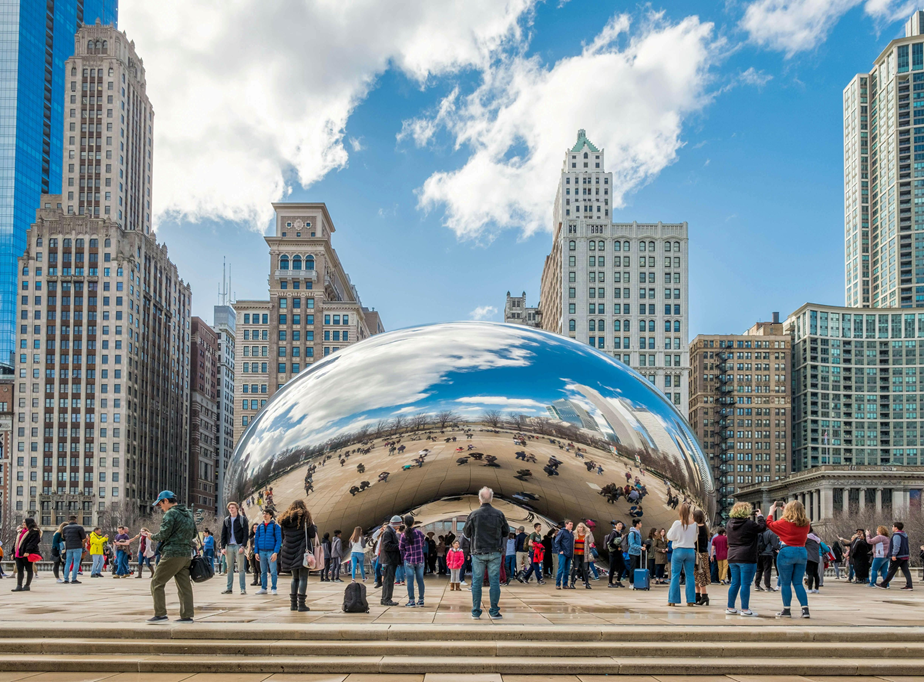
Cloud Gate in Chicago’s Millennium Park is a useful real-world example of how a single artwork becomes part of a visitor experience. The City of Chicago describes its highly polished stainless steel surface reflecting the skyline, clouds and people, while its arch invites visitors to walk beneath and encounter changing views. Those features give visitors something to do—not simply an object to view from a distance.
The manufacturing lesson is to preserve the activity that makes the sculpture compelling while turning an approved design into a buildable object. Cloud Gate is an external example, not a Pegasus project. For a new commission, the designer would define the intended interaction and Pegasus could evaluate the proposed custom form and finish within the agreed manufacturing scope.
What to Send Pegasus for a Meaningful Manufacturing Review
Send the chosen concept or sketch, site photographs showing the agreed viewing position, approximate maximum dimensions, a plan indicating the proposed location, material or finish references, and any known shipping or access limitations. Mark which decisions are already approved and which are still open.
Ask Pegasus to clarify which production-stage drawings, visual reviews, finish references and delivery arrangements are included in its project proposal. The developer’s architect and local consultants should separately confirm placement, foundations, public safety and approvals. This keeps responsibilities clear and reduces avoidable redesign.
Review Pegasus’s completed projects for visual references, then share the concept and site information through its contact page to request a project-specific discussion. Pegasus project gallery. Contact Pegasus.
A Destination Artwork Needs a Clear Brief and a Buildable Form
A memorable sculpture begins with a defined visitor use, but it succeeds as a commission only when the preferred form can be evaluated in its real setting and developed for manufacture. Give the designer a clear decision framework and give Pegasus the visual and dimensional information needed to discuss production realistically.
Frequently Asked Questions
What should a developer decide before commissioning a landmark sculpture?
Choose its primary purpose—meeting landmark, photo point or quieter visual feature—and test the preferred concept from the actual arrival and viewing positions.
How can two sculpture locations be compared?
Mark the artwork footprint and likely stopping area on the site plan, compare the visitor-height views, and have the project’s design consultants check routes, access and approvals.
What information helps a manufacturer assess a large custom sculpture?
Provide a concept, size envelope, site photographs, finish references and known delivery constraints. Ask which production details and visual approvals can be reviewed before fabrication.
Who is responsible for plaza circulation and foundations?
The developer’s appointed architects, engineers and local consultants establish site requirements and approvals. Pegasus’s scope concerns the custom sculpture and its agreed manufacturing deliverables.
| MAKE YOUR MIXED-USE PLAZA A PLACE PEOPLE REMEMBER |
| Discuss a custom public art sculpture with Pegasus: https://pgsculpture.com/contact/ |