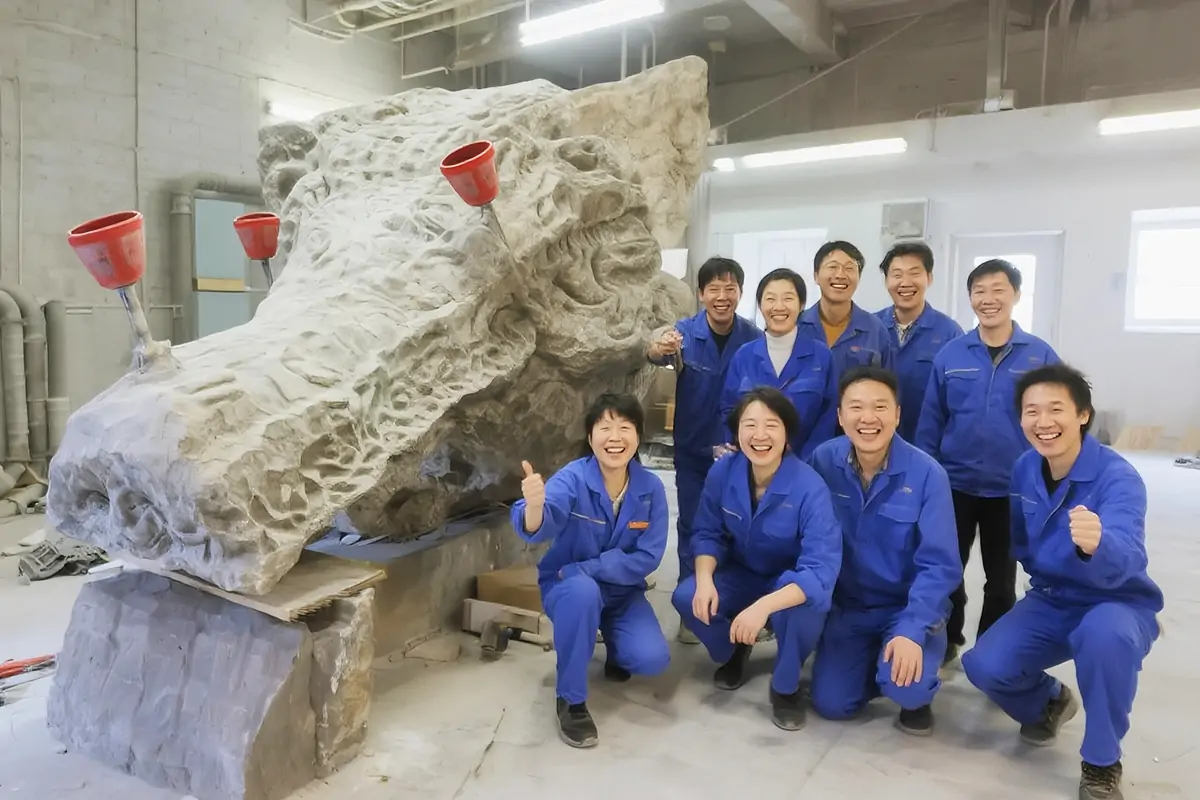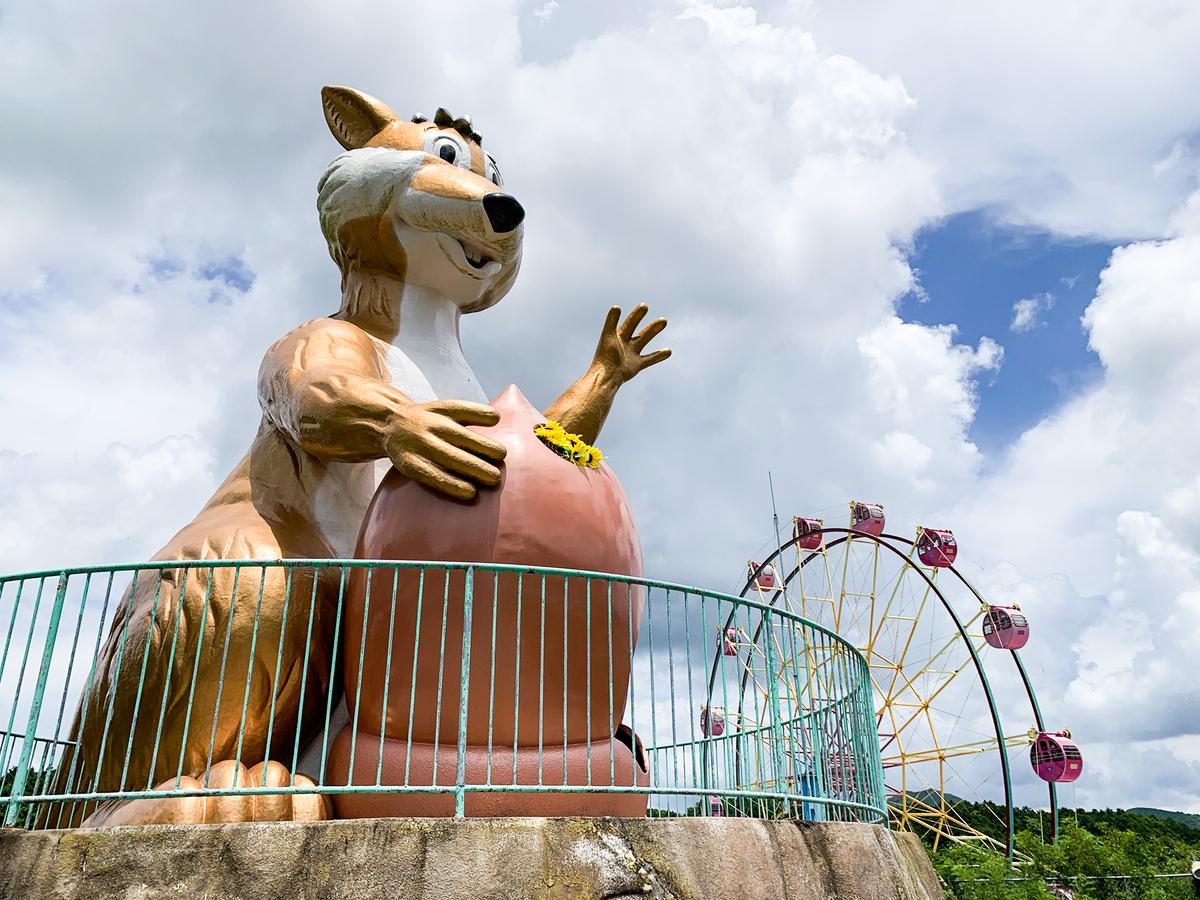
A theme park mascot, a hotel atrium centerpiece, a flagship retail installation – none of them get judged on day one. They get judged in year three, once the coating has either held up or started to chalk. Whether FRP sculptures hold up that long comes down to three decisions made before production even starts: how the coating handles UV, whether the resin actually meets the venue’s fire code, and how tightly the finish is controlled across every unit ordered. Get one of those wrong and a piece that looked perfect leaving the workshop can discolor or fail a fire inspection well before its brand cycle is over. Here’s what each of those requirements really involves, and how Pegasus handles them.
Why Do Branded Environments Need a Different Specification Than Decorative Sculpture?
A garden statue only has to satisfy one owner. A sculpture going into a theme park, a mall, or a hotel group answers to something else entirely – facility managers who have to sign off on it, fire marshals who inspect it, and often a franchise rollout that wants the same mascot repeated across a dozen other properties. That’s the real difference: it’s no longer just about whether the piece looks right. It has to meet the venue’s fire code, hold its finish under daily foot traffic, and match exactly when the same brand orders the next batch for another location.
Getting any one of those wrong doesn’t just risk an unhappy client – it risks a failed fire inspection, a mismatched rollout, or a sculpture that needs recoating years ahead of schedule. That’s why it’s worth working through the questions below before a quote is even requested.
What Should Buyers Consider Before Starting an FRP Sculpture Project?
Four things determine which resin, coating, and finish process actually apply to a project – worth having answers to before the first conversation with a manufacturer:
- Installation environment – open-air plaza, enclosed retail or mall interior, hotel atrium, or coastal/waterfront site. This alone changes which resin system, fire rating, and coating thickness apply.
- Safety and fire compliance – which code the venue falls under (ASTM E84, NFPA 101/255, UL 94, or a local authority’s own requirement), and who signs off on it – facility management, the fire marshal, or both.
- Finish requirements – the exact brand color (Pantone or RAL code), gloss level, and whether the piece is a one-off or needs to match units going to other locations.
- Documentation – what the facility team will need on file to pass inspection or audit later – resin data sheets, fire test reports, third-party inspection certificates, and color-match records, especially for a multi-location rollout.
Answering these upfront doesn’t just speed up quoting – it’s the difference between a sculpture that gets specified correctly once and one that comes back for rework after it’s already been cast.
How Long Does UV Exposure Actually Take to Damage an FRP Sculpture?
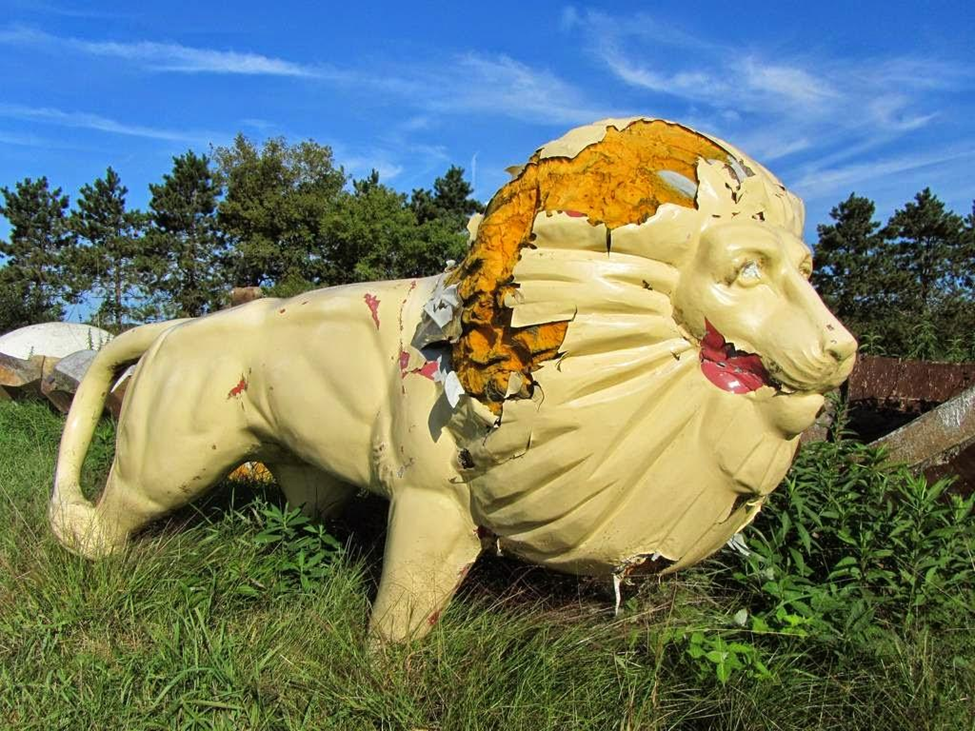
Most buyers underestimate how fast sunlight actually works on FRP. Leave a gelcoat unprotected and it’ll start chalking – going dull and powdery as the resin binder breaks down – in as little as 12 to 18 months if it’s sitting somewhere like the Gulf or the American Southwest. A properly stabilized coating system, on the other hand, can hold its gloss for five years or more before it needs recoating at all. That difference has nothing to do with the paint color chosen. It comes down to what’s actually mixed into the gelcoat and topcoat before the piece leaves the mold.
The gap between those two outcomes isn’t just cosmetic. A sculpture that chalks in eighteen months means a maintenance call, a lift or scaffold rental, and a brand asset that looks tired in customer photos years before it should. Specifying the UV system correctly the first time is what keeps that cost off the books entirely.
What Determines the UV Stability of a Fiberglass Sculpture Finish?
Most of this gets locked in before anyone picks up a spray gun. For a fiberglass sculpture headed outdoors, here’s what actually controls how it ages:
- Resin choice comes first – isophthalic or NPG-modified polyester holds up to UV and moisture far better than standard general-purpose resin
- Cured gelcoat and topcoat thickness matters just as much; aim for roughly 18-22 mils, since anything thinner won’t screen enough UV
- The clearcoat needs HALS and UV-absorber additives mixed in, not just applied on top – these slow the actual breakdown instead of masking it
- Automotive-grade polyurethane topcoats hold their gloss far longer outdoors than a standard enamel finish
- Pigment type gets overlooked more than it should; inorganic pigments outlast dye-based colorants under sustained sun by a wide margin
Most material comparisons stop at “fiberglass can fade.” They rarely get into which of these choices is actually controlling that outcome on a commercial project – or that each one is a small cost increase at manufacturing versus a much larger cost avoided later. Recoating a large-scale sculpture on site, after installation, almost always costs more than specifying the right system before it leaves the mold.
What Fire Performance Standards Actually Apply to FRP Sculptures?
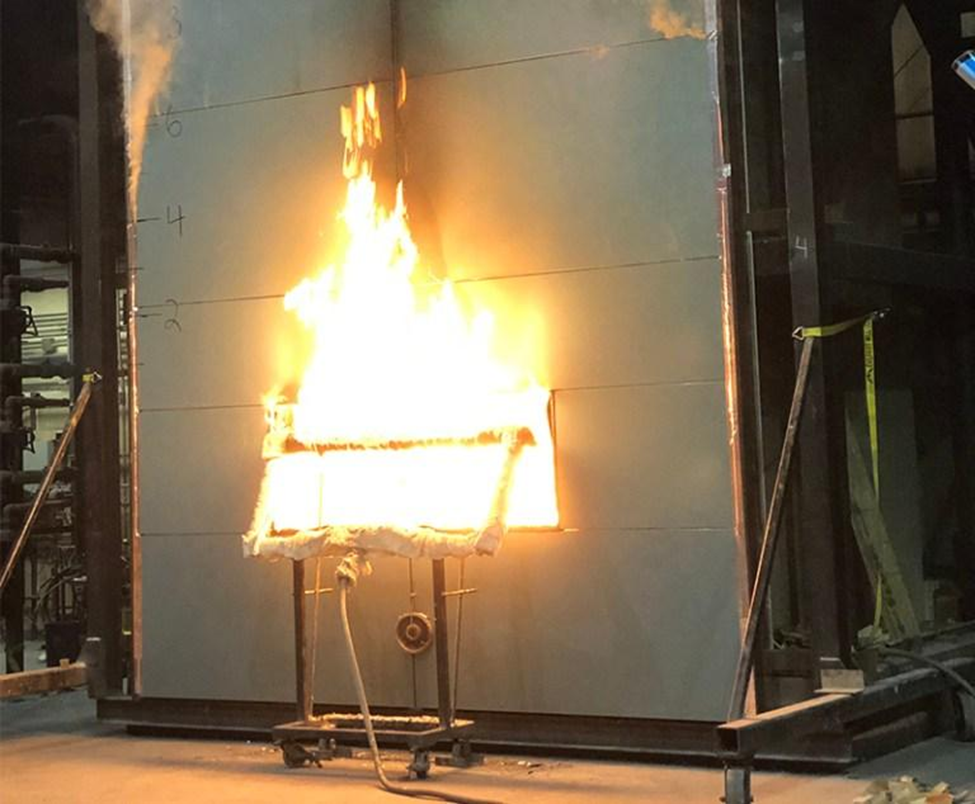
Fire performance is where projects tend to get stuck late, usually right before installation. In North America, interior finishes are commonly tested under ASTM E84, the Steiner tunnel test, which scores flame spread and smoke development. A Class A rating means a flame spread index of 25 or below and a smoke-developed index under 450. Standard, unrated polyester resin can post smoke figures well above 750 in the same test. Plastic components also get checked against UL 94, and interior finish rules show up in NFPA 101 and NFPA 255. None of this is paperwork you can skip. It’s what a fire marshal actually checks before signing off on an indoor installation, which is why it needs confirming before specifying FRP sculptures for any enclosed brand space.
This isn’t a box to check for its own sake. A sculpture that fails ASTM E84 or shows up without UL 94-rated components on record can get pulled from a venue after it’s already installed – at the buyer’s cost and timeline, not the manufacturer’s. Confirming the standard during specification is what keeps that risk off the project altogether.
When Does a Branded Environment Actually Require Fire-Retardant Resin?
Not every project needs a fire-rated laminate, and specifying one you don’t need just adds cost and weight for no reason. Fire-retardant resin, usually built with halogen additives or alumina trihydrate to suppress and self-extinguish flame, tends to be required in:
- Enclosed malls and retail interiors, under interior finish codes
- Airport terminals and transit hubs, with strict flame-spread limits
- Hotel lobbies and covered atriums, especially in multi-story buildings
- Museum and exhibit spaces with public occupancy rules
- Open-air plazas and theme park landmarks, usually exempt but worth confirming with the local authority anyway
FRP vs Other Materials for Branded Environments
FRP isn’t the only material used for large-scale branded sculpture, and it’s worth knowing where it wins – and where another material might actually be the better fit – before committing to a spec:
| Material | Detail & Finish | Fire Performance | Weather Durability | Best For |
| FRP (fiberglass) | High – fine detail, smooth gelcoat, precise color match | Meets Class A with fire-retardant resin | Excellent with correct UV coating system | Mascots, branded landmarks, multi-unit rollouts needing exact color match |
| Welded/cast metal | Good for geometric or abstract forms; less fine detail than FRP | Naturally non-combustible | Very durable, but can corrode without coating, especially coastal | Permanent landmark pieces, low-maintenance outdoor installs |
| Carved stone / cast concrete | Limited fine detail; texture-dependent | Non-combustible | Extremely durable, low maintenance | Static architectural features, not character mascots |
| EPS foam + coating | Good for large-scale forms; less surface detail than FRP | Poor without a fire-retardant coating system | Lower – vulnerable to impact, shorter outdoor service life | Temporary installs, indoor displays, short brand campaigns |
For a branded environment that needs to look sharp for years, survive daily foot traffic, and match an exact brand color across multiple units, FRP is usually the balance point between detail, weight, and lifetime cost – which is why it’s the default choice for theme park mascots and retail rollouts specifically.
How Is Finish Consistency Controlled Across Multiple FRP Sculptures?
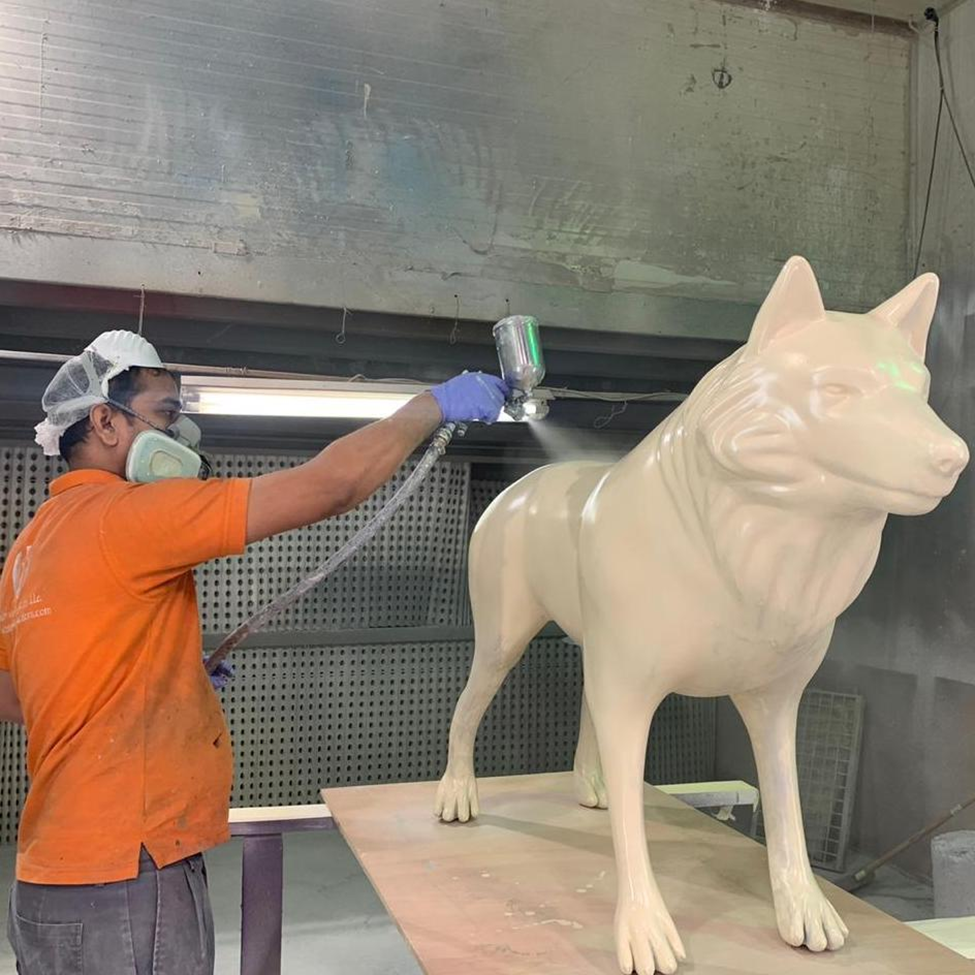
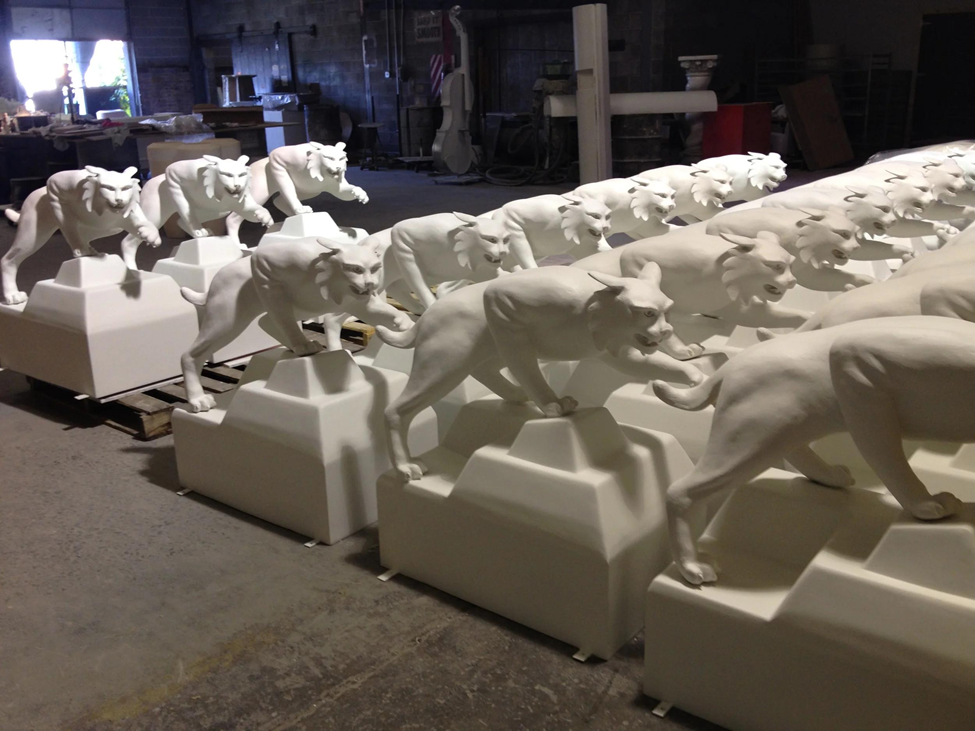
Color starts to matter a lot more once a project isn’t just one piece. A retail chain ordering custom fiberglass sculptures for a multi-location rollout needs every unit on the exact Pantone or RAL code, not close. That takes controlled spray-booth conditions, batch-tested paint mixing, and a gloss check on each piece before it ships. Seam lines from the mold also need grinding, filling, and hand-sanding before paint goes on – skip that step and the seam shows through within months, especially under the low, raking light common at hotel entrances and storefronts.
Get this wrong on a multi-location order and the cost isn’t just a redo – it’s a visibly mismatched brand across cities, which customers tend to notice faster than any single finish flaw. Locking the process down before the first unit is sprayed is what prevents that.
How Does Pegasus Build UV, Fire and Finish Requirements Into Manufacturing?
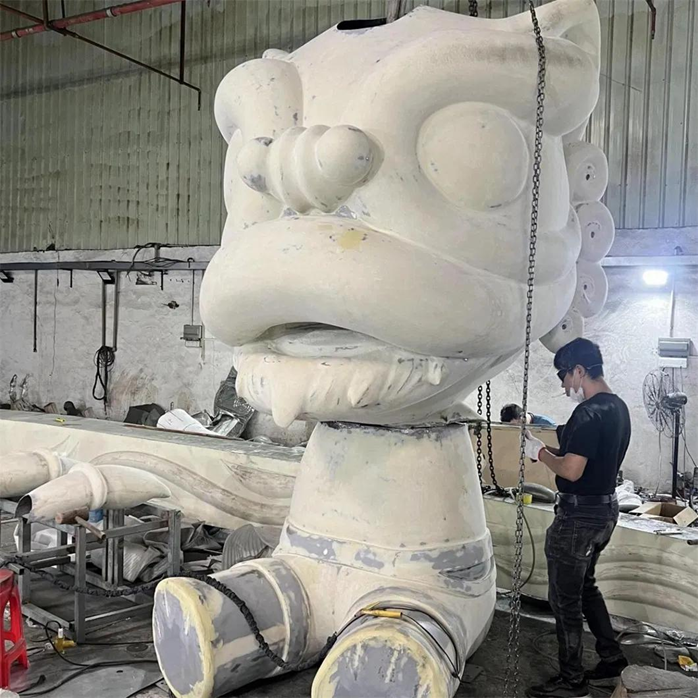
At Pegasus, these calls get made during engineering review, not bolted on after the sculpture is already cast. The team checks the site’s fire code and UV exposure against the CAD model, then picks the resin, gelcoat thickness, and fire-retardant additives to match – both fire-retardant and eco-friendly resin options are available depending on where the piece is going. Manufacturing follows with a hot-dip galvanized steel armature, gel coat, and layered E-glass lamination, then automotive-grade polyurethane painting and UV clear coats matched to the client’s color. Every FRP sculptures order goes through factory inspection, including third-party SGS or TUV checks, before it’s crated and shipped.
That involvement doesn’t stop once the piece is built. The same team hands over the documentation – resin data sheets, fire test reports, and color-match records – and stays engaged through delivery and on-site installation support. Buyers get one continuous point of contact from material selection to the sculpture being installed, not a handoff between departments along the way.
You can see this process across Pegasus’ completed sculpture projects or check current customization options for a specific site.
What Determines Your FRP Sculpture’s Requirements?
Before requesting a quote, it helps to know which environment category applies – it determines the fire rating, finish system, and expected service life. A rough starting point below; always confirm specifics against local fire code and site conditions.
| Environment Type | Fire Specifics Typically Needed | Recommended Finish System | Typical Service Life |
| Open-air plaza / theme park landmark | Usually not code-mandated; confirm local authority | UV-stabilized gelcoat + automotive-grade PU topcoat | 15-20 years with maintenance |
| Enclosed mall / retail interior | ASTM E84 Class A, fire-retardant resin | Automotive PU or matte topcoat, brand color-matched | Long lifespan; low UV load indoors |
| Hotel lobby / covered atrium | Often required by local fire code | Automotive PU, Pantone/RAL matched, gloss or satin | Long lifespan; periodic recoat |
| Coastal / waterfront branded space | Site-specific; verify with local code | Marine-grade UV gelcoat + reinforced topcoat | 10-15 years due to salt and UV load |
Whichever category applies, FRP sculptures ordered for a multi-location rollout should come with matching documentation – resin data sheets, fire test reports, color-match records – so facility teams at each site can confirm compliance without re-testing every piece.
Frequently Asked Questions
Do FRP sculptures fade in direct sunlight?
Usually that’s a spec problem more than anything inherent to the material. Leave a gelcoat unprotected and it can start chalking in as little as 12 to 18 months under strong sun. Pair a UV-stabilized gelcoat with an automotive-grade polyurethane topcoat and UV clear coat, though, and you’re looking at five-plus years before it needs recoating.
Can a fiberglass sculpture meet fire code for an indoor mall or airport?
Yes. Casting it with fire-retardant resin gets it to common interior finish requirements like ASTM E84 Class A – flame spread of 25 or below, smoke-developed index under 450 – though the exact standard should be confirmed with the venue’s fire authority.
How thick should the UV-protective coating be on an outdoor FRP sculpture?
Around 18 to 22 mils cured is the industry target. Go thinner and the coating screens less UV, which shows up as faster fading and cracking no matter how good the color looks at delivery.
Can multiple sculpture units be color-matched to an exact brand Pantone code?
Yes – it’s standard for chain rollouts. It takes batch-tested paint mixing, controlled spray-booth conditions, and a gloss check on each unit so a mascot at one location matches the same piece somewhere else.
How long does a properly finished FRP sculpture actually last outdoors?
Get the resin, gelcoat thickness, and UV topcoat right, and 15 to 20 years is a realistic range with some periodic maintenance along the way. Coastal sites tend to fall toward the shorter end of that – the added salt exposure just wears the finish down faster than an inland installation would.
Conclusion
UV stability, fire performance, and finish control aren’t add-ons. They’re what decide whether a sculpture still represents the brand well five or ten years out. Specify them clearly upfront, check them against local fire code, and you skip the sculpture that looks great at delivery and fails inspection or fades within a season. At Pegasus, that shows up at every stage- starting with material selection, carrying through finishing and quality checks, right up to installation support on site. A single landmark piece or a full run of custom fiberglass sculptures for a retail rollout, it doesn’t matter which – reach out to the Pegasus team and walk through the UV, fire, and finish requirements before anything goes into production.