Approving a bronze patina for an architectural project comes down to three checkpoints: a physical colour reference sample, a full-scale or section mock-up reviewed under real site lighting, and a documented understanding of how the finish will age outdoors over the following years. Skipping any one of these steps is the most common reason a finished custom bronze sculpture arrives on site looking different from what was approved on a drawing or screen. Patina approval is worth this level of attention because it is not really a colour decision – it is the point where a client confirms the sculpture’s final appearance and locks it in with confidence, while changes are still cheap to make and long before an issue can show up on an installed piece. For architects, artists, and procurement teams signing off on a bronze sculpture manufacturer’s finish, treating patina as its own formal approval stage – not a final afterthought – is what protects the design intent long after installation.
Why Patina Deserves Its Own Approval Stage
Most specification documents treat colour as a single line item, somewhere between material grade and delivery date. Patina does not behave like a paint colour picked from a swatch book. It is the product of a controlled chemical reaction between heat, metal salts, and the surface of the casting, which means the same recipe can read slightly differently depending on alloy composition, casting thickness, and even the humidity in the finishing shop on a given day. That variability is normal for bronze sculptures, but it is also exactly why colour needs a dedicated sign-off step rather than a verbal description in a proposal.
Cutting corners here has a real cost. Foundries that rely on outdated, low-cost patination methods sometimes produce surfaces that develop uneven staining or premature blotching within months of installation – a problem procurement teams typically only discover after the piece has already shipped. At Pegasus, patina work sits inside the same quality-control checkpoints as structural engineering and casting, precisely because a colour failure is as costly to a project timeline as a structural one.
What Should a Bronze Colour Reference Actually Show You?
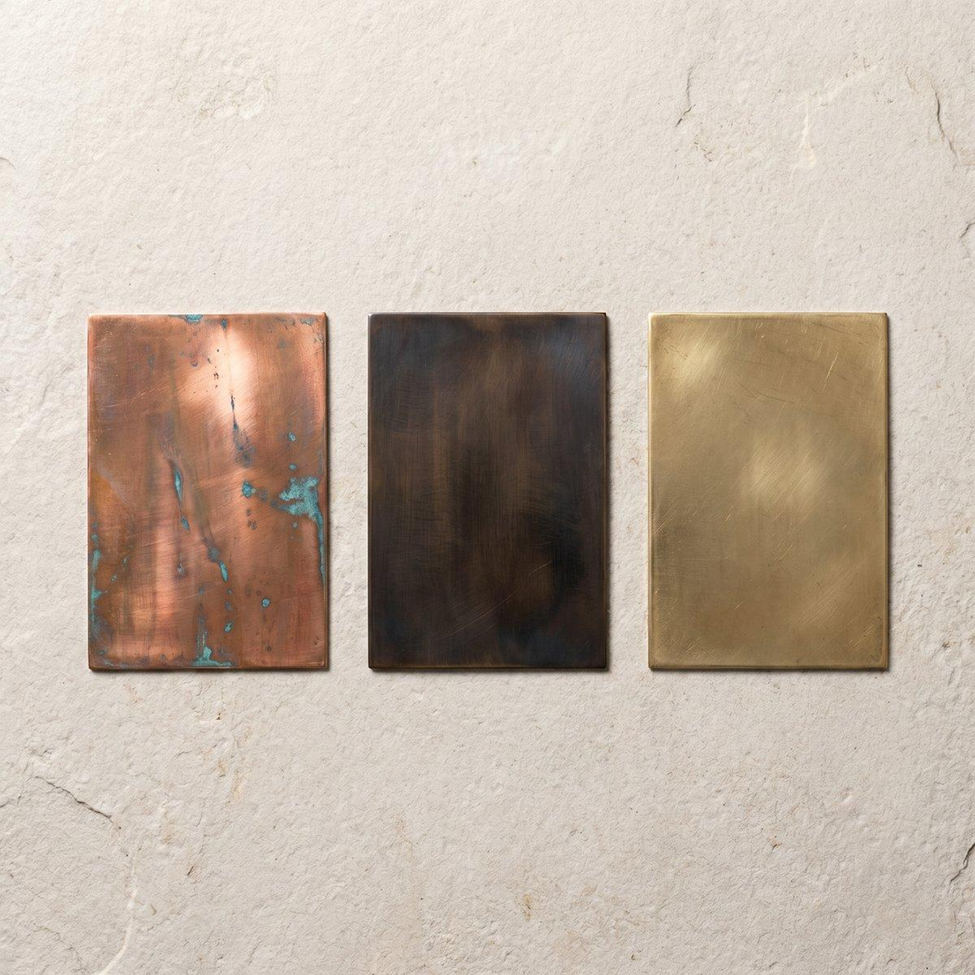
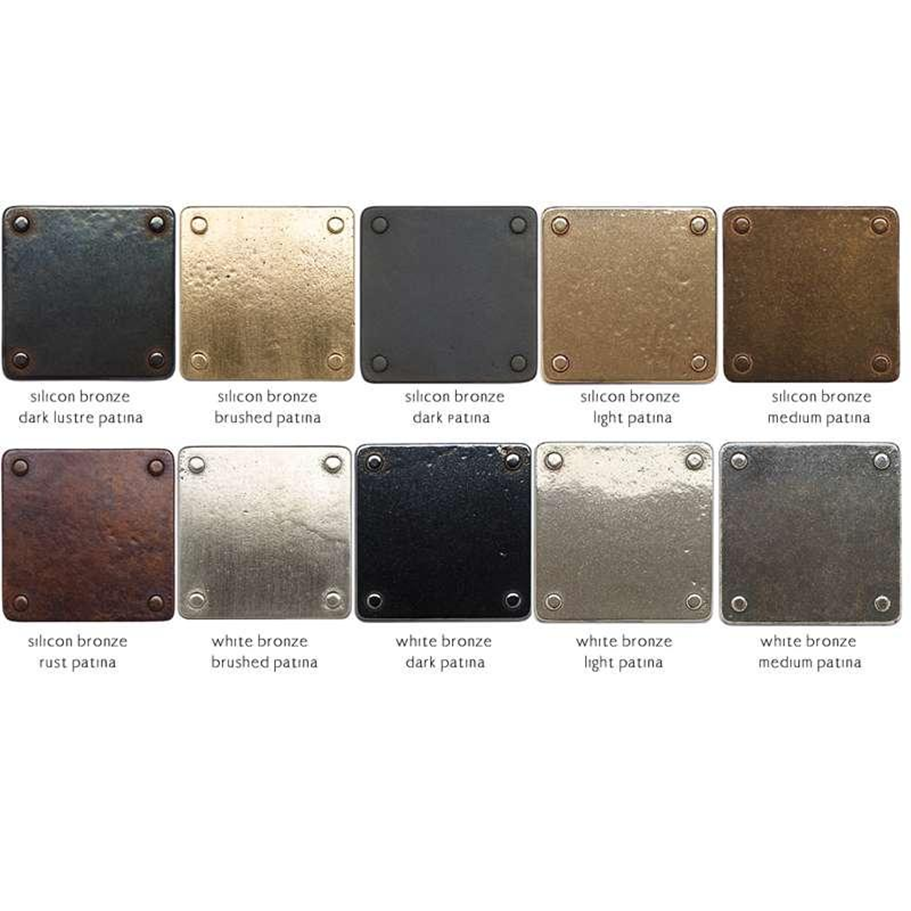
A colour reference that only exists as a photo, a rendering, or a paint chip cannot tell you how the real casting will behave in daylight. Before approving a finish, architects and procurement teams should ask to see:
- A cast sample plate made in the same alloy planned for the project – typically Silicon Bronze – rather than a printed swatch or a digital mock-up
- The patina applied using the same heat cycle and chemical process intended for the full piece, not a simplified demonstration finish
- A visible range from the lightest to the darkest tone the process naturally produces, since hand-applied patina is never perfectly flat across a large surface
- The sample reviewed in natural daylight and, where possible, under the lighting conditions planned for the finished site
Pegasus provides physical patina sample plates ahead of full production specifically so this comparison can happen against the real material, not an approximation of it.
How Detailed Should a Pre-Production Mock-Up Be?
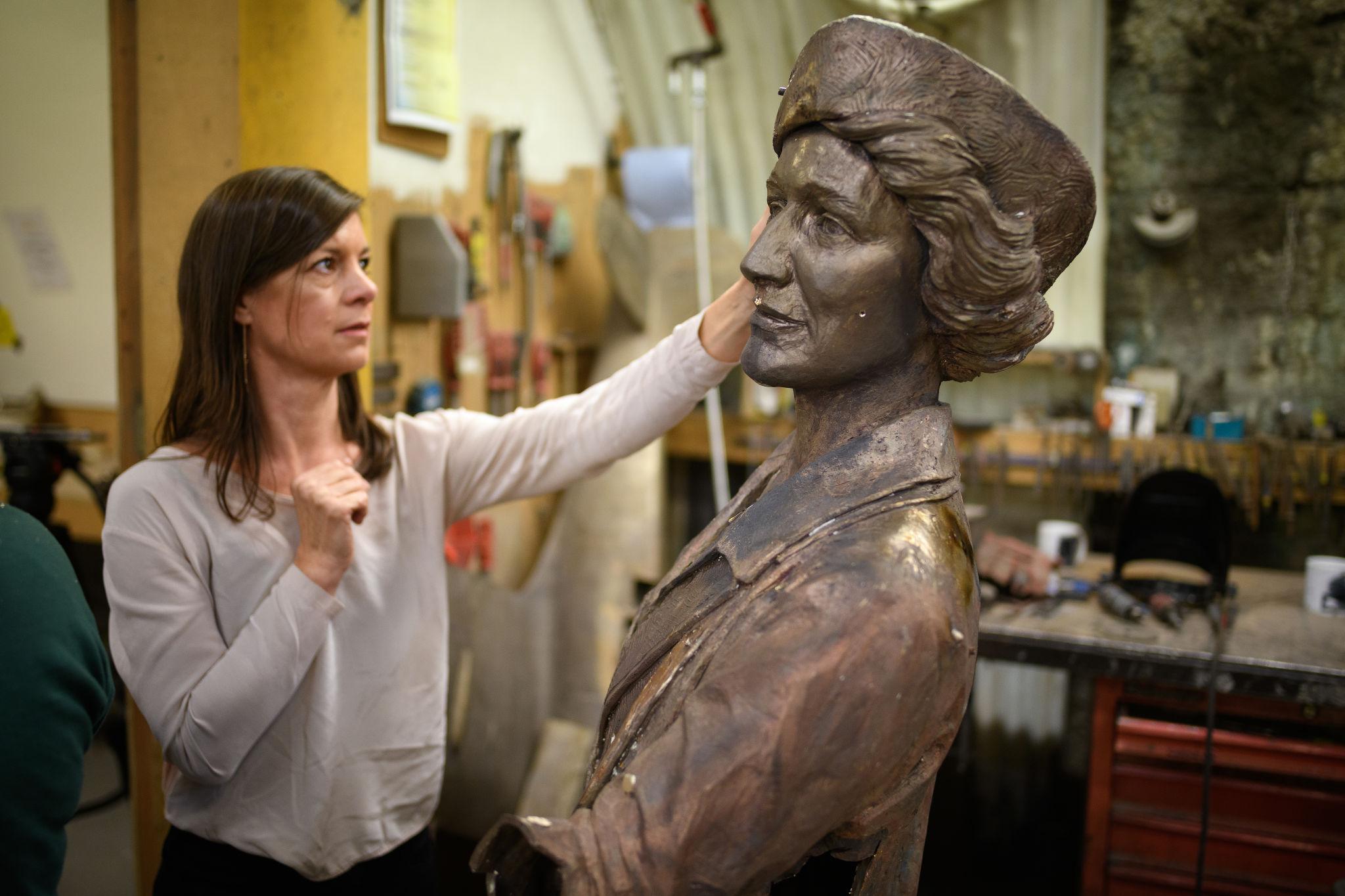
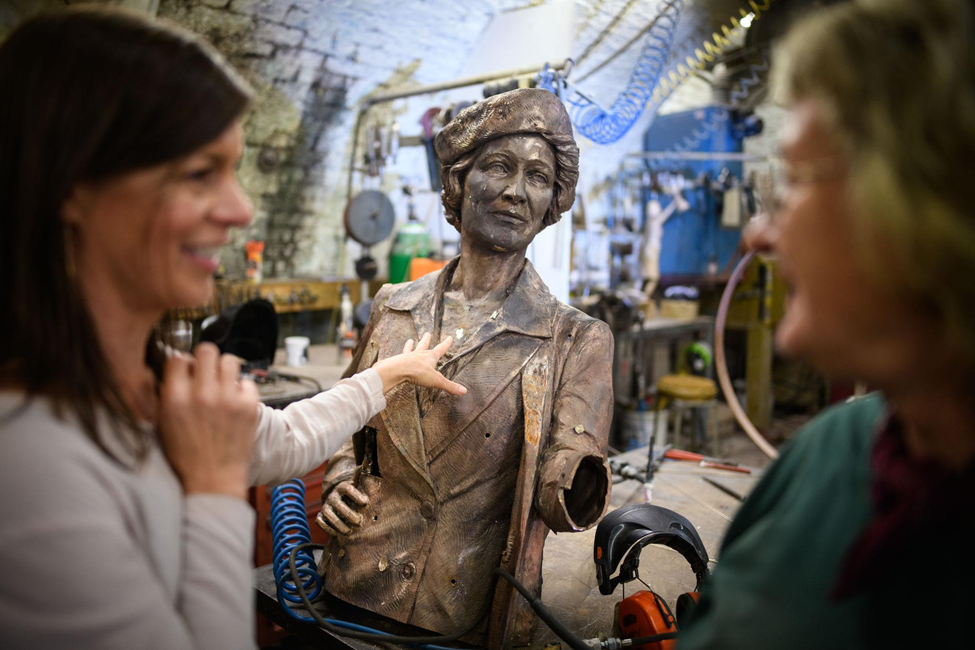
This is the step that separates approving a colour from approving a sculpture. A flat sample plate can only show how a patina looks on a small, even test surface – it can’t show a client how that same finish will pool in a fold, catch light on a raised edge, or sit differently either side of a weld joint. A mock-up is where the finish gets evaluated on the real form the piece will actually take, which is the only reliable way to know how it will read once the whole sculpture is standing on site. A colour chip confirms the tone. A mock-up confirms how that tone behaves across form, texture, and joins – which is a different question entirely, and it’s usually where Pegasus’s engineering team gets involved before a decision is finalised, not after. A pre-production trial typically includes:
- A representative section of the piece, such as a fold of drapery, a hand, or a structural weld joint, rather than only a flat test panel
- The same surface treatment planned for the finished work, since a mirror-polished area, a brushed surface, and a hand-chased texture all take patina differently
- A joint review between the client and Pegasus’s team before full casting begins, where wall thickness, joint placement, and finish are discussed together rather than approved as separate line items
Cast wall thickness on a monumental piece is typically held between 5mm and 8mm – thick enough for structural stability and thin enough for the patina to form and seal evenly across the surface. That range isn’t just a structural rule – it’s also a finishing one. Cast the wall too thick and the patina chemicals struggle to penetrate and seal evenly; cast it too thin and the piece is more prone to warping or an uneven heat response during patination, which shows up later as blotching. Getting that balance right is exactly why a bronze sculpture manufacturer needs its engineering and finishing teams working from the same drawing, not signing off on structure and colour as two unrelated approvals. This is a recommendation Pegasus makes at the mock-up stage based on the specific design, not a fixed spec handed over after the fact, which is what lets architects catch colour and structural trade-offs together before they become an expensive rework on a finished custom bronze sculpture.
Common Architectural Bronze Finishes at a Glance
The table below summarises finishes that come up most often in architectural specification meetings, based on patina options typically offered by an experienced bronze sculpture manufacturer.
| Finish | Typical Tone | Best Suited To | Maintenance Note |
| Classic antique brown | Warm chocolate-brown | Figurative and civic monuments | Re-wax roughly every 12–18 months outdoors |
| Verdigris / green patina | Blue-green oxidised tone | Gardens, plazas, coastal sites | Stabilises faster in humid climates |
| Florentine umber | Deep reddish-brown | Corporate and hospitality interiors | Lower UV exposure extends finish life |
| Polished bronze | Warm gold, high reflectivity | Atriums, minimalist facades | Needs periodic hand polishing |
| Gilded bronze | Gold-leaf highlights | Civic icons, ceremonial pieces | Avoid abrasive cleaning products |
No single finish is objectively correct – the right choice depends on lighting, climate, and how much surface change the owner is comfortable seeing over time.
How This Patina Will Look in Ten Years
Bronze doesn’t stop changing once it leaves the foundry. The colour approved on day one is a starting point, not a finished state – left unsealed, most bronze sculptures will keep oxidising outdoors, drifting slowly toward the metal’s raw tones as rain, sun, and years of handling do their work. This is exactly where Pegasus pushes to be part of the conversation early: recommending a sealing and wax schedule based on the project’s climate and exposure, rather than leaving the client to work it out once the piece is already installed.
This is also where most complaints start. An owner signs off on a deep brown finish, and five years on, calls asking why it’s gone patchy or paled in the sun – not realising that was always part of the deal with an outdoor bronze piece. To head this off, Pegasus works with the client at approval stage to set that expectation up front: what the specific patina will likely do over time in that particular setting, and what re-waxing interval will keep it close to what was originally approved.
From Approved Sample to Installed Sculpture
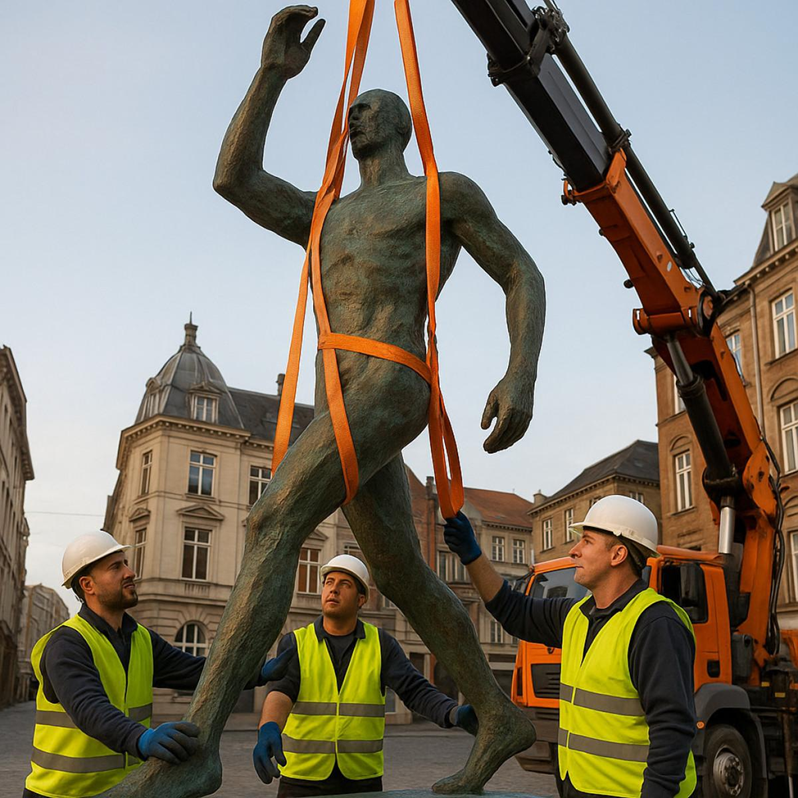
Signing off on a colour reference and mock-up is only half the job. That finish still has to survive fabrication, packaging, an ocean crossing, and installation without quietly turning into something else. Pegasus treats those as one connected process, not separate handoffs. Patina goes on and gets sealed only after final quality inspection. The piece is then packed in custom internal bracing inside atmosphere-controlled crating, so nothing touches or oxidises the surface in transit, and installation follows a rigging plan that keeps hands and tools away from the finish while it’s set in place.
If you’re commissioning bronze sculptures at this scale, this is the sequence worth asking for: sample, mock-up, sealed finish, protected packaging, supervised install – the difference between approving a piece and actually getting the one you approved.
Frequently Asked Questions
1. How long does patina approval usually take before production starts?
Budget two to four weeks for a sample plate and mock-up to come back for review, plus whatever time revisions need before the full casting goes ahead.
2. Can a patina be matched to an existing sculpture or architectural element on site?
Generally, yes. A foundry with real patina experience can get close to an existing colour, but don’t sign off from a photo – check the physical sample against the actual site under the same light.
3. Will the approved patina colour look the same indoors and outdoors?
Not quite. Indoor lighting stays fairly constant, but an outdoor piece will look noticeably different at 8am versus 4pm, or in July versus January – which is exactly why reviewing under real daylight matters more than reviewing in an office.
4. Does patina affect the long-term durability of the bronze?
If anything, it helps. A properly sealed patina acts as a barrier – the wax or lacquer layer is what slows oxidation down, not something that weakens the metal underneath.
5. Who is typically involved in approving a patina for a commercial project?
Usually it’s the architect and the client or procurement lead making the call, with a landscape designer or facilities manager sometimes pulled in too, since they’re the ones who’ll be dealing with maintenance down the road.
Conclusion
A bronze finish that looks right in a proposal and one that still looks right a decade after installation are not automatically the same thing. Treating colour reference samples, pre-production mock-ups, and future ageing as three distinct approval steps – rather than a single line item – is how Pegasus gives architects, artists, developers, and procurement teams real control over the final bronze finish – not just an explanation of how the process works, but a way to know, before production starts, exactly what will arrive on site. If you’re specifying a bronze finish for an upcoming commercial or civic project, contact the Pegasus team to review sample plates and mock-up options before production begins.