Choosing the Right Bronze Sculpture Starts with Understanding Your Project
Bronze sculptures have represented craftsmanship, prestige, and permanence for centuries. Today, they define luxury hotels, corporate headquarters, public plazas, museums, universities, and private estates around the world. Yet one of the most important decisions buyers face isn’t selecting the artistic style—it’s deciding whether a bespoke bronze sculpture or a standard bronze sculpture statue is the right solution for their project.
Although both options may appear similar initially, they follow very different design, planning, and delivery processes. However, once a project moves beyond the initial concept, the decision becomes far more technical. Design flexibility, engineering requirements, manufacturing quality, installation planning, maintenance, and long-term value all influence which option delivers the greatest return on investment.
For architects, developers, landscape designers, hospitality brands, and procurement teams, the discussion rarely begins with budget. Instead, it begins with understanding how the sculpture will perform over the next several decades and whether it can become a meaningful part of the surrounding environment rather than simply filling an empty space.
Working with an experienced custom bronze sculpture manufacturer such as Pegasus allows buyers to refine design concepts, evaluate production capabilities, and establish realistic expectations before fabrication begins. Early collaboration helps resolve practical considerations during the planning stage, reducing revisions while ensuring the finished sculpture aligns with both the creative vision and the intended environment.
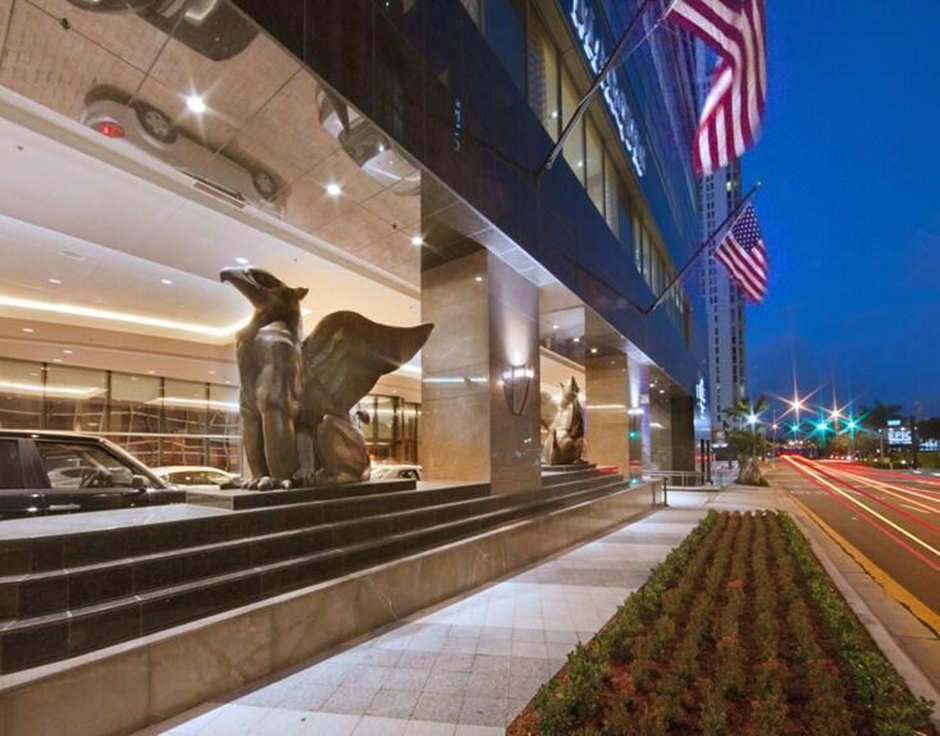
What Is a Bespoke Bronze Sculpture?
A bespoke bronze sculpture is created exclusively for a specific client, project, or location. Every element—from the initial concept and proportions to structural engineering, casting, patination, and installation—is developed around the project’s unique objectives.
Unlike catalogue sculptures, bespoke commissions begin with collaboration. Artists, architects, structural engineers, and landscape designers work together to evaluate viewing angles, circulation patterns, environmental conditions, transportation logistics, foundation requirements, and installation methods before manufacturing begins.
For example, a monumental sculpture installed beside a waterfront faces completely different structural considerations than artwork displayed inside a luxury hotel lobby. Coastal environments introduce humidity, salt exposure, and stronger wind loads, while indoor installations prioritise visitor experience, lighting, and architectural harmony. These conditions directly influence alloy selection, internal reinforcement, protective finishes, and structural design.
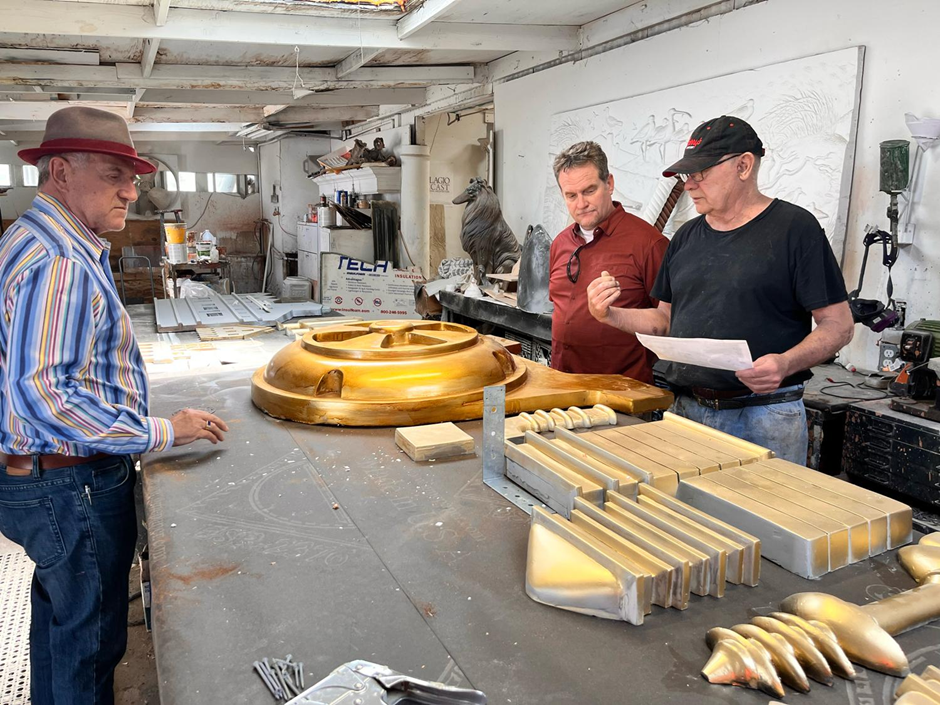
Modern bespoke manufacturing combines centuries-old bronze casting techniques with digital modelling, CNC-assisted pattern development, and precision lost-wax casting. While technology improves dimensional accuracy, the final quality still depends on experienced artisans who complete chasing, welding, patination, and finishing by hand.
Before production moves to the foundry, engineering teams typically review CAD models, structural reinforcement, connection details, and fabrication drawings to verify that the sculpture can be manufactured, transported, installed, and maintained safely. These engineering reviews help identify potential issues early, reducing costly revisions later in the project.
Buyers considering a custom commission often gain valuable insight by reviewing completed bronze sculpture projects, where different engineering challenges and architectural solutions can be seen in real-world installations.
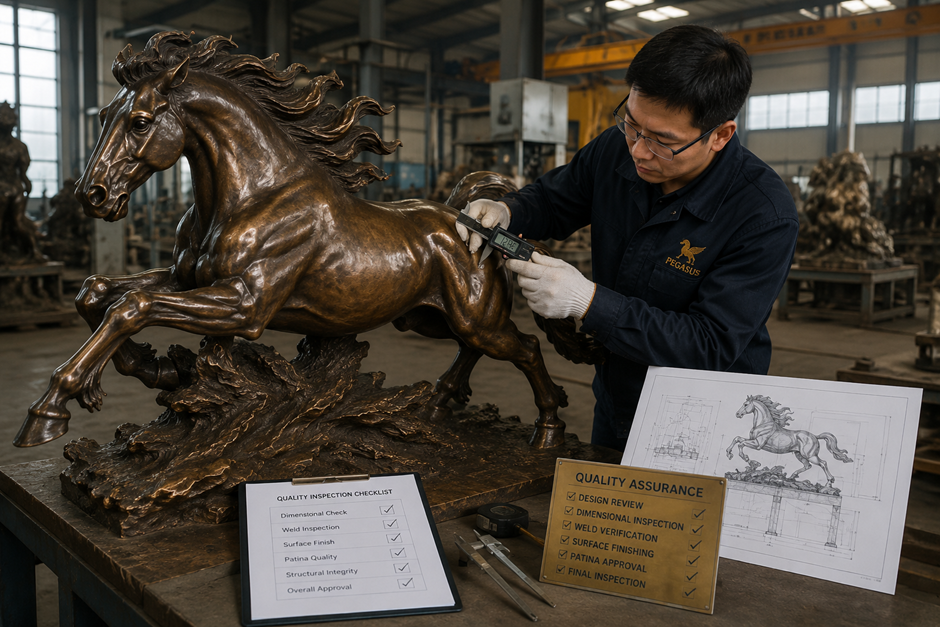
Experienced manufacturers also implement quality control throughout production, including dimensional verification, weld inspections, surface finishing reviews, and final patina approval before shipment. These procedures help ensure the finished sculpture meets both engineering requirements and client expectations.
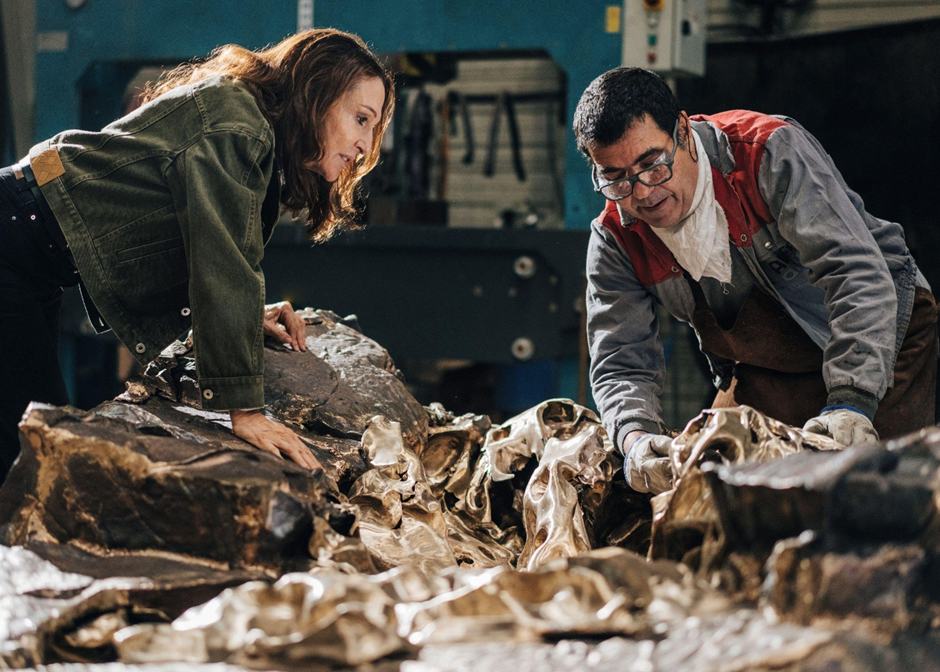
What Defines a Standard Bronze Sculpture Statue?
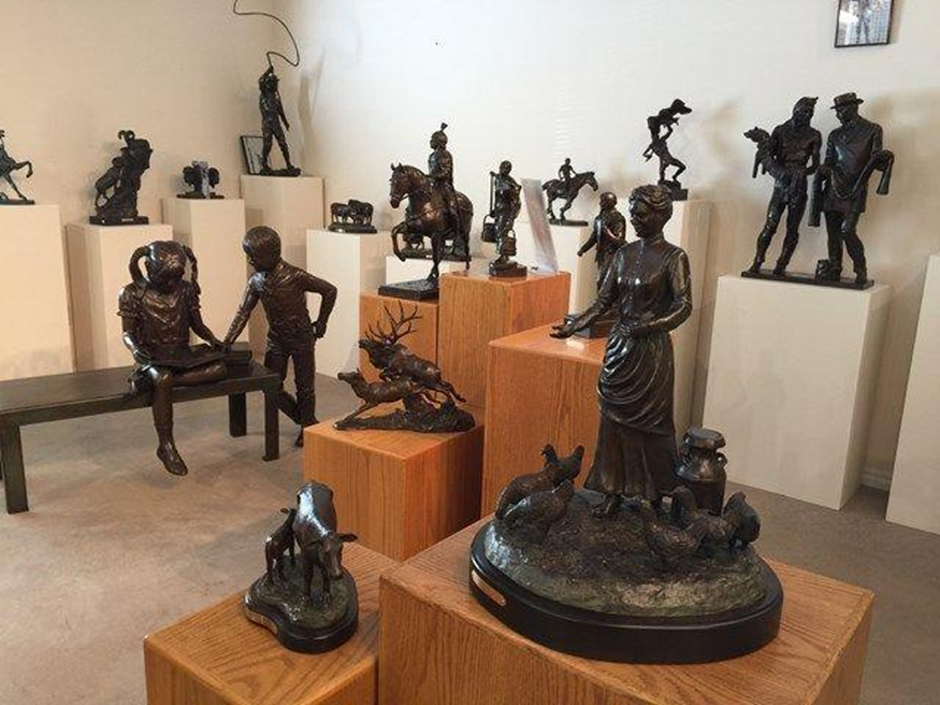
A standard bronze sculpture statue follows a different manufacturing approach. Instead of creating an entirely new design, buyers select artwork that has already been sculpted, engineered, and successfully produced. Although finishes, patina colours, or dimensions may occasionally be customised, the overall artistic composition generally remains unchanged.
This approach offers several advantages. Production schedules are usually shorter, manufacturing costs become more predictable, and installation planning is often simpler because the sculpture has already undergone previous fabrication.
Residential landscapes, memorial gardens, boutique hotels, educational institutions, and commercial developments frequently choose standard sculptures because they combine timeless artistic appeal with efficient production.
However, existing designs naturally involve certain limitations. Architectural proportions, branding objectives, and site-specific requirements may require compromises that are easier to avoid with a bespoke commission.
Rather than viewing standard sculptures as a lower-quality alternative, it is more accurate to recognise that they solve a different type of design challenge. Understanding where a standard sculpture is sufficient—and where a bespoke solution provides greater long-term value—is one of the most important decisions buyers can make.
Before selecting a supplier, buyers should understand how to choose the right bronze sculpture manufacturer so they can evaluate manufacturing standards, technical expertise, inspection procedures, and quality control before making a significant investment.
| Feature | Bespoke Bronze Sculpture | Standard Bronze Sculpture |
| Design Approach | Created exclusively for one project | Selected from an existing design |
| Customisation | Fully customised | Limited customisation |
| Engineering | Site-specific engineering and structural planning | Standard engineering with minor adjustments if required |
| Lead Time | Longer due to design and approval stages | Shorter because the design already exists |
| Initial Investment | Higher | More predictable |
| Design Flexibility | Maximum creative freedom | Limited by the existing design |
| Best Suited For | Landmarks, luxury hotels, corporate headquarters, public art | Residential landscapes, memorial gardens, boutique hotels |
| Main Advantage | Unique identity and complete project integration | Faster delivery and predictable budgeting |
| Primary Consideration | Longer planning and production schedule | Less flexibility for site-specific requirements |
| Long-Term Value | Excellent for landmark projects and brand identity | Excellent for projects prioritising efficiency and proven designs |
Neither option is universally better. The right choice depends on your project’s objectives, budget, timeline, and the level of design flexibility required.
The Best Choice Depends on Purpose, Not Simply Price
One of the biggest misconceptions is that bespoke sculptures are always the better investment simply because they are custom-made. Experienced project teams approach the decision differently.
Instead of asking which sculpture costs less, they begin by asking what the sculpture is expected to achieve over the next 20, 50, or even 100 years.
A civic monument may need to withstand continuous public interaction while becoming a recognised cultural landmark. A luxury hospitality project may require a signature artwork that strengthens brand identity and enhances the guest experience. Corporate headquarters often commission sculptures that communicate innovation and prestige, while private collectors may prioritise exclusivity and artistic craftsmanship.
Each objective shapes the overall fabrication approach, installation strategy, preservation planning, and ownership experience, ensuring the sculpture performs successfully throughout its intended lifespan.
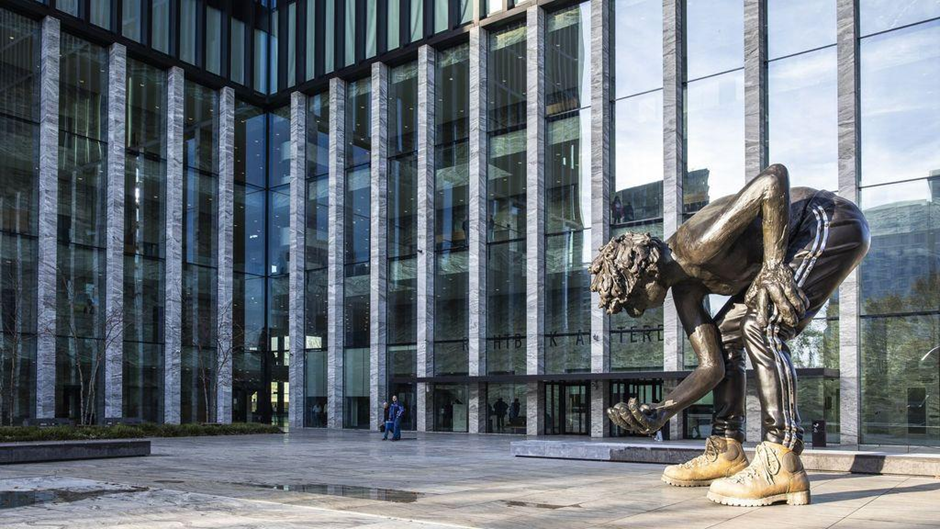
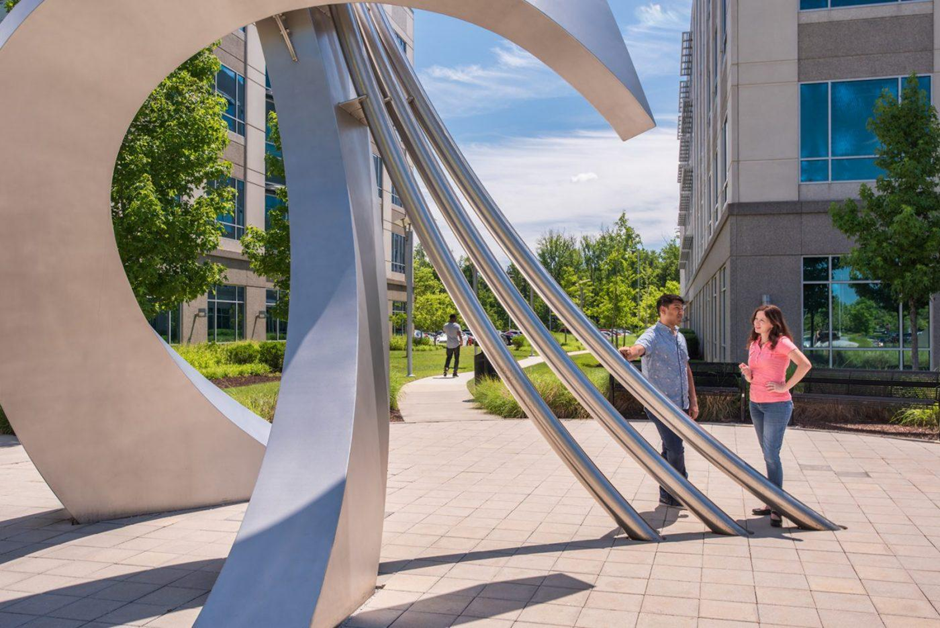
Large commercial developments increasingly use monumental bronze sculptures as architectural focal points rather than decorative elements. Understanding how large bronze sculptures in modern architecture influence placemaking and visitor experience helps buyers appreciate why custom commissions are often specified for landmark developments.
The next stage of the journey is understanding how the buying experience changes once you choose a bespoke commission over a ready-made sculpture.
What Changes When You Choose a Bespoke Bronze Sculpture?
Choosing between a bespoke bronze sculpture and a standard bronze sculpture statue isn’t simply choosing between two products—it’s choosing between two completely different project experiences.
Unlike catalogue sculptures, bespoke commissions begin with a collaborative design process. Clients work alongside designers and manufacturers to refine the concept, review visual proposals, and shape the artwork before production begins. This collaborative approach ensures the finished sculpture reflects both the creative vision and the character of its intended location.
Instead of purchasing an existing sculpture, buyers become involved in shaping the final artwork. Early discussions focus on the project’s purpose, architectural setting, audience, installation environment, and long-term expectations before sketches or digital concepts are even approved.
At this stage, the discussion shifts from selecting an existing sculpture to defining what the artwork should represent.
This level of client involvement is one of the biggest reasons architects and developers choose custom commissions for landmark projects.
Design Development Before Manufacturing
One advantage of a bespoke project is that important decisions are made before production begins rather than after problems appear on-site.
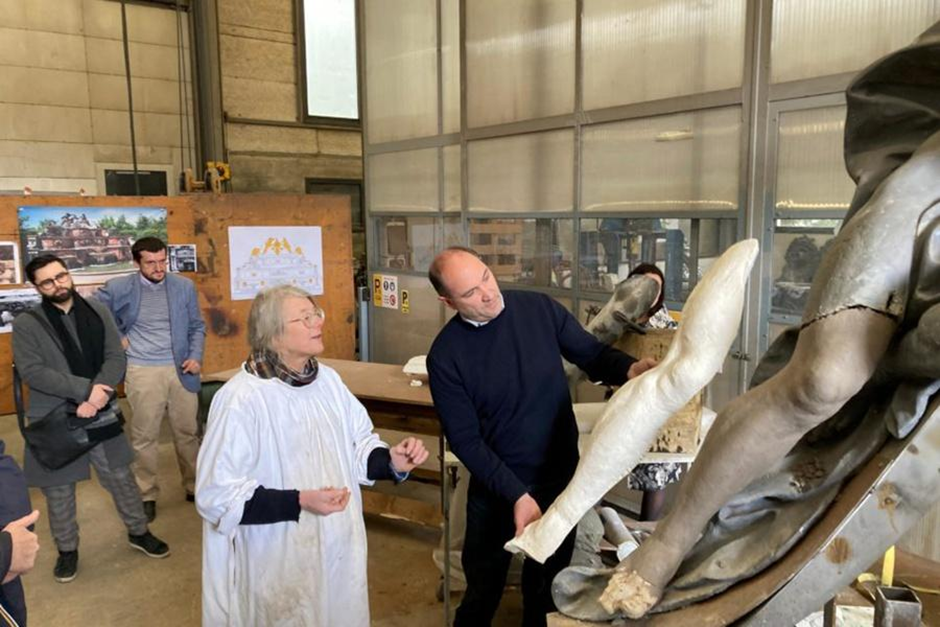
Design reviews allow clients to refine proportions, scale, viewing angles, and visual balance while the sculpture still exists as a concept. Adjustments that might be difficult—or impossible—after casting can be resolved during the design phase with minimal impact on the overall project.
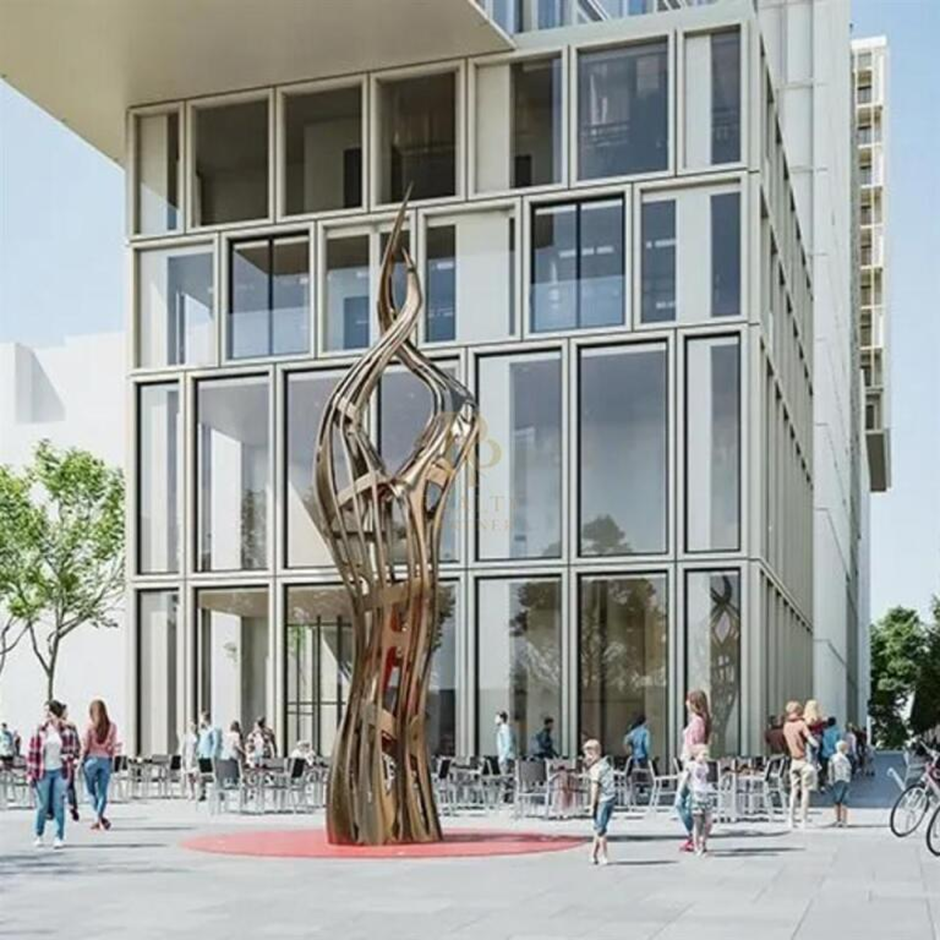
Many clients also request digital renders or scale models before approving production. This allows stakeholders to visualise how the sculpture will interact with surrounding buildings, landscaping, lighting, and pedestrian movement before committing to full manufacturing.
Understanding this collaborative process helps clients make more confident decisions before production begins. At Pegasus, this collaborative review process is an important part of ensuring each commission aligns with both the client’s vision and the project’s technical requirements.
Understanding Lead Times and Project Planning
One of the biggest practical differences between bespoke and standard sculptures is project scheduling.
Because standard sculptures already exist, the workflow generally focuses on casting, finishing, inspection, and shipping.
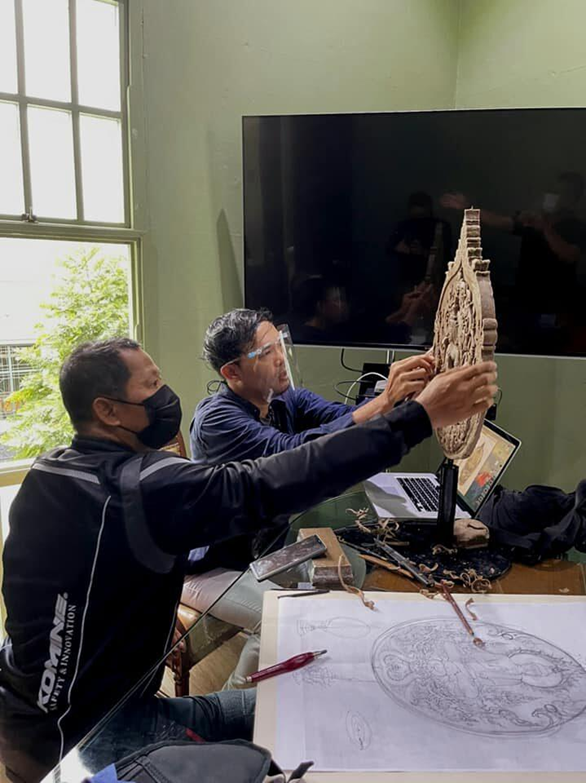
A bespoke sculpture includes additional stages such as concept development, design approval, engineering reviews, prototype refinement, and client feedback before manufacturing begins.
While this extends the production schedule, it also significantly reduces the likelihood of costly design changes later in the project.
These planning stages also allow engineering teams to verify structural calculations, review fabrication methods, and coordinate transportation requirements before casting begins. Resolving these technical details early helps improve production efficiency while reducing project risks during manufacturing and installation.
For large commercial developments, public art programmes, and hospitality projects, allowing sufficient planning time often produces better results than attempting to accelerate production.
Looking Beyond the Initial Price
Many buyers naturally compare quotations before making a decision. However, experienced project teams evaluate value rather than purchase price alone.
Although a bespoke commission usually requires a higher initial investment, much of that cost reflects the additional design development, specialist craftsmanship, client approvals, and production planning involved in creating a one-of-a-kind artwork.
The investment also reflects the engineering expertise that is often invisible to the finished artwork, including structural reviews, fabrication planning, quality inspections, and installation coordination. These processes help ensure the sculpture performs safely and reliably while reducing long-term maintenance and ownership risks.
In return, buyers receive artwork that responds directly to its environment, reflects the project’s identity, and often becomes a defining feature of the space.
Rather than asking, “Which option costs less?”, a more useful question is:
“Which option will still feel right ten or twenty years after installation?”
This shift in perspective often leads to better long-term decisions.
Choosing the Right Approach for Your Project
There is no universal answer.
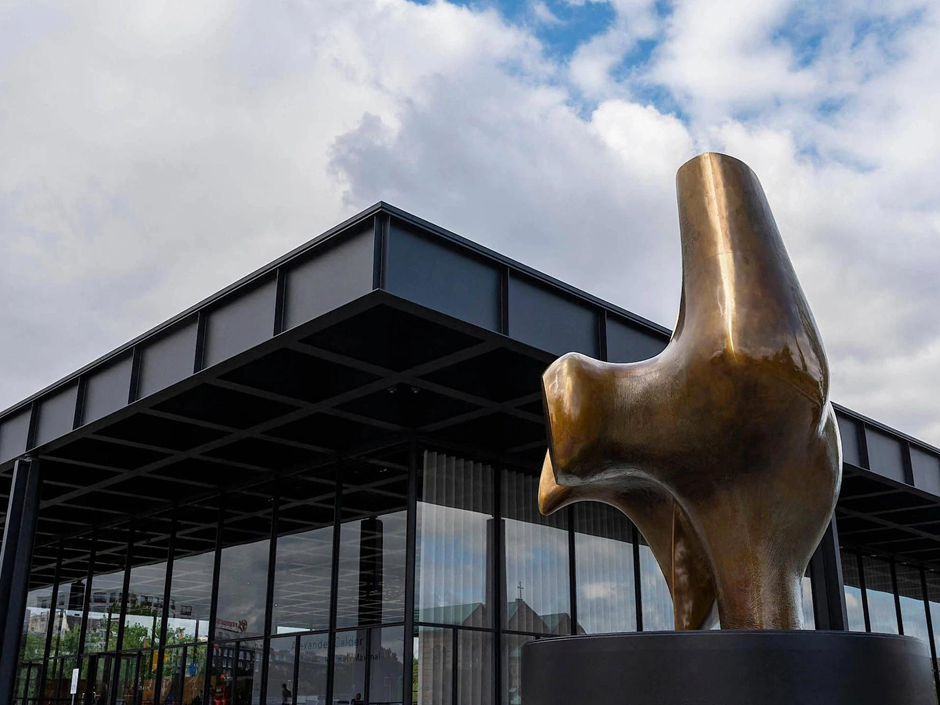
If your priority is a proven design, shorter production timelines, and predictable budgeting, a standard bronze sculpture may provide everything your project requires.
However, if the sculpture is expected to become a landmark, strengthen a brand identity, or integrate seamlessly with architecture, a bespoke commission offers far greater creative and technical flexibility.
For buyers still comparing suppliers, understanding how to choose the right bronze sculpture manufacturer provides a practical framework for evaluating experience, communication, craftsmanship, and production reliability before making a final decision.
Looking Beyond the Purchase – What Determines Long-Term Success?
The Real Investment Begins After Manufacturing
For many buyers, receiving the finished sculpture feels like the end of the project. In reality, it marks the beginning of a much longer relationship with the artwork.
A bronze sculpture is expected to perform for decades, often becoming a permanent feature of a public space, commercial development, or private collection. Its long-term success depends not only on craftsmanship but also on how well transportation, installation, environmental protection, and future maintenance have been planned.
Long-term performance also depends on the engineering decisions made before fabrication begins. Structural calculations, connection design, material selection, and documented quality inspections all contribute to ensuring the sculpture continues performing as intended for decades after installation.
This is one reason experienced buyers evaluate the complete project lifecycle rather than focusing solely on the manufacturing stage.
Shipping Large Bronze Sculptures Requires Careful Planning
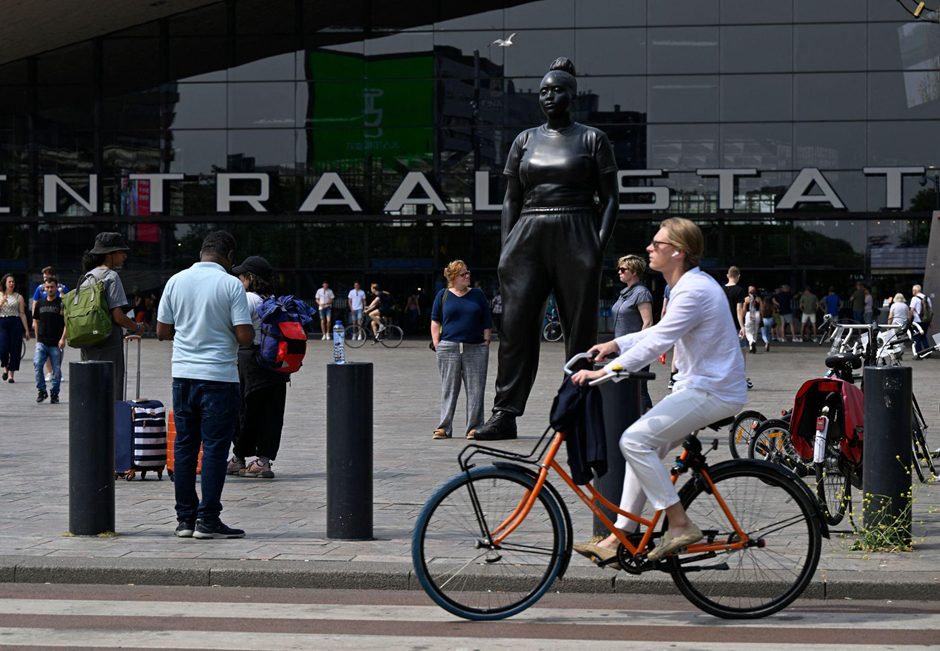
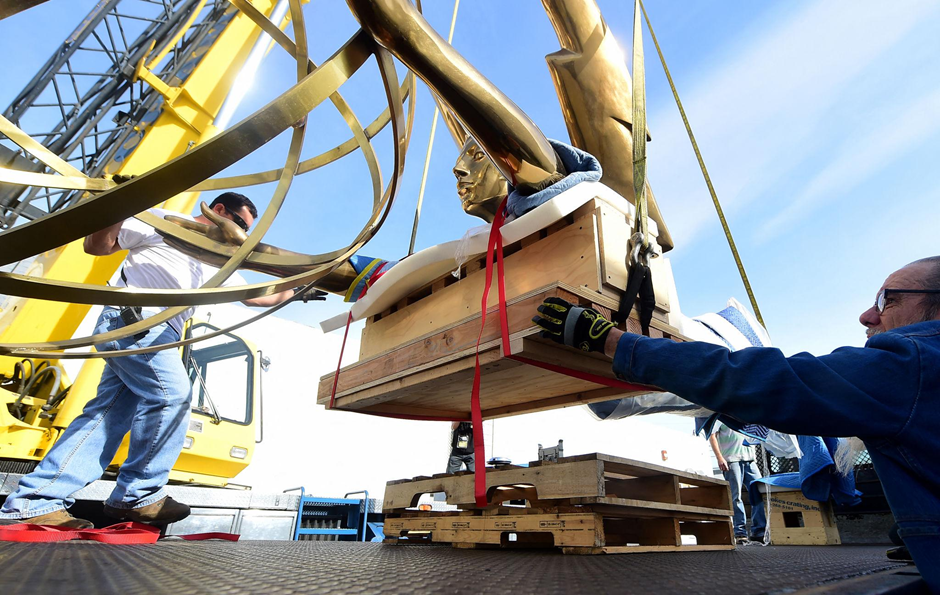
Unlike standard commercial products, bronze sculptures are rarely shipped in conventional packaging. Their weight, irregular geometry, and delicate surface finishes require specialised logistics to minimise movement and prevent damage during transportation.
Large sculptures are frequently manufactured in multiple sections, allowing safer handling, easier international shipping, and more efficient installation once they arrive on-site. Protective crating, moisture control, shock absorption, and clear lifting strategies all contribute to preserving the sculpture’s condition throughout transit.
For international projects, these logistical considerations should be discussed before manufacturing begins rather than after production has been completed.
Reviewing previous bronze sculpture projects can help buyers understand how experienced manufacturers manage transportation and installation for projects across different countries.
Maintenance Should Protect the Artwork—Not Change It
One reason bronze has remained a preferred sculptural material for centuries is its ability to age gracefully.
Rather than deteriorating rapidly, bronze gradually develops a natural patina that protects the underlying metal while giving each sculpture its own distinctive character. This ageing process is often considered part of the artwork rather than a defect.
However, this doesn’t mean maintenance should be ignored.
Routine inspections, gentle cleaning, periodic waxing where appropriate, and prompt attention to minor issues help preserve both the sculpture’s appearance and its structural condition. Maintenance strategies vary depending on whether the sculpture is installed indoors, outdoors, or in coastal environments, making long-term planning just as important as the initial fabrication.
Projects that consider future maintenance from the design stage generally experience lower ownership costs over their lifetime.
A Practical Example
Consider the entrance plaza of a luxury hotel or corporate headquarters. A sculpture in this setting is often one of the first elements visitors notice, making it part of the property’s identity rather than simply a decorative feature.
While a standard sculpture may satisfy immediate design requirements, a bespoke commission allows the artwork to respond to the surrounding architecture, visitor circulation, and overall brand experience. That level of integration often creates greater value over time because the sculpture feels as though it was designed specifically for the space rather than added afterwards.

Thinking in Decades Rather Than Delivery Dates
One of the biggest differences between experienced buyers and first-time commissioners is how they define value.
Rather than evaluating a sculpture solely by its purchase price, experienced clients consider how well it will perform over the next several decades.
Questions such as these often shape the final decision:
- Will the sculpture continue reflecting the project’s identity in twenty years?
- Can it be maintained without major restoration?
- Has transportation and installation been properly planned?
- Will the structural design continue supporting the artwork as environmental conditions change?
When viewed from this perspective, long-term performance often becomes more important than short-term savings.
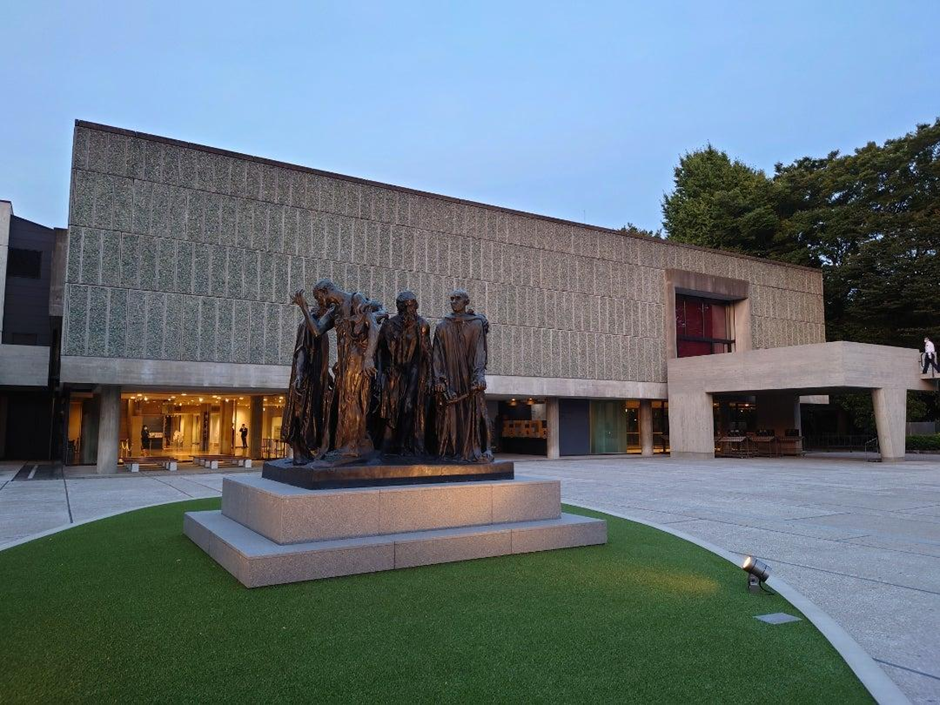
This is one reason bespoke bronze sculptures continue to be chosen for museums, civic landmarks, luxury hospitality projects, and corporate developments where permanence is part of the original design brief.
Making the Final Decision: Which Option Fits Your Vision?
After comparing the design process, manufacturing journey, installation requirements, and long-term ownership, one question still remains:
Which option is actually right for your project?
The answer isn’t determined by price alone. It depends on the role the sculpture is expected to play within the space.
If the objective is to install a decorative feature within a private landscape, boutique hotel, or residential property where production speed and predictable costs are important, a standard bronze sculpture often provides an excellent solution. Proven designs, shorter lead times, and straightforward installation make it a practical choice for many projects.
However, when the sculpture is expected to become part of a brand identity, commemorate an important event, strengthen a public space, or create a lasting architectural landmark, bespoke manufacturing offers significantly greater flexibility. Every decision—from concept development to structural planning and finishing—is tailored specifically to the project’s objectives rather than adapted from an existing design.
The most successful projects rarely begin by asking “Which sculpture should we buy?” Instead, they begin by asking “What story should this sculpture tell, and how will people experience it over the coming decades?”
That change in perspective often leads to a better long-term investment.
Questions Every Buyer Should Ask Before Choosing a Manufacturer
Selecting the right manufacturer is just as important as selecting the right sculpture.
Before making a final decision, buyers should consider asking:
- Has the manufacturer completed projects of a similar scale?
- Can they explain their design and approval process?
- How is quality inspected before shipping?
- Will they provide installation guidance and technical drawings?
- What support is available after delivery?
- Can they share completed international projects or client references?
These questions provide a clearer picture of a manufacturer’s capabilities than comparing quotations alone.
Buyers should also ask manufacturers how they document quality throughout production. A reliable manufacturer should be able to explain its engineering review process, dimensional inspections, weld quality verification, surface finishing standards, and final inspection procedures before shipment.
For a more detailed evaluation framework, our guide on how to choose the right bronze sculpture manufacturer explains the technical capabilities, fabrication standards, and quality assurance processes buyers should evaluate before placing a large-scale commission.
Final Thoughts
There is no single answer to the bespoke versus standard debate because every commission begins with different priorities, environments, and creative ambitions.
A standard bronze sculpture offers efficiency, predictable lead times, and proven designs that suit many residential and commercial applications. A bespoke commission, however, provides the opportunity to create something that belongs uniquely to its surroundings—responding to the architecture, purpose, and identity of the space from the very beginning.
The most memorable sculptures are rarely defined by their size or cost. They become landmarks because they feel connected to the places they were created for and continue to inspire people for generations.
Whether you’re planning a civic monument, a luxury hospitality development, a corporate installation, or a private collection, taking the time to evaluate both options carefully will help ensure your investment delivers lasting artistic and cultural value.
If you’re planning a bespoke bronze sculpture or evaluating the right solution for your project, the Pegasus team is available to discuss design concepts, engineering considerations, manufacturing options, and the most suitable approach for your requirements. Contact us to start the conversation.
Frequently Asked Questions
1. What is the difference between a bespoke bronze sculpture and a standard bronze sculpture?
A bespoke bronze sculpture is designed specifically for one client, project, or location, while a standard bronze sculpture is selected from an existing design that may allow only limited customisation.
2. Which option is better for hotels and commercial developments?
Projects that require a unique architectural identity or brand presence often benefit from bespoke sculptures, while standard sculptures are generally suitable for projects with shorter timelines and predictable budgets.
3. Why do bespoke bronze sculptures cost more?
The additional investment reflects concept development, engineering reviews, structural planning, custom fabrication, quality inspections, and specialised finishing that are unique to each commission.
4. Can a standard bronze sculpture be customised?
Yes. Many manufacturers can adjust finishes, patina colours, dimensions, or mounting systems, although the overall artistic composition usually remains unchanged.
5. How long does a bespoke bronze sculpture typically take to manufacture?
Production timelines vary depending on the complexity and scale of the project. Because bespoke sculptures include design approval, engineering reviews, fabrication, and finishing, they generally require more time than standard sculptures.
6. How do manufacturers ensure the quality of large bronze sculptures?
Professional manufacturers typically implement engineering reviews, dimensional inspections, weld verification, surface finishing checks, and final quality inspections before shipment to ensure both structural integrity and artistic quality.
7. Which option provides better long-term value?
The answer depends on the project’s objectives. Standard sculptures offer efficiency and predictable costs, while bespoke sculptures often provide greater long-term value when architectural integration, brand identity, or landmark significance are important.
8. How should buyers choose a bronze sculpture manufacturer?
Buyers should evaluate a manufacturer’s engineering capabilities, production experience, quality control procedures, completed projects, communication process, and post-installation support—not just the quoted price.