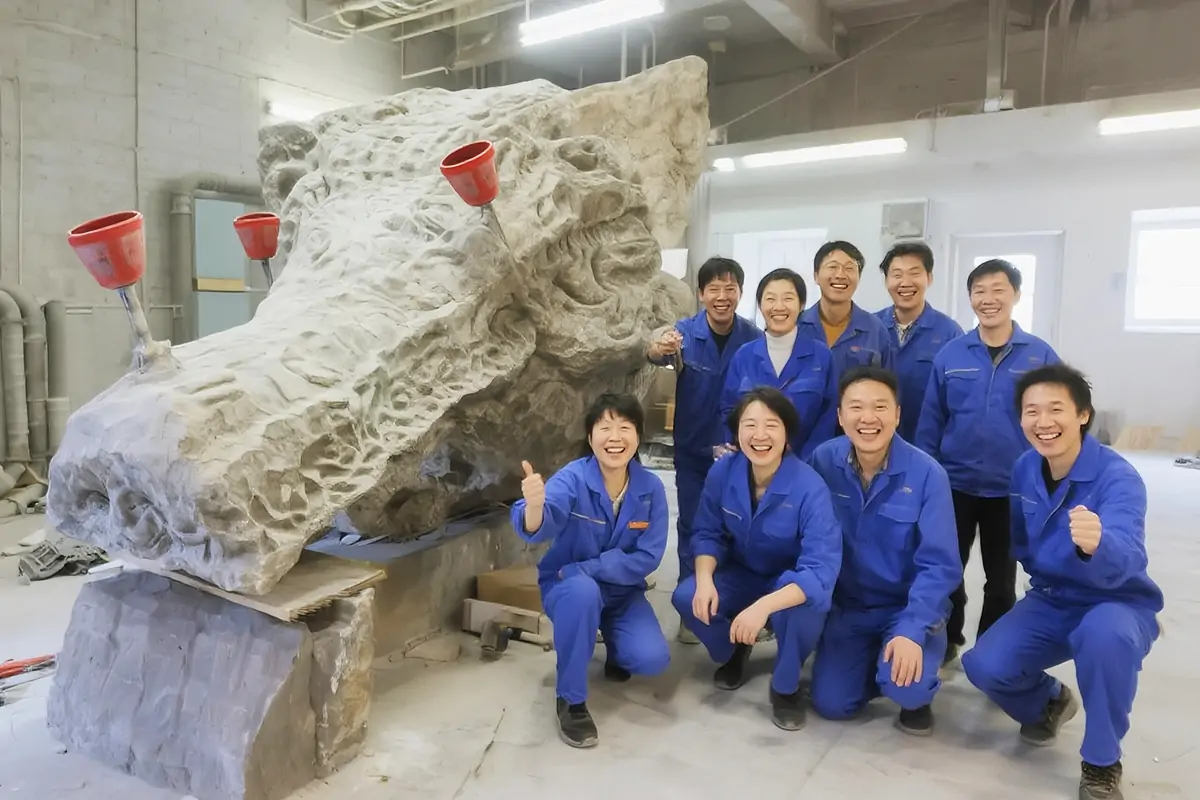
A Custom Marble Statue Is Quoted Through Visible Decisions
A buyer can send the same reference image to several manufacturers and receive quotations that are difficult to compare. One workshop may assume bright white stone, another may allow expressive veining, and a third may simplify fine details because the statue will be viewed from a distance. Each may describe its offer as a custom marble statue, yet the proposed results and manufacturing scope are different.
The solution is not a longer explanation of marble carving. Buyers need a concise visual specification and evidence that the supplier can manufacture it. The brief should define the acceptable stone character, the details that must remain legible, the intended surface, the installed scale and the relationship between the sculpture and its base. The supplier should then show how those approvals will be carried through block selection, shaping, hand finishing, preassembly and packing.
Begin With the Installed View
Before naming a stone or finish, describe where the sculpture will be seen. A figure at the end of a formal garden axis must read clearly from farther away than a bust in a hotel lobby. A work approached from all sides needs resolved rear and side profiles; a piece placed in a niche may be judged mainly from the front. The primary viewing distance affects silhouette, depth of carving and the amount of surface detail that remains visible.
The site information does not need to become an architectural report. A dimensioned photograph or plan showing the available footprint, eye level, nearest and farthest views, surrounding colors and lighting is often enough to guide early decisions. The specification should also state whether the base is part of the sculpture package or supplied locally.
Define Stone Character Instead of Asking for White Marble
Natural marble is not a uniform manufactured color. Two blocks sold under the same commercial name can differ in background tone, vein direction, clouding and small mineral marks. A useful specification therefore describes the visual range the project can accept rather than relying on a stone name alone.
- Background tone: bright white, warm white, cream, gray, black, green or another agreed color family.
- Veining: quiet, moderate or expressive; include whether veins may cross the face or other focal details.
- Direction: state whether the vein should reinforce vertical movement, follow drapery or remain visually neutral.
- Variation: identify natural marks that are acceptable and features that would distract from the design.
For a commercial order, ask to review current block photographs under neutral lighting. A small stone sample helps with color and finish, but it cannot show the full vein pattern of a large statue. The block view and the finished-surface sample answer different questions and should not be treated as substitutes.

Translate Artistic Detail Into Buyer Priorities
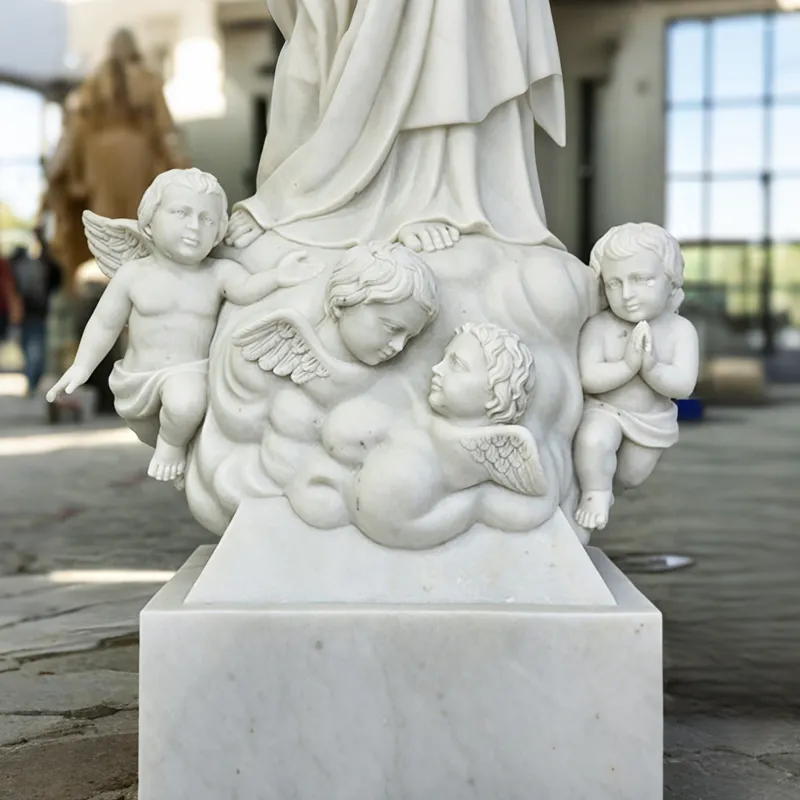
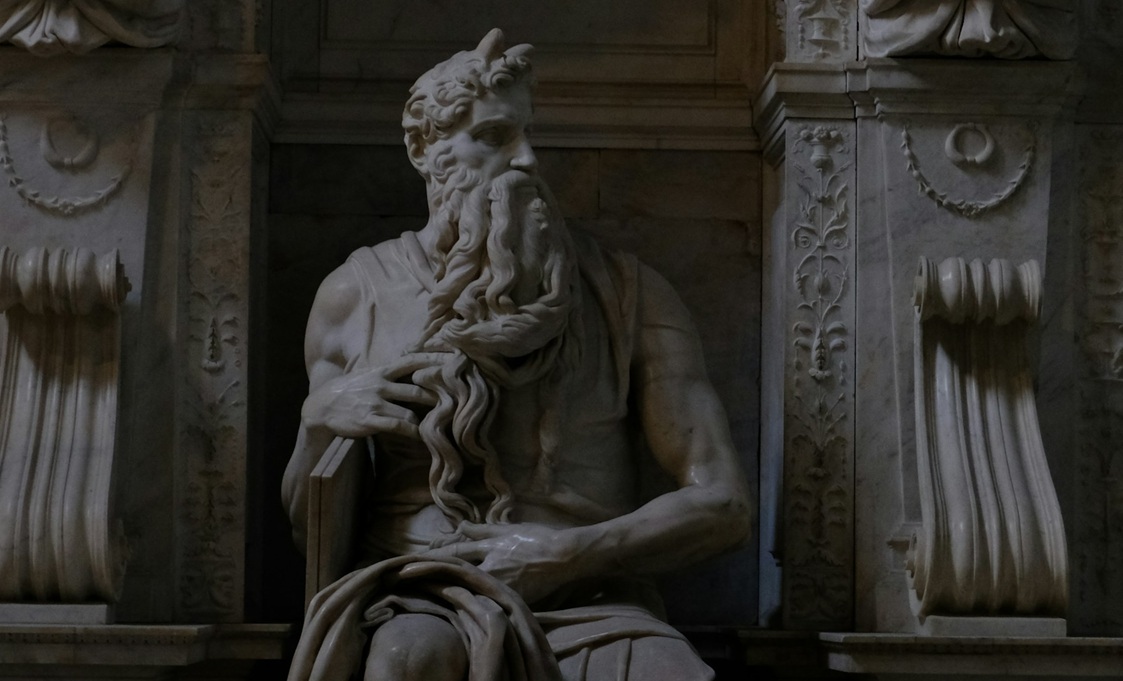
“High detail” is too general to price or inspect. Buyers should identify the three to five areas that carry the identity of the piece: facial expression, hands, hair, fabric folds, inscriptions, logos or a distinctive edge. The supplier can then protect time and carving attention where the viewer will notice it most.
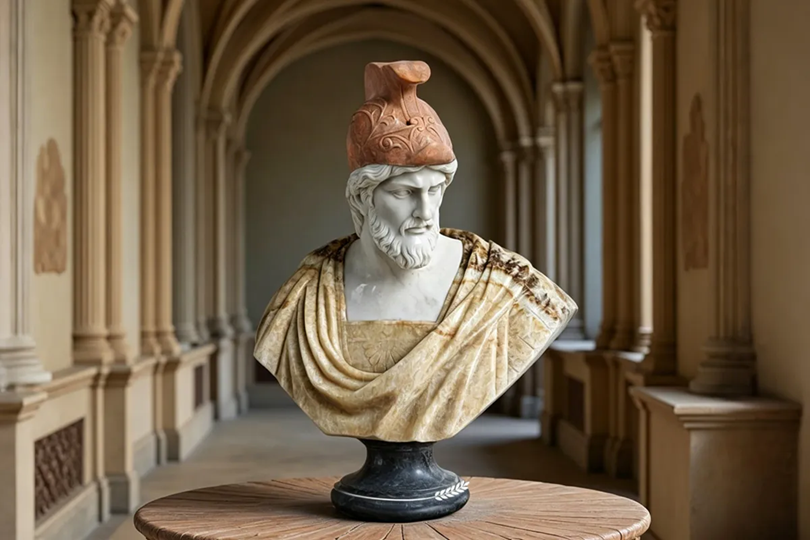
Reference images should be annotated rather than simply attached. Mark which contours must remain sharp, where undercuts matter, whether tool texture may remain visible and which details may be simplified at the proposed scale. This gives the carver a hierarchy and gives the buyer a meaningful basis for review without trying to prescribe every chisel movement.
Choose the Finish for Light Touch and Viewing Distance
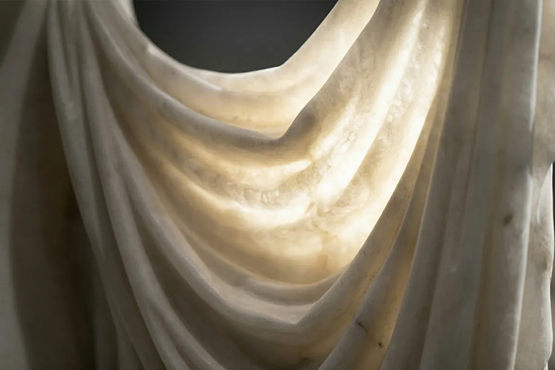
Finish changes both color and legibility. A high polish deepens color and reflects light, which can suit smooth contemporary forms but may create distracting highlights on complex faces. A honed surface reads more softly and can make fine modeling easier to see. A deliberately tooled texture can strengthen shadow and material character, especially on simplified forms.
The specification should map finishes to surfaces instead of giving one finish instruction for the entire statue. Skin, hair, fabric, base and background elements may require different treatments. For pieces within visitor reach, also state whether touch is expected, because frequently handled areas can change appearance over time.
| Finish | Visual Effect | Useful Application | Buyer Check |
| Polished | Deeper color and stronger reflection | Smooth abstract forms or selected accent areas | Glare can obscure subtle modeling |
| Honed | Soft, even appearance with limited reflection | Figurative work and controlled interior lighting | Can show handling or dirt differently from polish |
| Fine tooled | Visible texture and stronger shadow | Hair, fabric, backgrounds or expressive surfaces | Texture scale must suit viewing distance |
| Mixed finish | Separates materials and visual zones | Figures with clothing, bases or contrasting elements | Requires a clear finish map |
Set Scale Through Relationships Not a Single Height
Overall height alone does not describe presence. A 6-foot standing figure, a 6-foot seated figure and a 6-foot abstract mass occupy the site differently. Include the overall envelope, base height, shoulder or eye level where relevant, and the clear space around the work. For grouped figures, specify the relationship between subjects and the combined footprint.
A simple elevation placed into a site photograph helps the buyer judge proportion before stone is committed. This is particularly useful for entrances, courtyards and garden axes where the surrounding architecture can make a sculpture feel smaller than expected. If a pedestal is supplied locally, the drawing should still show the intended combined height and interface.
Project Evidence From Installed Pegasus Marble Work
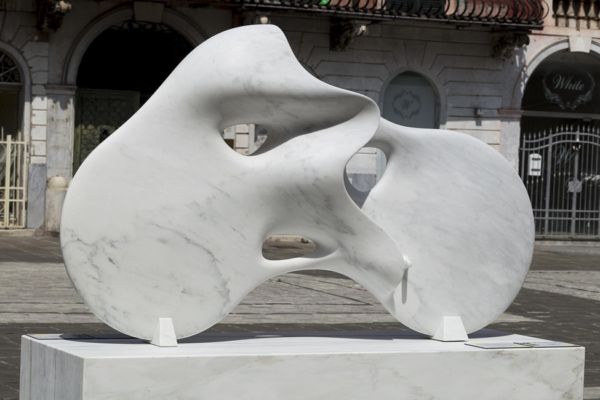
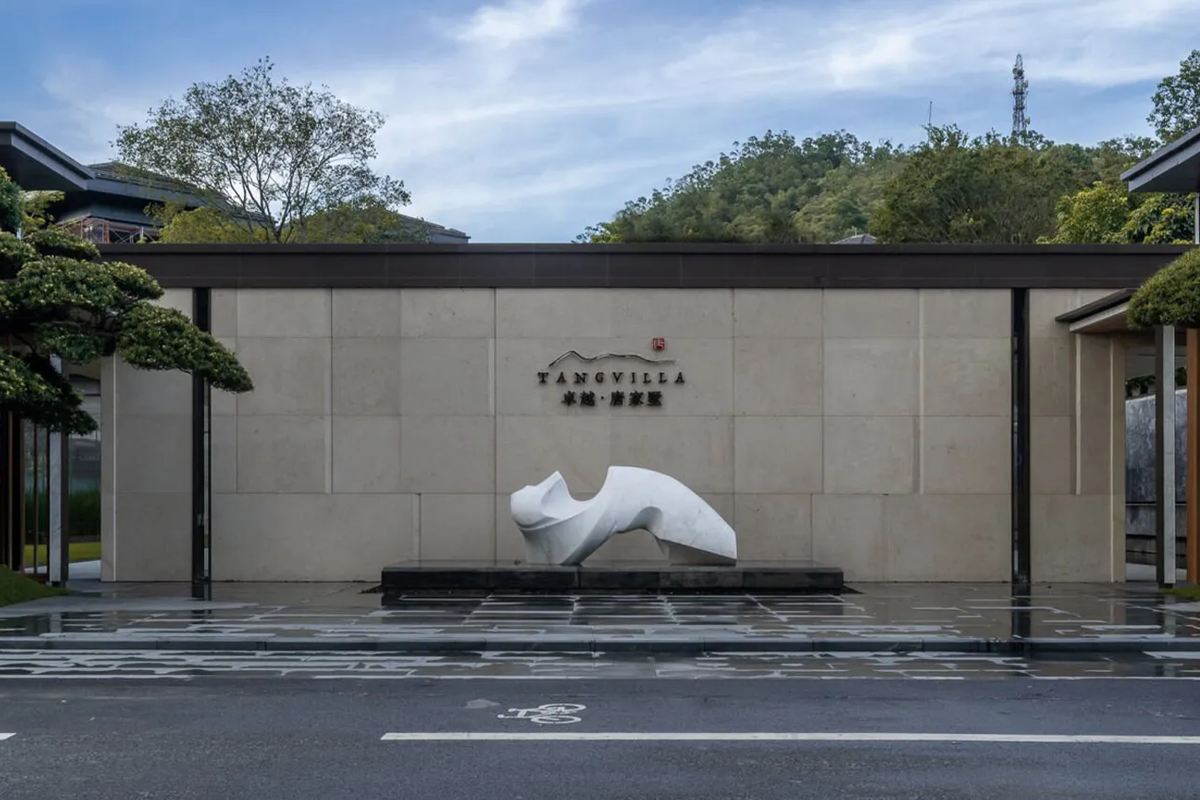
Pegasus project records include an architectural marble installation at Palmer Coolum Resort in Queensland and a contemporary stone artwork at Shenzhen Bay in China. They represent two different manufacturing tests: repeated architectural elements must align as one installed composition, while a simplified freestanding form depends on accurate profile, surface continuity and base positioning.
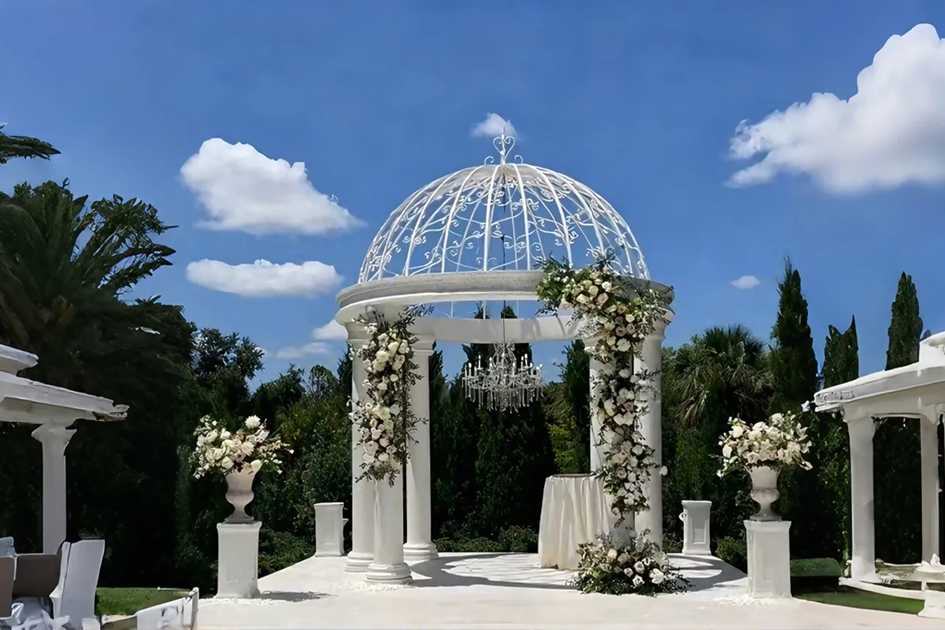
At Palmer Coolum Resort, the visible challenge was coordination across the pavilion, columns, pedestals and surrounding architectural elements. A small stone sample could not prove that result. Block tone, repeated dimensions, base levels and preassembly all affected whether the installation would read as one composition. Pegasus supports those decisions through current block photographs or video, digital and CNC pre-shaping, hand finishing and factory dry-lay checks before shipment.
The Shenzhen Bay installation presents a different test. Its white abstract form is visually spare and placed against a large architectural wall, so profile accuracy, surface continuity and base alignment remain exposed rather than hidden by ornament. The installed result provides buyer-visible evidence that Pegasus can carry a controlled digital form into a site-scale marble artwork.
Write the Base and Placement Into the Same Brief
A marble statue and its base are read as one composition. State the base material, visible height, footprint, edge profile and whether the base is integral, separately fabricated or locally supplied. If the statue will sit on an architectural plinth, confirm the interface dimensions and responsibility for final coordination before fabrication begins.
Outdoor placement also affects drainage, splash exposure, irrigation, nearby trees and routine access for cleaning. These site conditions should inform the stone and surface discussion, but they do not justify universal promises about service life. The project team should obtain site-specific structural and conservation advice where required.
For U.S. Commercial Sites Define Local Responsibilities
For a project in the United States, the inquiry should identify who will provide the site survey, foundation and anchorage design, permits, lifting plan and final installation. Local architects, engineers and contractors should confirm code, loading and accessibility requirements for the actual site. The sculpture supplier can then coordinate the visible base interface, lifting provisions and supplied components without blurring responsibility for local approvals.
How Pegasus Turns Buyer Approvals Into Factory Evidence
A specification becomes commercially useful only when the manufacturer can connect each buyer approval to something reviewable in production. Pegasus documents the following checkpoints on its marble manufacturing page and project workflow:
- Stone character approval: current block photographs or video before carving begins.
- Scale and proportion approval: digital modeling, CNC pre-shaping and dimensioned comparison before detailed hand carving.
- Detail and finish approval: hand-carving progress views and an agreed surface reference for priority areas.
- Base and placement coordination: interface dimensions plus factory dry-lay and leveling checks where assembly is required.
- Shipment readiness: protected components, crate basis and a record of what is included for local installation.
These are manufacturing records, not additional decorative options. They show whether the approved visual result is being preserved as the work moves from a selected block to a finished and packed sculpture.
The Buyer Specification Sheet
A useful specification can fit on one or two pages when it captures the decisions that change appearance, scope and price. The following fields give buyers and suppliers a shared basis for quotation.
| Specification Field | What the Buyer Should Define |
| Design reference | Front, rear and side views; identify the controlling image or model |
| Installed context | Site photograph or plan, viewing distances, lighting and surrounding materials |
| Overall scale | Height, width, depth, footprint and combined height with base |
| Stone character | Color family, acceptable veining, vein direction and variation limits |
| Priority details | Named facial, hand, fabric, inscription or edge features |
| Finish map | Surface treatment by area rather than one instruction for the whole work |
| Base responsibility | Integral, supplier-made or locally supplied; include interface dimensions |
| Placement | Indoor or outdoor, visitor touch, water or irrigation exposure and access |
| Review evidence | Current block images, finish sample, dimensioned views and final photographs |
| Packing scope | Crate basis, removable elements, lifting points and included components |
Compare Quotations on the Same Visual Outcome
A low quotation may reflect a different stone grade, fewer resolved views, simplified carving, a smaller base or exclusions for preassembly, packing and site coordination. Ask each supplier to state what is included against the same specification sheet and to identify the production evidence it will provide. If an assumption differs, record it beside the price instead of allowing it to remain hidden in email discussions.
The most useful commercial comparison is not “Which supplier charges less for a marble statue?” It is “Which offer most clearly delivers the defined stone character, detail, finish, scale and interface?” That question protects the buyer from selecting a price that belongs to a different result.
What to Share With the Manufacturer
A custom marble statue inquiry can be reviewed more effectively when the buyer shares the intended site, overall dimensions, principal reference views, preferred stone character, priority details, finish direction and base responsibility. Buyers can review the Pegasus marble sculpture collection and installed project references to identify relevant forms and finishes. If some decisions are still open, identify them as choices to be developed rather than leaving them as silent assumptions.
A clear brief also separates the commercial offer from later site-specific engineering or conservation advice. The buyer receives a more transparent quotation, while the design team retains control of the visual decisions that matter most.
Common Buyer Questions
Is a stone name enough to specify marble?
No. Commercial names help narrow the family, but natural blocks vary. Define the acceptable background tone, veining and variation, then review photographs of the proposed block and a representative finish sample.
Should buyers approve a small sample or the whole block?
They answer different questions. A small sample shows surface color and finish at close range. Current block photographs or video show the larger vein pattern and variation that will appear across the statue.
How much carving detail should be specified?
Identify the features that carry the design and must remain legible from the intended viewing distance. This is more useful than requesting maximum detail everywhere, which may add cost without improving the installed result.
What dimensions matter besides total height?
Include width, depth, footprint, base height, combined installed height and key visual levels such as eye or shoulder height when relevant. For grouped figures, define the spacing and total composition envelope.
What evidence should a marble manufacturer provide before shipment?
Ask for the approved block record, dimensioned or repeat-view comparisons, finish confirmation, base or assembly checks and final packing photographs. The exact record should match the risks of the project rather than follow a generic checklist.
Turn the Specification Into a Comparable Manufacturer Quote
The strongest custom marble statue inquiry does not ask several suppliers to interpret one inspiration image. It gives them the same stone range, priority details, finish map, installed dimensions, base responsibility and site context, then asks each manufacturer to show how those approvals will be controlled in production. This makes exclusions visible and allows the buyer to compare both the proposed result and the capability behind it.
Review Pegasus marble sculpture manufacturing capabilities, explore installed Pegasus project references or use the Pegasus contact page to share reference views, site dimensions and the completed specification sheet for quotation review.