Order a custom piece in bronze, and you’re looking at a 14–20 week lead time minimum, tooling costs that make sub-100-unit runs economically indefensible, and a shipping manifest that reads like a structural engineering report. Stone is worse. Plaster? It arrives in one piece about 70% of the time, and we’re being generous.
In our experience sourcing and manufacturing custom decorative pieces, we’ve watched buyers burn through three traditional material vendors before landing on a resin figure statue manufacturer. This was not because resin was their first choice. Because everything else failed them in terms of weight, fragility, cost, or all three at once.
Resin solved a specific, practical problem: how do you produce detailed, durable, commercially viable custom pieces at volumes between 50 and 5,000 units without the unit economics killing the project? This article explains how. And honestly, that’s where resin falls short too, because a supplier who won’t admit that is one worth watching carefully.
What Resin Actually Is and Why the Type Matters
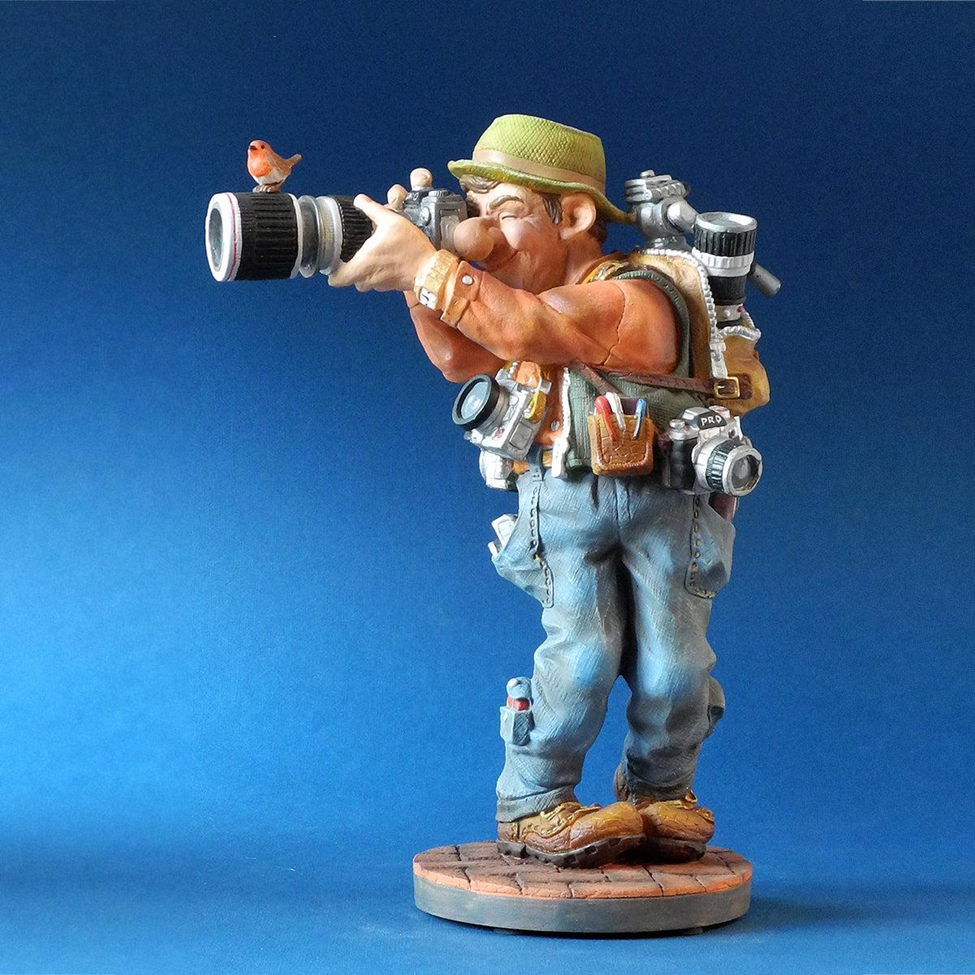
For a broad term, “resin” is sufficient. Most of the time, when customers enquire about resin statue sculptures or resin decorations, they have a certain material in mind. The decision between the various formulas used by resin sculpture producers affects the surface quality and structural lifetime.
Polystone, a mixture of resin and stone powder; polyester resin; and polyurethane (PU) resin are the three varieties you’re likely to come across.
Many high-end figurine and statue manufacturers rely on polyurethane resin. Its minimal shrinkage during curing, typically under 0.5%, ensures that sub-millimetre surface detail is consistently preserved from the master to the casting. Paint goes on smoothly, it can withstand thin parts without breaking, and it can be made to seem solid when held.
For larger pours or less complex geometric designs, polyester resin is a suitable choice since it dries faster and costs less. One drawback is that improper integration of UV inhibitors makes it more vulnerable to surface porosity and yellowing. It is used by certain plastic resin manufacturers for large-scale decorative projects where slight variances in texture are tolerable. Opting for a prestige job is not always the wisest choice.
Polystone is where material science gets intriguing for luxury buyers. It’s a blend of polyurethane or polyester resin with stone powder; the ratio varies by application, and it produces a piece that genuinely feels like cast stone. The weight is real. The density profile is right. For hotel lobbies, gallery installations, and high-end decorative ornaments where you want substantive, premium quality, polystone composites are frequently the answer.
What most buyers don’t hear from polymer resin manufacturers: the formulation you choose upstream determines almost everything about finishing quality downstream. Surface tension, primer adhesion, and paint penetration are chemistry decisions made at the casting stage, not problems you can solve with extra sanding.
The Material Comparison Buyers Actually Need
Most comparison guides are written to confirm that resin is fine. This one is written to help you decide honestly.
Resin vs. Bronze:
Bronze wins on outdoor permanence, patina depth, and raw prestige perception. It loses on unit cost (lost-wax casting is labor-intensive and expensive), production timeline (4–8 weeks per batch versus 2–4 for resin), and detail resolution. If your brief is a corporate lobby installation that will be there in 50 years, bronze may be the right choice. If you’re producing 200 limited-edition collector resin statues with facial detail that has to match a digital sculpt exactly, resin is the better answer.
Resin vs. Marble:
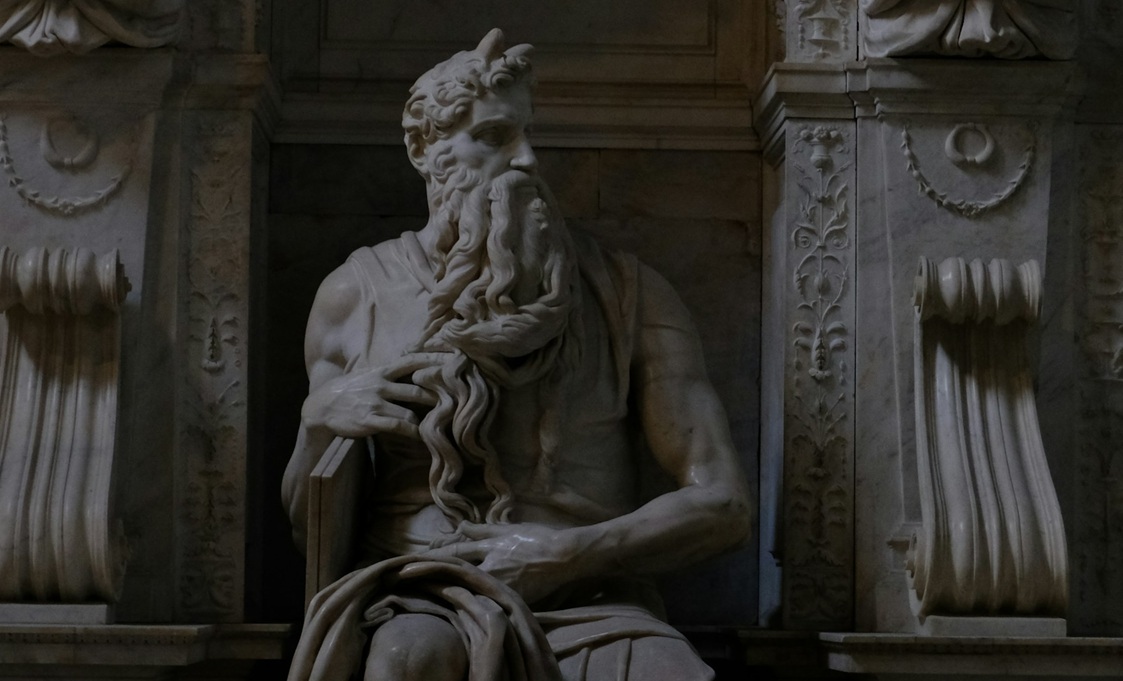
When it comes to particular types of architecture, hand-carved marble is priceless. Additionally, it is clumsy, heavy, and geometrically limited; while a resin caster designs around the material, a marble carver works with it. Resin ornaments can look just like real marble, but they’re much lighter and cost much less. Plus, resin can take shapes that real marble just can’t.
Resin vs. Fiberglass/FRP:
This is the most misunderstood comparison. Fiberglass and resin aren’t really competitors; they solve different scale problems. FRP (fiber-reinforced plastic) is the right call for large outdoor sculptures, architectural installations, and pieces that need structural self-support at sizes above roughly 80–100cm. Resin is the right call for detail-critical work from 5cm to life-size, where dimensional stability and surface quality are priorities. Many sophisticated projects use either a fiberglass armature with resin surface work or resin figurines as part of a larger FRP installation.
Resin vs. Generic Plastic:
This comparison comes up when buyers evaluate injection-molded alternatives from plastic resin manufacturers who produce at commodity scale. Injection-molded plastic is appropriate for toy-grade production in very high volumes (10,000+ units). It has no place in premium decorative sculpture, gallery editions, or any project where unit quality matters more than unit cost. The surface fidelity, material density, and finishing compatibility of cast resin simply don’t compare.
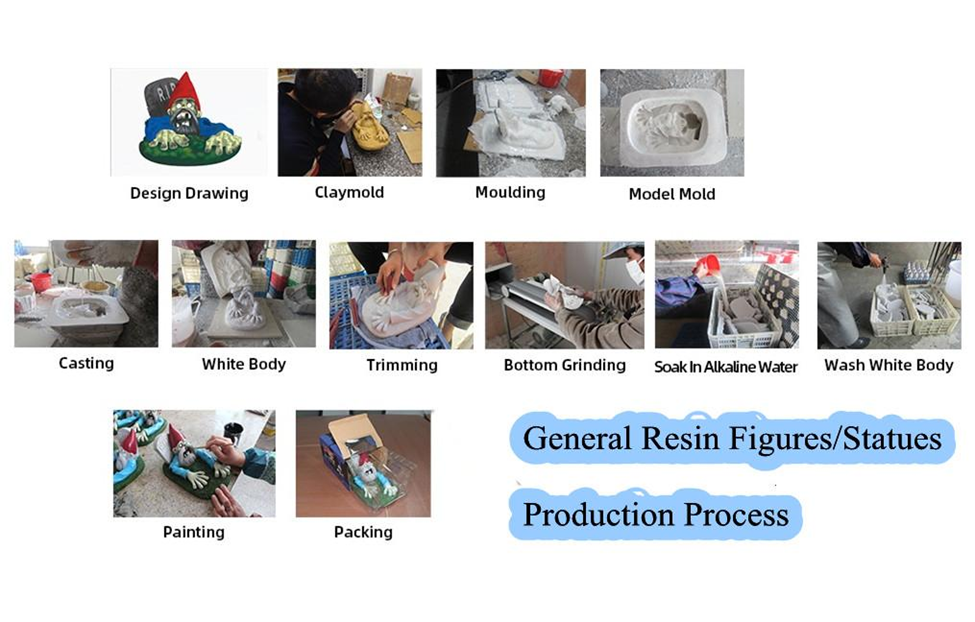
What the Manufacturing Process Actually Looks Like
Understanding the process is how you evaluate manufacturers. If a supplier can’t walk you through each of these stages with specifics, that’s useful information.
Stage 1: Idea, Brief, and Master Prototype Development.
The original sculpt, whether from clay, 3D-printed SLA output, or CNC-milled material, sets the ceiling for everything that follows. We begin by translating your 2D concept art and character sheets into precise 3D models before anything is physically produced. Our in-house team calculates the center of gravity, draft angles, and modular split lines so the finished resin figurine stands correctly, assembles cleanly, and is manufacturable at scale from day one.
Stage 2: Mold Engineering and Production Setup.
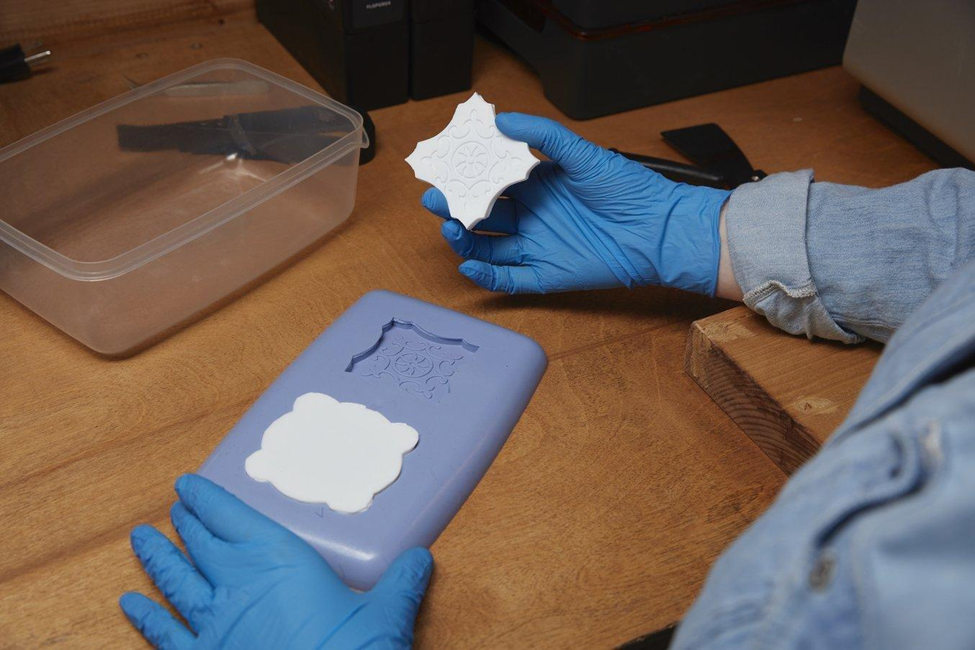
For production runs, we use platinum-cure silicone molds, whether for small batches or mass production runs. Mold design isn’t just about shape. It’s about venting (to allow air escape during pouring), draft angles (to enable clean demolding), and wall thickness (to maintain dimensional consistency across the mold’s production life). Rushing this stage is where most quality problems begin.
Stage 3: Vacuum Casting.
Liquid resin is degassed in a vacuum chamber before being placed into the mold and curing at a regulated temperature. For transparent or translucent resin decorations, the mold is placed in a hot pressure pot after pouring to compress any remaining small bubbles, resulting in optical clarity. This is a mandatory step. The end result is 100% bubble-free casting and accurate replication of submillimeter textures such as fabric weaves, skin surfaces, and sculptural engravings.
Stage 4: Demolding and Post-Cure.
Mid-to-large resin sculptures undergo thermal post-curing to eliminate internal stress that could cause warping over time. This is standard practice for structurally demanding pieces. This process is also where internal steel supports are added for life-size or large sculptures that need to stay the same size over time, which is a key step in high-quality manufacturing that makes it different from regular casting.
Stage 5: Finishing.
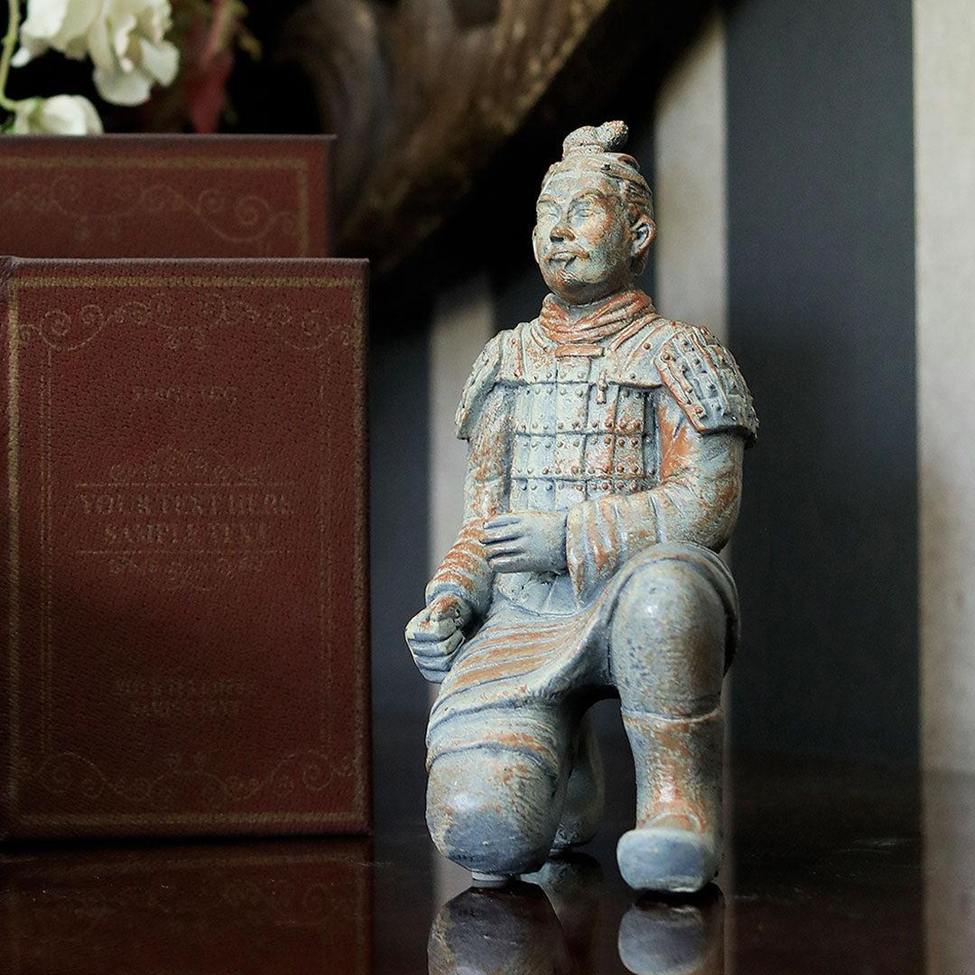
We use dust-free workshops to prepare surfaces, seal them, prime them, and apply base coatings. A premium resin statue will typically have a base tone, shadow, midtone, highlight, special effects (metallics, translucencies, weathering), and a clear finish applied to it in stages. Using industrial-grade UV inhibitors that comply with REACH environmental requirements, UV-resistant topcoats are applied last to any works that are going to be shown in locations with a lot of light.
Stage 6: Quality Control and Packaging.
Everything that leaves Pegasus’s warehouse goes through a battery of visual, dimensional, and structural testing as part of their AQL (Acceptable Quality Level) inspection process before it is ever packed. Our resin figures and decorations come with unique die-cut EVA foam inserts that are made to fit each piece’s geometry, rather than utilizing generic cushioning. We drop-test all of the packaging before exporting any new design. In addition, we make sure the boxes are the optimal size for the most economical global shipment.
What to Demand from Resin Sculpture Manufacturers Before You Sign
Evaluating polymer resin manufacturers from a distance is genuinely challenging. Here’s what separates the credible ones from the rest.
Ask for mold samples, not just finished pieces.
Any manufacturer can show you a beautiful finished sculpture. Ask to see the mold for a comparable project; its construction quality, silicone type, and venting design will tell you more about production capability than the showroom photos.
Ask specifically about vacuum casting infrastructure.
Gravity pour with no degassing is still common in lower-end resin statue production. If the manufacturer can’t describe their degassing setup and pressure pot specifications, they are likely set up for lower-quality work.
Ask about IP protection protocols.
This information matters more than most buyers realize. Misuse could occur with your 3D master files, mold tooling, and overrun units, which are all valuable assets. Serious resin manufacturers in USA-serving and export-grade markets operate with strict NDAs, mold-destruction policies for discontinued runs, and file-security protocols. We use ironclad NDAs with zero unauthorized production guarantees; your designs don’t leave our controlled environment.
Ask about batch consistency documentation.
QC in resin production should include written inspection records, not just visual sign-off. AQL sampling standards (typically AQL 1.0–2.5 for premium collectibles) should be specified in the production agreement.
Ask for packaging test results.
Drop testing isn’t optional for fragile resin ornaments shipping internationally. A manufacturer who can’t show you their packaging test protocol is guessing at your damage rate.
Working with PEGASUS: What the Process Looks Like
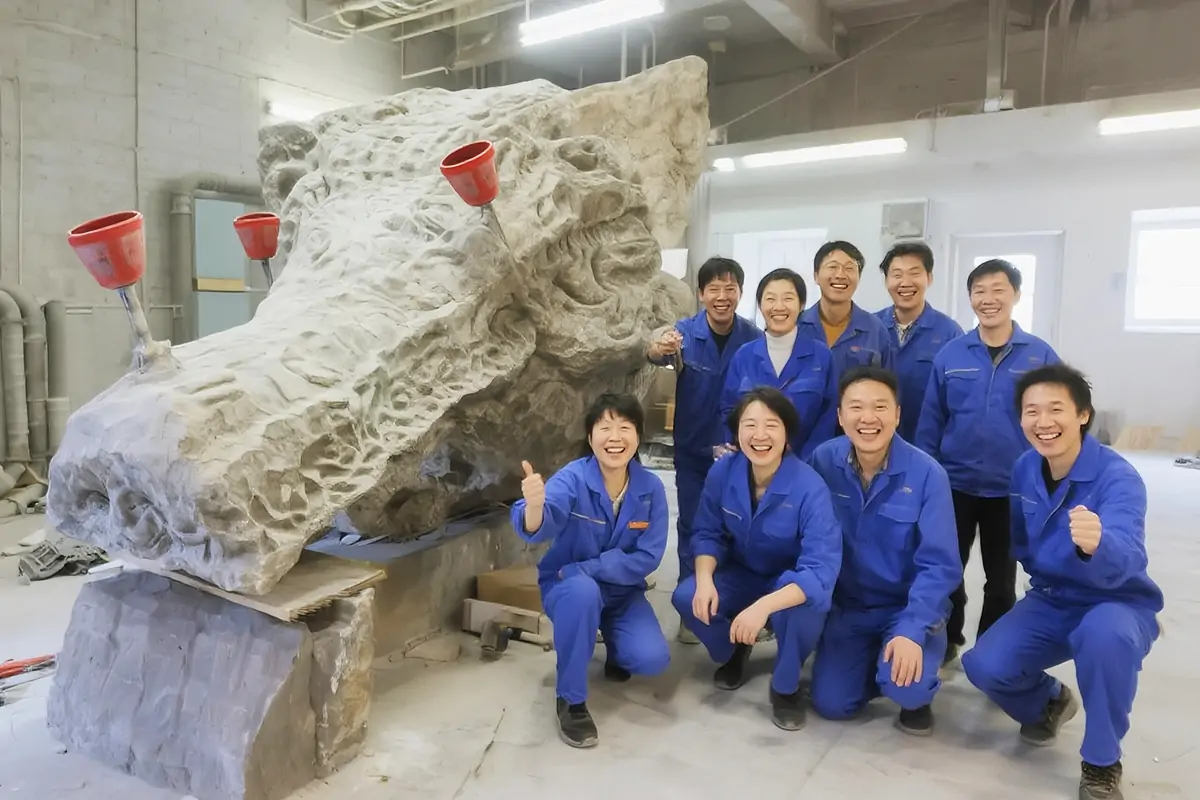
PEGASUS is a vertically integrated resin sculpture manufacturer operating from Jiangyan District, Taizhou, Jiangsu, China, producing over 1,300 large-scale and precision sculptures annually for partners in more than 25 countries. Our resin capability runs from 5cm tabletop resin figurines to life-size monumental props with integrated steel armatures.
Our manufacturing edge in resin work comes down to a few specific decisions we made early and haven’t compromised on: vacuum degassing as standard (not premium), platinum-cure silicone molds for all production-grade tooling, thermal post-curing for mid-to-large sculptures, dust-free finishing workshops, and custom EVA foam packaging engineered per-piece geometry.
We handle complete turnkey ODM from your 2D concept art through 3D modeling, master prototype, mold engineering, casting, finishing, QC, and international delivery. We also take on partial-scope projects for clients who have master prototypes and need only production and finishing.
For B2B buyers who need to evaluate us concretely, we offer live video factory tours. You’ll see the workshop floor, the casting operation, the finishing studio, and the QC process in real time. No slides.
Frequently Asked Questions
Can I use resin in an outdoor setting?
Displaying resin inside is ideal. Even when in sunlight, our UV-stabilized formulas with strong UV blockers offer excellent protection, meeting REACH standards. For exterior installations that will be exposed to direct sunlight for an extended period of time, we typically choose our in-house stainless steel or fiberglass/FRP. The use of a hybrid solution is also an option for large outside components requiring surface detail of resin grade. The hybrid solution combines an FRP structural core with resin surface work.
Are other materials like jade, marble, or bronze possible to replicate?
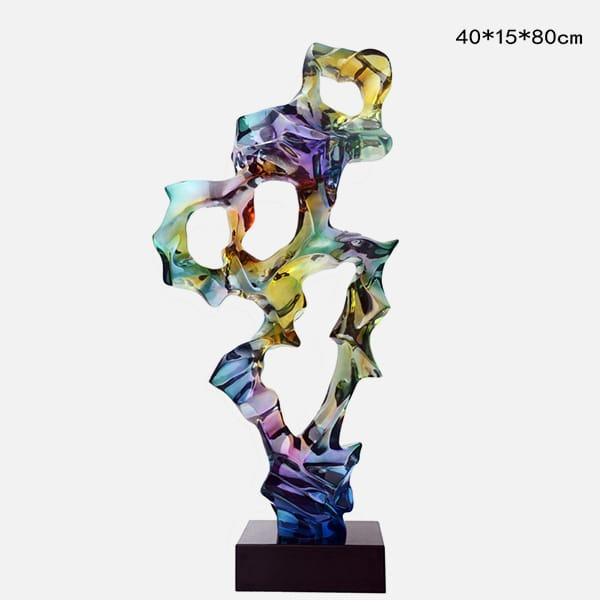
Yes. One of resin’s real strengths is its versatility. Surface coating processes allow us to obtain realistic stone textures; metallic finishes are achieved by electroplating and automotive-grade base coatings; and tinted optically clear PU resin systems allow us to generate translucent jade or ice looks. Not just paint, but finishing technique and the correct resin mixture determine the simulation quality.
What’s the minimum order quantity?
For fully custom projects (new master + mold production + casting run), 50–100 units is a practical minimum that allows mold investment to amortize reasonably. For existing designs or simpler production formats, lower MOQs may be available. Please reach out with your brief, and we’ll provide you with a clear response.
How do you handle shipping fragile resin pieces internationally?
Custom die-cut EVA foam inserts, engineered to the specific geometry of each piece. Every new packaging design is drop-tested before we ship. We’ve shipped to partners in the US, Europe, Southeast Asia, and the Middle East; the packaging system works because it’s purpose-built, not generic.
The Bottom Line
Resin is the material of choice for one-of-a-kind sculptures, statues, and decorations where manufacturing consistency, design flexibility, and attention to detail are more important than the prestige of the raw materials. This isn’t always the best course of action, and you shouldn’t believe any manufacturer that claims otherwise. When the brief is right, though, there’s nothing that competes with what a properly engineered resin sculpture can do. A well-made resin sculpture is a great choice for artists because it has detailed surfaces, a variety of finishing options, consistent quality, and can mimic any material while being much lighter and easier to work with. Have any project in mind? Get in touch with us today, and we will provide you with a quote.