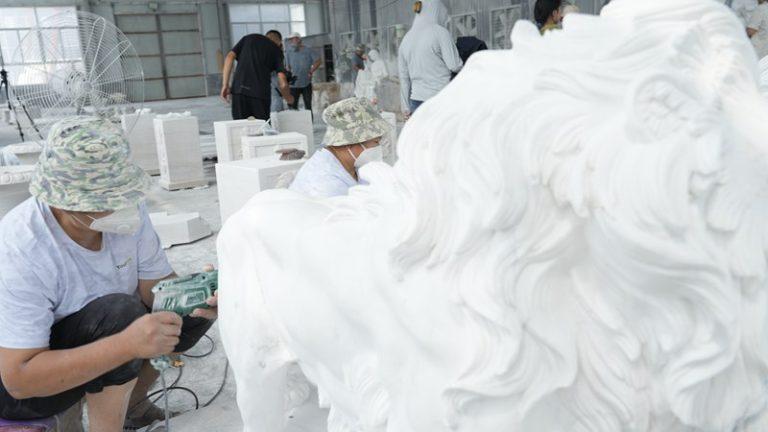
Just around five percent of the overall effort goes into a completed marble commission that you see in a hotel lobby, municipal plaza, or private estate. The remaining ninety-five percent consists of things like purposefully hiding inspections in the factory, selecting the correct blocks at the quarry, checking for structural defects, making 3D models for the structure, shaping with CNC machines, hand-carving, engineering internal supports, sealing, and custom shipping packaging.
Customers do have a legitimate gripe with such opacity. And we’ve spent the better part of two decades attempting to address these issues by being as open and honest as possible about our approach.
A serious contemporary marble sculpture commission is a large capital decision. This process often occurs with limited visibility, making it difficult to distinguish between a manufacturer who can actually deliver and one who is merely a middleman sourcing blocks from various suppliers and dispatching them to a subcontracted carving workshop. The result looks identical in a product catalog. It does not look the same five years after installation.
This article walks through what a serious marble sculptures manufacturer actually does, the engineering, the process, the questions worth asking before you commit, and the red flags that should stop any project in its tracks.
Why Marble? What Buyers Are Actually Choosing
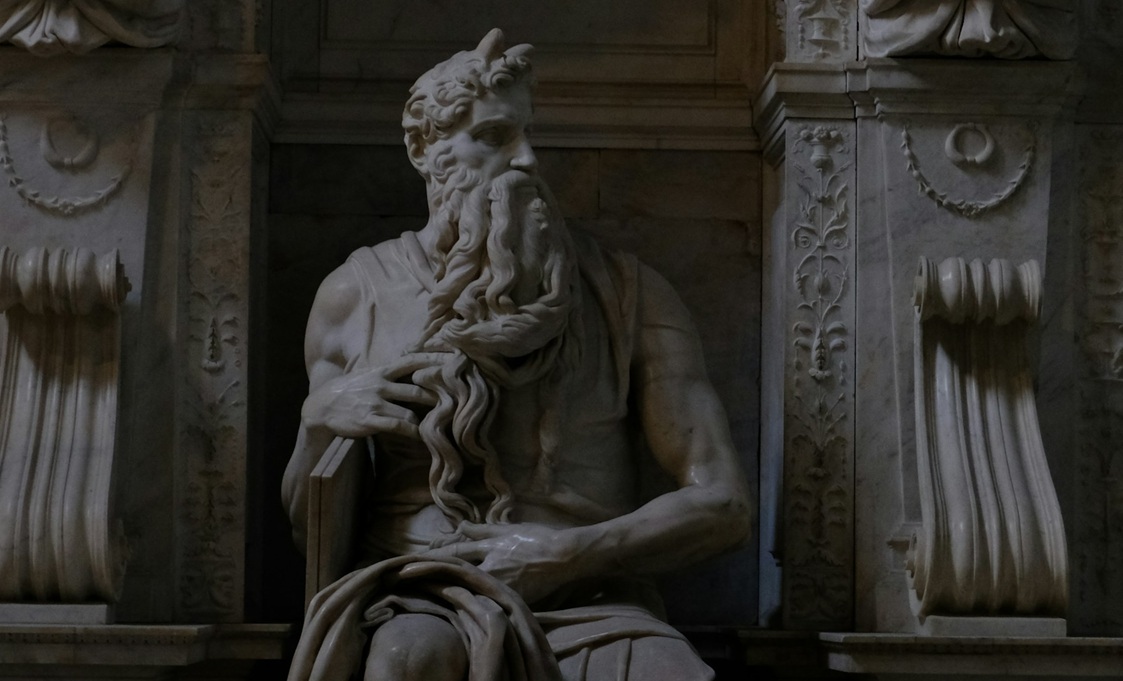
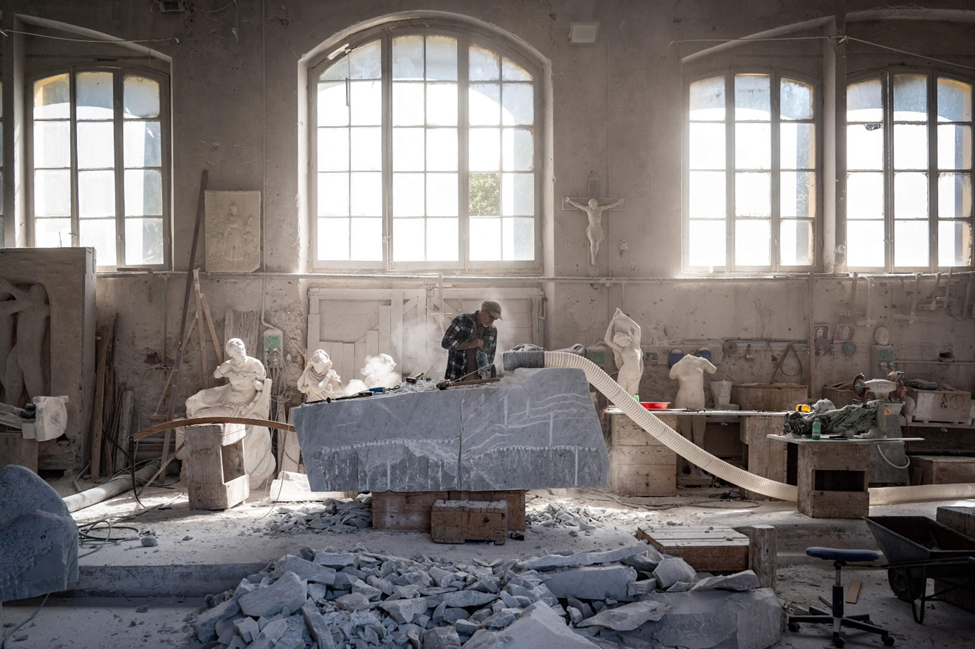
Marble catches detail like no other material, not just because it’s popular. Just look at Michelangelo’s David, the Venus de Milo, and Bernini’s Apollo and Daphne; these are examples of rich history and some of the most famous marble sculptures. Building standards, seismic frequency, climate conditions, and the difficulties of international shipment are just a few of the modern concerns that contemporary marble sculpture takes into account when designing installations.
What makes marble practical for commercial procurement today is the evolution of the manufacturing process itself. CNC pre-shaping technology enables the precise roughing out of complex geometries before hand-carving begins. This reduces human error at the most structurally critical phase and shortens production timelines significantly compared to fully manual methods. Marble does have cost and care requirements buyers should understand upfront. Polished white marble- Carrara, Statuario, and Volakas is porous. Skipping surface sealing on an outdoor piece is how staining starts. Darker marbles are especially risky; the iron content in the stone reacts with water and oxidizes. The manufacturers worth trusting are the ones who bring this issue up early, not the ones who wait for you to find out yourself
Manufacturer, Supplier, Trader, Workshop: Why the Distinction Matters
Most of the procurement procedures fail here.
A trader buys ready-made items or pieces in a rough state from different workshops and sells them. They may not be able to see the manufacturing process and have limited capacity to remedy quality concerns as soon as a problem emerges.
A workshop may have competent carvers but often lacks structural engineering, CNC equipment, or logistical infrastructure for major commercial projects. They are best used for modest projects and simple, representational work.
A supplier is in an intermediate position, usually keeping an inventory of catalog items with some flexibility to customize, but lacking the technical staff to address structural intricacies.
A manufacturer manages the entire manufacturing process, from raw material procurement to the completed product. This step is important since almost all difficulties with marble sculpting, structural failure, dimensional deviation, and surface irregularity happen early in the process. An integrated producer can identify and address them before they worsen. A trader can’t, since they weren’t there when those judgments were made.
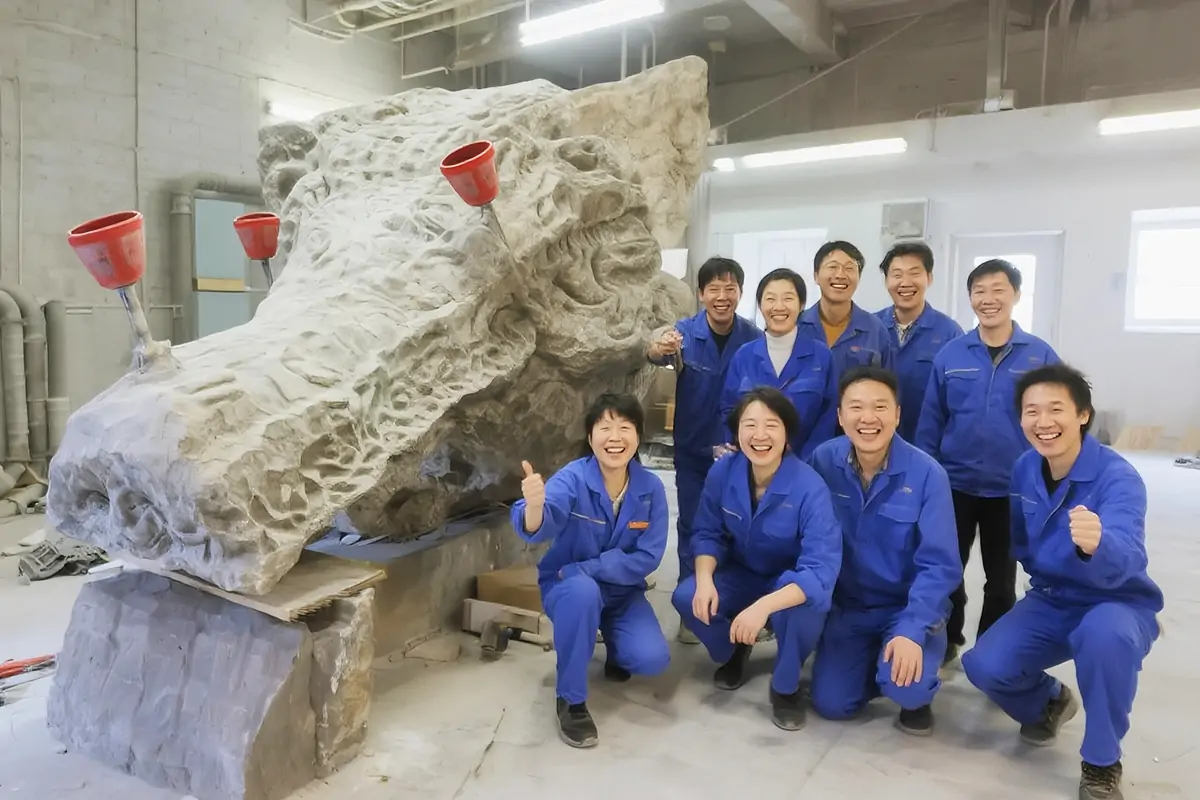
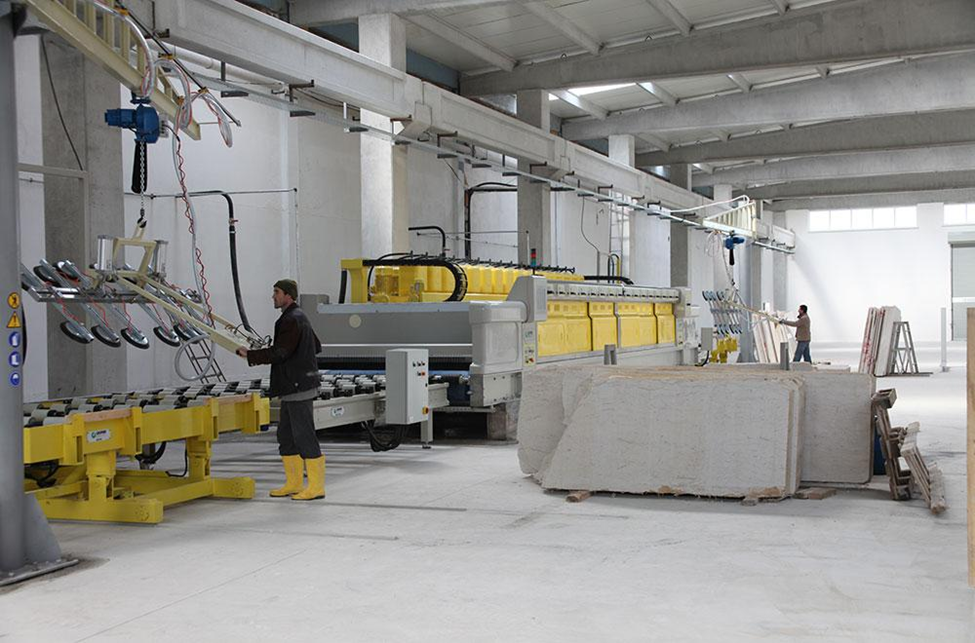
At Pegasus, we have more than 100 experts in-house, from quarry-direct marble procurement to CNC robotic carving, pre-shaping, internal armature engineering, master carving, surface treatment, and shock-absorbent packing for international transportation. If there’s anything that needs tweaking, then there’s no workshop outside to pursue at any point.
What to Actually Evaluate in a Marble Sculptures Manufacturer
Most buyers evaluate based on price and lead time. Those numbers matter, but they’re the last things to look at because they’re meaningless without context.
Here is what actually separates a reliable marble sculptures manufacturer from a risky one:
Structural engineering documentation.
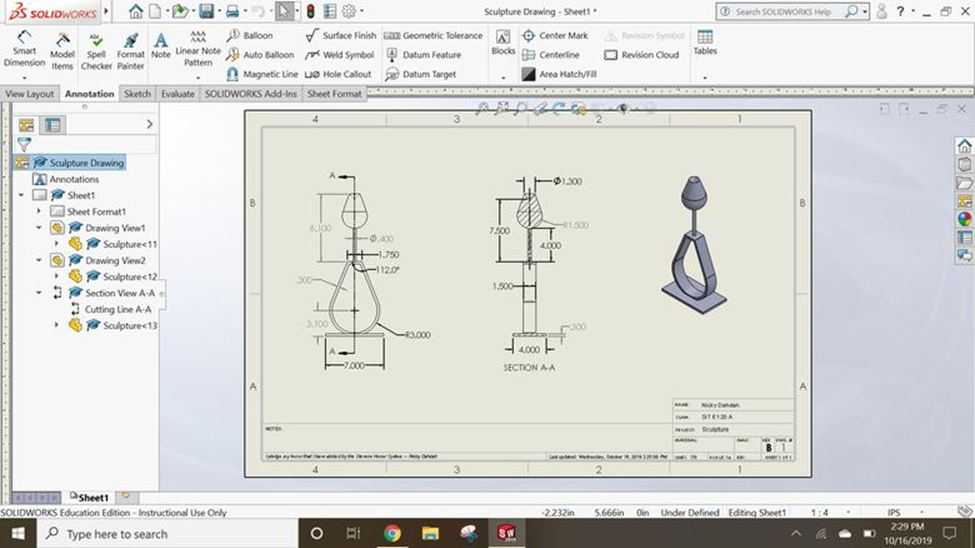
Any marble piece above a certain height or weight needs internal reinforcement. Ask for the engineering drawings. A manufacturer who is unable to produce them may either lack experience with this type of project or be compromising on the one you are about to commission.
Stone sourcing transparency.
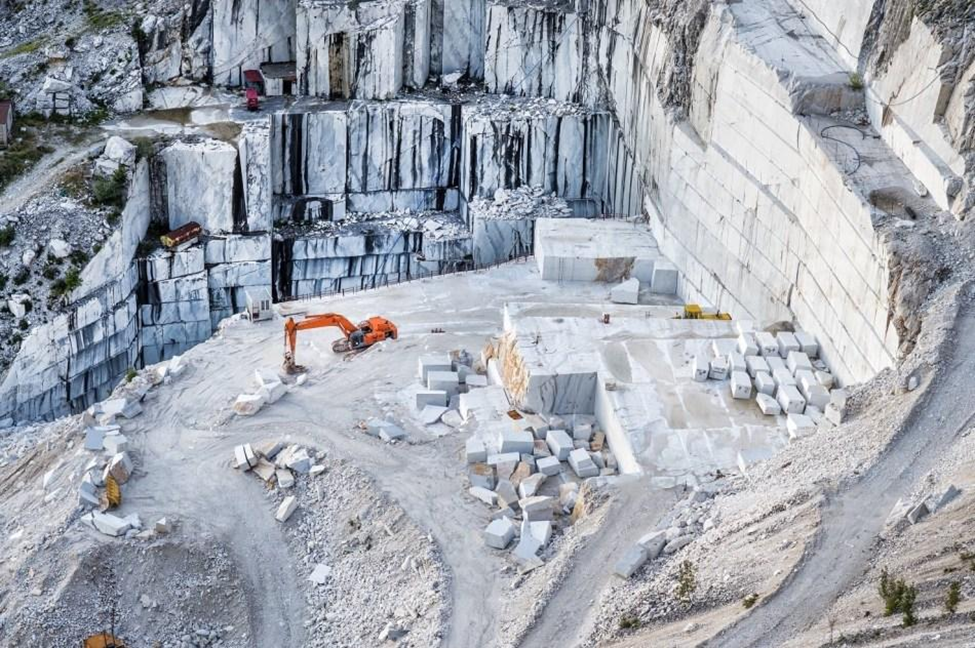
Where does the marble come from? Can they specify the quarry, the variety, and the block grade? Inconsistent stone sourcing is one of the most common causes of tonal variation across multi-piece commissions.
CNC capability.
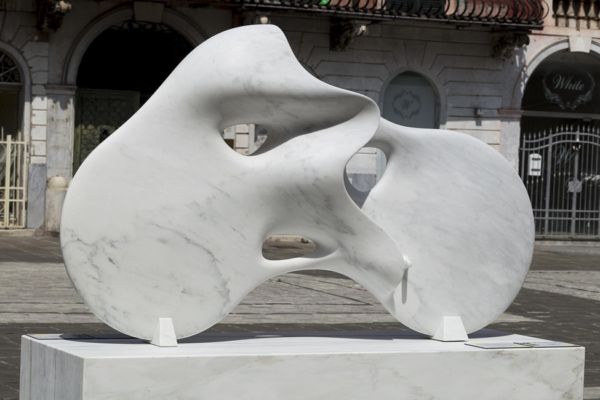
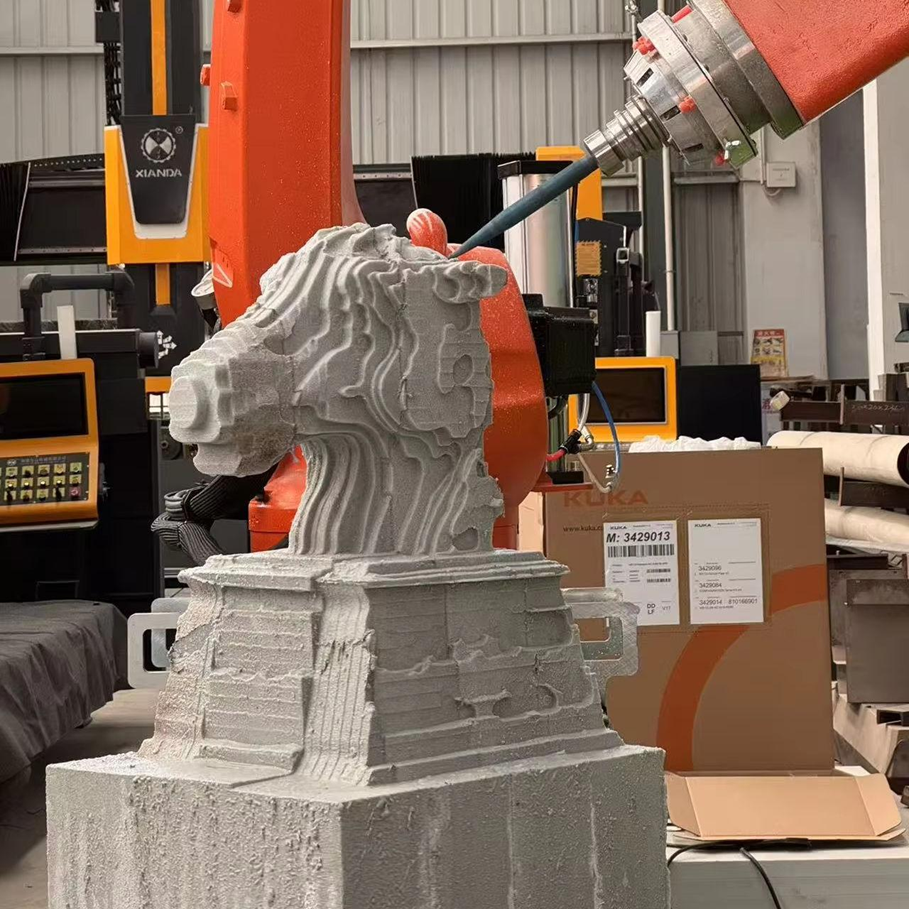
For complex contemporary marble sculpture, abstract forms, geometric work, and large figurative pieces, CNC pre-shaping significantly improves dimensional accuracy. A manufacturer without this capability is relying entirely on manual estimation for the structural phase of carving.
Project references with photographs.
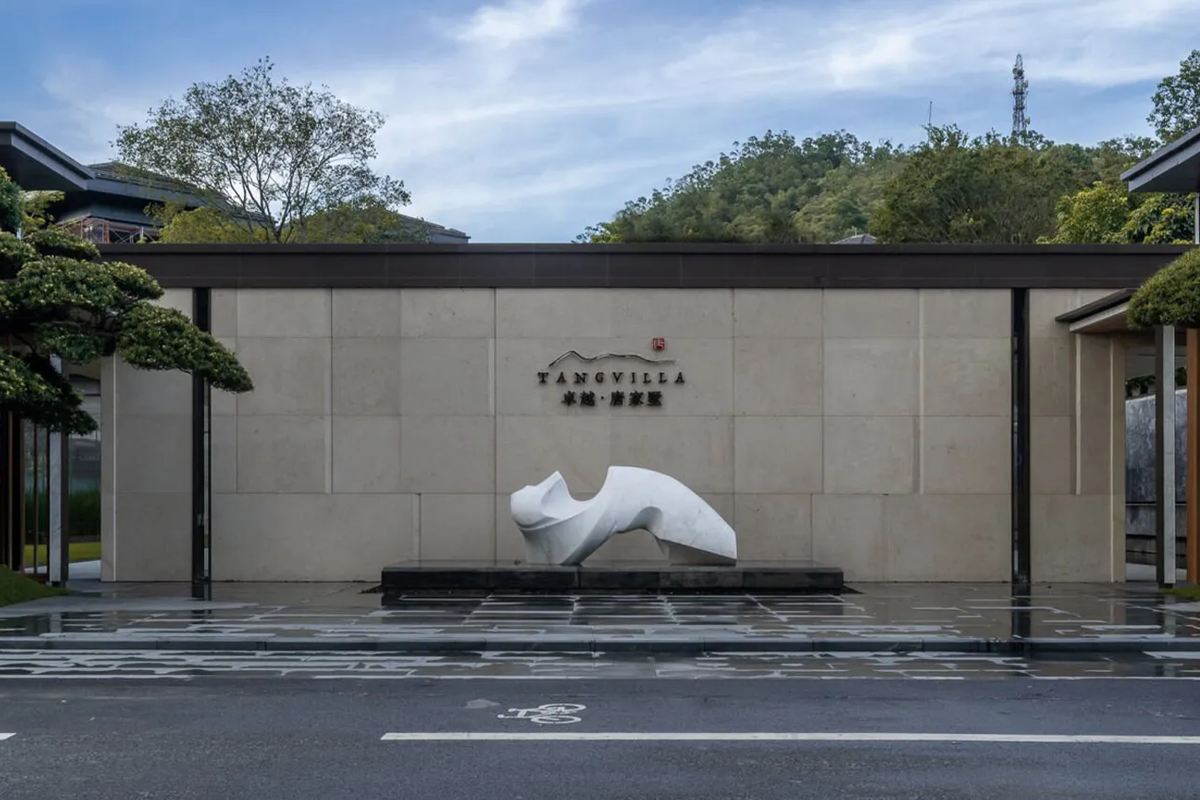
Not renderings. Not stock images. Actual documentation of completed projects. Specifically, look for projects of comparable scale and complexity to yours.
Logistics experience.
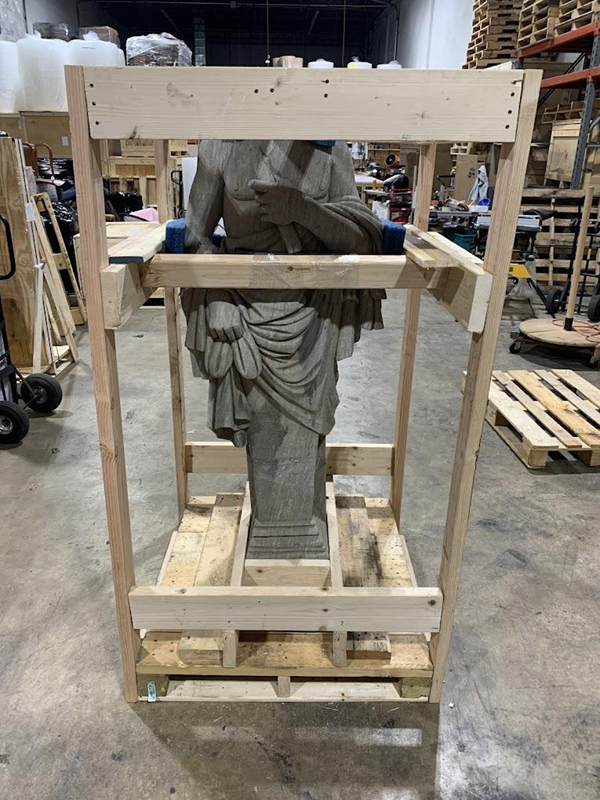
A 1.5-tonne marble statue doesn’t arrive in a standard freight container without planning. Inquire about the crating methodology, vibration management, and the procedures for handling damage during transit. The answer will tell you a great deal about how experienced they actually are.
At Pegasus, your project begins with a technical consultation with written specifications before we start our work. This isn’t standard practice across the industry, and the absence of that documentation step is one of the clearest early warning signs a project is headed for trouble.
Red Flags Worth Taking Seriously
Consistently, the following tendencies emerge in marble procurement issues:
It appears that the timeframe is inadequate. Working with fine-grained white marble on a large scale requires patience. Cutting corners on CNC roughing, manual carving, drying times, finishing, and crating will compromise quality. You should inquire as to the source of the time savings if the estimated completion date is far lower than the standard for similar projects.
No structural drawings. If a manufacturer quotes on a figurative piece taller than 1.2 meters without asking about installation conditions and producing engineering documentation, that is a clear gap.
Inability to specify stone origin. “White marble” is not a specification. Carrara, Volakas, Bianco Sivec, and Thassos all behave differently, particularly outdoors. A manufacturer who fails to specify the variety and quarry source does not control their supply chain.
Extremely low pricing without explanation. The materials and labor expenses of marble sculpting do not decrease infinitely. If the price is far lower than what the market would bear for similar work, it might indicate that the stone is thinner, the material is of inferior quality, certain structural components are missing, or the workshop has the technical expertise to meet the specifications.
No project portfolio of comparable scale. Past performance at scale is the most reliable predictor of future performance at scale. Request references. Follow up on them.
What Pegasus Manufactures: Scope and Capability
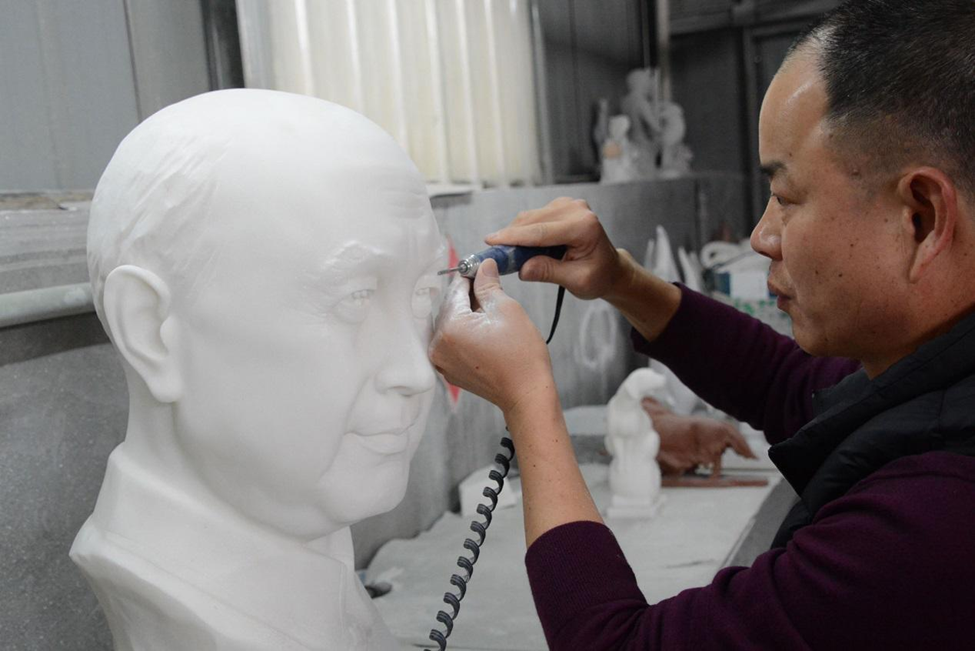
Pegasus services B2B clients in the US, EU, UAE, and UK, among others, with over 250 in-house staff members, including structural and 3D engineers, and 5,000 pieces of carved stone and marble created yearly. The company has over 20 years of manufacturing expertise.
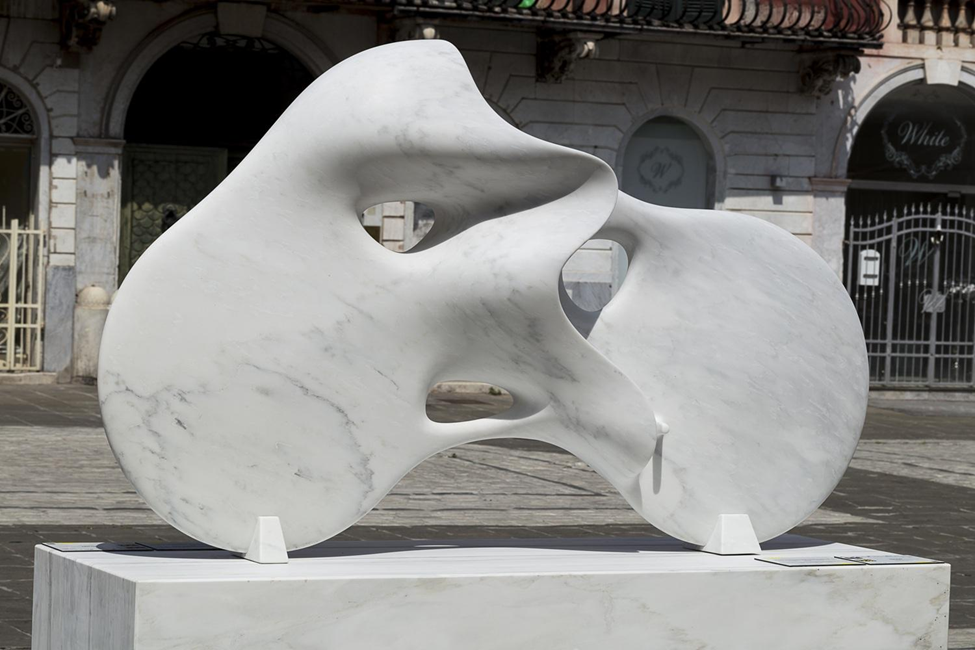
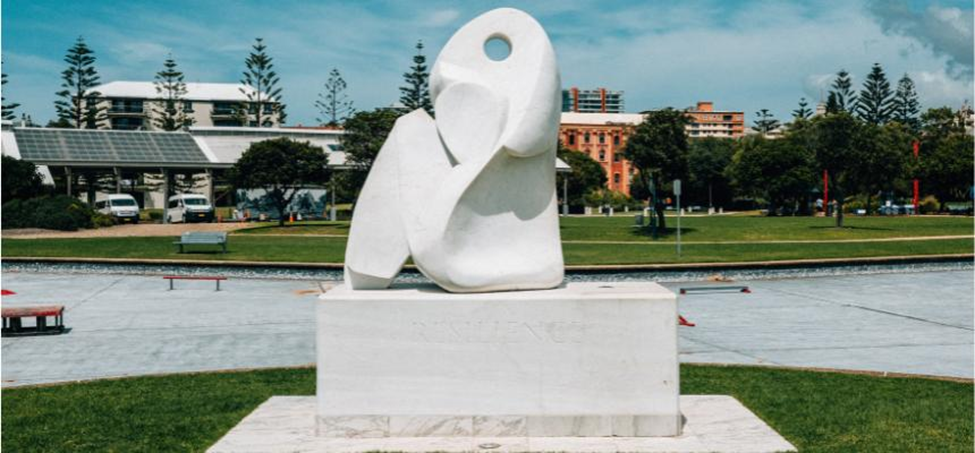
Installations in hotel lobbies, memorial sculptures for the community, pieces for high-end home gardens, feature walls in commercial interiors, abstract modern marble sculptures, and large-scale figurative works for public art programs are all part of the marble repertoire. The facility handles full CNC and hand-carving manufacturing, export logistics tailored to large stone items, and quarry-direct procurement.
Buyers accustomed to working through intermediaries or catalog marble statue suppliers will find that direct factory access significantly alters the project economics. There is no markup from a middleman, no information gap between the buyer’s specification and the carver’s brief, and no diffusion of accountability when something needs to be resolved.
Choosing the Right Manufacturing Partner
The risk in marble sculpture procurement isn’t usually the stone. Whether an item works as expected for decades or breaks down in the first few years after installation is dependent on the choices taken before and during production.
You can eliminate most of that risk by working with a manufacturer that has true technical capabilities, honest sourcing practices, and a well-documented project history. One without those things creates problems. If you’re evaluating options for a hotel installation, public art program, architectural feature, or commercial sculpture commission, the questions in this article are the right place to start, regardless of who you end up working with.
Share your drawings, sketches, or project brief with our team at Pegasus for an initial consultation and indicative quotation.
Frequently Asked Questions
Can you tell me how a marble sculpture maker differs from a marble statue supplier?
Every step of production, from sourcing stones to engineering, finishing, and shipping, is managed by the manufacturer. When suppliers depend on other parties, they may not be able to control product quality or solve issues during production.
Can contemporary marble sculpture be used outdoors in cold climates?
Yes, with appropriate material selection and surface sealing. Dense marble varieties with low porosity perform best in freeze-thaw conditions. Proper surface impregnation before installation is essential.
What internal structural reinforcement is used in large marble sculptures?
316L stainless steel armature is standard for structural pieces. The armature specification is engineered to the height, weight, and installation conditions of each piece.
How do I verify a manufacturer’s capability before committing to a large order?
Request structural engineering documentation from previous projects of comparable scale, a portfolio of completed commissions with delivery photographs, and stone sourcing specifications by variety and quarry. Please follow up directly with reference clients when possible.
What marble varieties does Pegasus work with?
Pegasus sources directly across wide varieties, including Carrara, Volakas, Statuario, Bianco Sivec, and others based on project specifications. Stone selection recommendations are made based on the installation environment and the aesthetic requirements of the piece.